




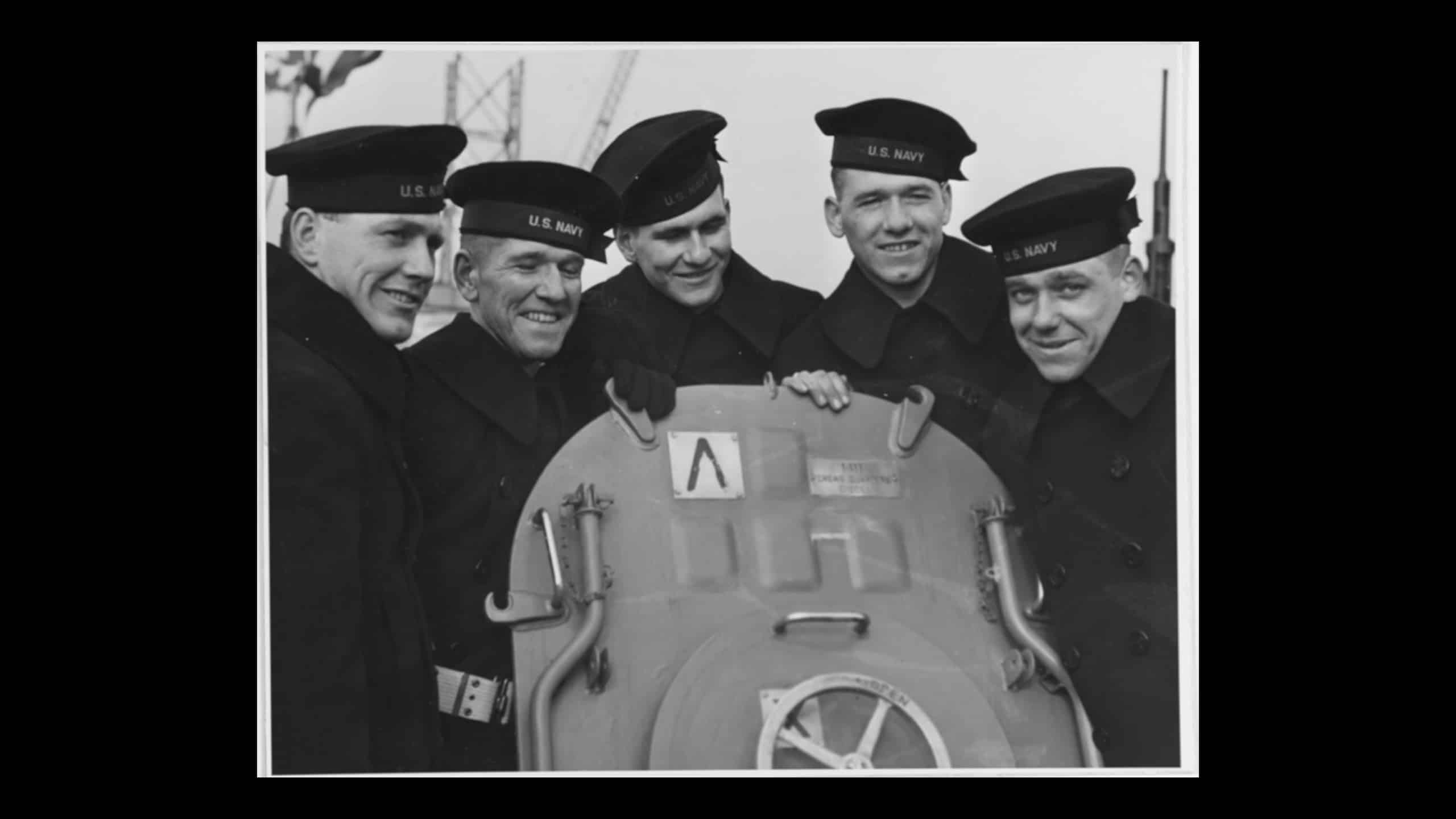
Steven Spielberg’s 1998 film Saving Private Ryan is pure Hollywood fiction, but it was inspired by the true — and all too tragic — story of the five Sullivan brothers. The siblings enlisted/re-enlisted in the U.S. Navy following the Japanese attack on Pearl Harbor in December 1941 and insisted they serve together on the same warship. All were killed less than a year later when the Altanta-class light cruiser USS Juneau (CL-52) was sunk at the Naval Battle of Guadalcanal on November 13, 1942.
In total, 687 officers and sailors lost their lives as a result of the ship’s sinking, with only 10 survivors rescued after eight days in the water.
Their story was the subject of a 1944 film, while two warships have been named for brothers, and last year, New York Governor Kathy Houchul announced that the Empire State would help fund the restoration of the first of those vessels, which is now preserved as a floating museum outside Buffalo.
The Fighting Sullivans
The Sullivan brothers became national heroes, with President Franklin Roosevelt sending a letter of condolence to their parents, while Pope Pius XII sent a rosary with his message of regret.
Their story was told in the film “The Fighting Sullivans.” The semi-fictionalized account of brothers George, Frank, Joe, Matt, and Al saw them from their upbringing in Waterloo, Iowa, to their enlisting in the Navy after learning of the death of their friend Bill Ball — also boyfriend of their sister Genevive — while aboard USS Arizona (BB-39) during the Pearl Harbor attack.
The film didn’t get all the details right, but that didn’t matter. Their sacrifice was no less great.
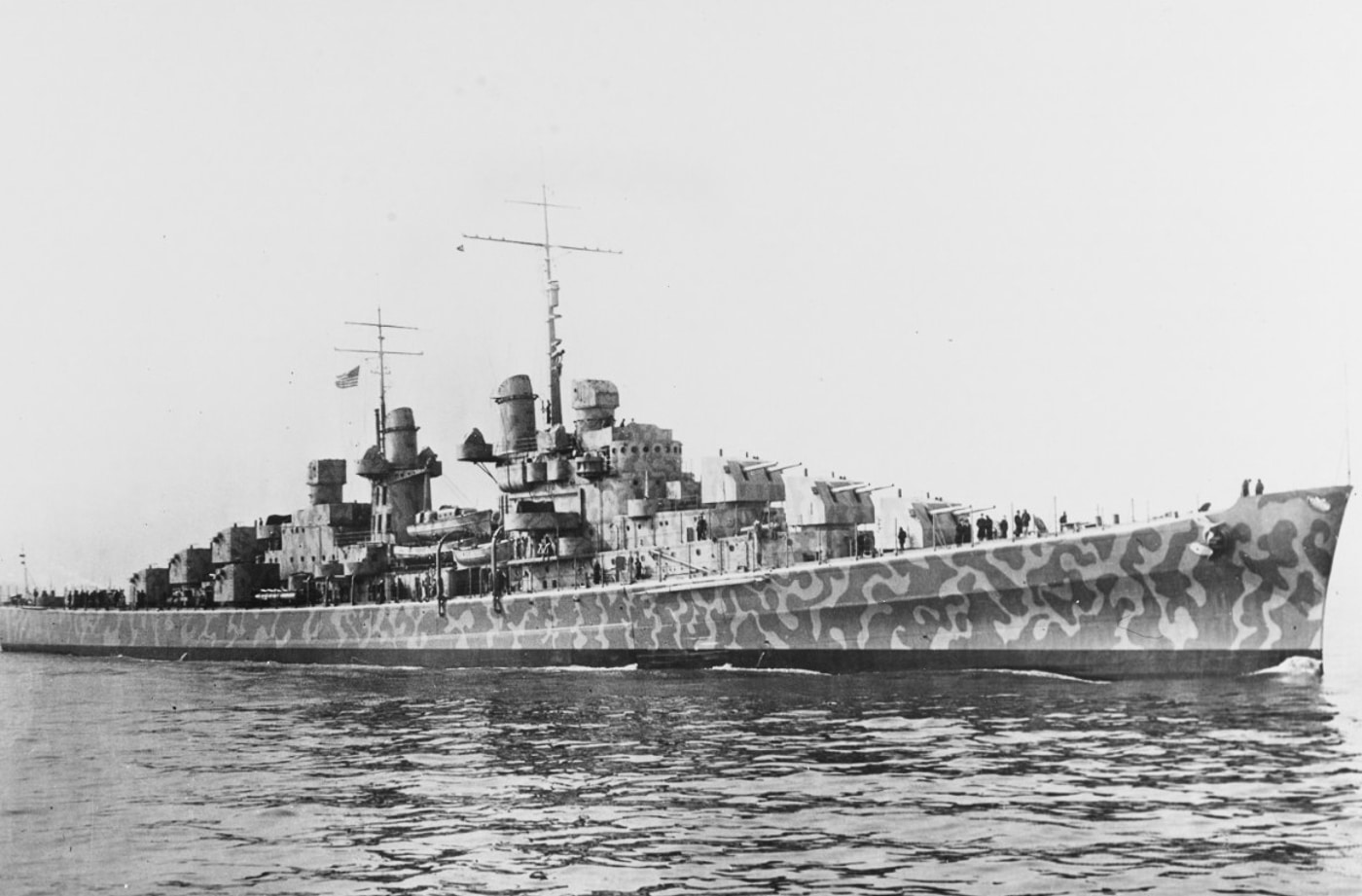
As noted by the U.S. Naval History and Heritage Command, George and Francis (Frank) had previously enlisted in the U.S. Navy in 1937 and served on the destroyer USS Hovey (DD-208) but were discharged before the attack on Pearl Harbor. The Sullivans were also not the only brothers serving on the same ship, and according to The Medal of Honor Hall of Fame there may have been as many as 30 groups of siblings on the USS Juneau.
“The Fighting Sullivans” (spoilers) erroneously suggested that the brothers died together, likely for dramatic effect — although the film leaves the details vague. According to the survivors, Frank, Joe, and Matt were killed instantly when the USS Juneau was struck by a torpedo fired by the Imperial Japanese Navy destroyer Amatsukaze. The torpedo is believed to have hit the thinly armored light cruiser near its ammunition magazine, which caused the ship to blow in half and quickly sink.
Around 100 of the U.S. warship’s crew survived the explosion and were even spotted by a U.S. Army Air Force’s Boeing B-17 Flying Fortress. The aircraft was under strict orders not to break radio silence, and it wasn’t able to report the location of the survivors until after it landed several hours later. Even worse, due to a mix-up with paperwork, a rescue operation was delayed by several days. Had the message been relayed earlier, it is possible that brother Al, the only one to be married and with a child, and brother George may have been saved.
Instead, Al drowned a day after the warship sank.
George Sullivan is reported to have survived for four or five days in the water, until he likely suffered from delirium from hypernatremia, and jumped out of a life raft and was never seen again. It has been suggested that he may have been “driven insane with grief” after the loss of his brothers and possibly the guilt of being the only one left.
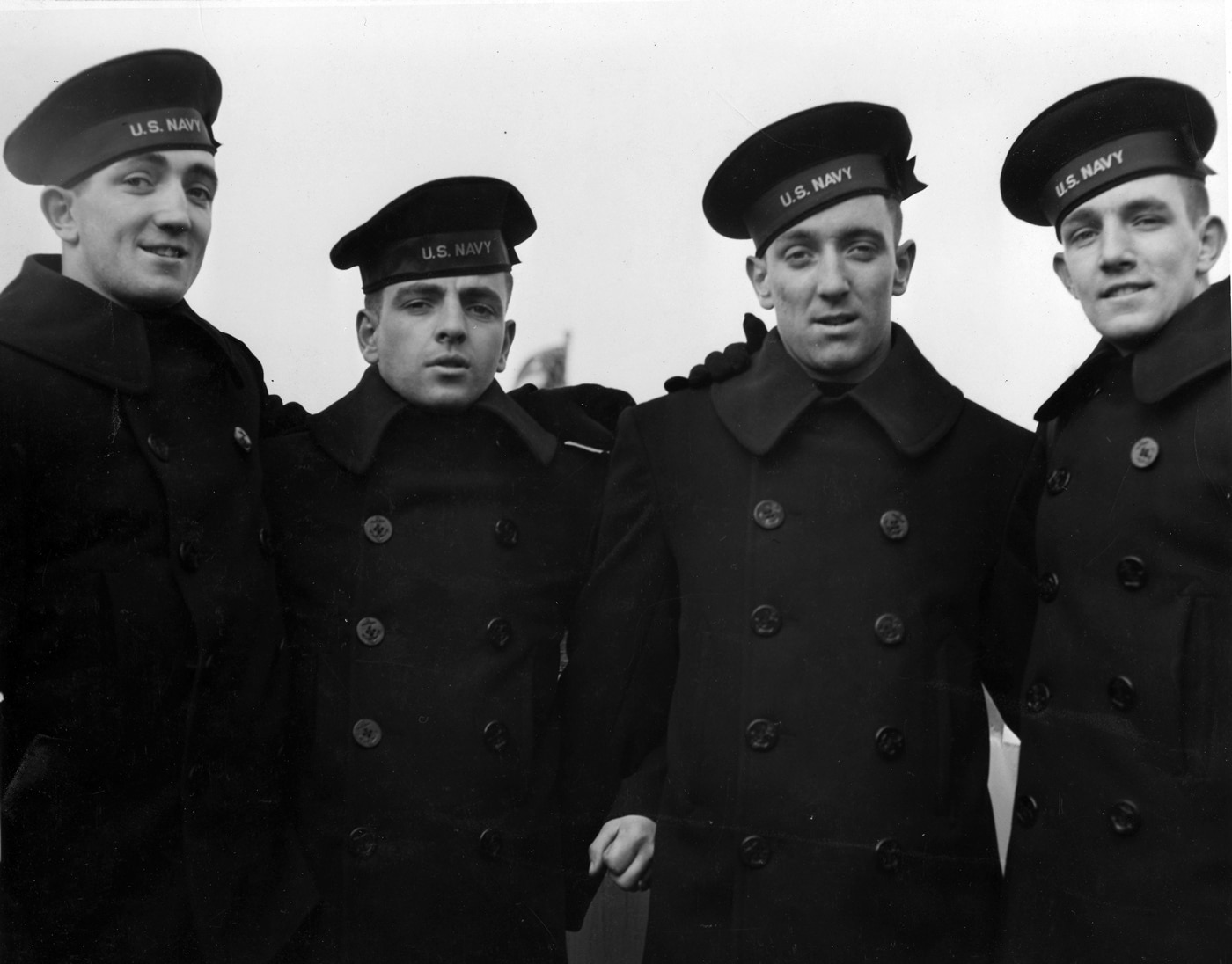
Due to wartime security, the U.S. Navy did not reveal the loss of USS Juneau — or other ships, for that matter so as not to provide information to the enemy. After several weeks of not hearing from them, in January 1943, Alleta Sullivan (mother of the five brothers) wrote to the Bureau of Naval Personnel. Soon after, on January 12, the family was told of their fate.
Three men in uniform went to the family house, and the naval officer told Tom Sullivan, “I have some news for you about your boys.”
“Which one,” Tom Sullivan asked.
“I’m sorry,” was the response. “All five.”
“We Stick Together”
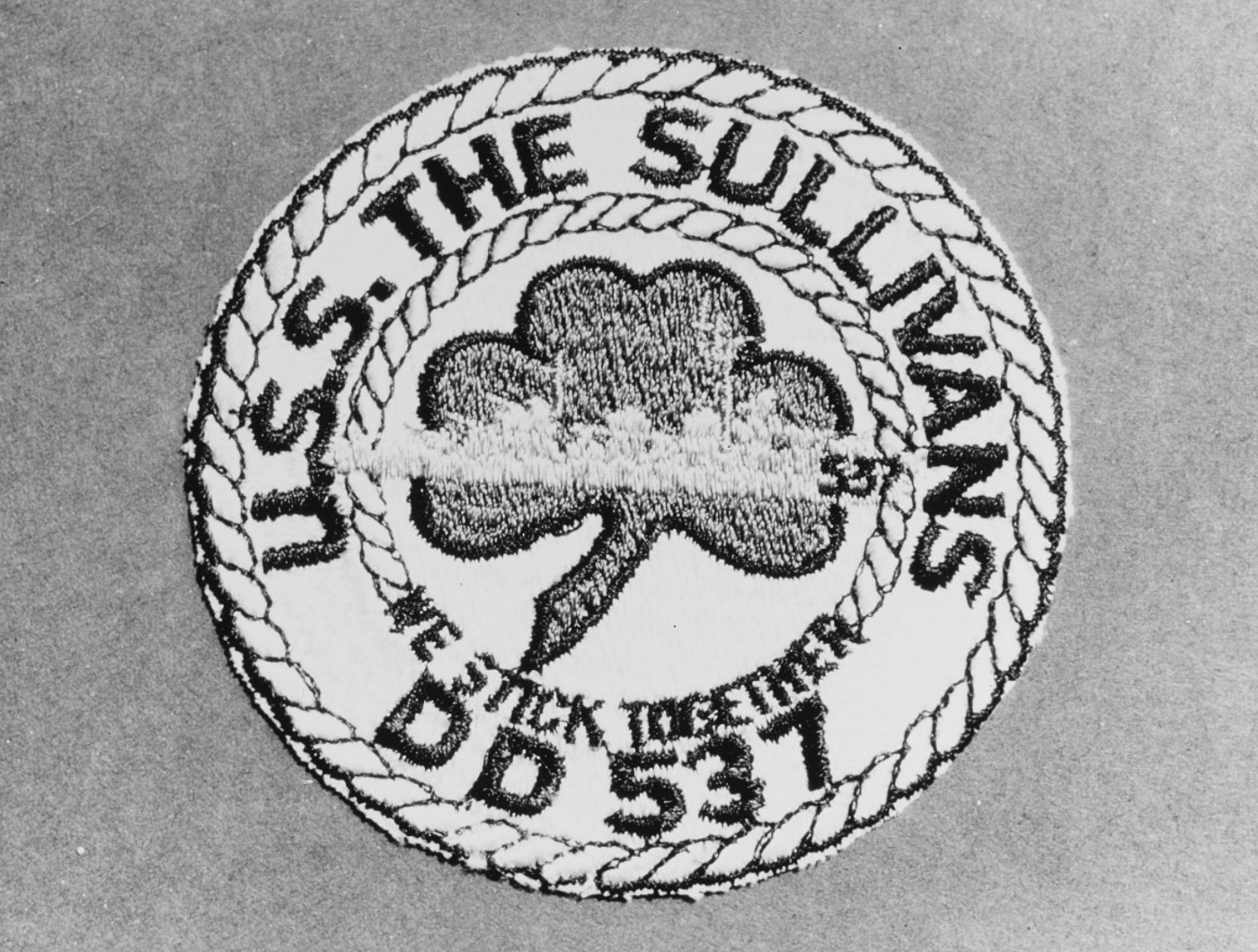
Following the deaths of the five Sullivan brothers, the United States Navy announced it would honor their memory by naming a Fletcher-class destroyer in their honor. Originally laid down as Putnam just a month before the sinking of USS Juneau, the ship’s name was initially changed to Sullivan. At the behest of President Roosevelt, the name was changed to honor all five brothers.
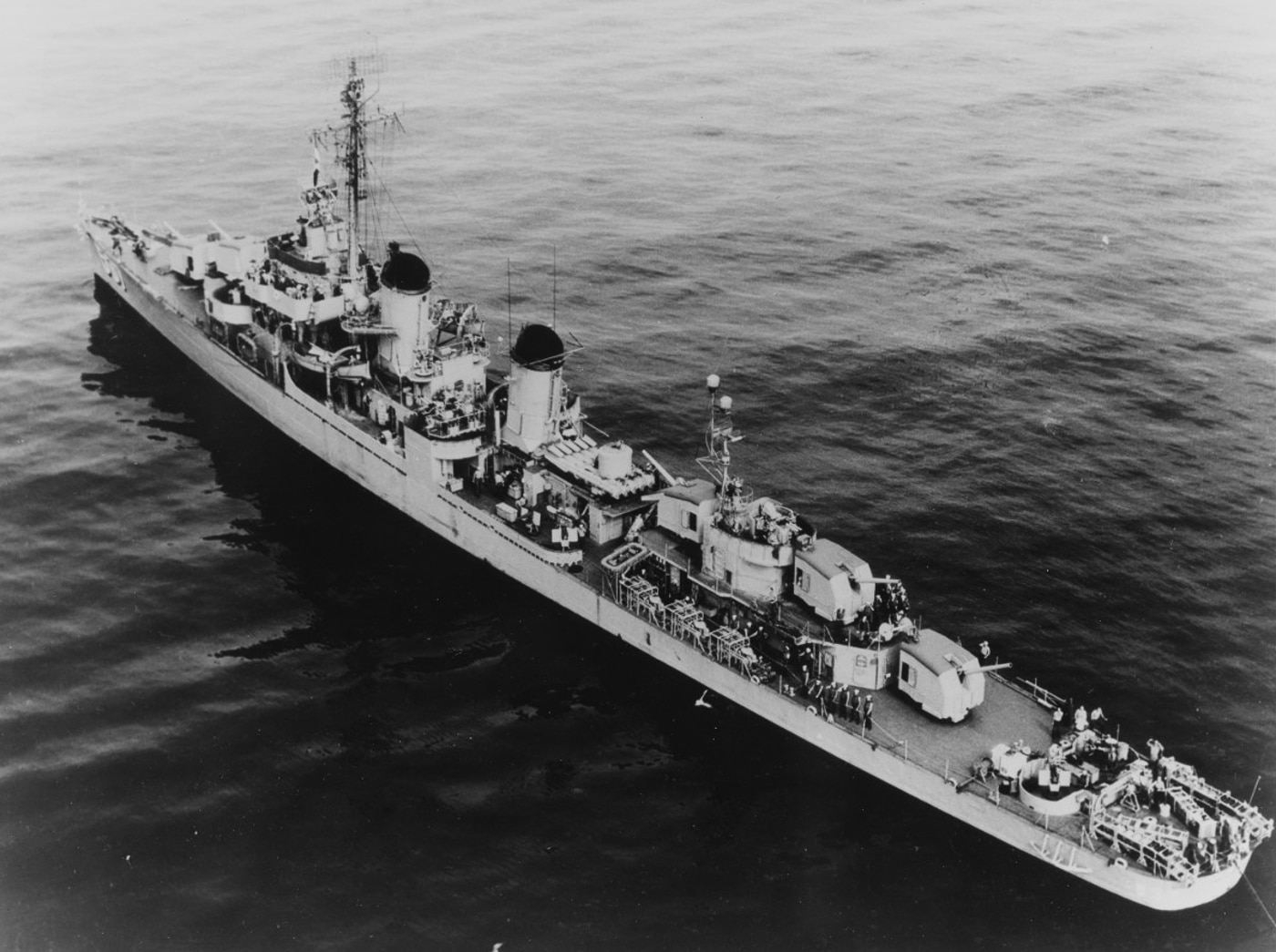
USS The Sullivans (DD-537) became the first vessel commissioned by the United States Navy to honor more than one person. Alleta Sullivan was the ship’s sponsor, and the destroyer was given the most fitting of mottos: “We Stick Together.”
DD-537 was commissioned in September 1943 and, following a shakedown and training operations, joined Battleship Division (BatDiv) 9 in early 1944, where she was part of the U.S. Navy’s protective screen for the aircraft carriers USS Essex (CV-9), USS Intrepid (CV-11), and USS Cabot (CVL-22) as the flattops launched nearly continuous raids on the Japanese-held Kwajalein Atoll.
The warship went on to see action in the Battle of the Philippine Sea, engaging Japanese aircraft, and later supported the Leyte landings. The destroyer took part in the U.S. Navy’s invasion of Okinawa while then serving as an escort for USS Enterprise (CV-6). Her last combat operations of World War II occurred in May 1945, after which USS The Sullivans returned to Mare Island, California, for an overhaul — missing the final combat activity of the war.

Live The Armory Life. The latest content straight to your inbox plus an automatic entry to each of our monthly gun giveaways!
Sent to the Pacific Reserve Fleet after the end of World War II, USS The Sullivans was recalled to duty during the Korean War, serving in the screen of fast carriers that supported United Nations (UN) ground forces. As part of the U.S. Navy’s Cold War fleet, the destroyer took part in the U.S. naval blockade of Cuba in October 1962 and was among the vessels that played a role in the investigation following the loss of the nuclear-powered submarine USS Thresher (SSN-593) off the coast of Boston in April 1963.
USS The Sullivans was decommissioned on January 7, 1965 — but remained in the reserve fleet until she was stricken from the Naval Vessel Register in December 1974. The destroyer named for the five brothers who made the ultimate sacrifice for their country received nine battle stars for World War II service and two more for Korean service.
Among the U.S. Navy sailors to serve on USS The Sullivans was James Sullivan, son of youngest brother Al.
Saved as a Museum Ship
In 1977, the retired destroyer — along with the cruiser USS Little Rock (CG-4) were sent to the city of Buffalo, New York, to serve as a floating museum. Today, USS The Sullivans is one of just four surviving Fletcher-class destroyers, along with USS Kidd (DD-661), which is now in Baton Rouge, Louisiana; USS Cassin Young (DD-793), in Boston; and the Greek Navy’s Velos (D16), the former USS Charrette (DD-581), in Palaio Faliro, Greece.
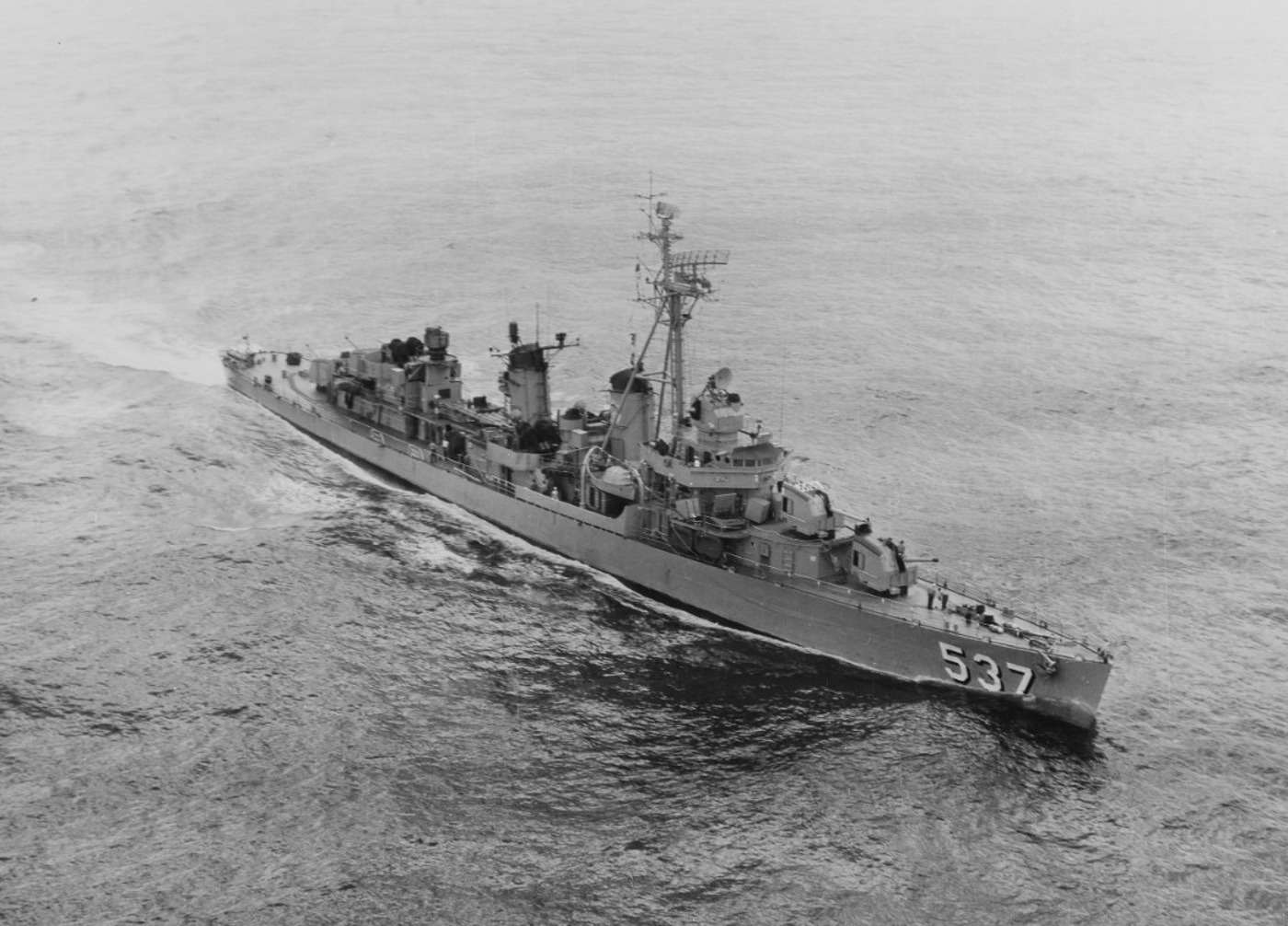
However, the nearly five decades in the water, along with Buffalo’s harsh winters and hot summers, had taken their toll on the historic vessel. In April 2022, the situation became so bad that USS The Sullivans partially sank at her mooring at the Buffalo & Erie County Naval and Military Park. Though the destroyer was eventually refloated and multiple holes in her hull were patched, it was clear more needed to be done.
At issue was the cost.
Last fall, Governor Hochul announced the Empire State would provide $10 million, helping the military park reach the estimated $21 million needed to send the ship and its Gato-class submarine USS Croaker (SS-246) to dry-dock for much-needed repairs. Current plans call for the vessels to head to a repair facility in the fall of 2025, with the work expected to be completed by the spring of 2026. The efforts will ensure USS The Sullivans continues to pay homage to the brothers, as well as the other sailors who served in the U.S. Navy during World War II, Korea, and the Cold War.
The Second USS The Sullivans
Though USS The Sullivans was the first U.S. warship to be named for more than a single person, it wasn’t the last — and a second vessel honoring the brothers is now in service.
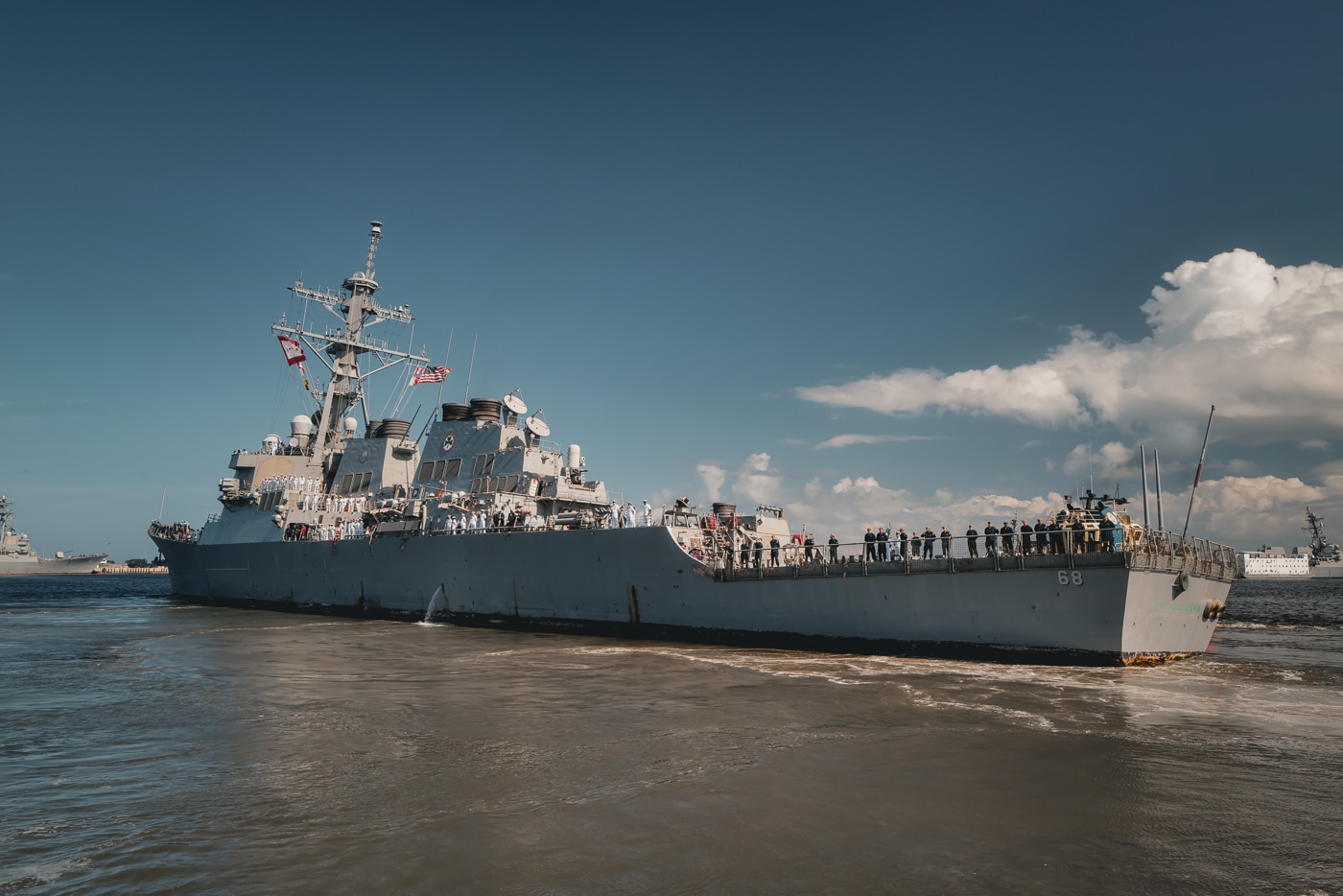
The Arleigh Burke-class Aegis guided-missile destroyer (DDG-68) was built by Bath Iron Works in Bath, Maine, and launched in 1995 with Kelly Ann Sullivan, granddaughter of Al Sullivan, as the ship’s sponsor. The vessel was among the escorts of the Royal Navy’s flagship, HMS Queen Elizabeth, during her 2021 deployment to the Indo-Pacific. USS The Sullivans (DDG-68) has been among the U.S. Navy warships sent to the Middle East to bolster the deterrence posture in the region.
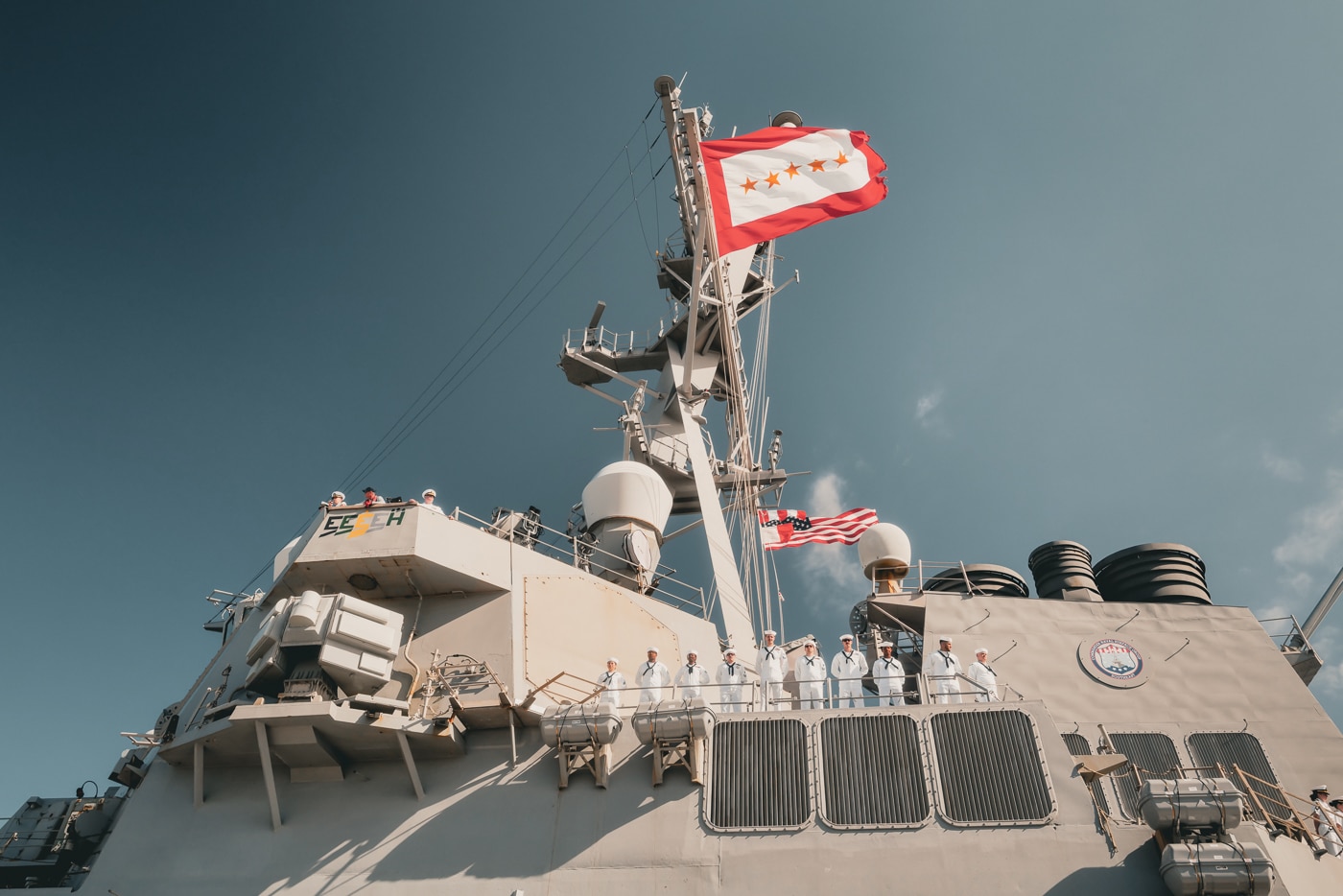
As with the now-retired destroyer, the motto of the current USS The Sullivans remains “We Stick Together.”
Editor’s Note: Please be sure to check out The Armory Life Forum, where you can comment about our daily articles, as well as just talk guns and gear. Click the “Go To Forum Thread” link below to jump in and discuss this article and much more!
Join the Discussion
Go to forum thread
Read the full article here