




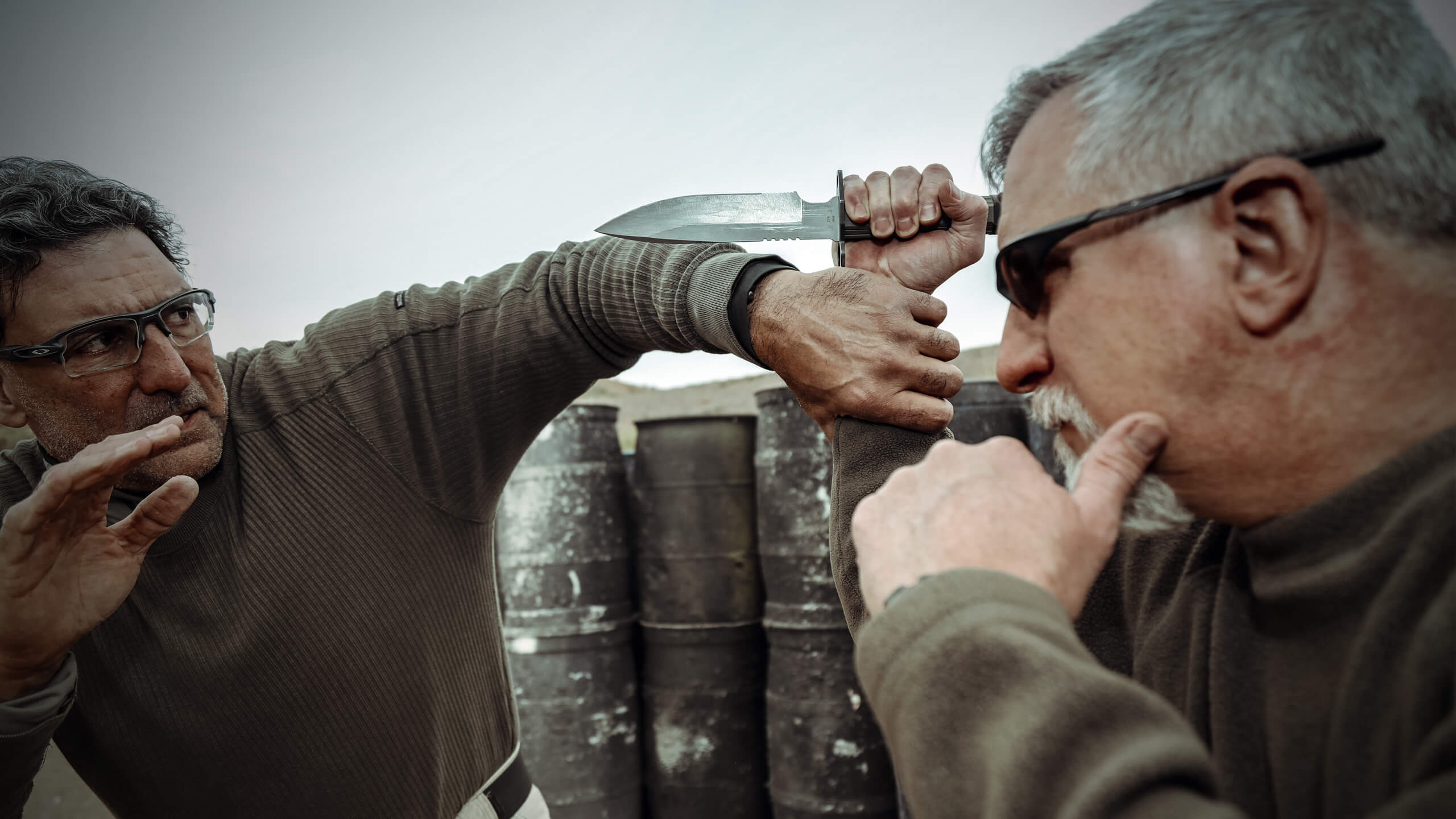
The more you ask of your brain, the slower your per-task performance is — with or without a gun. This is known as the Psychological Refractory Period (PRP), but why does it slow you down, especially in a fight for your life? And, how can you reduce the effects of PRP?
First published by AT Welford in the British Journal of Psychology in 1952, PRP is defined by the American Psychological Association (ASA) as the period after response to a stimulus during which response to a second stimulus, presented shortly after the first, is delayed.
Practically applied, with any physical action such as striking in the martial arts, street fighting or shooting (defensive or competitive), PRP is a factor that impacts your performance.
Where It Counts
Referencing a hand-to-hand altercation, if someone throws a punch straight at your soup-coolers, your choices are to stand there and take it, move out of the way, or deflect/parry/block it with your hands. If you decide to deflect it (first action) and then hit him in the mouth with your right hand (action two) and then your left hand (action three), then it would take you longer to execute action one. Omitting actions two and three allow your first action maximum focus and therefore takes less time to execute.
The same applies to defensive or competitive shooting. Let’s say you have three targets (T1, T2 and T3) and your task is to hit T1 from the holster with one round. On demand you can execute this in 1.5 seconds.
In another scenario if you are tasked with hitting T1 and then T2 also with one round, your first round will take longer (perhaps 1.65) and with a transition of say .50 seconds.
In a 3rd scenario where you are tasked with placing one round on each of the three targets from the holster, your first round may take 1.75 with an additionally increased T1-T2 transition of .60 seconds.
PRP is a measurable phenomenon that adds time to your initial physical actions. How can you reduce its effect on your performance? By moving it to your subconscious, decreasing your reaction time and gaining consistency.
Your Subconscious Mind
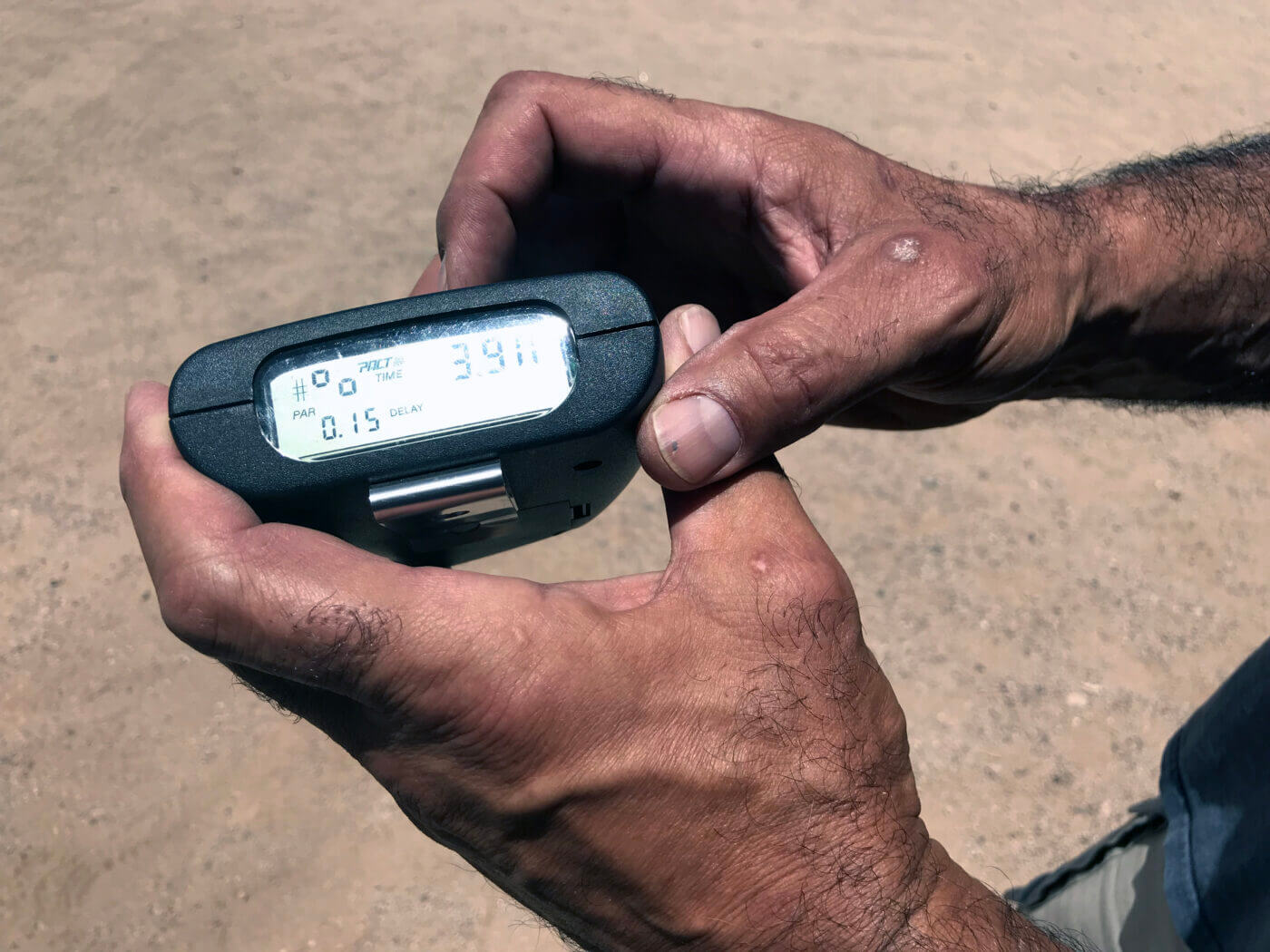
Back in the days when I was training with my martial arts masters, it was not uncommon to practice a technique for thousands of repetitions before you truly “got it.” It is common knowledge that you cannot achieve optimal hand-to-hand speed, accuracy and timing unless that trained skill is moved from your conscious mind to your subconscious mind.
Applied to shooting, imagine standing at the 10-yard line in front of a 6” steel plate. Now mentally visualize drawing your pistol from your holster, building a stable grip, aligning the muzzle exactly with your intended target and placing a round precisely in the center of that plate without disturbing muzzle orientation in any manner whatsoever — and all in under one second.
Those who can comfortably repeat that task on-demand will tell you that because of the many sub-tasks that must be performed in perfect sequence with perfect timing, it cannot be done at the conscious level in such a compressed time because it would take you longer to think about it than to execute it. Pushing your physical skills to the subconscious level eliminates any wasted processing time.
Reaction Time
In developing any type of hard skill (to execute a kick, punch, draw stroke or block an incoming strike), you must first receive either a visual or audio “go” stimulus.
Acknowledging that stimulus and then running the physical process on demand requires that your brainbox send the message electronically to your nervous system to operate the appropriate body parts. All of this takes time. Although we all have different reaction times, it takes a measurable amount of time to initiate a physical movement. A recommended way to reduce this amount of time is to train specifically in stimulus-response.
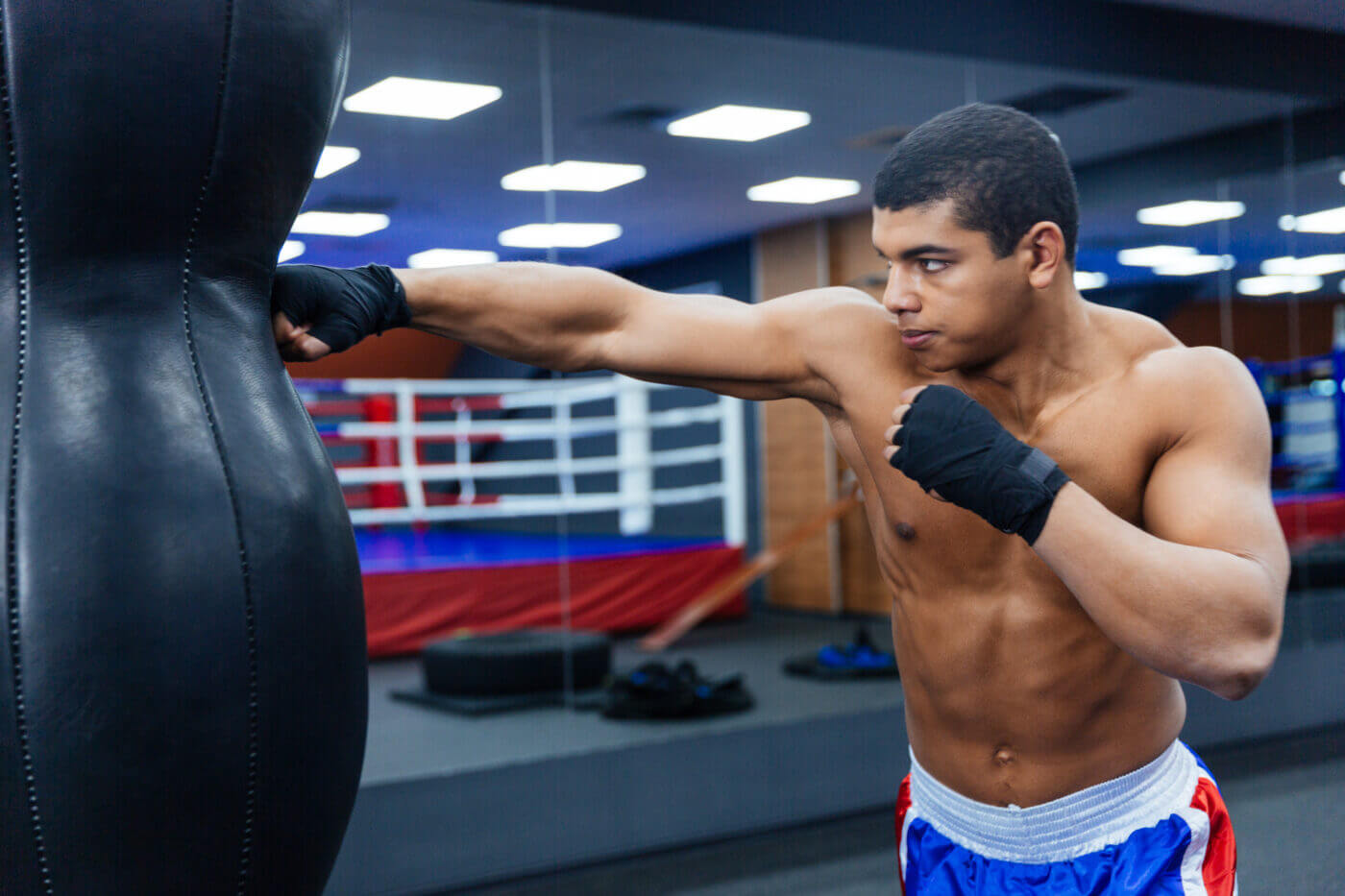
In the martial arts this can be accomplished by standing in front of a heavy bag and waiting for a visual or audio cue to strike the bag. On the range you can utilize your shot timer to tell you when it’s time to move. Either way this type of active stimulus-response training with focus on your immediate response can reduce your reaction time.

Live The Armory Life. The latest content straight to your inbox plus an automatic entry to each of our monthly gun giveaways!
Repetition
The old saying “practice makes permanent” exactly applies to developing your physical skills. If you train to “do it slowly and carefully” then can you guess what your end-result performance will be? Conversely if you practice pushing how hard you can run the process (punching, kicking, shooting, etc.), now you’re not missing any steps, or training yourself to move slowly, and eventually the entire process becomes more comfortable and repeatable.

Completing each step in the process at the right time and in the right order is what makes experts get it right most of the time and at the very upper levels where professionals can’t get it wrong. Perfect repetitions, perfectly executed and then pushing that process is what allows you to hammer the reps needed to give you that comfort and repeatability.
Conclusion
The psychological refractory period may be an undeniable factor impacting your performance especially under duress, but you can significantly reduce that impact by pushing your trained skills to the subconscious, reducing your overall reaction time and stockpiling quality repetitions.
Editor’s Note: Be sure to check out The Armory Life Forum, where you can comment about our daily articles, as well as just talk guns and gear. Click the “Go To Forum Thread” link below to jump in!
Join the Discussion
Read the full article here