




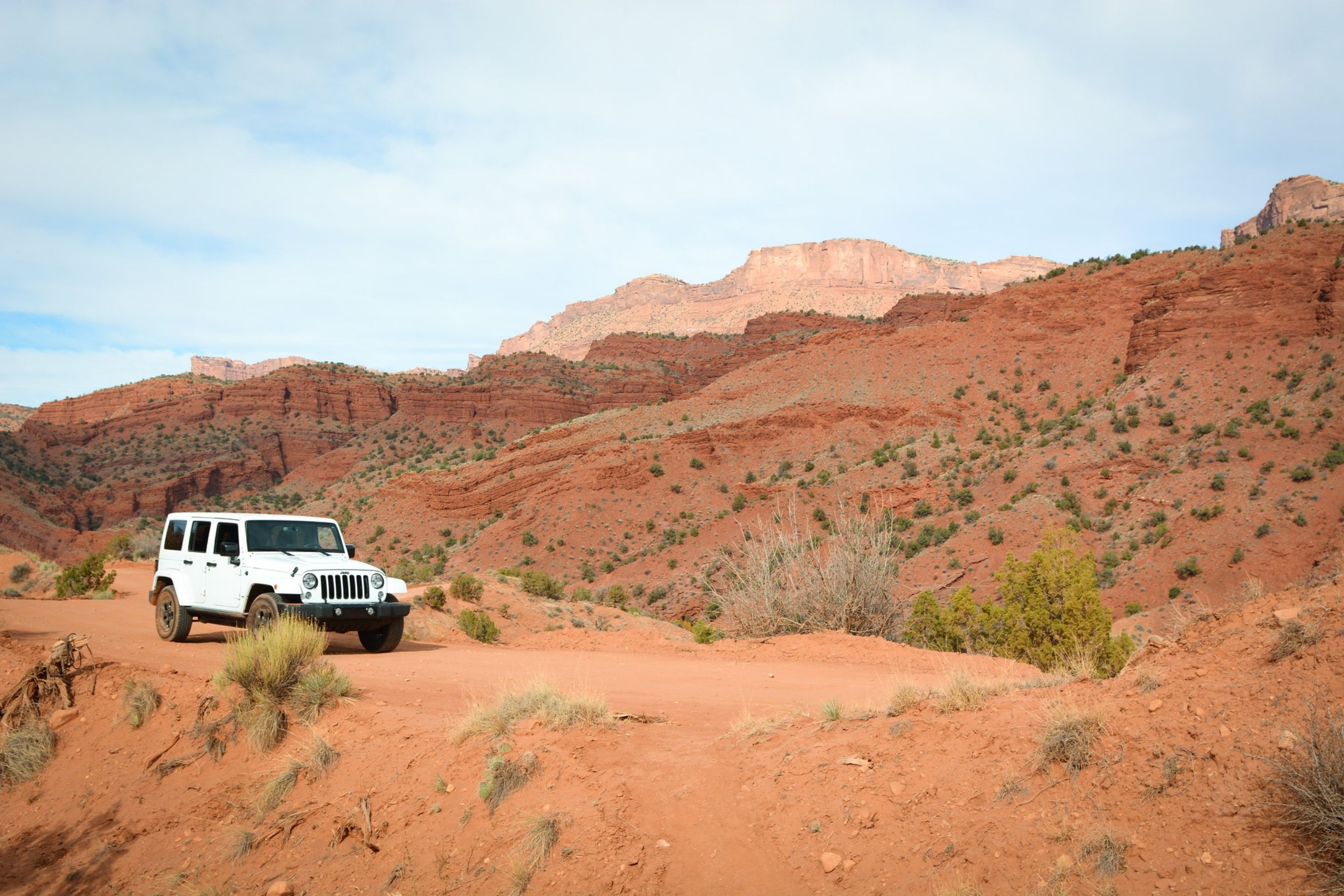
Zion National Park is consistently one of the nation’s most popular national parks. With nearly 5 million visitors in 2025, during peak season, it’s become nearly impossible to reserve a campsite in or near the park.
Recently, however, the Bureau of Land Management (BLM) proposed major changes to camping along public lands near Zion, and the plan is sparking controversy. If implemented, the plan would cover nearly 14,000 acres of public land in Utah and shape the future of access in the American West.
The Proposal
In March, the BLM announced it would adopt a new campground management strategy for public lands along SR-9. This road is a major thoroughfare and the primary route to Zion. The public land in question includes popular areas such as the Hurricane Cliffs Recreation Area, the Gooseberry Mesa National Recreation Trail, the Canaan Mountain Wilderness, and the Smithsonian Butte National Back Country Byway.
For years, people have been able to access free dispersed camping in these areas. Essentially, provided people follow certain regulations (like staying 200 feet from water sources and at least 1 mile from the trailhead), they can camp wherever they like for free, with no reservations or permits.
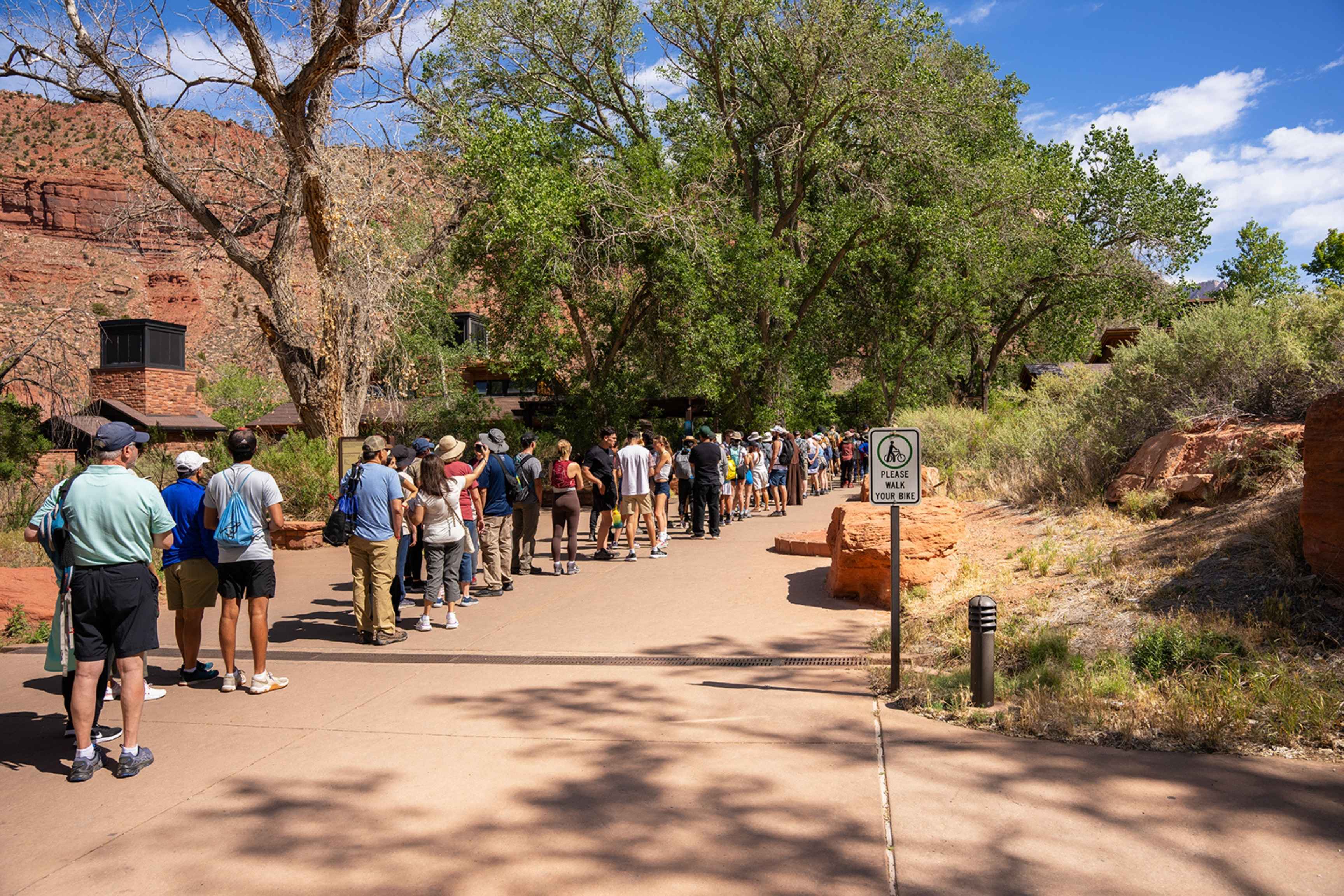
Zion National Park can see up to 19,000 visitors a day during the peak summer season, but it only has 321 available campsites within the park. With campsites in such short supply, dispersed camping along SR-9 has been a primary way for people to stay near the park.
The new plan has two major prongs. First, it would establish two fee-based, BLM-run campgrounds near Zion. According to BLM documents, the campgrounds would include basic amenities like vault toilets, dumpsters, fencing, tent pads, picnic tables, and shade structures.
One campsite would be located in a former sandstone quarry. “This approach allows BLM to leverage the disturbed area for campground development, minimizing resource impacts rather than disturbing new land,” the proposal documents explained.
The BLM estimates that the Flagstone Quarry Campground could be as large as 109 acres and contain 150 designated campsites. The second new campground, Gooseberry Mesa, would occupy about 80 acres and offer 80 campsites.
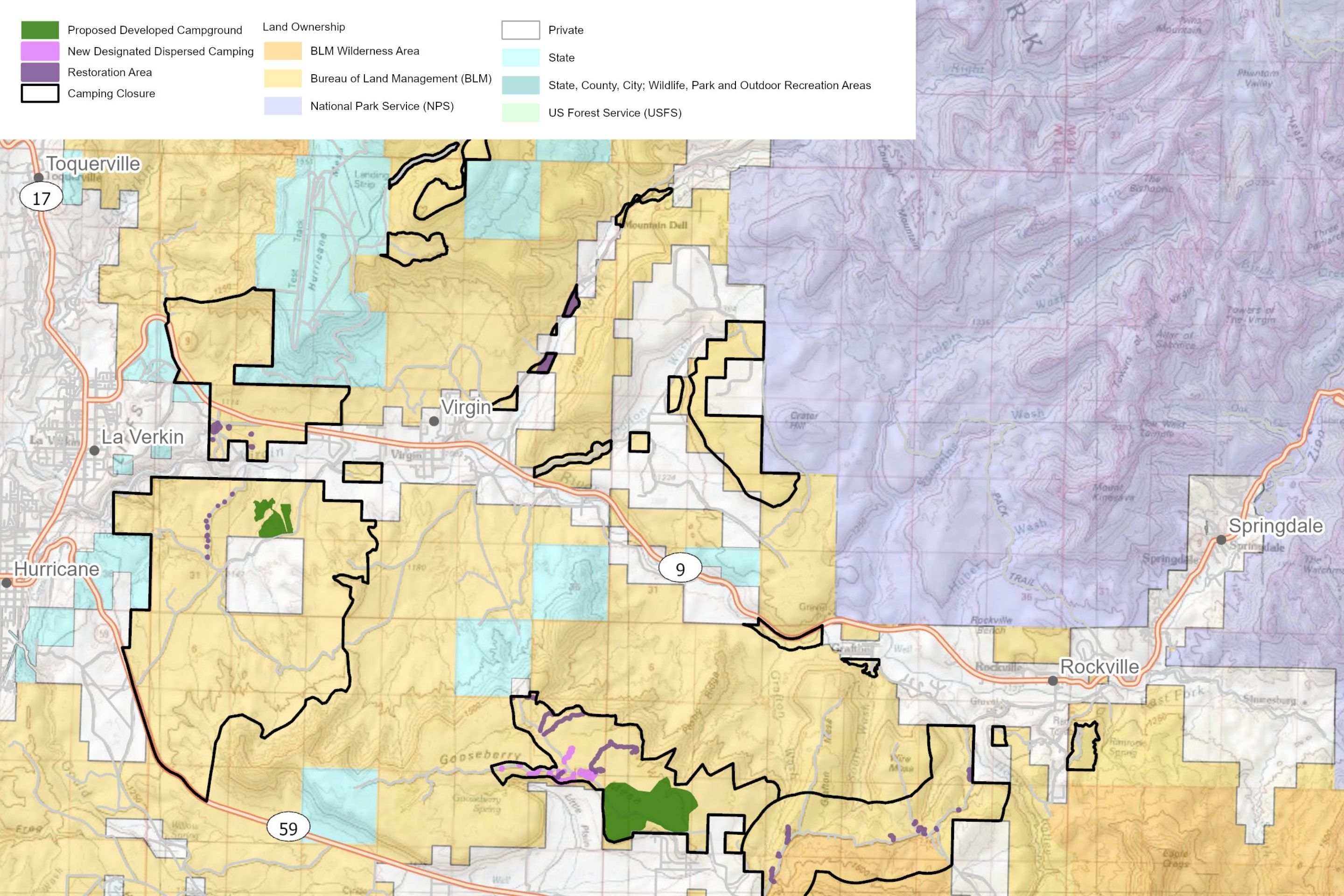
The second prong is the more controversial of the two. The plan would ban dispersed camping within nearly 14,000 acres of public land. The only exception is 30 “designated dispersed” camping sites. Currently, there are 56 designated sites. The BLM would close 30 of these and establish additional new ones.
“BLM’s current intent is to maintain these designated dispersed campsites free of charge to the public. However, the agency retains the discretion to establish fees in the future, if necessary, in accordance with applicable laws and public involvement processes,” the BLM said.
Why Ban Dispersed Camping?
Given how few established campgrounds there are in this highly visited region, dispersed camping has become a widespread practice. The primary reason the BLM cited for banning nearly all dispersed camping in these areas was environmental impact.
“Resource impacts from dispersed camping on BLM lands in the Project Area have proliferated as visitation and recreational use increase. BLM monitoring and satellite imagery indicate large areas of soil compaction and destruction of vegetation. An abundance of user-created fire rings, trash, and human waste are common in areas that experience reoccurring dispersed camping use,” the BLM explained.
The plan’s closure of 30 designated dispersed campsites, totaling 8.7 acres, will allow the BLM to restore these areas and minimize past visitor damage. All told, the BLM hopes to environmentally restore 59.4 acres.
The leading principle behind the plan is to concentrate camping in “previously disturbed areas to the maximum extent possible to minimize impacts.” In the BLM’s eyes, it’s better to put camping in a former quarry (which already disturbed the natural habitat) than to allow widespread dispersed camping in more untouched backcountry areas.
Why Is This Controversial?
A primary opponent of the plan is the Blue Ribbon Coalition (BRC), a recreation access nonprofit. In a press release, the organization blasted the BLM’s efforts.
“Every campsite lost in this process is one that does not come back. The ‘restoration’ is permanent. The closures are permanent. The developed campgrounds that are supposed to replace what was lost are not guaranteed, often underfunded, and may take years to build if they get built at all. The SR9 decision itself acknowledges that the planned campgrounds will only be constructed if future funding becomes available,” it said.
The BRC also views dispersed camping as an affordability issue. “For many users, dispersed camping is the only affordable way to access the outdoors … It serves families on tight budgets who cannot afford $40 to $60 per night at a developed campground, assuming one even has availability. In peak season at popular destinations like Zion, developed campgrounds book out months in advance. Dispersed camping is the pressure valve that keeps the system functional for everyone.”
Additionally, the BRC said this is part of a larger BLM strategy to eliminate dispersed camping altogether. It cited past examples in which the BLM has banned or limited the practice in other areas, such as Beas Lewis Flat and Wedge Overlook in the San Rafael Swell. In the BRC’s view, less dispersed camping concentrates campers in fewer and fewer areas, which the BLM then cites as evidence to ban it outright and only allow fee-based camping.
GearJunkie reached out to the BLM for comment about BRC’s objections, but did not receive a response by the time of publication.
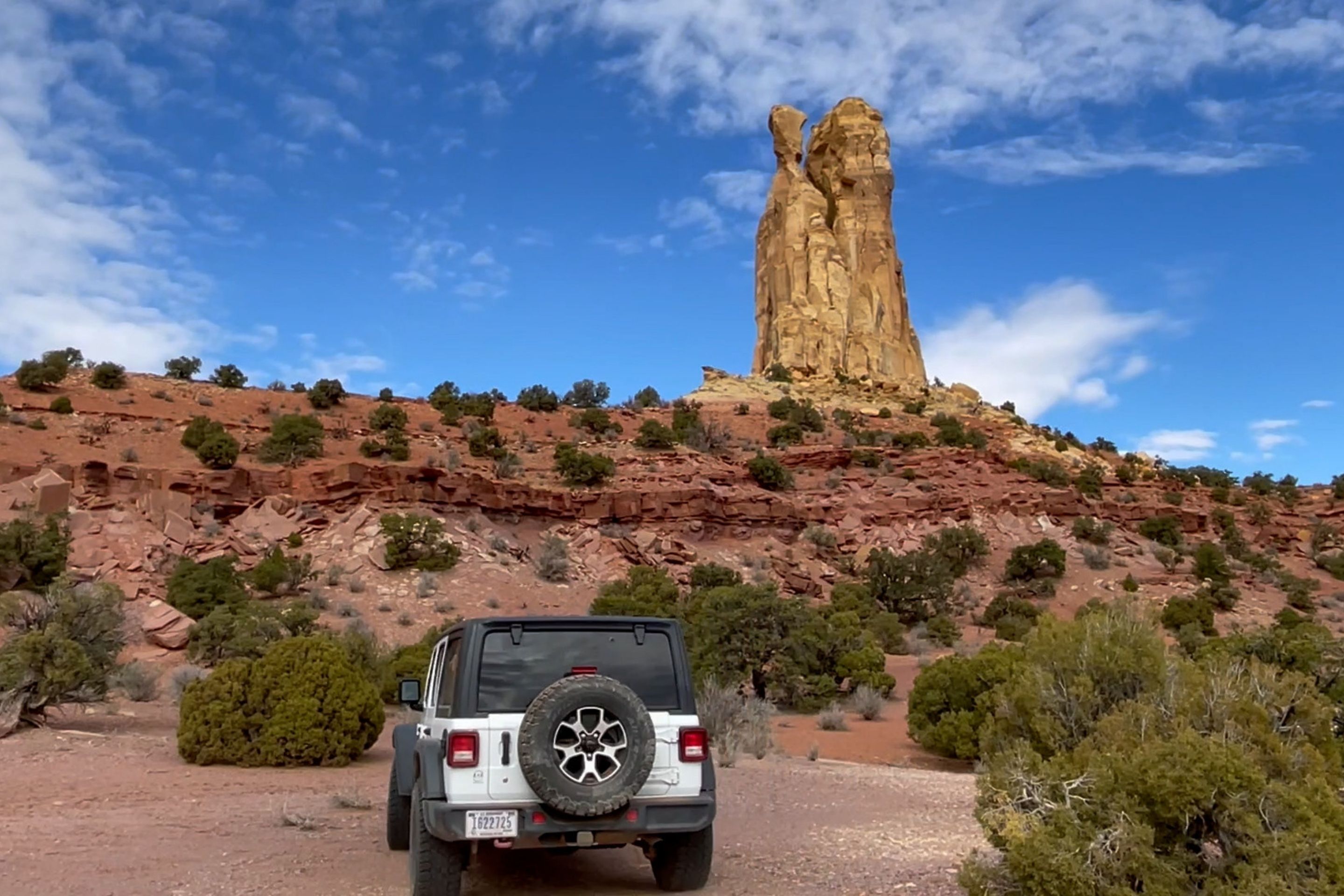
In the first open public comment period last December, the BLM received similar critiques that the loss of dispersed camping would lead to overcrowding. “In most cases, camping closures would be implemented in conjunction with the development and availability of new camping infrastructure, ensuring that alternative camping opportunities are provided before restrictions take effect,” the agency responded.
Some commenters suggested that, instead, the BLM should charge a nominal $1 fee to reserve dispersed camping online, which would let them cap the number of visitors. In response, the BLM said that the idea was “operationally infeasible.”
The plan does have the support of public lands nonprofits, such as the Southern Utah Wilderness Alliance (SUWA). Since 2021, the group has been calling for the BLM to direct “recreationists to existing frontcountry sites” rather than dispersing them over large land areas.
“To maintain healthy functioning ecosystems, preserve biodiversity, and mitigate impacts from climate change, scientists say that we need to protect more land, and the benefits increase dramatically when we protect large landscapes that connect ecosystems and wildlife habitat. BLM’s [existing] dispersal management strategy is causing increased fragmentation of important, connected landscapes,” it said in a public letter.
GJ also reached out to the SUWA, Utah Chapter of the Sierra Club, and Trust for Public Land about these potential changes, but did not receive any responses.
What’s Next
The management plan is in its final stage before implementation: the appeal period. Until April 22, the public can file an appeal with the Interior Board of Land Appeals. This review body for the Department of the Interior has the final say over BLM projects.
Read the full article here