




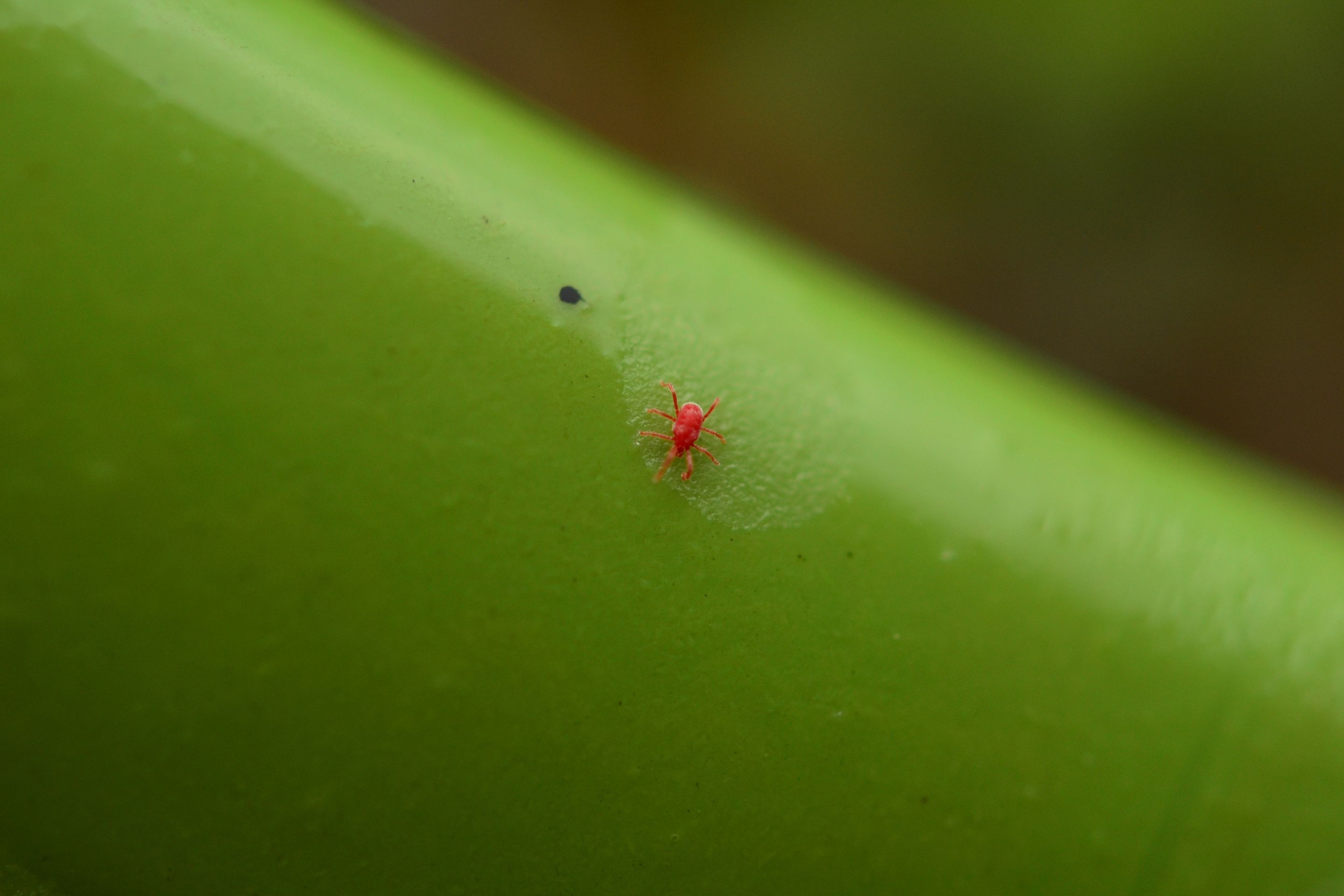
Every outdoors person knows about ticks and mosquitoes. However, if you’re headed to the Midwest or South anytime soon, you’ve got to be on the lookout for another pest: chiggers.
While these small mites don’t carry disease, they cause severe itching that can easily ruin a trip. Here’s everything you need to know about avoiding and treating bites from these pesky bugs.
What Are Chiggers?
Chiggers (whose scientific name is Trombiculidae) are small red mites, also known as berry bugs, bush-mites, red bugs, or scrub-itch mites. Especially in their early life cycles, they’re tiny and may be impossible to see.
After chiggers hatch, the larvae feed on the skin tissue of humans or animals.
“The chigger larva will release a liquid chemical into your skin to kill skin cells (digestive enzyme). The dead skin cells form a tiny straw (stylostome) for the chigger to drink your skin tissue,” explains the Cleveland Clinic. They fall off their hosts once they become adults.
What Do Chiggers Cause?
Fortunately, unlike ticks, chiggers in North America don’t carry any diseases. However, if you’ve ever gotten bitten by one, you know just how itchy they can make you. It’s that digestive enzyme they inject that causes such intense irritation and itching.
The bites cause a red, spotted rash that can get infected if you scratch it too much. The most intense itching occurs in the initial 24 to 48 hours, but it can last up to 2 weeks.
How to Avoid Chiggers & Administer Treatment
Chiggers love damp, shady areas like grasslands, swamps, berry bushes, dead trees, leaf litter, and brush. They’re most widespread in spring and summer in humid areas from the Midwest to the Southeast, stretching from Texas to Florida, and from Minnesota down to Arkansas.
If you plan on visiting the outdoors in those regions, be sure to wear long pants and use insect repellent. Avoid sitting on fallen logs and stay away from high grass. After recreating in these areas, the NPS suggests showering immediately and washing your clothes.
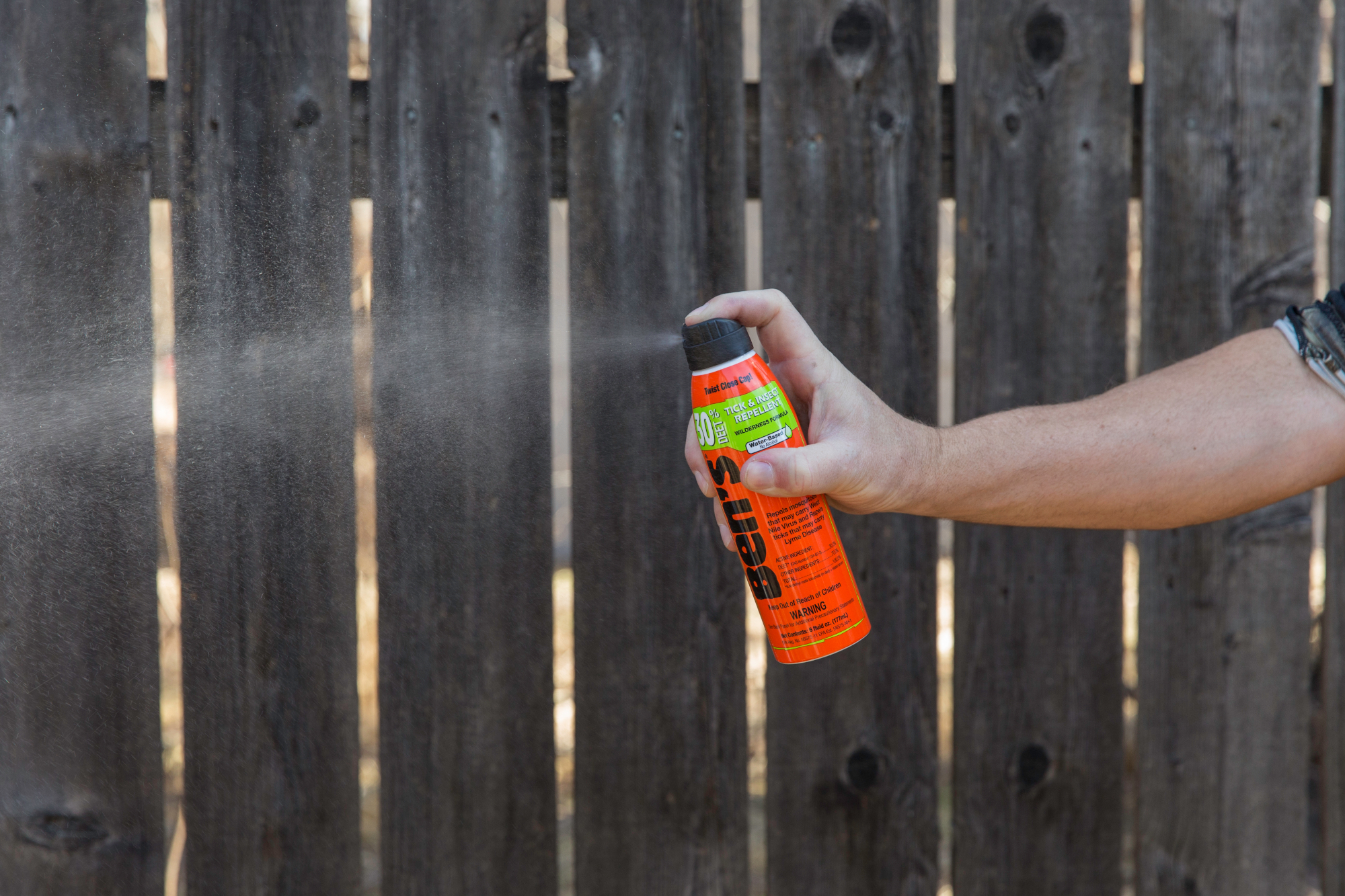
You can also consider wearing permethrin-treated clothing. This odorless, contact-based synthetic insect repellent is derived from chrysanthemum flowers and deters biting by disrupting insects’ nervous systems. Multiple brands, including Farm to Feet and ExOfficio, sell permethrin-treated socks, pants, and shirts.
When it comes to treating bites, there’s not much you can do to speed up the process. Essentially, you’ve got to wait for the chiggers to mature and fall off.
To relieve itching, use antihistamine ointments and other anti-itch treatments. A colloidal oatmeal bath is a natural remedy that can help as well. Only use an antiseptic if the bites become infected due to itching.
There’s a widespread idea that applying nail polish to chigger bites will suffocate them and thus reduce itching, but that’s a myth. Plan ahead, shower immediately, and don’t let the chiggers ruin your outdoor fun.
Read the full article here