




The best sun shirts act like wearable shade, protecting your skin while staying cool and breathable.
To finalize this year’s rankings, three testers — GearJunkie Editor Chris Kassar, lead tester Ryan Kempfer, and contributor Rob Simpson — put 10 sun shirts through a grueling nine-month cycle. From Utah’s arches to the mosquito-heavy tundra of Katmai, Alaska, we logged more than 100 days and 400 miles on trail to find the best layers.
We crowned the technical Black Diamond Alpenglow Pro Hoody as our best overall pick for its standout mix of protection, mobility, and versatility. Meanwhile, the Patagonia Capilene Cool Daily Hoody earned our budget award for delivering reliable comfort and coverage at an approachable price.
Over the past decade, our team of seven experts has vetted more than 50 sun shirts.
Editor’s Note: We updated our Sun Shirts guide on April 18, 2026, adding the Outdoor Research Echo Hoodie as our top lightweight pick and the Royal Robbins Salathe Sun Hoodie for its standout bug-repellent utility.
The Best Sun Shirts of 2026
Materials
92% nylon, 8% elastane
Weight
6.7 oz. (men’s medium)
Anti-odor treatment
HeiQ Pure Odor Control Treatment
Pros
- Super-stretchy fabric
- Longer cut stays tucked under a harness or pack
- Breathable and quick-drying
- Well-designed features: thumb loops, zippered chest pocket, hood
Cons
- Pricey
- Not as soft as some others
- Durability questions
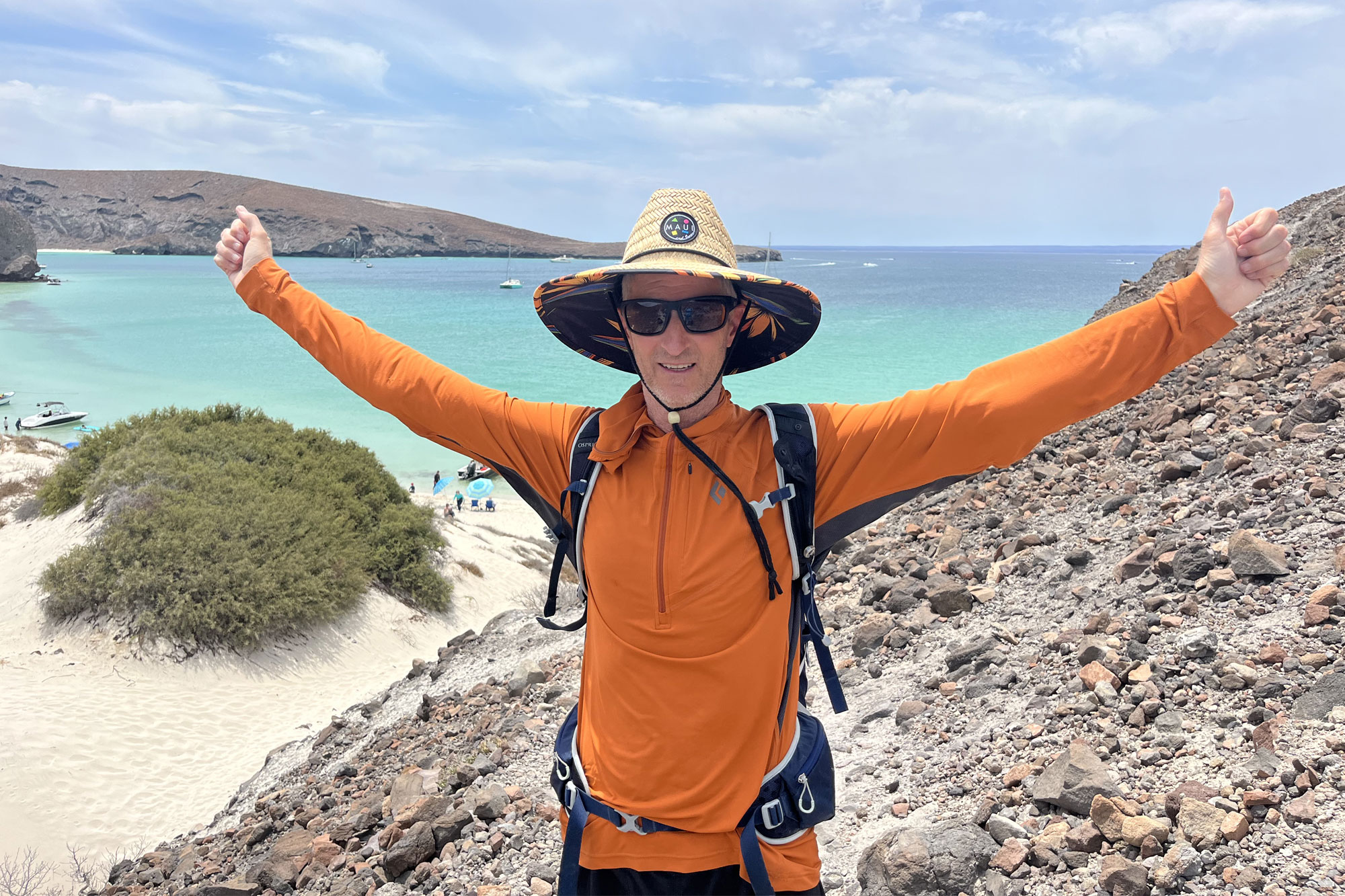
The Black Diamond Alpenglow Pro Hoody ($149) is one of the most versatile, technical sun shirts we’ve tested — and it just feels badass to wear. With its streamlined fit, stretchy fabric, and dialed features, this hoody quickly became a go-to for everything from kayaking in Baja to scrambling ridgelines in Wales. The helmet-compatible hood offers standout coverage without fuss, and a zippered chest pocket adds practical storage you won’t want to live without.
UPF 40 protection shields your skin from brutal sun exposure, and the breathable fabric dumps heat well, even in the midday desert sun. The Alpenglow Pro also shines in high-output activity thanks to its excellent mobility and well-designed thumb loops that stay put without bunching or restricting movement. The longer fit helps keep it tucked under a harness or hipbelt, making it a favorite for climbers and backpackers alike.
There are some trade-offs. The fabric, while breathable and durable enough for most adventures, isn’t the softest against bare skin and can feel a bit clingy when sweaty. And at $149, it’s one of the more expensive sun shirts on the market, especially considering some light pilling and minor snags showed up after several months of wear.
Still, if you spend serious time outside and want a shirt that keeps up, whether you’re chasing summits, navigating slot canyons, or pushing hard on a trail run, the Alpenglow Pro Hoody delivers. It’s a premium pick that backs up its price tag with smart design, solid performance, and a fit that makes you feel like you’re ready for anything.
Materials
50-100% recycled polyester (depending on color)
Weight
6.3 oz. (Men’s medium)
Pros
- Odor control keeps funky smell at bay
- Generous hood fits well with or without helmet
- Internal sewn loop for hanging shirt comes in handy all the time
- Lightweight
- Great overall fit
Cons
- A little warm for really hot days
- UPF rating isn’t listed
If you’re after a no-frills sun hoody made with recycled materials and legit odor-fighting power, the Patagonia Capilene Cool Daily Hoody ($70) is worth a look. We put this shirt through months of use, from late-winter ski tours in Colorado to long, sweaty days under the Baja sun, trail running, kayaking, and surf fishing.
To test Patagonia’s HeiQ Mint odor control, we took an aggressive approach: sweat through backcountry ski laps, toss it in the dirty laundry, forget about it for a few days, then do it all over again. The result? It smelled surprisingly fresh; definitely better than most other shirts we tested under similar abuse.
The hood is generous but well-shaped, fitting comfortably with or without a helmet, and we appreciated small details like the internal hang loop. On especially hot Baja days, we swapped it out for something lighter like the Mountain Hardwear Crater Lake, but the Capilene held its own for most conditions.
Our only real knock is the uncertainty around the UPF rating. Patagonia doesn’t list it clearly in the description, and we found a UPF recall article that may explain it. This article suggests it has a rating of 17-45 UPF, but we’re trying to get a clear explanation of the current situation directly from the brand.
For the price, it’s one of the best values in the lineup. If you run hot and need a breathable, funk-resistant layer that won’t break the bank, this one’s a winner.
Materials
88% polyester / 12% spandex
Weight
5.5 oz. (Men’s medium)
Pros
- Very lightweight fabric
- Arm gussets allow for plentiful mobility
- Top-notch hood
Cons
- Stitches show minor wear after a few uses
One of the lightest hoodies on this list, the Mountain Hardwear Crater Lake ($80) punches above its weight in both performance and value. At just 5.5 ounces in a men’s medium, it feels incredibly light and breathable, perfect for high-output activities in full sun.
Despite its featherweight fabric, the Crater Lake still delivers a full UPF 50+ rating, making it a go-to for long alpine hikes, trail runs, and sunny approaches. Even under a heavy pack, it breathes well and rarely gets bogged down with sweat. The fabric dries quickly and maintains its soft, next-to-skin comfort, even when soaked.
Armpit gussets and a touch of stretch provide great freedom of movement for climbing, paddling, or scrambling. The fit is athletic but forgiving, staying close to the body without feeling clingy or restrictive. We recommend sticking with your normal shirt size for the best all-around performance.
Both the men’s and women’s versions include thumb loops, but only the women’s version adds a ponytail-friendly opening in the hood. If you’re looking for a minimalist sun shirt that keeps you cool and covered without weighing you down, the Crater Lake is hard to beat.
UPF
15 (light colors) / 20 (dark colors)
Materials
100% Recycled Polyester (bluesign® approved)
Weight
5.2 oz. (Men’s Medium)
Anti-odor treatment
ActiveFresh Odor Control
Pros
- Exceptionally breathable and fast-drying
- Soft, barely-there feel with true four-season versatility
- Packs down tiny and resists odor well
- Angled thumbholes stay comfortable and keep sleeves in place
Cons
- Lower UPF rating than many competing sun shirts
If there’s a sun shirt that feels closer to wearing nothing at all, we haven’t found it yet. Tested over a full year —from standup paddleboarding on the Snake River and spring ski tours in the Tetons to bear-viewing trips in Alaska — the Outdoor Research Echo Hoodie ($85) exceeded our expectations across the board. It’s the lightest, airiest sun shirt we tested, offering just enough coverage to take the edge off the sun and shifting mountain weather without ever weighing you down.
At just over 5 ounces, the buttery-soft fabric breathes exceptionally well, moves moisture quickly, and effectively fights odor on back-to-back travel days or on backpacking trips. The fit is incredibly dialed: mobile without being baggy, allowing maximum airflow when temperatures rise. Smooth seams sit comfortably under backpack straps, and the uniquely angled thumbholes secure the sleeves without digging into your hands or cutting off circulation during heavy movement.
Honestly, the Echo would be practically flawless if its sun protection rating were higher; this was the only reason we didn’t name it our top pick. While it lacks the bombproof UPF 50+ defense of the Black Diamond Alpenglow Pro or the Mountain Hardwear Crater Lake, the Echo trades that maximum protection (offering just UPF 15-20) for a barely-there breathability that means you’ll actually want to keep it on when the heat cranks up. Some reviewers question the durability of such a wispy fabric, but our test sample showed no meaningful wear after a year of hard use. For pure packability, breathability, and high-output comfort, the Echo Hoodie remains unmatched.
Weight
5.4 oz (Men’s M)
Anti-odor/Bug treatment
No
Pros
- Built-in, chemical-free mosquito resistance
- Breathable and moisture-wicking in mixed conditions
- Adjustable hem seals out wind and bugs
Cons
- Boxy, oversized fit
- Lacks thumbholes for extra hand coverage
The Royal Robbins Salathe Sun Hoodie L/S ($110) is a more functional, coverage-focused take on the standard sun shirt. Along with solid UPF 40+ protection, it adds built-in mosquito defense through Royal Robbins’ MPT fabric: a tightly woven material engineered to create a physical, chemical-free barrier against bugs. We tested it at the height of mosquito season in Alaska while exploring Lake Clark National Park and watching bears, and it quickly proved its worth. While plenty of other people were getting eaten alive, we remained relatively unscathed. That alone makes a strong case for it, but we also came away impressed by how highly breathable, moisture-wicking, and comfortable it felt across changing conditions.
Compared to a highly technical, high-output piece like the Outdoor Research Echo, the Salathe is less dialed for fast-paced mountain missions but offers significantly more utility for buggy trips and mixed weather. Its light, quick-drying fabric actively wicks sweat and takes the edge off the wind better than expected, while an adjustable hem helps seal out sudden breezes or relentless swarms. Just keep in mind that the fit is noticeably boxy and more relaxed than traditional sun shirts. While this roomier shape allows for easy airflow and casual versatility, it skips technical features like thumbholes. Because the silhouette runs so large, you should definitely size down if you want a standard, trimmer fit.
Other Shirts for Fun in the Sun
Materials
92% polyester / 8% spandex
Weight
7.1 oz. (Men’s medium)
Pros
- Great value
- Comfortable
- Lightweight
- Delivers full sun coverage
- Unique drawstring hood
Cons
- No pockets
- Slightly warm for super-hot conditions
- Durability concerns
The REI Sahara Shade Hoodie ($60) punches well above its weight class. With UPF 50+ sun protection, soft stretch fabric, and a versatile fit, it’s easily one of the best value sun hoodies on the market. It’s light, breathable, and comfortable enough for full-day wear across a wide range of outdoor activities.
One standout feature is the internal drawcord hood, which lets you cinch it down for extra coverage across your forehead and cheeks — something you won’t find on many other options. While the fabric feels a bit heavier than ultralight picks like the NRS Silkweight or Mountain Hardwear Crater Lake, it still breathes well and dries quickly. The men’s medium we tested weighed in at 7.1 ounces on our home scale, and the antimicrobial treatment helps cut down on funk during multi-day use.
Thumb loops are well-placed and provide solid hand protection without pulling or bunching at the wrist. That said, the slightly heavier fabric can feel warm during high-output activity in extreme heat. It also lacks a chest pocket, which limits storage compared to pricier options, but we think the weight and comfort outweigh the need for pockets. Some testers noted early signs of pilling and wear after repeated use and washes, so if you plan to rock climb or bushwhack a lot, you’ll want to consider a different choice.
For $50, it’s hard to beat the Sahara Shade’s mix of performance and price. Whether you’re hiking, biking, fishing, or just out working in the sun, this hoodie holds its own and then some.
Materials
100% polyester body, 88% polyester/12% spandex sleeves and hood
Weight
10 oz. (Men’s medium)
Pros
- Featherweight
- Five storage pockets
- Ultimate breathability
- Super-stylish
Cons
- Hood is bulky
- Low UPF rating
We’re not sure if this sun shirt is the most featherweight hoody ever, an ultralight running vest, or a high-end fishing shirt. This identity crisis kept popping up as we tested the Anetik Ultraguide Hooded L/S ($130). This shirt effortlessly combines comfort and utility, proving itself across a wide range of activities from fly fishing to hiking to wildlife photography.
We wore it for days on end while photographing bears in Alaska through heat, humidity, wind, and even rain. The fabric felt incredibly light, like wearing nothing at all, and the back venting kept air flowing, even under a pack. The hood sealed the deal for sun and insect protection, though it didn’t offer much warmth (as expected for a true sun shirt).
Five secure pockets provided easy access to essentials like camera batteries and snacks, and the button-up design made it trail-to-town ready. Our main complaint? The hood. It’s oversized to the point of obstructing peripheral vision and feels bulky when not in use. That, along with the $140 price tag, might give some folks pause.
Still, the Ultraguide’s smart features, premium feel, and all-conditions versatility more than earned its place as our favorite overall button-down sun shirt. If you spend serious time outside, this piece is well worth the investment.
Materials
92% brrr° polyester, 8% spandex
Pros
- Buttery soft fabric
- Comfortable laser-cut thumbholes protect hands
- Great overall fit
- Super stretchy fabric for added mobility
Cons
- Thumb loops feel awkward when they aren’t in use/are folded into the sleeve
If you’re looking for an exceptionally soft and stretchy sun shirt that works just as well on the river as it does on the trail, check out the NRS Silkweight Hoodie ($90). Known for its whitewater gear, NRS brings that same high-quality build to this versatile sun layer that works on the trail and the beach. It sits comfortably in the middle of the price range, making it a solid value for the performance it delivers.
We tested this shirt on sunny days in Colorado and California and gave it a real workout during a spring in Baja, where the sun, salt, and wind reveal weaknesses fast. Even after repeated dips in the Sea of Cortez, the Silkweight stayed buttery soft. Most shirts would feel crusty or smell awful after that much use, but this one felt like it came straight out of the dryer. It’s even soft enough to clean sunglasses without scratching them.
Although it’s a bit heavier than some others on this list, it breathes well and never feels too hot. On an exposed desert hike in the mid-80s, it stayed surprisingly cool. The laser-cut thumbholes are a nice touch, though they’re a little fussy when not in use and can get sweaty if folded up inside the sleeve.
If comfort is your top priority and you want a sun hoody that protects and performs in harsh conditions, the NRS Silkweight is a standout choice.
Materials
70% Viscose from bamboo, 30% polyester
Weight
9.7 oz. (Men’s medium)
Anti-odor treatment
Unknown
Pros
- Very soft and comfortable
- High-quality, durable material
- Stylish
- Odor-resistant
Cons
- Only rated to UPF 20+
- Won’t keep you warm if you get wet
Read Review: I Wore This Layer Every Day for 2 Months
Most sun shirts on this list are made primarily of polyester. Uniquely, the Free Fly Bamboo Lightweight Hoodie ($78) is made from 70% viscose derived from bamboo. The difference in materials is immediately clear — the Free Fly Hoodie is incredibly soft. It feels like silk blended with cashmere.
The lightweight bamboo hoodie’s standout feature is its glorious texture. It’s a simple layer: one small chest pocket, no drawstrings, just pure sun protection and comfort.
If you’re between sizes, we recommend sizing up in this shirt. We usually wear a medium, and the large fits perfectly. It’s a fairly slim cut overall, so the extra material helped increase airflow. We like that the Lightweight Hoodie is plenty long through the sleeves and hem.
This shirt is only rated to UPF 20+, and the hood doesn’t always stay on during active use. While this may not be the most technical hoodie on our list, the Free Fly Bamboo has quickly become one of our favorite everyday layers. It’s just that cozy.
Materials
100% polyester (50% recycled)
Weight
8.1 oz. (Men’s medium)
Anti-odor treatment
Unknown
Pros
- Comfortable
- Zippered microfiber-lined sunglasses pocket
- Nice-looking
Cons
- A little warm for super-hot conditions
Any of the sun shirts on this list are a solid choice for anglers, but the Howler Bros Loggerhead Hoodie ($85) has a few key features that give it extra fishing utility. First, this hoodie is just plain comfortable. It has a flowy, loose fit, and the material feels soft against the skin. The porous weave on the polyester material breathes exceptionally well.
While fishing, we appreciated the storage capabilities of the roomy kangaroo pocket — a rare feature on sun shirts. A microfiber-lined sunglasses pocket is also included, which helped keep our lenses clean and clear while out on the water.
The Loggerhead hoodie isn’t the most fitted, but an included drawstring helps tighten it up when the wind starts blowing. As a bonus for anglers, certain color schemes of the Loggerhead come with fish-inspired graphics on the back.
Material
(m)Force Merino – 87% 17.5-micron merino wool, 13% nylon
Sustainability certifications
N/A
Weight
8.7 oz. (Men’s medium), 7.5 oz. (Women’s medium)
Warmth rating
145 GSM (All-season conditions)
Size range
XS-XL (women’s); S-XXL (men’s)
Pros
- Comfortable drop hem and loose fit
- Helmet-compatible hood
- Thumb loops keep sleeves in place
- Small screenprinted logos aren’t distracting
Cons
- Not impervious to holes
- Smaller manufacturer stock can sometimes be limited
It’s true. Synthetics run the show when it comes to sun protection apparel, but there’s always the funk to contend with. Not so with the Ridge Merino Solstice Lightweight Pullover Hoodie ($90), a sheep-sourced protective layer that has odor-fighting properties built right in for extended wear.
When we tested the Solstice Hoodie in Iceland recently, we wore it for 9 days straight, only stripping it briefly to dip in some geothermal pools, and found it put up a good fight against trail odor. The 30+ UPF rating, too, has enough chutzpah to keep up with full UV days, and in a country where shade is in limited supply, we greatly appreciate it.
The Solstice has a 145 g/m² fabric weight, which adds to its overall durability. The (m)Force Merino fabric is a 87% merino and 13% nylon blend, which is about the perfect ratio for adding extra strength to the garment.
The cut is equally dialed in, with a longer drop tail to cover your rear and extended sleeves finished off with low-profile thumb holes to protect the backs of your hands. The hood is a generous alcove to tuck away into and large enough to promote some airflow when cutting down the trail.
Merino wool may not be as tough as your through-and-through synthetics, but it sure does make for one heckuva good sun protection hoodie. The Ridge Merino Solstice makes the grade in our books.
Materials
Knit portions: recycled polyester; stretch-woven portions: 85% nylon/15% spandex
Anti-Odor Treatment
Polygiene anti-odor finish
Pros
- Comfortable on the skin
- Stretchy
- Durable
Cons
- Material doesn’t feel as modern, or sleek
The Cotopaxi Sombra ($75) sun hoodie is an excellent addition to any active person’s quiver. With 50+ UPF protection and thicker fabric than most sun hoodies, it’s ideal for the high desert or anywhere the sun and altitude require extra protection.
The Sombra’s scuba hood stayed in place while hiking and climbing, and the thumb loops allowed us to move freely without the sleeves migrating or constricting us. After breaking a sweat on the hike, the hoody dried out quickly while we set up bouldering pads and warmed up.
While the fabric does feel a bit thicker than some other sun hoody options (maybe amplified by the knit portions), it stretched well, was comfortable on the skin, and provided optimal sun protection. The fit was loose enough to be worn with a T-shirt underneath and offered a breathable yet protective feel when we went shirtless.
Sun hoodies can be fragile, but the Sombra was great on a grueling bouldering expedition. We scuffed the sleeves while projecting a climb, but that’s to be expected. We doubt some of the ultralight hoodies would have held up as well.
With a Polygiene anti-odor finish, we could wear the hoody a few times before washing it, making it ideal for a multi-day adventure. With a knit, zipper pocket on the hip, it’s easy to stash bars or gels for extended outings. After testing, the Cotopaxi Sombra was an easy addition as one of the best sun hoodies of 2025.
Materials
100% polyester dobby
Weight
7.4 oz. (Men’s medium)
Pros
- Good value
- Effective rear vents
- Stylish
- Comfortable & lightweight
Cons
- Not the most breathable material (aside from the vents)
The Mountain Hardwear Canyon shirt ($75) has been around for years. It recently received an update, and we think the latest iteration is the best yet. It’s a simple 100% polyester button-up and a great choice for any activity on a warm summer day.
We love the lightweight, breezy feel of the Canyon. The primary material isn’t the most breathable, but a series of small mesh vents along the back of the shoulders improve airflow without compromising sun protection. These vents aren’t as large as those found on the KUIU Mesa, but they’re well-placed and effective.
As for looks, this is a handsome, form-fitting shirt. It’s designed for outdoor activities, but you could wear this during the less fun parts of life and look semi-professional. It fits a bit snugly through the chest, so we recommend sizing up if you want to maximize airflow. Overall, the Mountain Hardwear Canyon Long Sleeve is a quality button-up sun shirt at a reasonable price.
Materials
Body: 100% polyester; Neck gaiter: 92% polyester, 8% spandex
Weight
9.7 oz. (Men’s small)
Pros
- Extremely breathable
- Active yet airy fit
- Fully optimized for sun protection
- Great for hot conditions
Even though the KUIU Gila PRO Long Sleeve ($99) is technically designed for hunting, our testing shows it’s plenty versatile for any outdoor activity. We wore the Gila while fishing, hiking, and rock climbing, and it always performed exactly as needed. It’s a simple hooded pullover-style shirt with a tapered yet semi-loose fit.
We tested the Gila during the peak of summer in central Wyoming, and it kept us cool and protected from intense high-altitude sun exposure. The Gila sets the standard for sun shirt breathability. KUIU’s “cool touch” fabric isn’t just marketing noise — it really does breathe.
As expected from a high-end sun shirt, the Gila has a respectable UPF rating of 40+. The thoughtful design touches throughout add up to unbeatable protection. The sleeves are elongated for hand and arm coverage, and the thumb loops are exactly where you want them. The hem is longer than most shirts, so you won’t have to worry about exposing your lower back or midriff to the sun.
The standout feature of the Gila PRO is its form-fitting neck gaiter. Even without the hood up, this gaiter shields the ever-vulnerable neck from UV and won’t slide down out of place.
At $99, the Gila PRO isn’t the cheapest hoodie on this list, but if you’re seeking breathable UV protection and elite durability, the price is justified. It’s also available in hoodless and sleeveless configurations.
Pros
- Exceptional sun coverage
- Great value
- Big variety of colors (14) and size options (S–3XL)
- Extra-durable
Cons
- Heavier/less breathable
- No antimicrobial treatment
We get it. Not everyone wants to spend $80 or more on a sun shirt. Whether you only wear it occasionally or need a few for an extended trip, affordability matters. At just $30, the Baleaf Sun Protection Hoodie delivers solid performance without draining your wallet.
We expected major trade-offs at this price point, but after several months of use across Baja, Colorado, and Southern California, we were pleasantly surprised. It held up well through kayaking, snorkeling, hiking, and trail running. The fabric is lightweight and quick-drying, and it even survived multiple “shower washes” on the road while still feeling cool on warm days.
It skips premium features like chest pockets or odor control, but it nails the basics. It also comes in 14 color options, which is more than most sun shirts in this guide. The fit is relaxed and easy to wear, though the sleeves feel a little short when using the thumb loops. And because it lacks antimicrobial treatment, it will need more frequent washing to stay fresh.
If you’re looking for an affordable sun shirt that offers solid UV protection and comes in a wide range of sizes and colors, the Baleaf is one of the best budget options we’ve tested.
Best Sun Shirts Comparison Table

How We Tested the Best Sun Shirts
Our Expert Testers
This list of sun shirt recommendations didn’t come easy. The best sun shirts crush it during active pursuits and take what you dish out with ease. For the first version of this guide, editor Austin Beck-Doss gathered dozens of sun shirts from the leading brands and some smaller upstarts and headed to the crag, the trail, and everywhere in between.
In 2024, Rob Simpson and Ryan Kempfer took over this guide. As a college student in Southern California, Rob got his first outdoor job as a camp counselor and backpacking guide just outside Yosemite National Park. Off and on for the next 25+ years, Rob led backpacking, rock climbing, and winter camping trips all over the Sierra Nevada range.
Now Rob lives in Salida, Colo., where he loves hiking countless 14ers and exploring all the Continental Divide and the Rockies have to offer. He’s currently on a 9-month journey exploring Baja and Europe, where he’s putting a ton of gear to the test. Ryan is an avid outdoorsman who loves skiing and hiking and combining both for backcountry pursuits. He lives and works as a guide in the Tetons, where he puts gear through the wringer on a daily basis, both for fun and work.

Our Testing Grounds & Process
Our meticulous testing is based on our experience wearing the product. Testers pay attention to the general attributes but also hone in on the meticulous details that can make an article of clothing stand out. We looked for the combination of quality and function, hoping we’d experience the sensation unique to sun hoodies: you forget you even have it on.
Out in the field, we paid particular attention to breathability, durability, and overall comfort. We wore these shirts in the environments and conditions they were designed for. In the peak of summer, with temperatures pushing triple digits, we hiked, fished, climbed, hunted, and biked in all kinds of sun shirts.
All of the sun shirts on this list received high marks in their namesake department. An optimal sun shirt provides ample coverage of the arms, neck, and head. We tested the protective ability of hoods with and without helmets and sought hems and sleeves that are long enough to do their job even during active use.
We primarily wore sun shirts as base layers, in direct contact with the skin. This allowed us to gauge both the comfort and breathability of the material. To evaluate durability and anti-odor properties, we made sure to wear each shirt multiple times while recreating in rugged terrain.
We took these on spring backcountry ski tours in Colorado and Wyoming, fished the Arkansas River and went paddleboarding in Baja. We hiked, biked, and ran year-round in all of these locales to truly test the efficacy of these sun shirts.
To gather accurate specs, we weighed each shirt on our own scale when possible and communicated directly with brands regarding UPF rating, materials, and anti-odor treatments. After hundreds of hours of testing, we’re confident this list represents the best of the best.
Our Sun Shirt Rating System
We scored each sun shirt in four categories on a 1-10 scale. Comfort/Fit considers fabric feel, cut, stretch, and how easily it moves with you. Sun Protection measures coverage, UPF rating, and how well the shirt shields against direct rays. Breathability looks at how effectively it manages heat and moisture during activity. Versatility/Features reflects design extras and adaptability, including hood performance, pocket placement, style crossover, and how well the shirt transitions between activities and conditions.
Note: The overall score is our complete impression after extensive wear and testing, not an average of the category scores.
Buyer’s Guide: How to Choose the Best Sun Shirt

Every shirt on this list offers sun protection, but each has a unique set of features, pros, and cons. Sun shirts come in a variety of materials and styles. Some excel at certain activities, such as climbing or hunting, while others are designed to do it all.
The popularity of sunshirts has recently ballooned, and there are more options to choose from than ever before. To help inform your decision, this buyer’s guide includes every relevant topic under the sun. If you’ve found yourself here in search of shirts designed for specific activities, we’ve got guides to the best running shirts, recommendations for fishing, and even flannel shirts.
Types of Sun Shirts: Button-Up vs. Hooded Pullover
There are multiple kinds of sun shirts on the market, but the baggy button-up and hooded pullover are the most popular by far.
Hooded Pullover
Climbers, trail runners, and mountain bikers generally prefer hooded pullover sun shirts typically made from 70-80% polyester and 10-20% elastane or spandex.
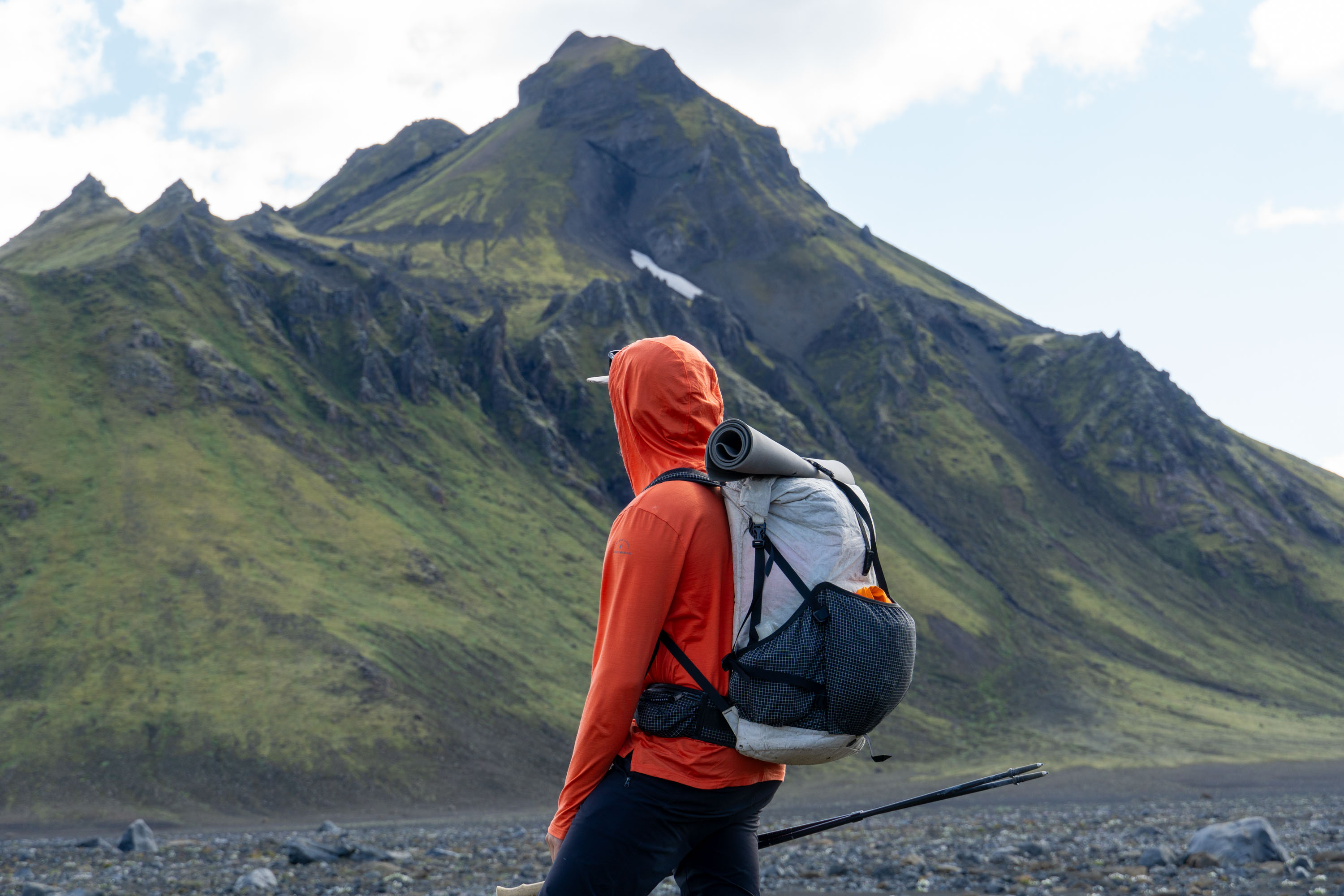
Not all sun shirt hoods are created equal, but the best ones fit comfortably and won’t blow off in the wind. Hoods offer immense sun protection benefits. We like hoods that cover the neck, ears, and forehead. If your activity of choice requires a helmet, choose a hooded polyester sun shirt. Well-designed hoods stretch easily over climbing and cycling helmets and stay put during active use.
Other key features of many hooded pullover sun shirts are thumb loops (which are great for back-of-the-hand sun protection), and high-cut collars that protect the chest and neck. Some of our favorites on this list, include the KUIU Gila Pro LS and the REI Sahara Shade.
The downside of a hooded sun shirt is the same as any pullover — they’re a bit of a pain to put on and take off. Plus, while many hooded sun shirts are light and breathable, most of them do not come with vents. A few exceptions include quarter-zip hooded pullovers with mesh side panels like the Black Diamond Alpenglow Pro and the Outdoor Research Astroman Air Sun Hoodie.
Still, for the most part, sun shirts in this style are usually ventless. One final downside of hooded pullover sun shirts — they get stinky. Elastane and spandex, in particular, develop unpleasant odors more quickly than natural fibers like merino wool.
Pro tip: If you want a hooded sun shirt without the stink, buy something made from natural fibers and minimal elastane. Solid choices include the Free Fly Lightweight Hoodie, partly made from bamboo-derived fibers, and the Ridge Merino Solstice, made mostly from merino wool.
Baggy Button-Up
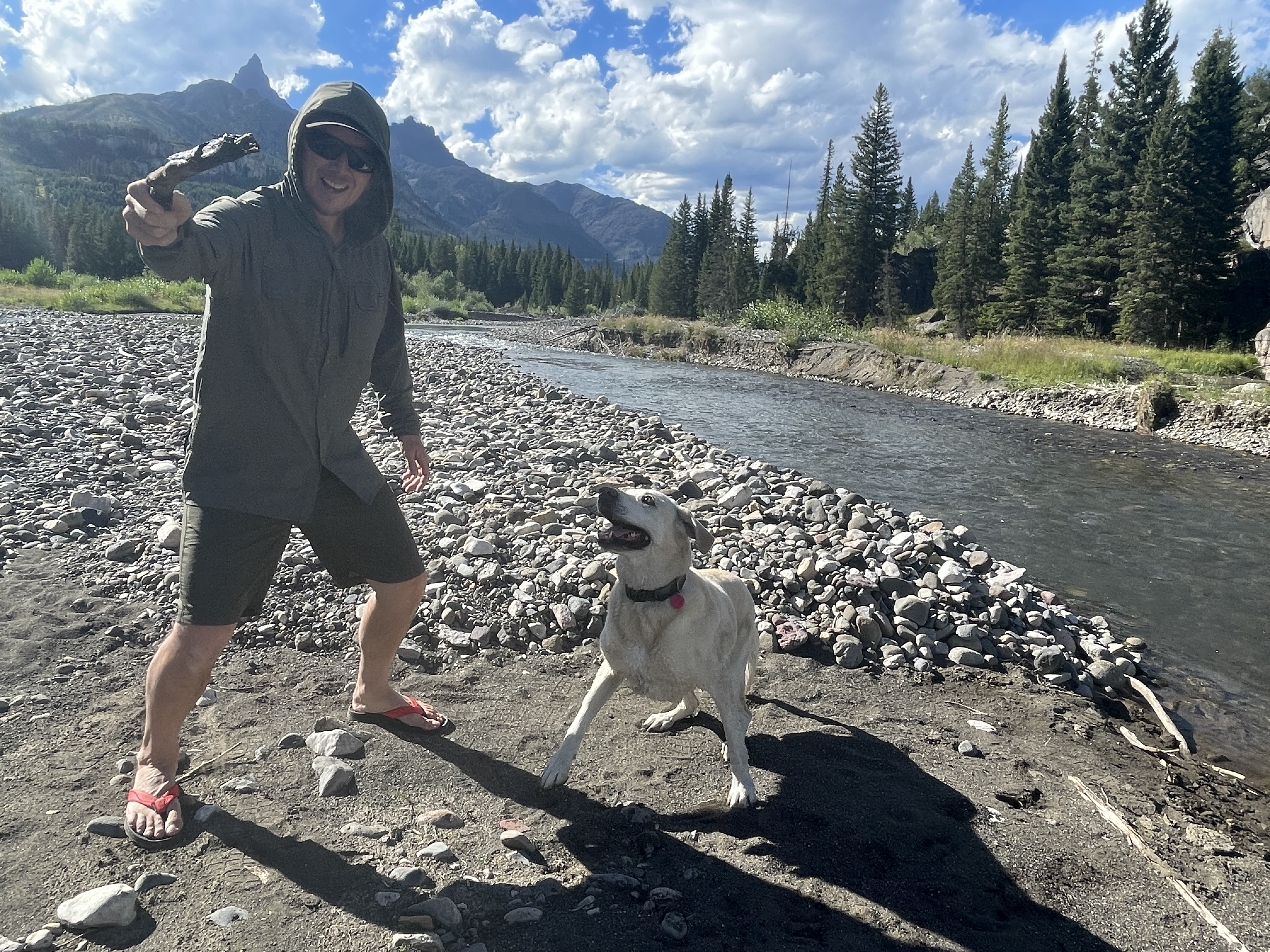
For activities like fishing, hunting, and bird watching, choose a baggy button-up sun shirt. Button-up sun shirts typically come with a collar instead of a hood, which means you’ll also need to wear a protective sun hat if you want to protect your face, neck, and ears. Some models of button-ups, like our overall best pick, the Anetik Ultraguide come with a hood, giving you the best of both worlds.
Unlike the active-wear appearance of hooded pullover sun shirts, button-ups have a more traditional look. Most button-up sun shirts look perfectly at home at the bar or a backyard barbecue. Plus, they’re easy to put on and take off.
Anglers, in particular, tend to prefer button-up sun shirts for a few reasons. First, button-ups often come with pockets — a handy place to keep bits of spare tackle such as lures and tip-its. Also, many button-up sun shirts have vented panels, which increase airflow and breathability in warm conditions.
On this list, the KUIU Mesa and the Mountain Hardwear Canyon are our favorite button-up sun shirts.

UPF Rating Explained
Ultraviolet Protection Factor, or UPF, is the rating system that gauges a fabric’s effectiveness at filtering ultraviolet A (UVA) and ultraviolet B (UVB) light. For example, a fabric rated to UPF 30 allows roughly 3% or 1/30th of available UV to pass through it.
UPF ratings always fall between 15 and 50+. Garments below UPF 15 do not meet sun protection standards. Any fabric that allows less than 2% of UV to pass through rates UPF 50+.
Multiple factors can affect a fabric’s UPF rating. Darker colors tend to filter out more UV than lighter colors. Thicker fabric usually offers more protection than thinner fabric. A tighter weave may have reduced UV transmission compared to a loose and porous weave.
Brands work to solve the complicated problem of creating a light, breathable, and highly protective sun shirt. The recommended products on this list possess a fine balance of breathability, comfort, and performance, with impressive UPF ratings.
Brands conduct UPF tests on their own products. Just last year, Patagonia issued a voluntary recall on a series of sun shirts that failed to live up to their advertised UPF rating after independent testing.
In any case, reputable brands make all of the sun shirts on our list. As a general rule, we recommend purchasing a sun shirt with a UPF rating of at least 30 — especially if you have a fair complexion or recreate at high elevations.

Materials
Polyester is the most common base material for sun shirts for various reasons. Polyester offers far more protection than bleached cotton, which has a natural UPF rating of around 5. Plus, it dries much faster.
In recent years, many brands have incorporated 10-20% elastane or spandex into their sun shirts’ polyester weave. Integrating stretchy material is great for airflow and mobility but has some downsides. First, elastane can lose its springy quality over time. A shirt with lots of elastane or spandex probably won’t retain its original shape and fit in the long term.
Also, synthetic fibers like elastane develop odors faster than natural fibers like cotton or wool. Sun shirts are known for their gnarly stench, which can develop after a single day of sweaty outdoor recreation. Anecdotally, we noticed that shirts with a high elastane count did, in fact, seem to smell pretty bad after a workout.
Our research and testing found that most hooded pullover sun shirts are made from 80-90% polyester and 10-20% elastane or spandex. The NRS Silkweight Hoodie is an exceptionally soft version of this combination, winning it our most comfortable award. Of course, there are some exceptions to this. The Free Fly Lightweight Hoodie is made from 70% bamboo viscose, and the Ridge Merino Solstice is made from merino wool.
Button-up collared sun shirts tend to be made without spandex or elastane, so they aren’t as stretchy.

Breathability
Designed to protect against sunshine, sun shirts naturally need to be comfortable in warm conditions. A fabric’s breathability is defined by its ability to let air pass through. Breathability decreases drying time and also helps to minimize odor.
On this list, the Mountain Hardwear Crater Lake is the perfect choice for those looking for a sun shirt for active use in warm weather. It is important to note that increased breathability can sometimes lead to a decreased UPF rating, like we see in the Anetik Ultraguide, which is extremely breathable and has a soft touch feel to its fabric. A looser weave that allows airflow will let more UV reach the sun underneath.
All of the sun shirts selected for this list are relatively breathable. Sun protection is essential even in cooler conditions, but naturally, a hot summer day calls for breathable clothing.
Odor Resistance
Sun shirts are known for being a bit stinky. There are a few reasons for this. First, sun shirts tend to be worn for active use in warm conditions. Strenuous activity plus heat equals sweat, and sweat leads to odor.
Secondly, sun shirts are usually made from synthetic materials like polyester and elastane. Synthetic fibers are made from petroleum products — polyester threads are essentially thin ropes of plastic. Unlike natural materials like cotton and wool, synthetics don’t absorb sweat.
Instead, the sweat combines with bacteria from your skin and becomes trapped in between the fibers. Elastane fibers in particular are highly effective at trapping bacteria. Over time, the bacteria builds up — and so does the odor.
If you’re looking for a sun shirt that won’t ever smell, your search may continue forever. Luckily, some sun shirts are more odor-resistant than others. If you want to minimize the stink, we recommend following these three tips:
- First, don’t buy a sun shirt with a high elastane/spandex count. Most sun shirts are made from 10-20% elastane/spandex.
- Second, look for a sun shirt made from natural fibers. Bamboo is an increasingly popular alternative to polyester that may be less prone to unwanted odor.
- Third, purchase a sun shirt that has an odor-resistant treatment.
On this list, the Patagonia Capilene Cool Daily Hoody and the Black Diamond Alpenglow Pro are noticeably impressive in the odor-resistance category. They’re treated with Black Diamond’s HeiQ Pure Odor Control Treatment.
Hood
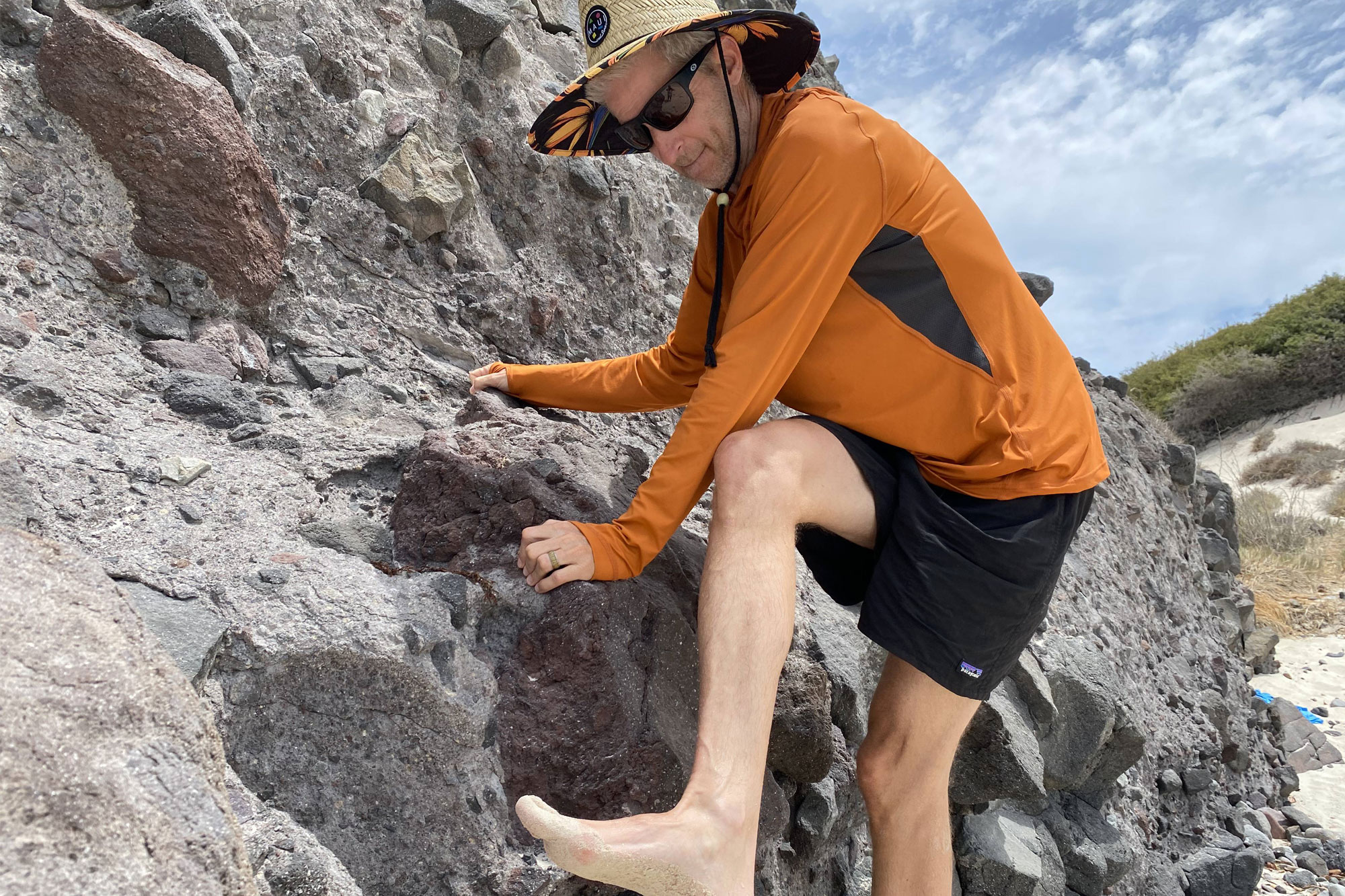
If maximum UV protection is your goal, you’re going to want a sun shirt with a well-fitted hood. The benefits of a hood are obvious: neck, face, and ear protection. However, not all hoods offer the same utility and value. For the most part, pullover sun shirts have hoods, and button-up sun shirts do not.
A hood that won’t stay on during active use is almost worse than no hood at all. During our testing, we wore sun shirts while hiking, climbing, and biking in windy conditions. The best hoods stayed on against the odds.
If your activity of choice requires a helmet, you’ll need a stretchy hood that can fit over it. One of our favorite hooded sun shirts is the Outdoor Research ActiveIce Hoody. The hood is well-fitted, helmet-compatible, and highly protective. We wore this sun shirt over a helmet for many months, and the material maintained its fit and elasticity.
Thumb Loops
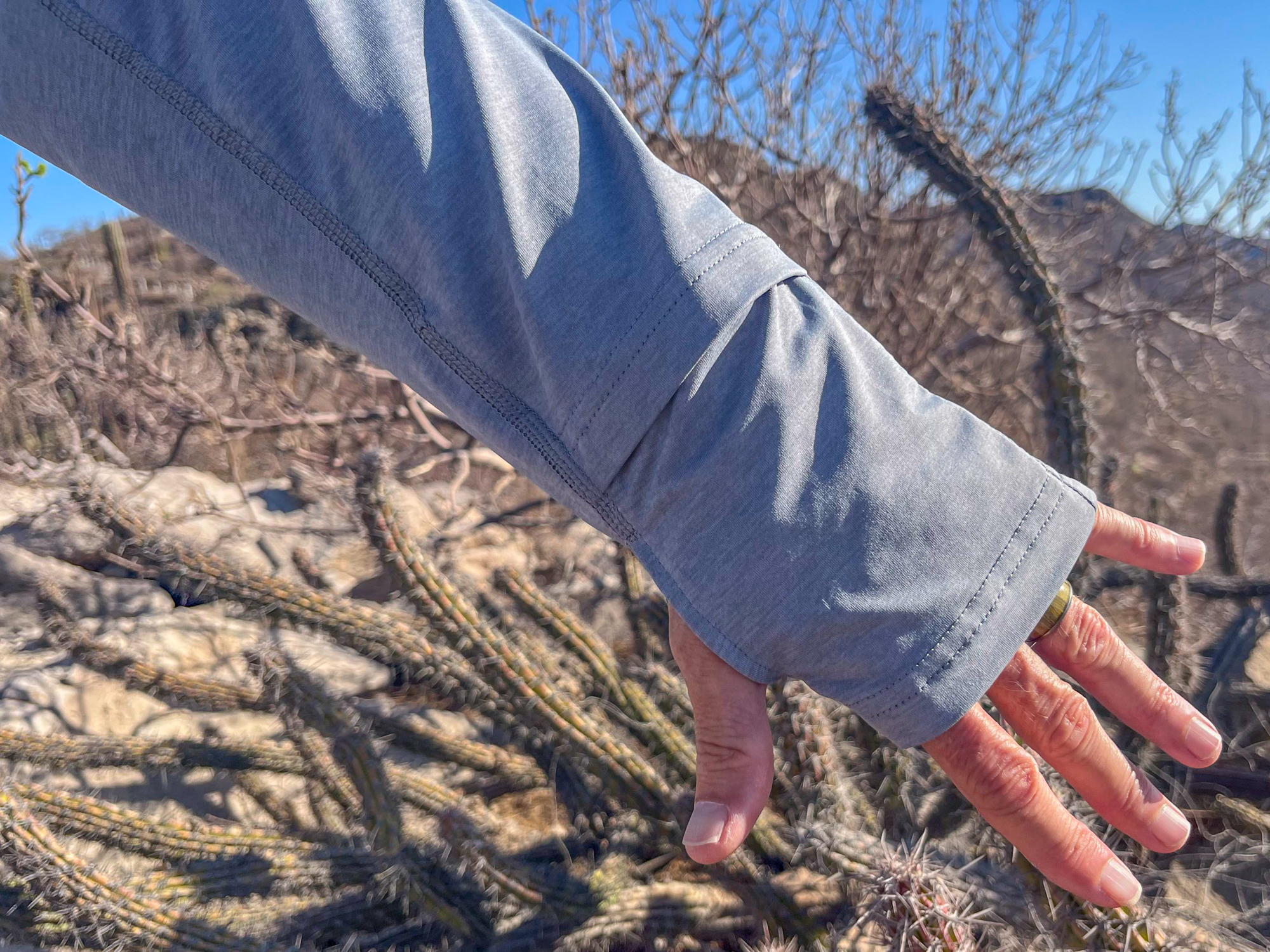
The fingers and hands see a lot of sun exposure, making them susceptible to skin cancer. A sun shirt with well-placed thumb loops can help protect these vulnerable areas from excessive UV.
Most sun shirts with thumb loops are hooded pullovers like the NRS Silkweight Hoodie. In most cases, a thumb loop is a small opening that fits over the thumb and keeps the wrist and back of the hand covered by the sleeve.
Though most pullover sun shirts on this list come with thumb loops, surprisingly, a few styles do not. We love the thumb loops on the REI Sahara Shade. They’re positioned comfortably, and keep the entire hand’s back protected.
Fit
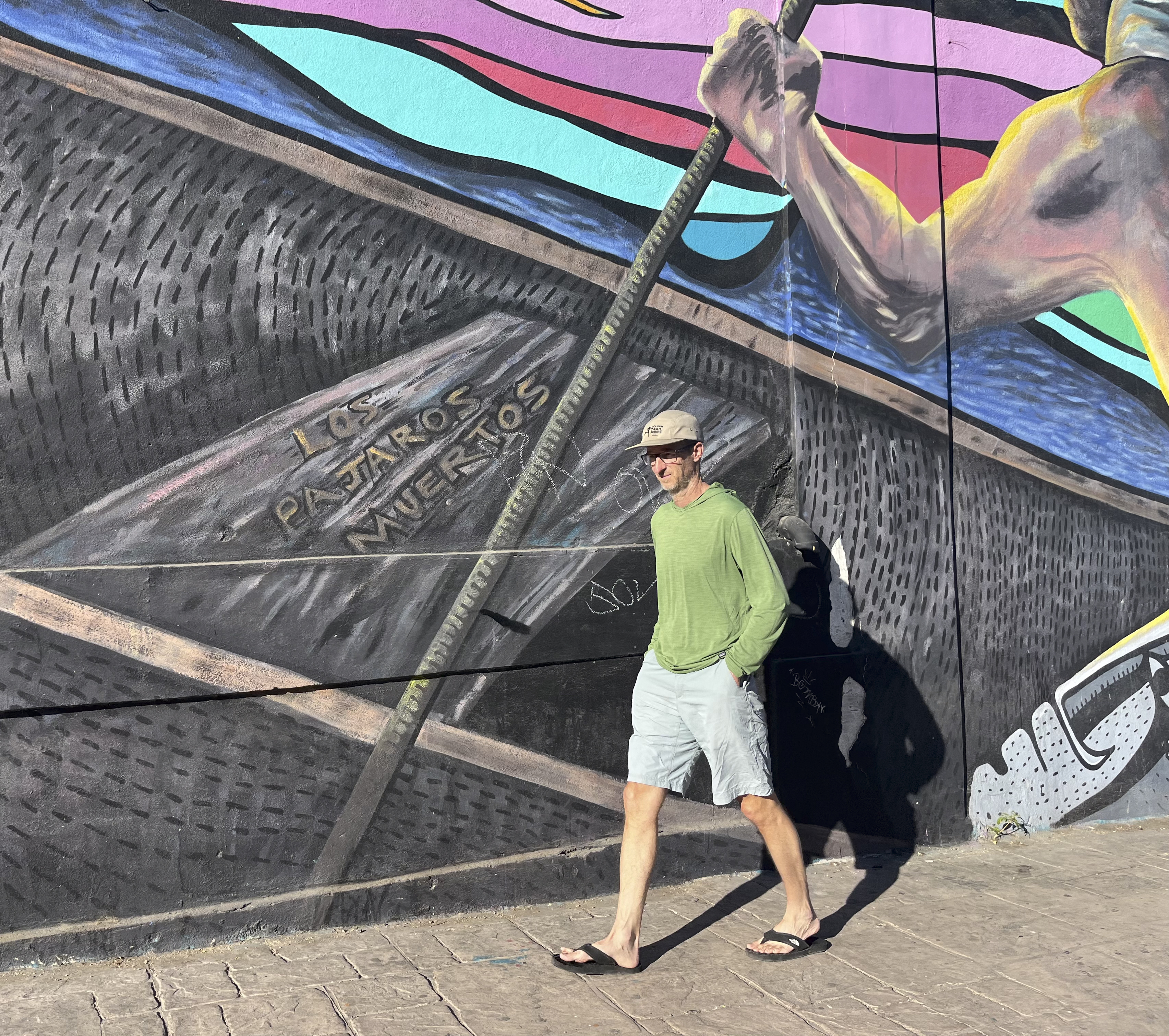
The way a sun shirt fits will define its performance. As a general rule of thumb, sun shirts should have a semi-loose fit. We particularly appreciate the fit of the Patagonia Capilene Cool Daily Hoody; it’s just right, not too loose and not too tight.
A loose-fitting sun shirt breathes better, and it’s less likely to limit your range of motion. However, if you usually wear a snug size medium at the office or out at the bar, we recommend sizing up to a large size when you purchase a sun shirt. One more reason to size up: for your sun shirt’s thumb loops to properly protect your hands, it needs to have full-length sleeves.
Price & Value
Budget
You can find a quality budget sun shirt for under $80. Many of our award winners, including the REI Sahara Shade Hoodie, Mountain Hardwear Crater Lake Hoodie, and the Patagonia Capilene Cool Hoody, are reasonably priced. They’re durable, comfortable, lightweight, and have one or two additional features that make them stand out.
Mid-Tier
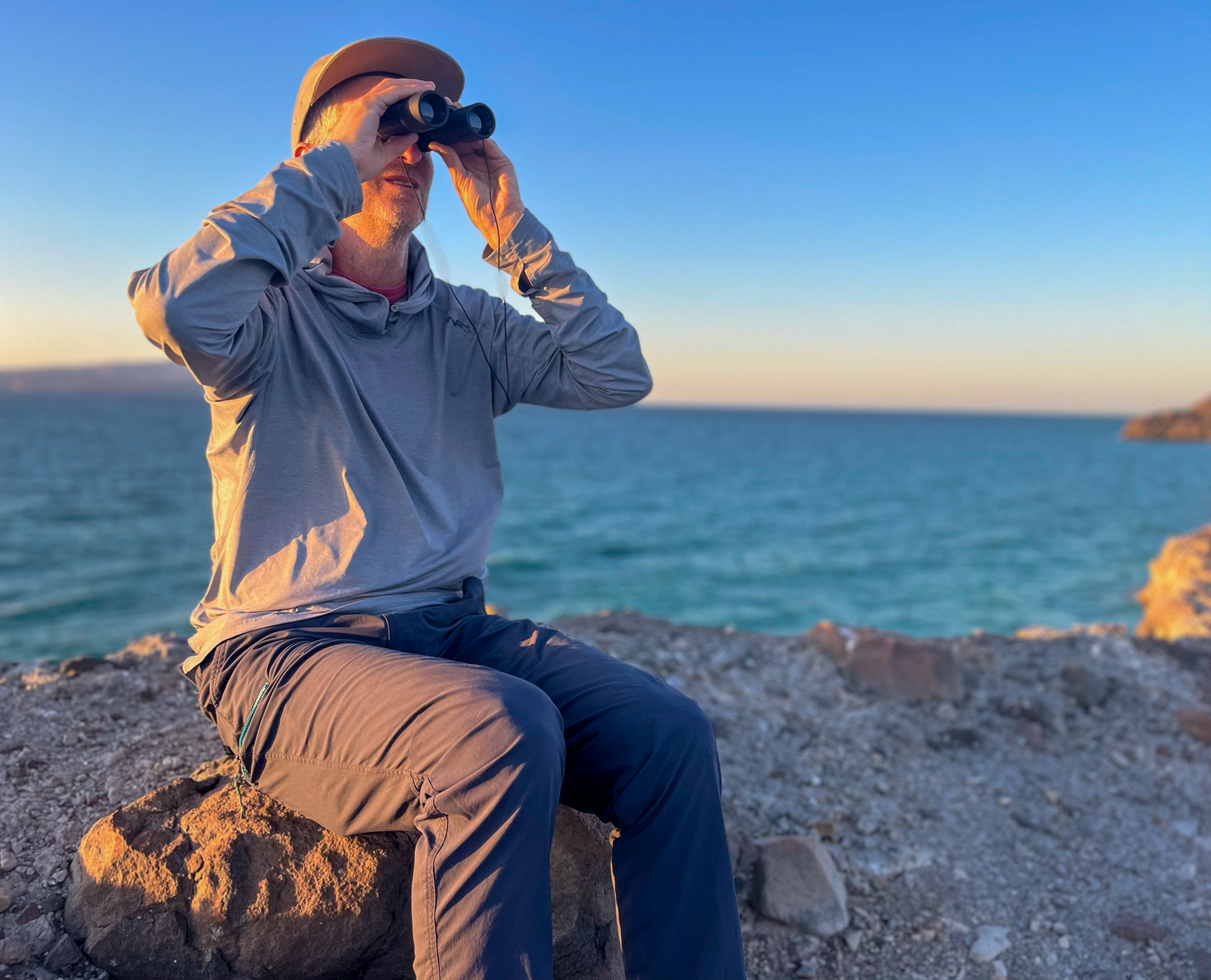
Sun shirts in this category run from $80 to $100. These will often be a little higher-performing than those in the budget category and may include wicking abilities, odor-control treatments, or higher UPF ratings. For example, the Outdoor Research Echo ($85) is a technical performance piece that is extremely stretchy and moves with you. Our most comfortable pick, the NRS Silkweight Hoodie ($90), 90is so soft and performs well in a variety of conditions.
Premium
Sun shirts with added versatility, storage, and durability will cost over $100. The ultra-versatile Anetik Ultraguide Hooded L/S ($120), can do it all and with style. It has five pockets and can seamlessly move from a hike to a fishing expedition to town.
Others in this category are technical pieces with unique features like large mesh underarm side vents found in the Black Diamond AlpenGlow Pro ($140), a high-performing sun shirt that’s ideal for climbing and high-output activities.
Frequently Asked Questions
Sun shirts are designed to protect against ultraviolet light during outdoor recreation. All clothing blocks some UV, but sun shirts are specifically crafted for this purpose, and the best of them provide much more protection than a typical cotton T-shirt.
To filter out UV, sun shirts combine effective materials with intentional weave/knit patterns. Most sun shirts are primarily made from polyester, which is rated as a top option for UV protection.
All of the sun shirts on this list come with a UPF rating. UPF stands for Ultraviolet Protection Factor. The UPF scale runs from 0 to 50-plus. The UPF number indicates the percentage of UV rays that are allowed to pass through the material. For example, a shirt rated UPF 25 allows 1/25 (or 4%) of the sun’s radiation to reach your skin underneath.
If you’re seeking maximum sun protection, look for a sun shirt rated UPF 50+, which will allow just 2% of UV (or less) to pass through.
Sun shirts are meant to be worn in the sun, so they need to be breathable to be comfortable. A nonbreathable sun shirt will perform like a sweat-trapping garbage bag.
For sun shirt manufacturers, it is a challenge to maximize breathability and minimize UV infiltration. Still, through a combination of high-performance materials and intentional weave/knit patterns, it can be done. The Mountain Hardwear Crater Lake is one of the most breathable sun shirts on this list. We’ve worn the Crater Lake while climbing and running in temperatures up to 100 degrees, and it always remained airy and comfortable.
Clouds may filter out some UV, but it’s very difficult to know how much. Strangely, certain clouds can actually create higher UV levels than a clear and cloudless day. In other words, it’s important to protect yourself from the sun, even when there are clouds in the sky.
Read the full article here