





Whether you’ve been skiing for one season or 10, you’ve probably encountered some nasty weather. That’s why your ski jacket is important: It keeps you warm and happy on the lift and slopes. Blustery winds, fat snowflakes, and bone-chilling temperatures are all a part of the experience, so you’ll need the right fit to feel comfortable and stylish.
To that end, not all women’s ski jackets are created equal. Beyond the basic protection against gusts, ice crystals, and sun, outer layers have a range of details from a helmet-compatible hood to a powder skirt and spacious pockets. Some options are lightweight, built for backcountry missions, and buttery soft like the Patagonia Women’s SnowDrifter Jacket. If you’re looking for a more economical choice to serve you most days at the ski area, pick up the 686 Women’s Hydra Insulated Jacket for nearly $150 less.
Since we first published this guide in 2021, we have field-tested dozens of ski jackets. These pieces have left a lasting impression with the fit, performance, and looks. We put these layers through the paces with thousands of hours in sunny, freezing, and blizzard conditions at ski resorts and long, challenging days in the backcountry.
The Best Women’s Ski Jackets of 2026
Best Overall Women's Ski Jacket
The North Face Women’s Summit Series Verbier GORE-TEX Jacket
9.1/10 Rating
Best Budget Women's Ski Jacket
686 Hydra Insulated Jacket
8.1/10 Rating
Best Hybrid Lightly Insulated Freeride Jacket
Outdoor Research Women’s Powderverse Jacket
8/10 Rating
Best Value Resort Women's Ski Jacket
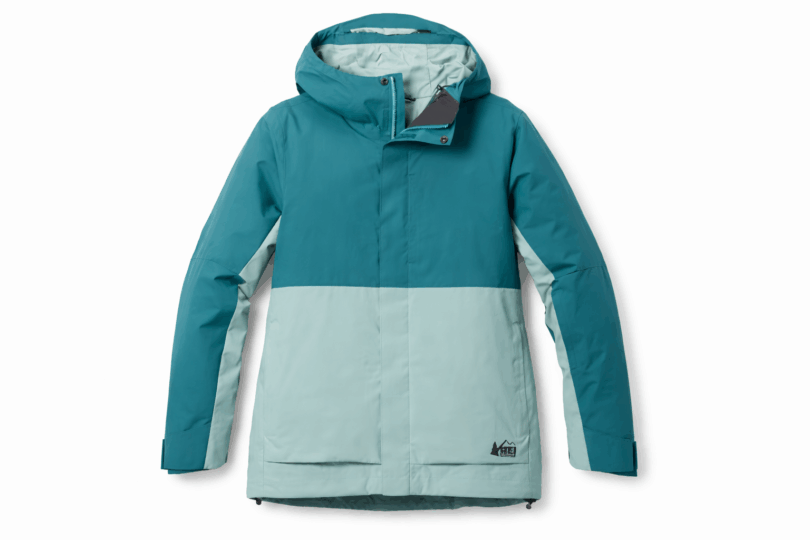
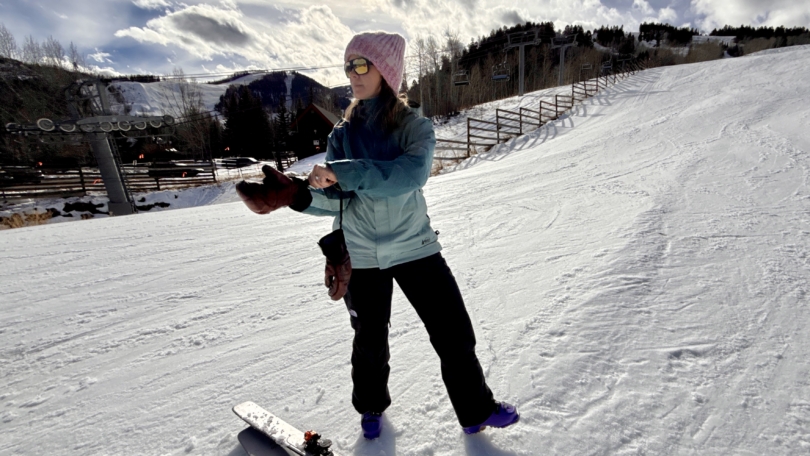
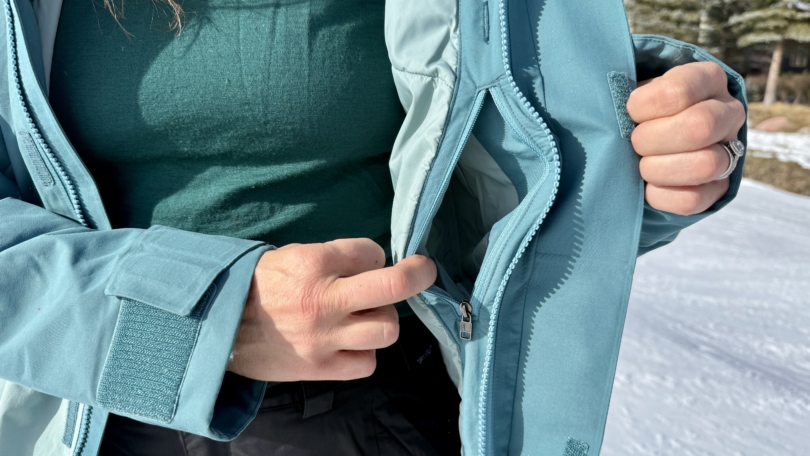
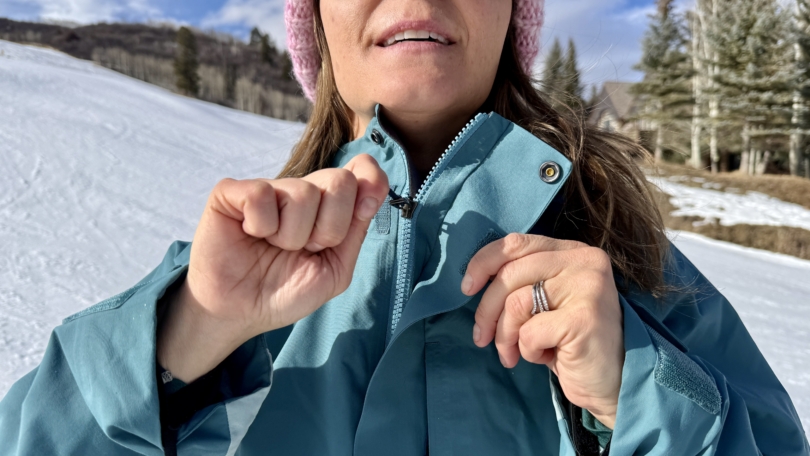
REI Co-op Women’s Powderbound Insulated Ski Jacket
7.5/10 Rating
Stretchiest & Lightest Women's Ski Jacket
Patagonia Women’s SnowDrifter Jacket
8.2/10 Rating
Most Waterproof Women's Ski Jacket
Rab Women’s Khroma Diffuse GORE-TEX Jacket
8.9/10 Rating
Best Backcountry Women's Ski Jacket
Norrona Women’s Lofoten GORE-TEX Pro Jacket
8.4/10 Rating
See more picks
Editor’s Note: We updated our Women’s Ski Jackets buyer’s guide on February 9, 2026, with the field-tested and award-winning Outdoor Research Powderverse Jacket, which is articulated yet boasts a lightly insulated torso for frigid chairlift rides. We added and awarded the REI Powderbound Insulated Jacket as the best value resort jacket for ladies. We also overhauled the comparison chart to help you more easily find the best women’s ski jacket for your shred season.
Women’s Ski Jackets Comparison Chart (Budget to Premium)
| Women’s Ski Jacket | Price | Insulation | Fabric Type | Waterproof / Breathability | Best Use |
| REI Powderbound Insulated | $229 | 80 g body/ 60 g sleeve | 2L | 10K / 10K | Best Value Resort |
| Columbia Platinum Peak II | $300 | None | 3L | 20K / 20K | Best Value Tech Shell |
| 686 Hydra Insulated | $300 | 60 g synthetic (85% recycled) | 2L | 20K / 15K | Best Budget Resort |
| Helly Hansen Powchaser 2.0 | $365 | 60 g synthetic (100% recycled PrimaLoft Ocean Bound plastic) | 2L | 20K / 20K | Insulated Freeride |
| Outdoor Research Powderverse | $400 | 45 g body-mapped torso | 2L | 20K / 15K | Best Hybrid Lightly Insulated |
| Patagonia SnowDrifter | $449 | None | 3L | 20K / 20K | Stretchy Backcountry |
| Stio Environ | $479 | None | 3L | 20K / 10K | All-Mountain Utility |
| Rab Khroma Diffuse GTX | $500 | None | 3L | 28K / RET <9 | Most Waterproof |
| Salomon Moon Patrol | $550 | None | 3L | 20K / 20K | Premium Freeride |
| Mountain Hardwear Boundary Ridge GTX | $575 | None | 3L | 28K / 20K | Durable Shell |
| Patagonia Untracked | $699 | None | 3L | 28K / 20K | Big Mountain Performance |
| The North Face Summit Series Verbier GTX | $700 | None | 3L | 28K / 20K | Best Overall |
| Arc’teryx Sentinel | $750 | None | 3L | 28K / 20K | Premium, Professional |
| Norrona Lofoten GTX Pro | $899 | None | 3L | 28K / 25K | Best Backcountry, Ultimate Technical Shell |
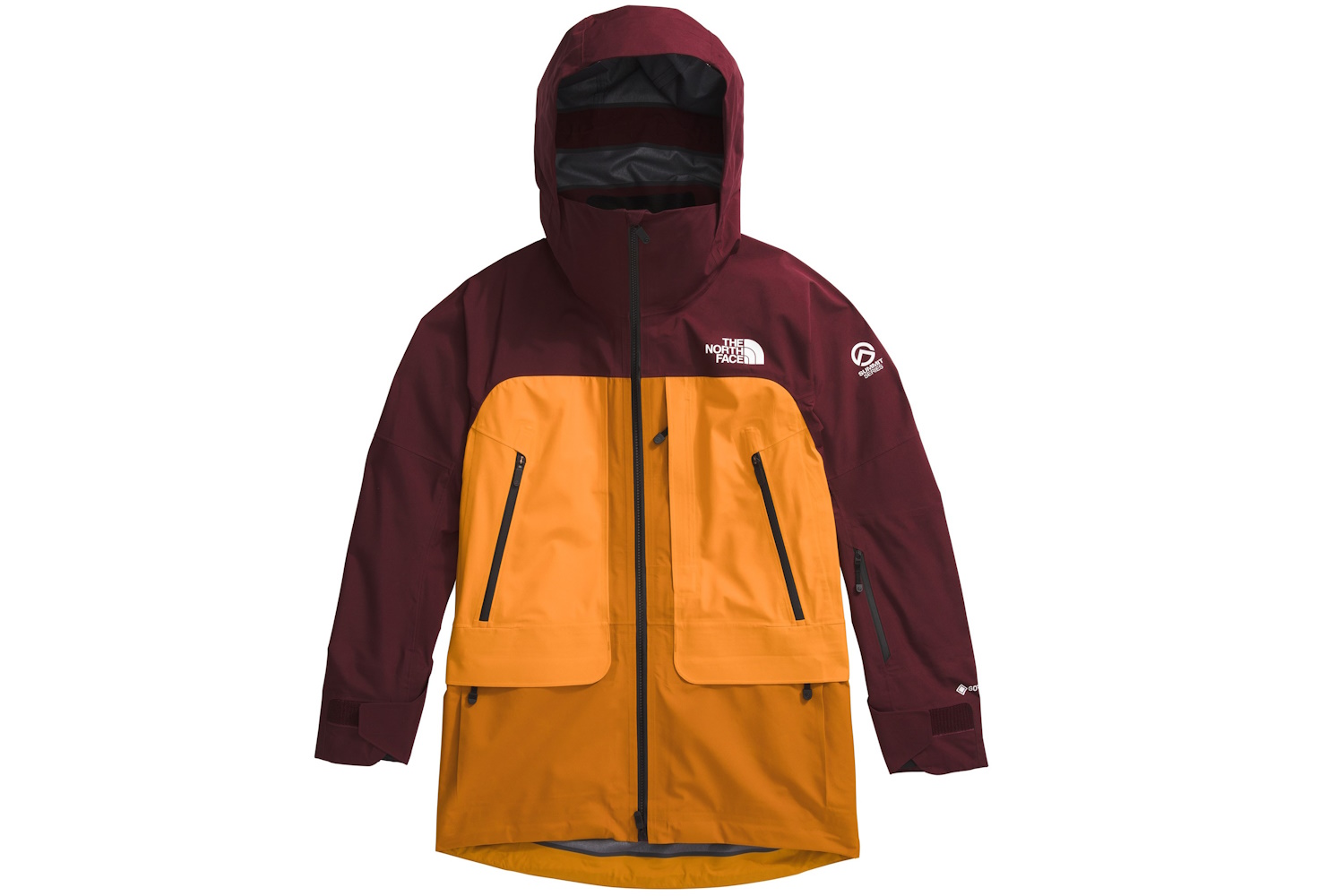
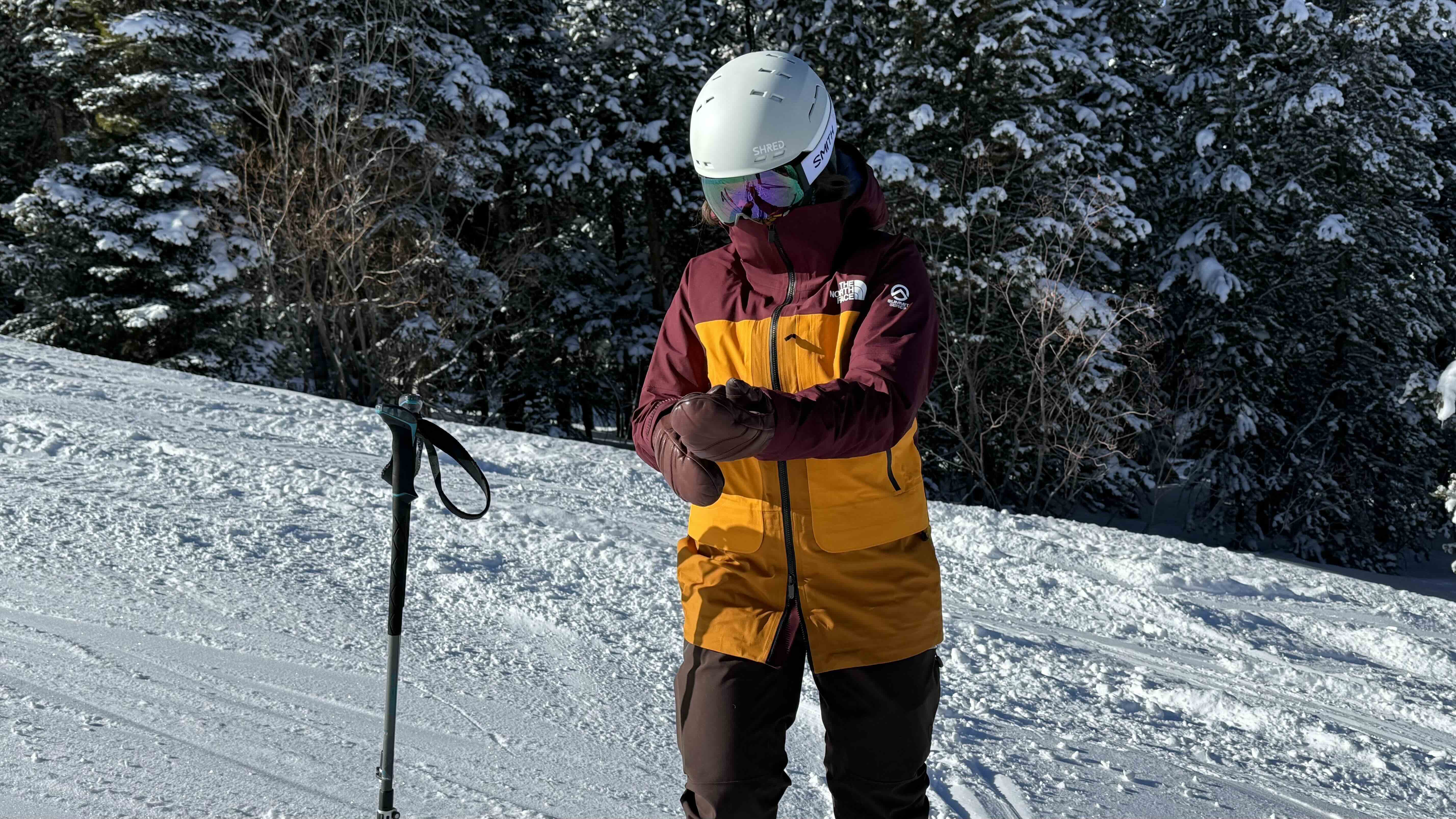
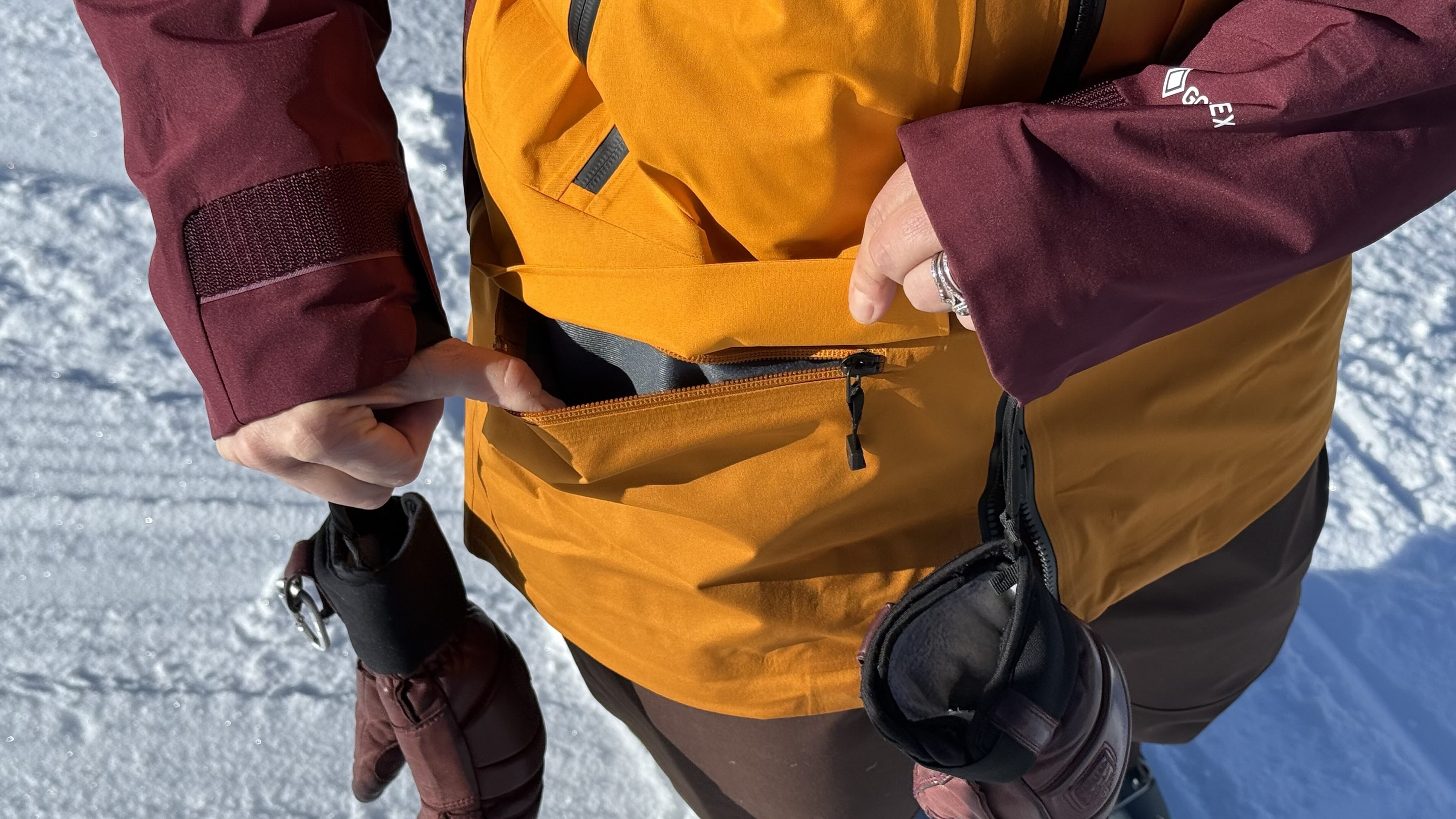
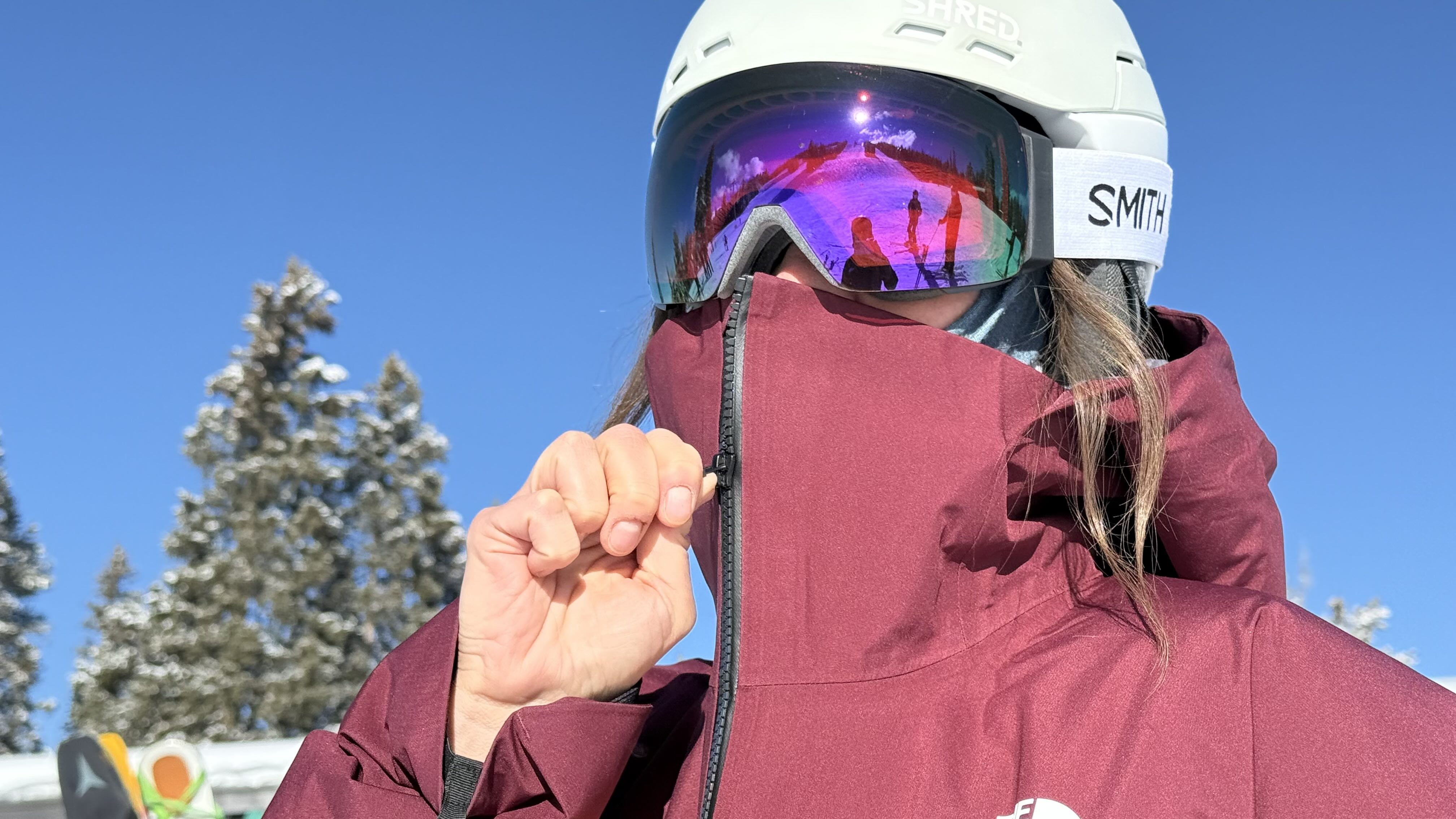
The North Face Women’s Summit Series Verbier GORE-TEX Jacket
-
Weather Protection
9.5
-
Fit and Mobility
8.0
-
Durability and Construction Quality
9.5
-
Breathability and Ventilation
7.0
-
Fit:
Regular -
Insulation:
None -
Shell:
3-layer GORE-TEX; 100% recycled -
Waterproof rating (mm)/Breathability (g):
28K / 20K -
Weight:
482 g
Pros
-
Practically impervious to nasty weather
-
Sleek styling
-
Massive pockets
Cons
-
Longer hemline is snug on women with wider hips
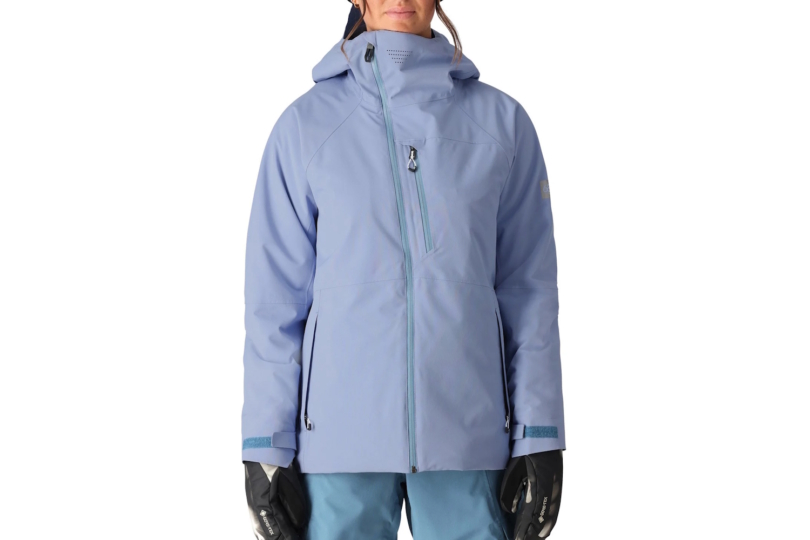
686 Hydra Insulated Jacket
-
Weather Protection
8.0
-
Fit and Mobility
8.5
-
Durability and Construction Quality
8.0
-
Breathability and Ventilation
7.0
-
Fit:
Regular -
Insulation:
Yes, 85% recycled insulation -
Shell:
2-Layer infiDRY fabric plus PFAS-free DWR -
Waterproof (mm) / breathability (g) rating:
20K/15K -
Weight:
1,003 g
Pros
-
Generous pockets and insulated phone pocket
-
Cozy insulation
-
Baggy fit for freedom of movement
-
Wrist gaiters have thumbholes and transform into mittens
Cons
-
Might have too much insulation for warm spring days
-
Wrist gaiters might feel cumbersome to some
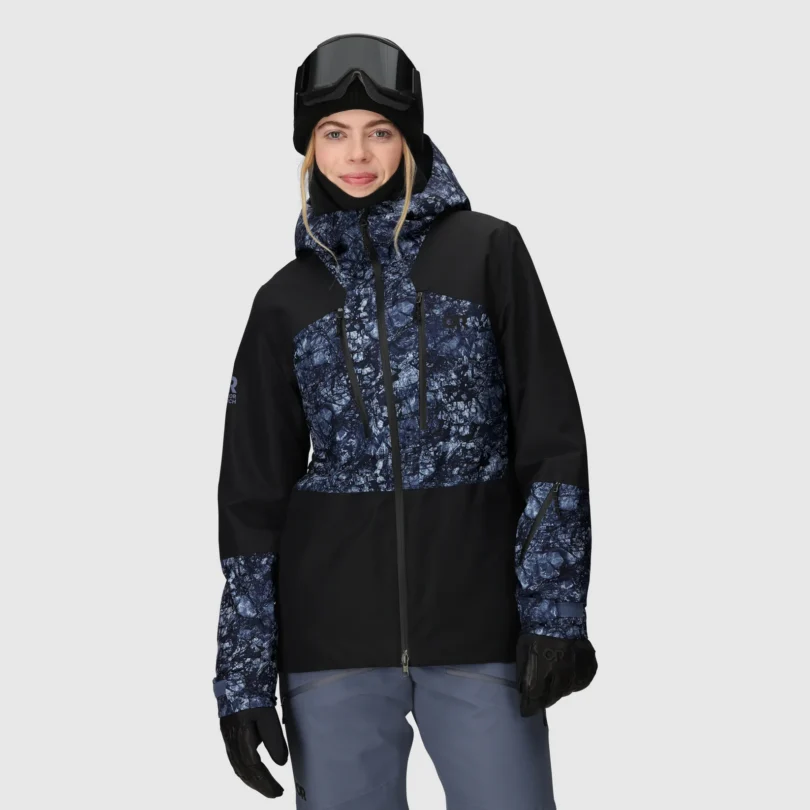
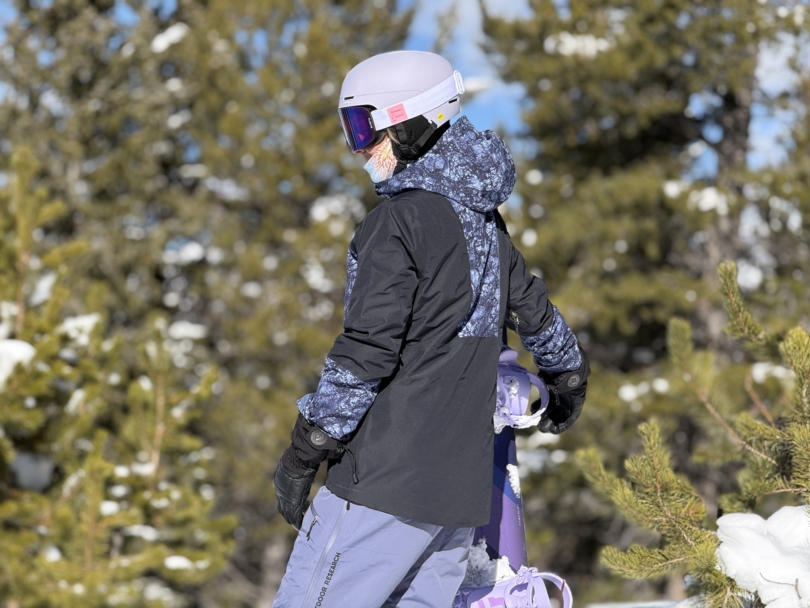
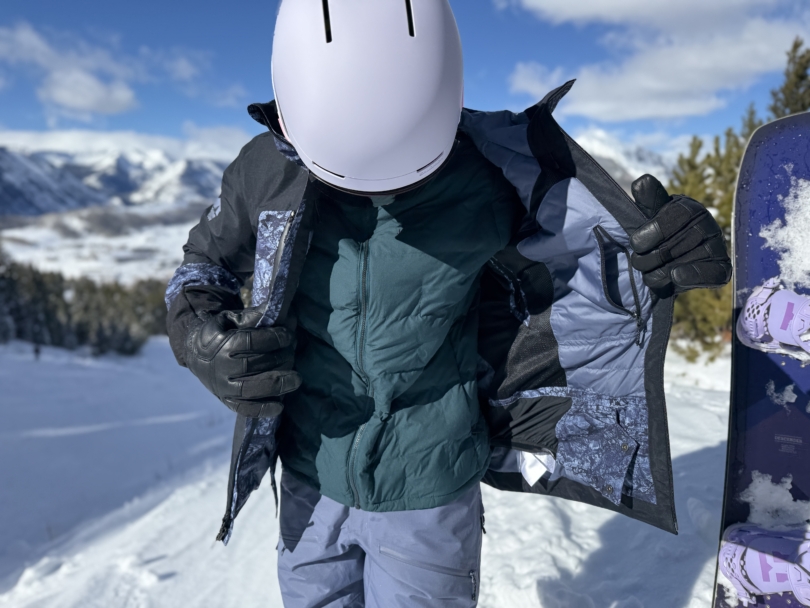
Outdoor Research Women’s Powderverse Jacket
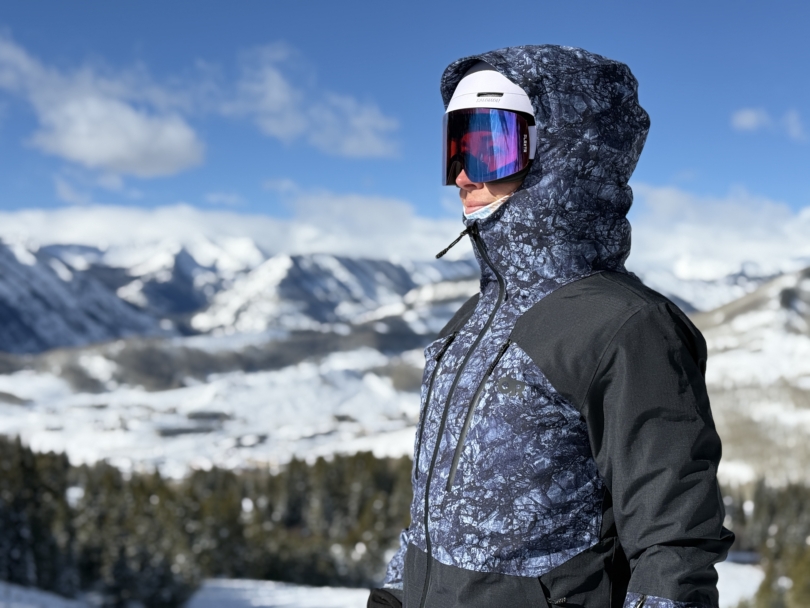
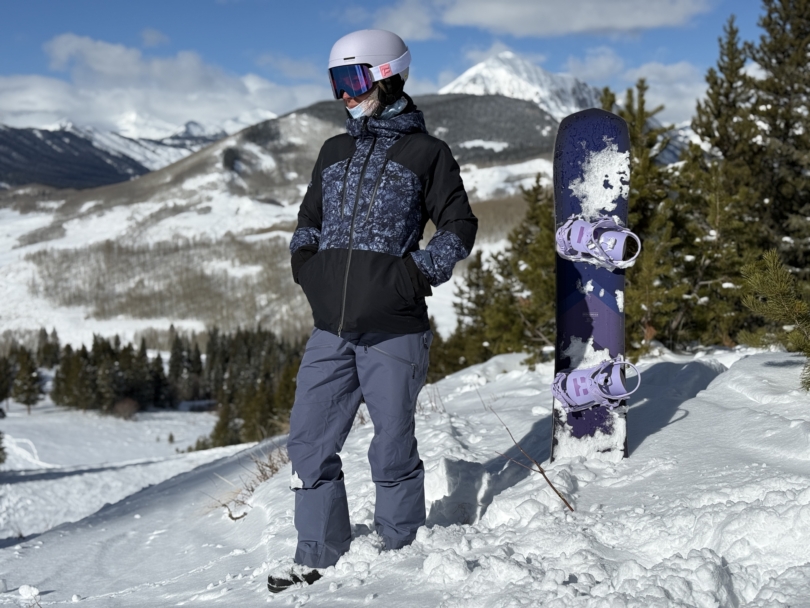
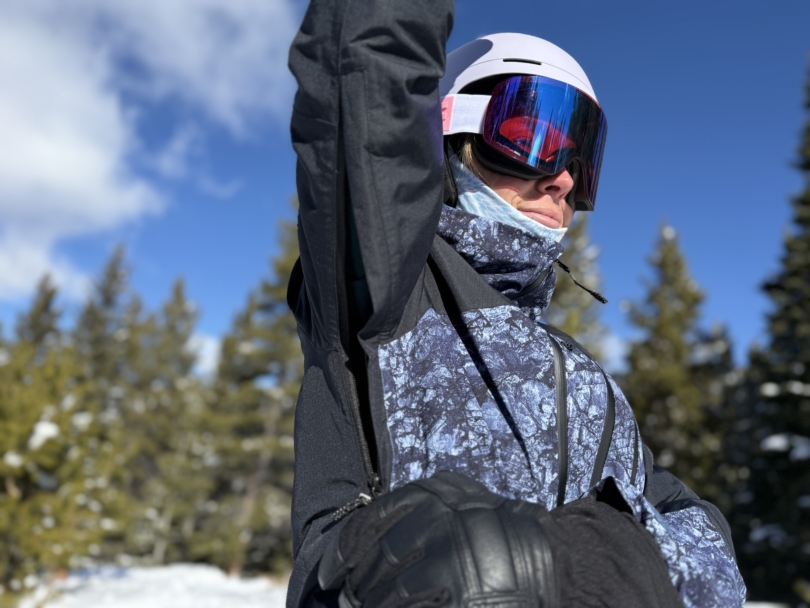
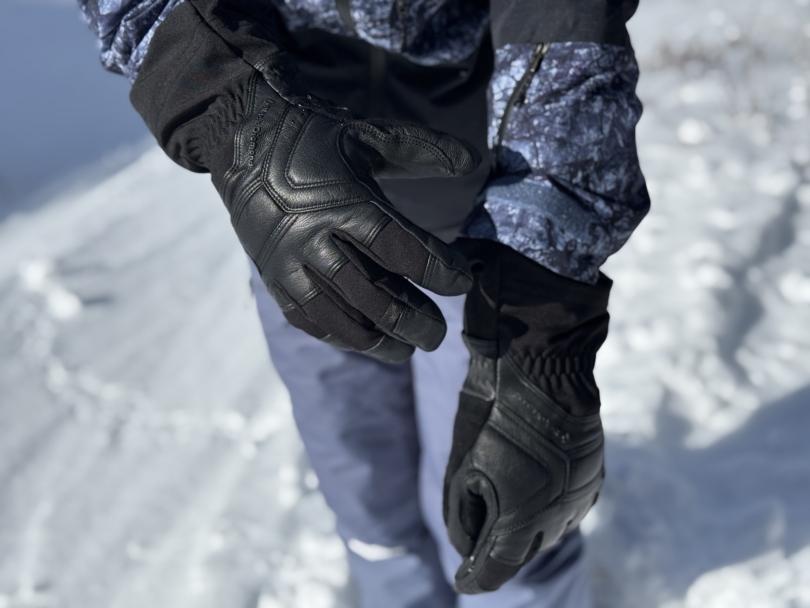
-
Weather Protection
8.3
-
Fit and Mobility
8.0
-
Durability and Construction Quality
8.0
-
Breathability and Ventilation
7.9
-
Fit:
Regular -
Insulation:
Hybrid insulated torso (45 g VerticalX Eco insulation; 85% recycled polyester, 15% polyester) -
Shell:
3L 75-denier x 160-denier 100% recycled polyester ripstop -
Waterproof rating (mm)/Breathability (g):
20K / 15K -
Weight:
777 g
Pros
-
Excellent value
-
Top-notch pockets
-
Targeted, slender insulation around torso
Cons
-
Not everyone will prefer a fixed powder skirt
-
Insulation in a ski jacket for touring could be a drawback
-
Hood feels restrictive on some ski helmets
REI Co-op Women’s Powderbound Insulated Ski Jacket
-
Weather Protection
8.0
-
Fit and Mobility
7.5
-
Durability and Construction Quality
8.0
-
Breathability and Ventilation
6.5
-
Fit:
Regular -
Insulation:
80 g synthetic in the body; 60 g synthetic in the arms -
Shell:
REI Co-op Peak 2 layer -
Waterproof rating (mm)/Breathability (g):
10K / 10K -
Weight:
737 g
Pros
-
Reliable warmth thanks to a decent amount of insulation
-
Regular and accommodating fit that works for a variety of women
-
Useful features with ample pockets for sundries
Cons
-
Not very breathable
-
Bland color offerings
Patagonia Women’s SnowDrifter Jacket
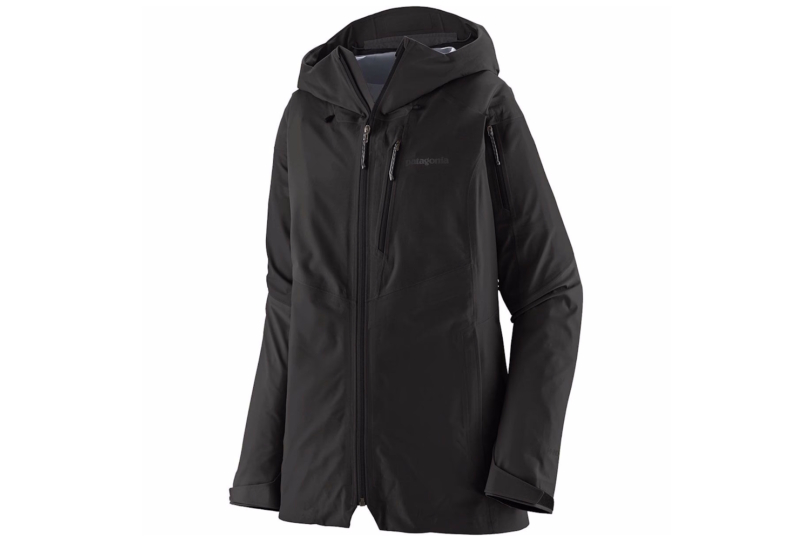
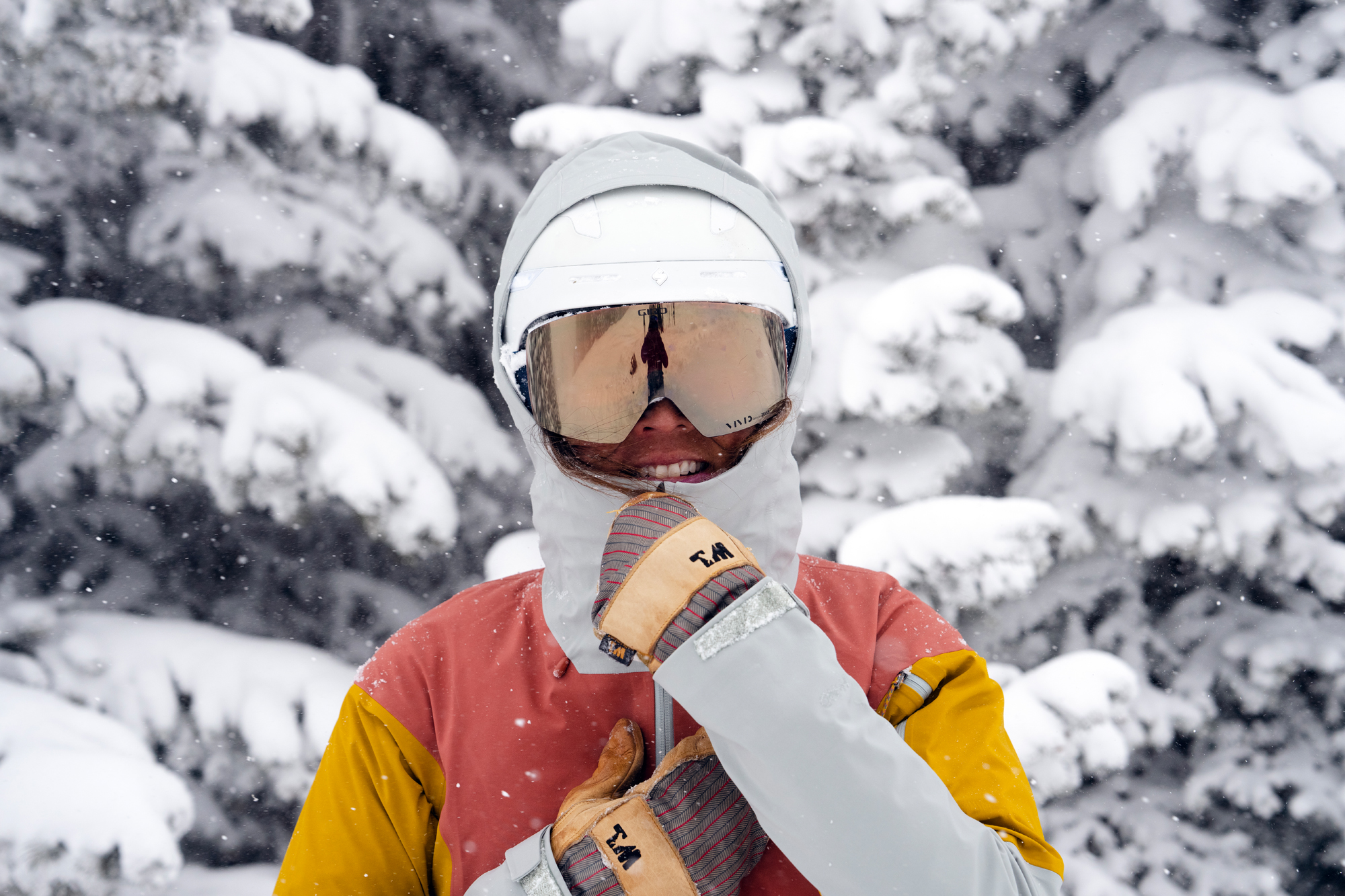
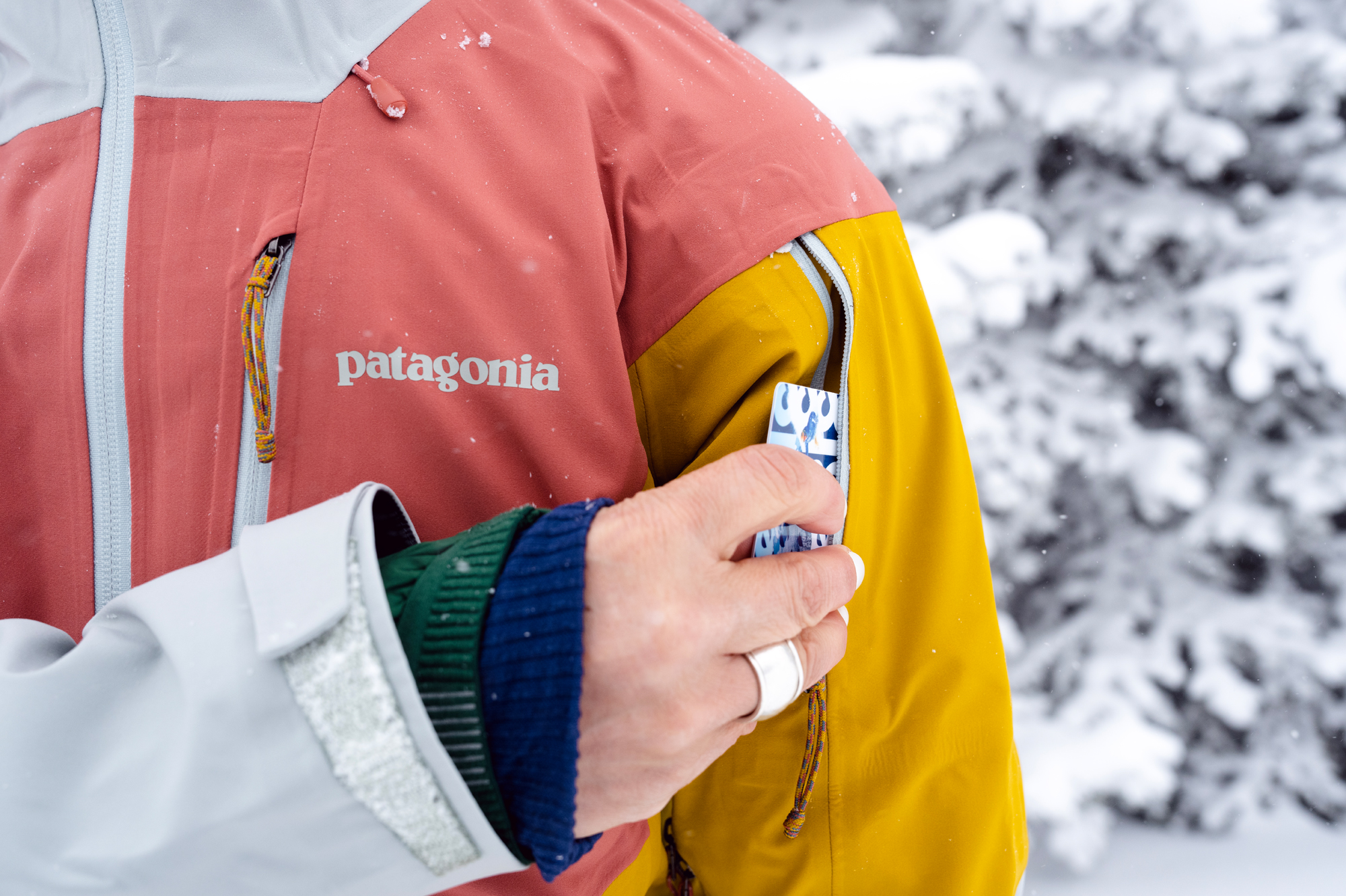
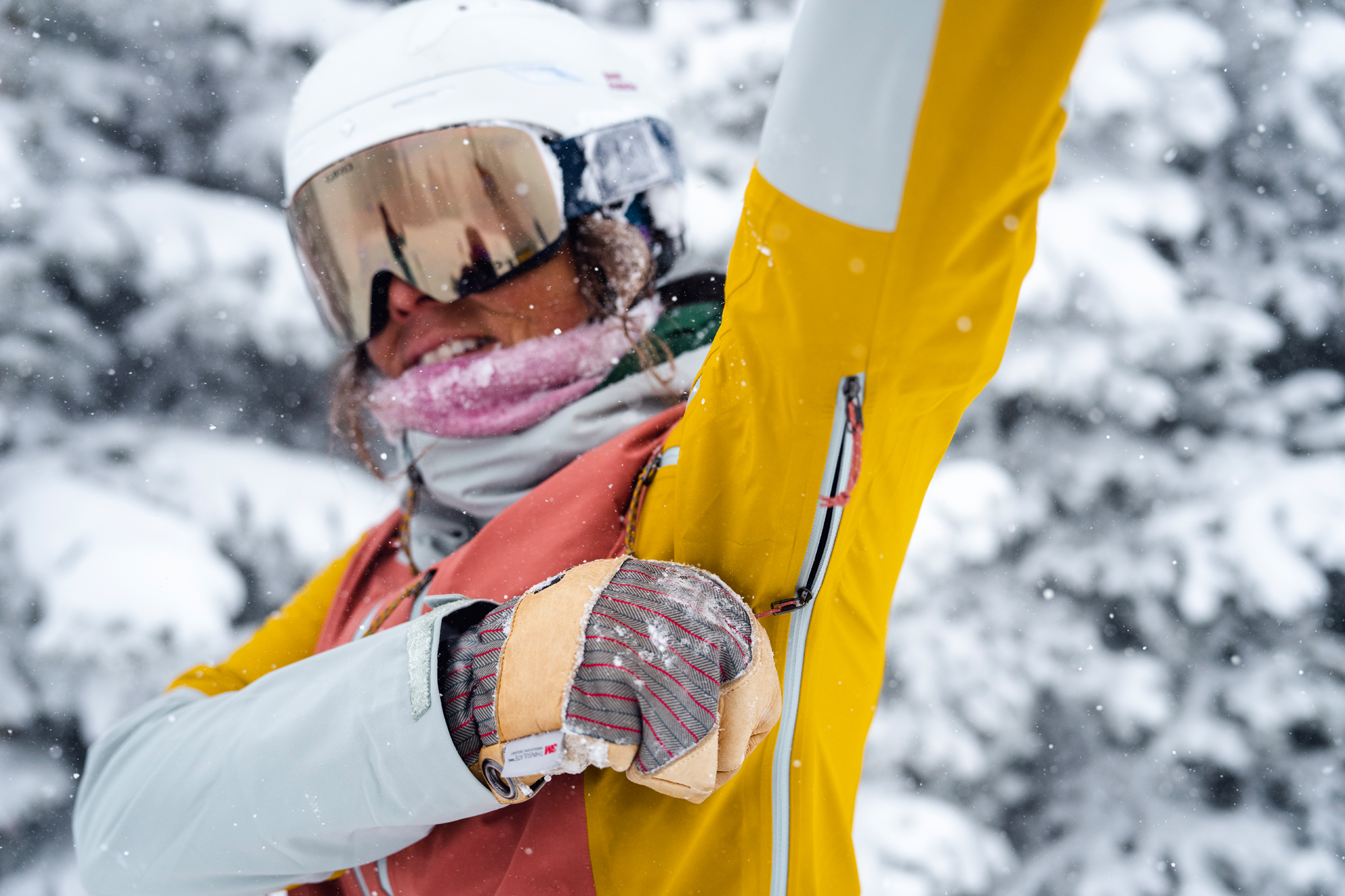
-
Weather Protection
8.0
-
Fit and Mobility
8.5
-
Durability and Construction Quality
7.5
-
Breathability and Ventilation
9.0
-
Fit:
Athletic -
Insulation:
None -
Shell:
PFC-free 3-layer ePE GORE-TEX H2No with PFC-free DWR, 100% recycled polyester -
Waterproof rating (mm) / Breathability (g):
20K / 20K -
Weight:
595 g
Pros
-
Stretchy and breathable
-
Protective
-
Great cut
-
Very lightweight
Cons
-
Might not be the best for extremely wet snow climates
-
High level of breathability could sacrifice warmth on certain days
Rab Women’s Khroma Diffuse GORE-TEX Jacket
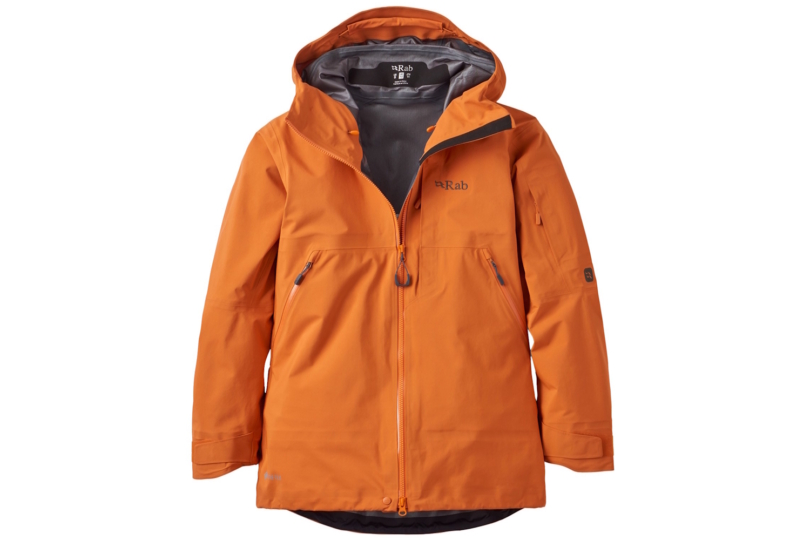
-
Weather Protection
9.0
-
Fit and Mobility
9.0
-
Durability and Construction Quality
9.0
-
Breathability and Ventilation
8.0
-
Fit:
Athletic -
Insulation:
No -
Shell:
3-layer GORE-TEX, 100% recycled face fabric -
Waterproof rating (mm )/ breathability (g):
28K / RET <9 i.e. very breathable (<6 is extremely breathable) -
Weight:
573 g
Pros
-
Lightweight and tenacious
-
Roomy pockets
-
Extremely waterproof
Cons
-
Costly
-
Lacks interior zippered chest pocket
Norrona Women’s Lofoten GORE-TEX Pro Jacket
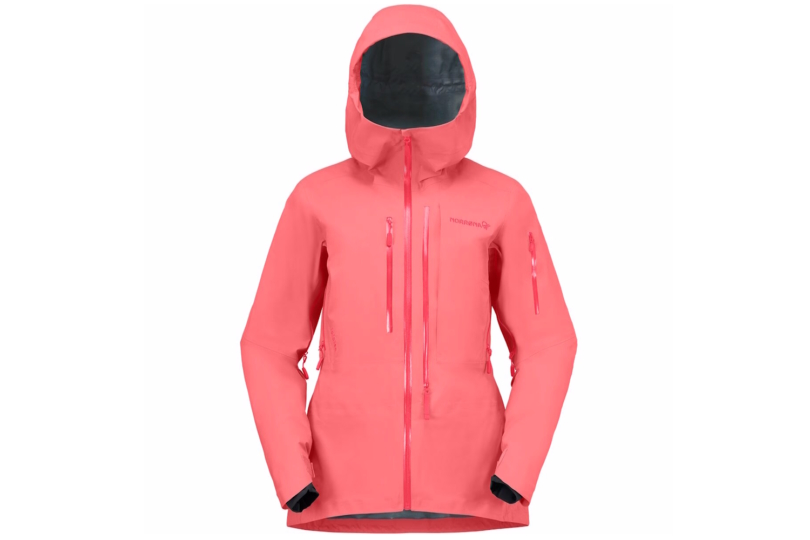
-
Weather Protection
8.0
-
Fit and Mobility
7.0
-
Durability and Construction Quality
8.9
-
Breathability and Ventilation
8.5
-
Fit:
Regular/athletic -
Insulation:
None -
Shell:
3-layer -
Waterproof rating (mm) / Breathability (g):
28K / 25K -
Weight:
642 g
Pros
-
RET 6 extreme breathability is the highest level possible
-
Storm hood is a great size — not too big — and slides over a helmet
Cons
-
Wrist gaiters could be less tight and more comfortable
-
Lots of pocket options but no hand pockets
-
Expensive
More Women’s Ski Jackets We Love
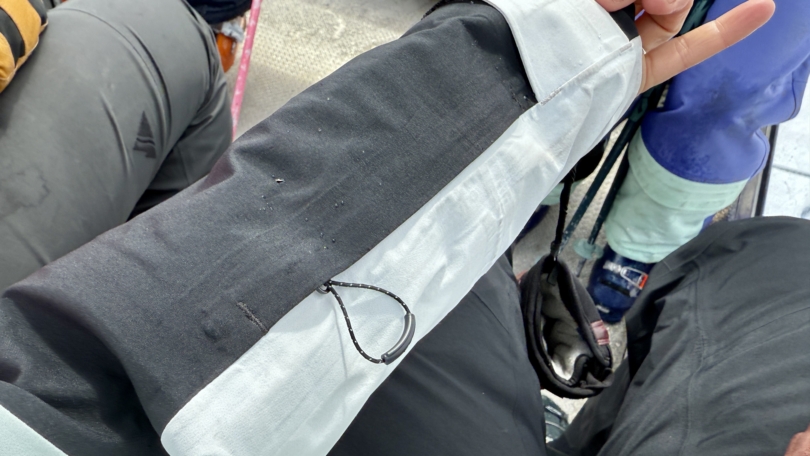
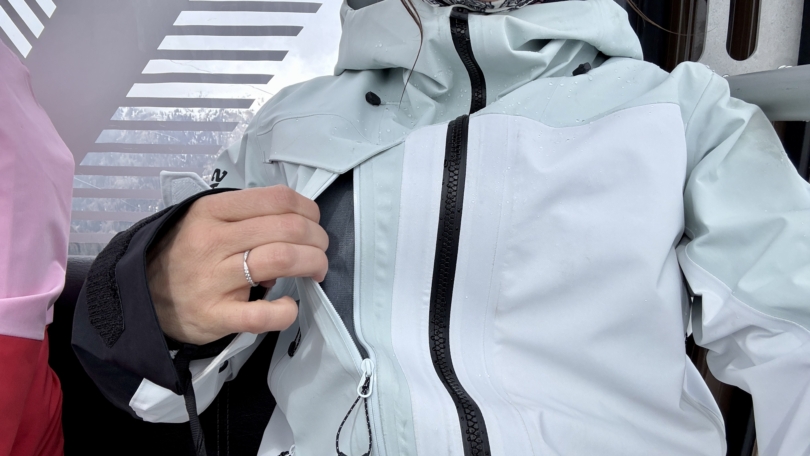
Salomon Women’s Moon Patrol GORE-TEX Jacket
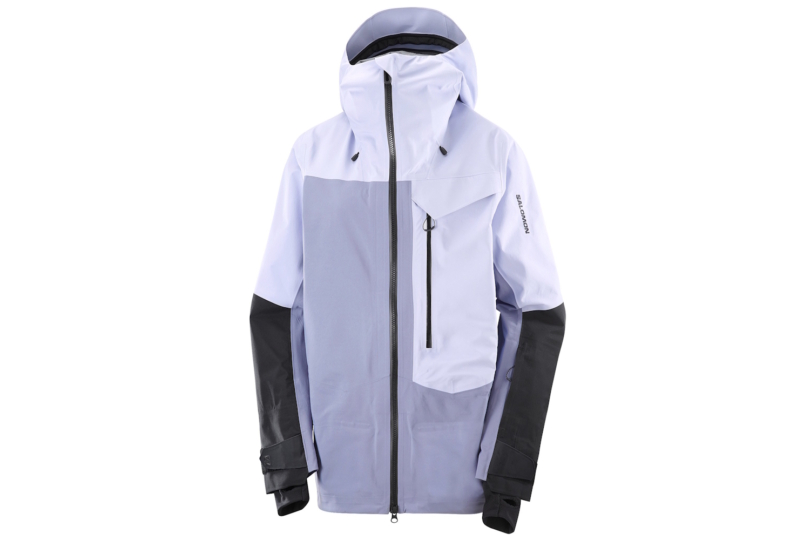
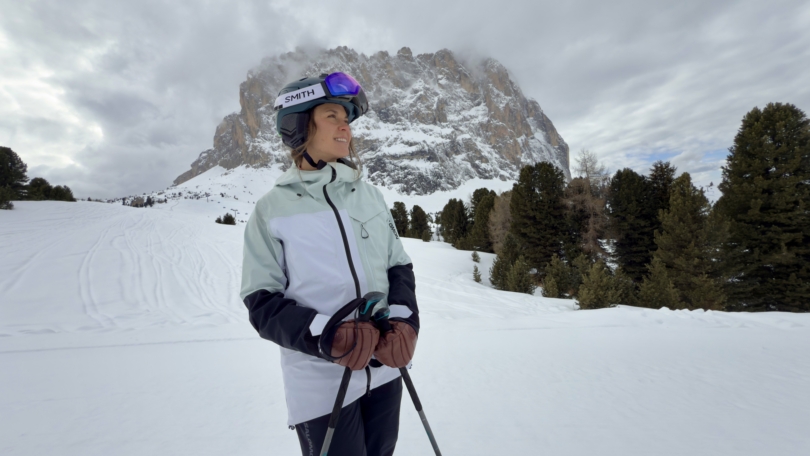
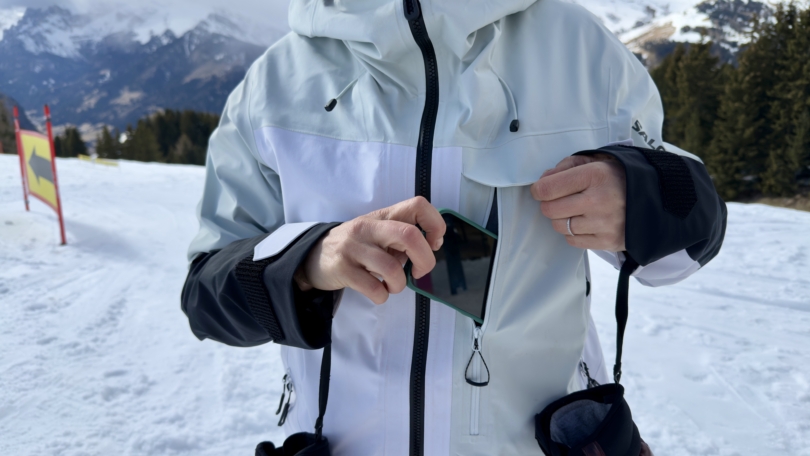
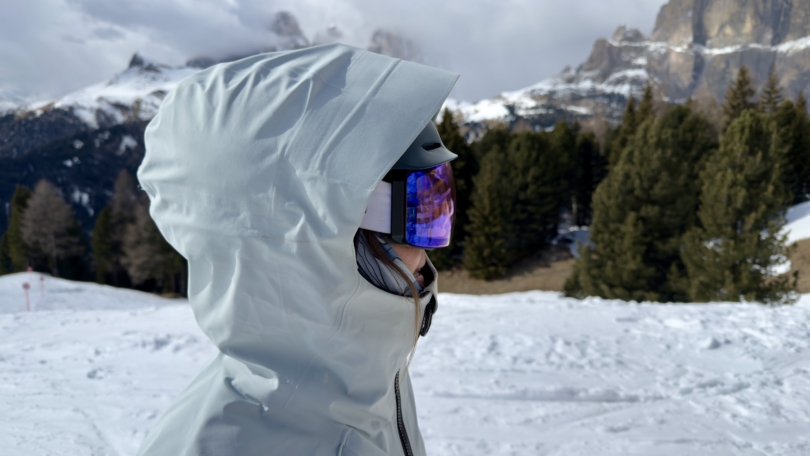
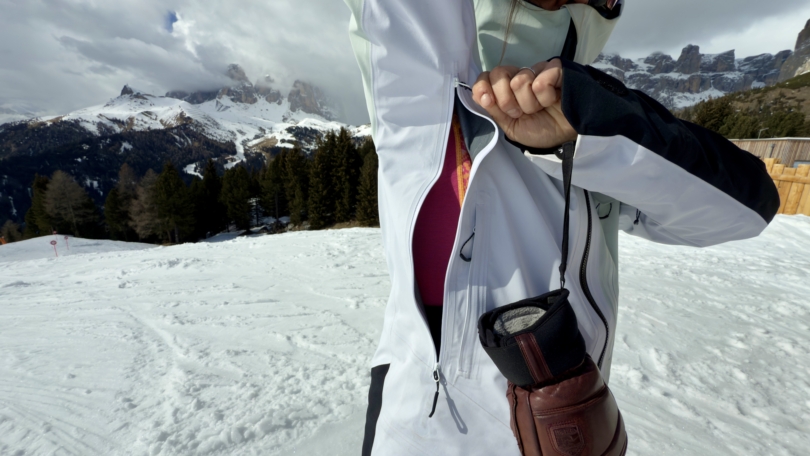
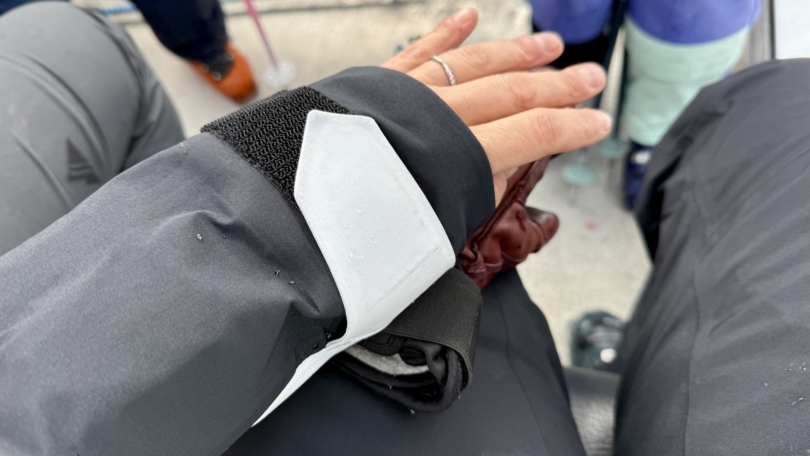
-
Weather Protection
7.5
-
Fit and Mobility
8.9
-
Durability and Construction Quality
8.9
-
Breathability and Ventilation
7.9
-
Fit:
Relaxed -
Insulation:
None -
Shell:
3-layer GORE-TEX -
Waterproof rating (mm) / Breathability (g):
Unavailable -
Weight:
624 g
Pros
-
Soft-yet-burly fabric
-
Lots of mobility for for backcountry lines and big resort days
-
Relaxed-but-flattering fit
Cons
-
Slightly bulky for backcountry pursuits
Arc’teryx Women’s Sentinel Jacket
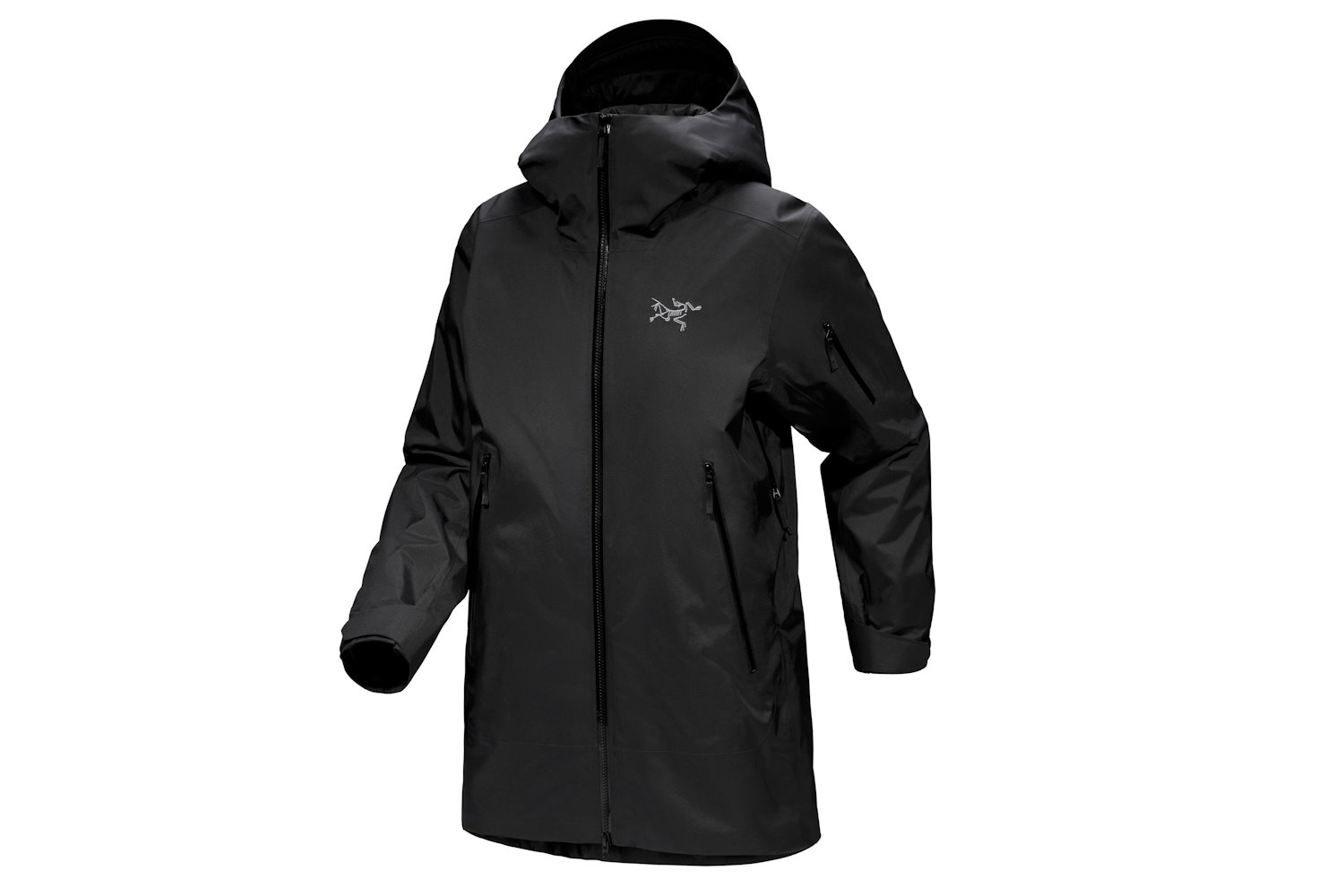
-
Weather Protection
9.5
-
Fit and Mobility
8.7
-
Durability and Construction Quality
9.0
-
Breathability and Ventilation
9.0
-
Fit:
Regular/athletic -
Insulation:
None -
Shell:
3-layer -
Waterproof rating (mm)/Breathability (g):
28K / 20K -
Weight:
590 g
Pros
-
Lightweight and high-performing
-
Fabric shields the elements
-
Slightly longer fabric in the back and arm length for extra protection
Cons
-
Powder skirt is not removable
-
At least one exterior chest pocket would be nice
-
Pricier
Stio Women’s Environ Jacket
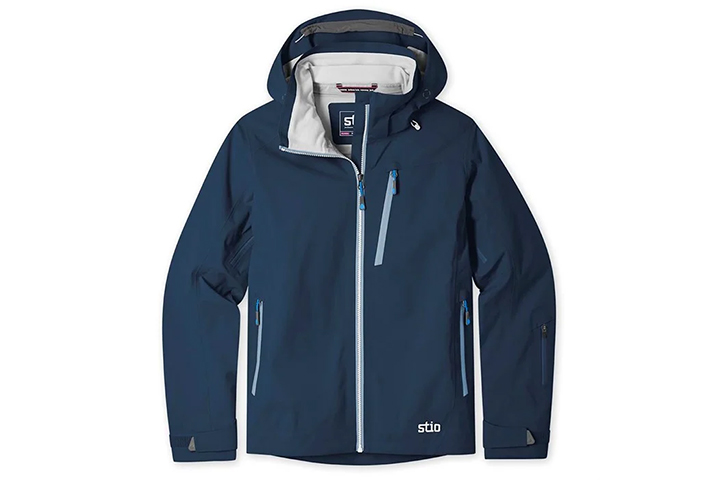

-
Weather Protection
9.0
-
Fit and Mobility
8.0
-
Durability and Construction Quality
9.0
-
Breathability and Ventilation
8.0
-
Fit:
Straight, regular -
Insulation:
None -
Shell:
3-layer PeakProof with 100% recycled polyester, 150-denier face fabric, 20,000mm waterproofness, 10,000g breathability, PFAS-free DWR -
Waterproof rating (mm)/Breathability (g):
20K / 10K -
Weight:
681 g
Pros
-
Extended collar reaches high inside hood and is generously lined with fuzzy, brushed tricot
-
Chin guard is fully lined with soft fabric
-
Reinforced hood brim helps block moisture
-
Articulated hood isn't too big or floppy when we're not wearing a helmet
Cons
-
Hood is very tight when worn around a helmet — not a good choice for helmet compatibility
-
Freeride-style riders will likely prefer more length in the torso and arms
-
We wish the two hand pockets were softly lined
Mountain Hardwear Boundary Ridge GORE-TEX Jacket
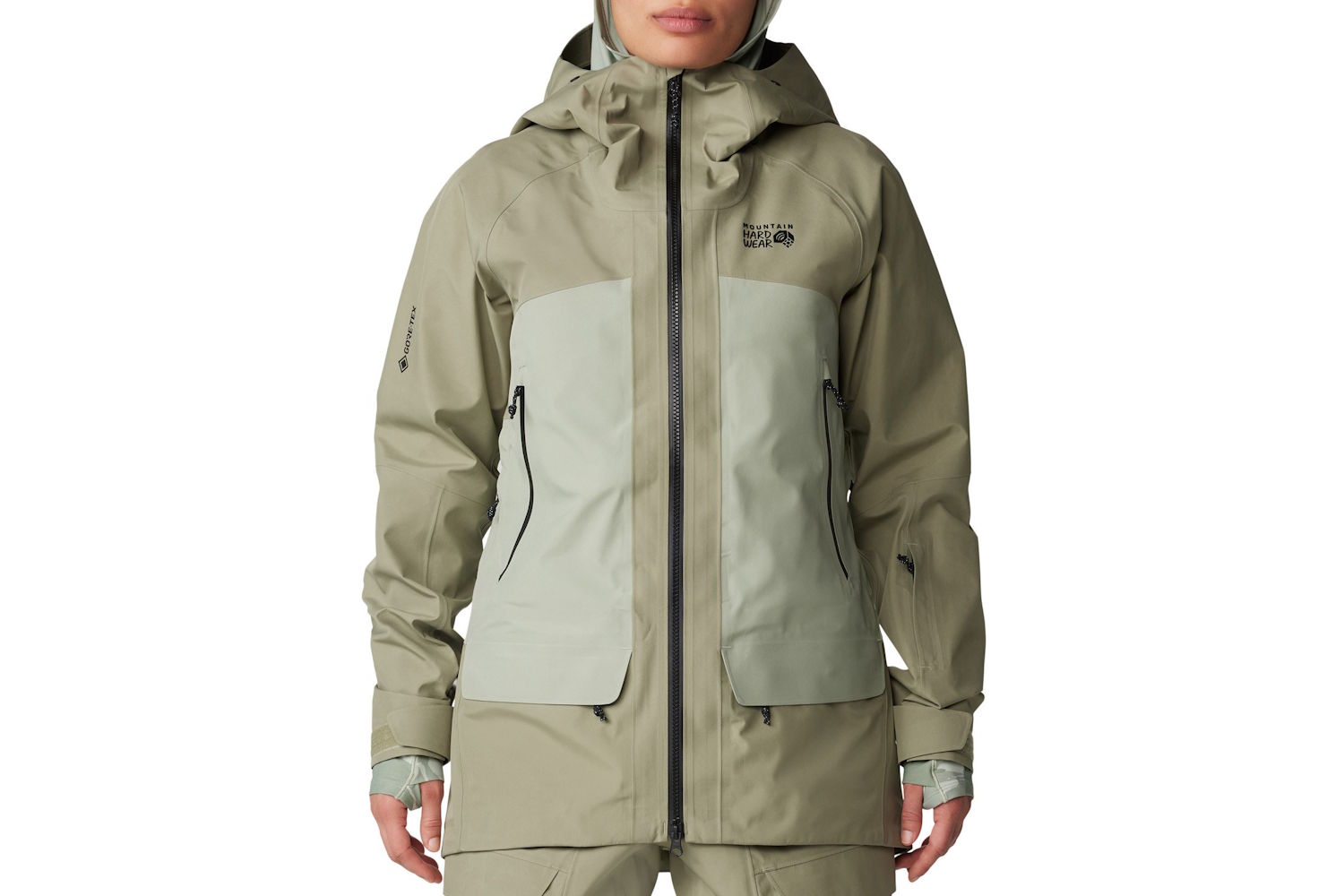
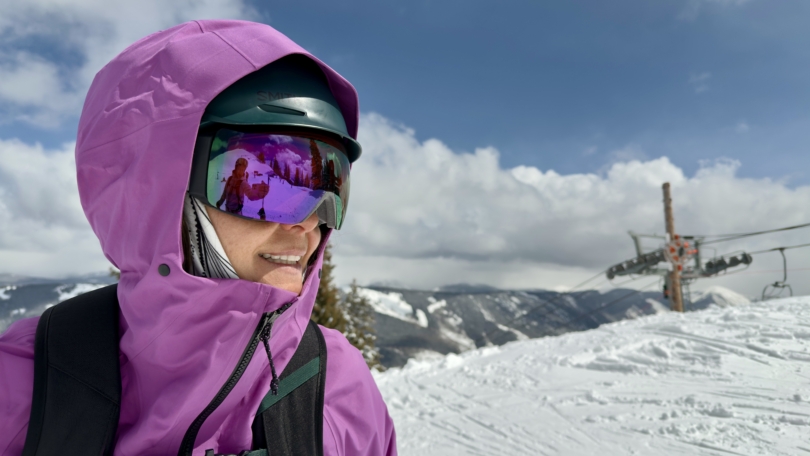
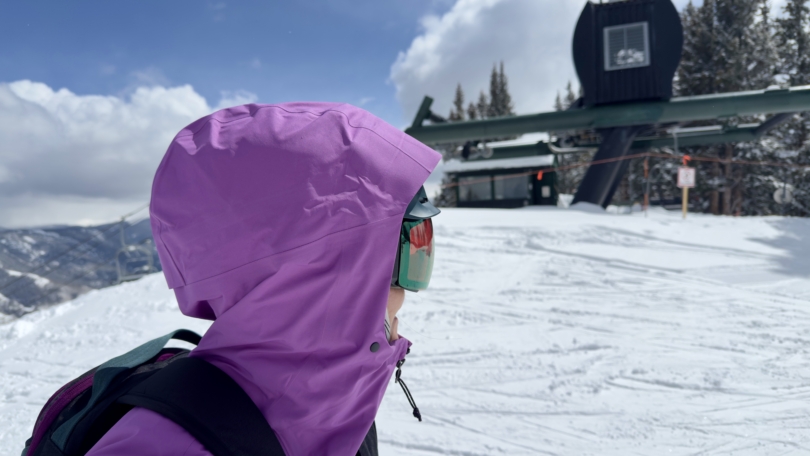
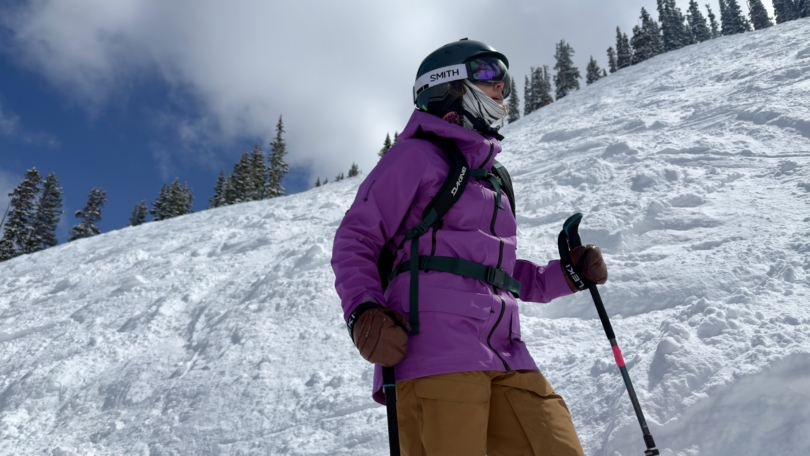
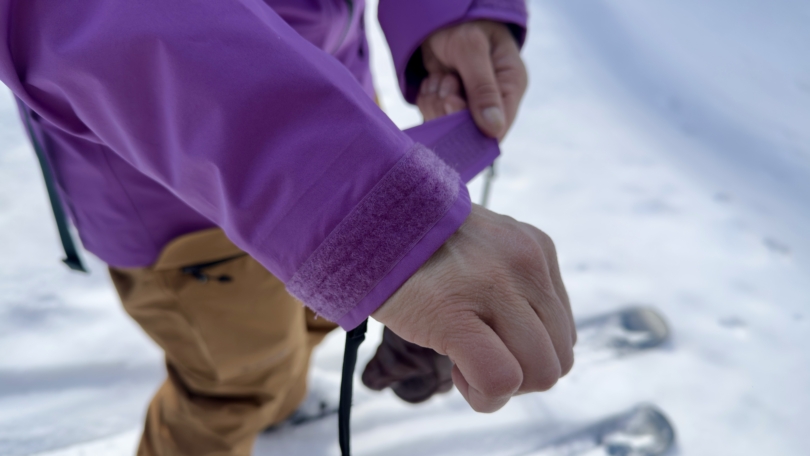
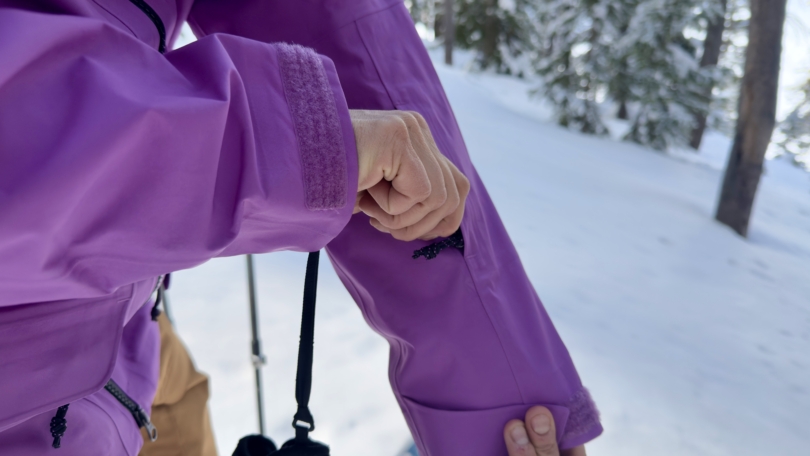
-
Weather Protection
9.0
-
Fit and Mobility
7.0
-
Durability and Construction Quality
8.0
-
Breathability and Ventilation
7.0
-
Fit:
Relaxed -
Insulation:
None -
Shell:
3-layer GORE-TEX -
Waterproof rating (mm) / Breathability (g):
28K / Unavailable -
Weight:
652 g
Pros
-
Bombproof weatherproofing
-
Tons of features that make your life easier
-
Relaxed-but-flattering fit
Cons
-
Too heavy for backcountry pursuits
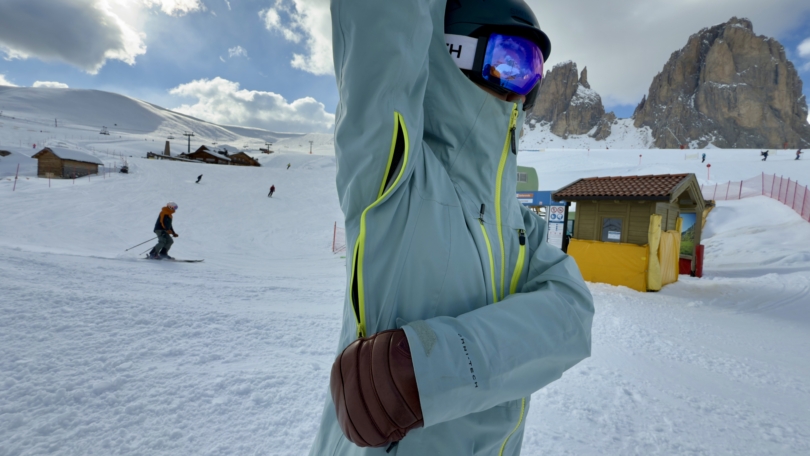
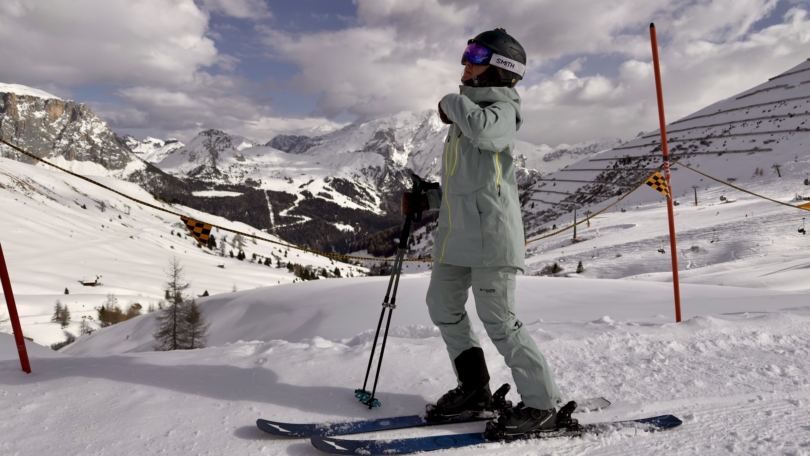
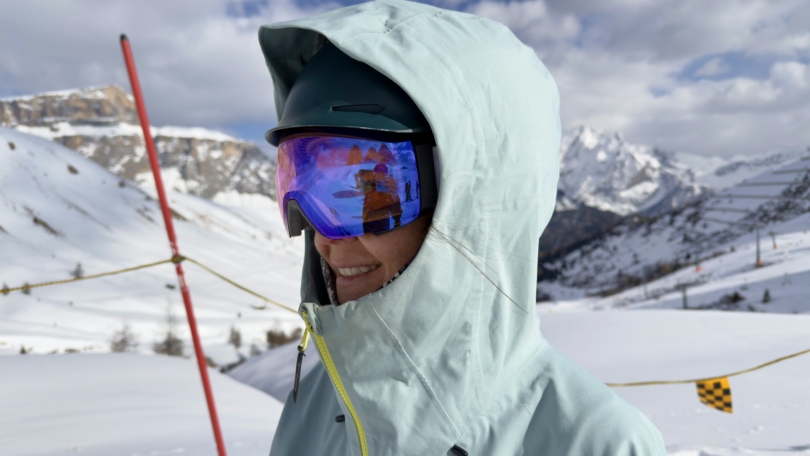
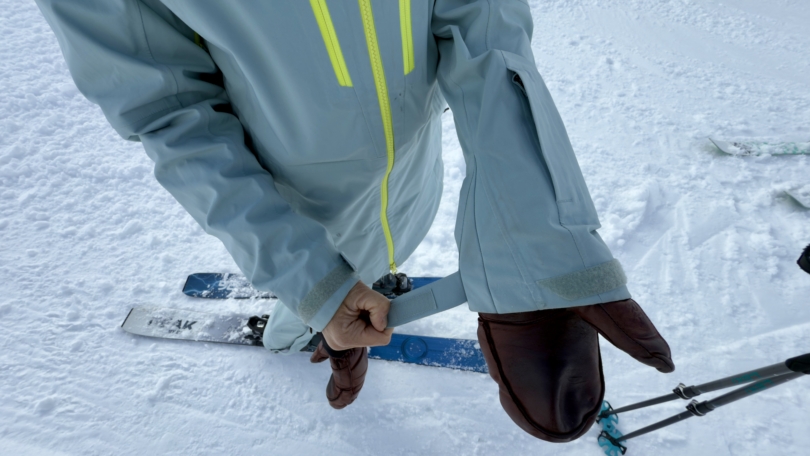
Columbia Women’s Titanium Platinum Peak II 3L Shell
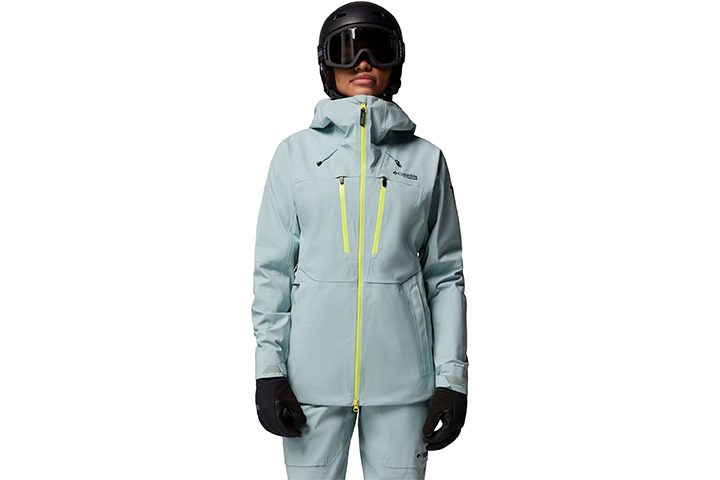
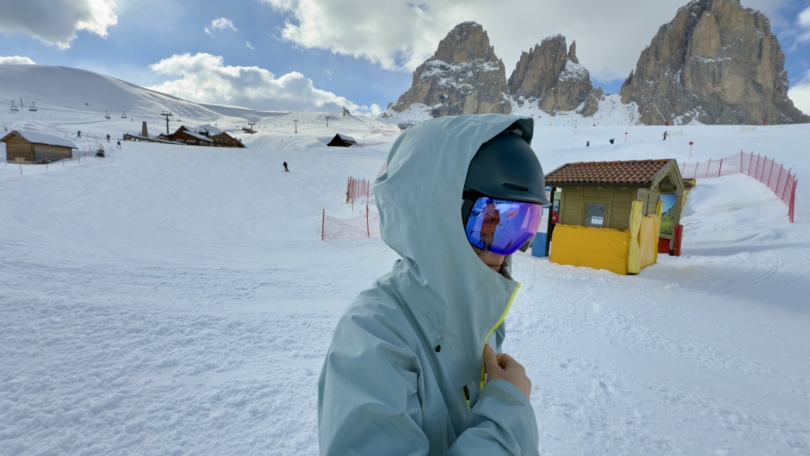
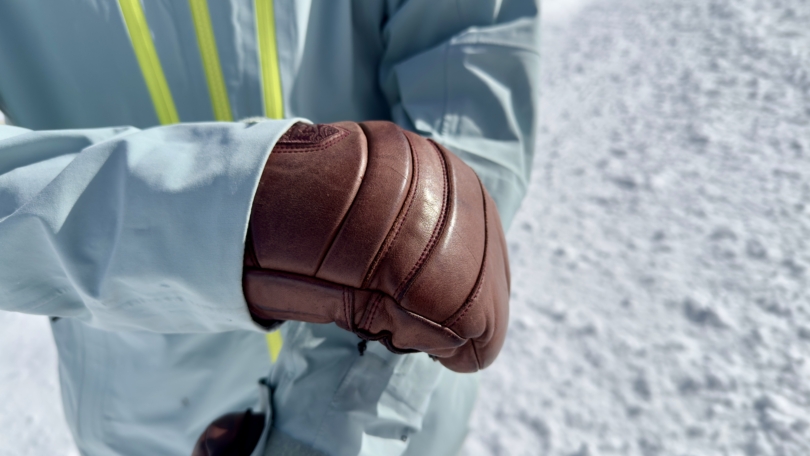
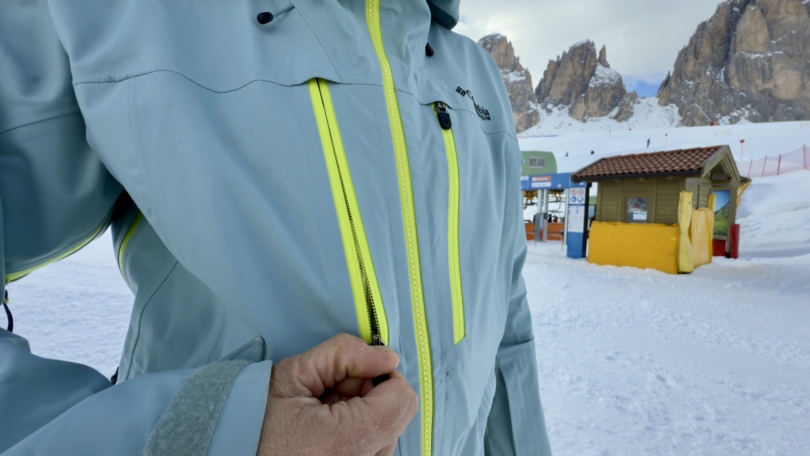
-
Weather Protection
9.0
-
Fit and Mobility
8.0
-
Durability and Construction Quality
8.5
-
Breathability and Ventilation
8.9
-
Fit:
Relaxed -
Insulation:
None -
Shell:
3-layer Omni-TECH waterproof/breathable membrane -
Waterproof rating (mm) / Breathability (g):
20K / 20K -
Weight:
635 g
Pros
-
Functional fit with room to layer
-
Nice-to-have features like adjustable wrist cuffs
-
Solid waterproofing and weather protection
-
It’s a screaming bargain compared to many other jackets on the market
Cons
-
It runs small, so you may need to size up
Patagonia Women’s Untracked Jacket
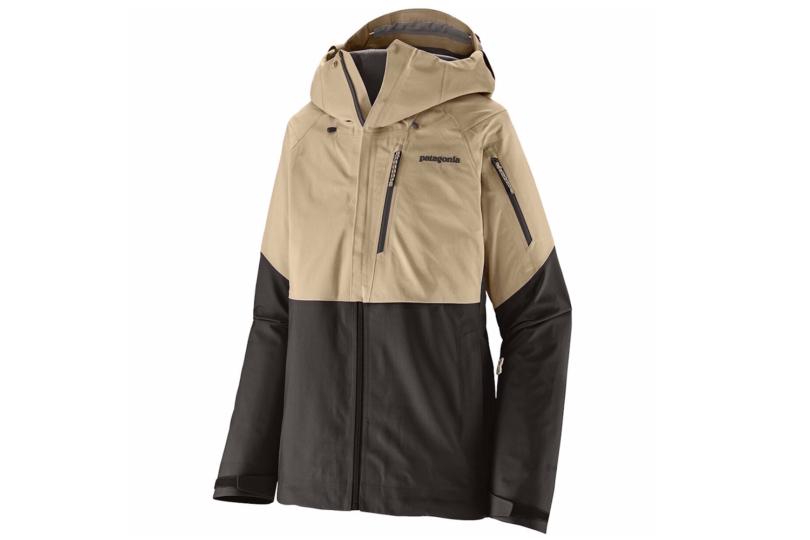
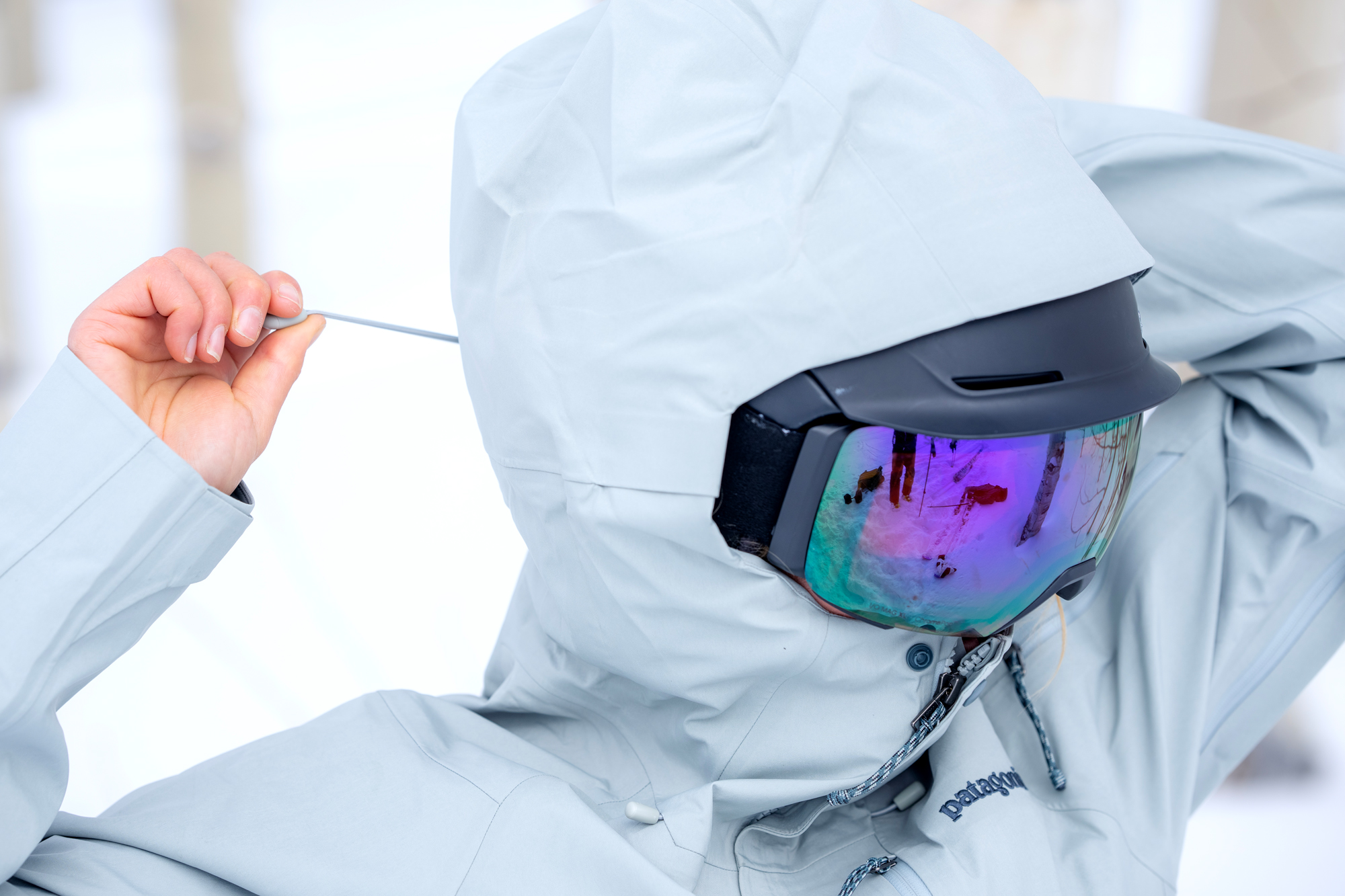
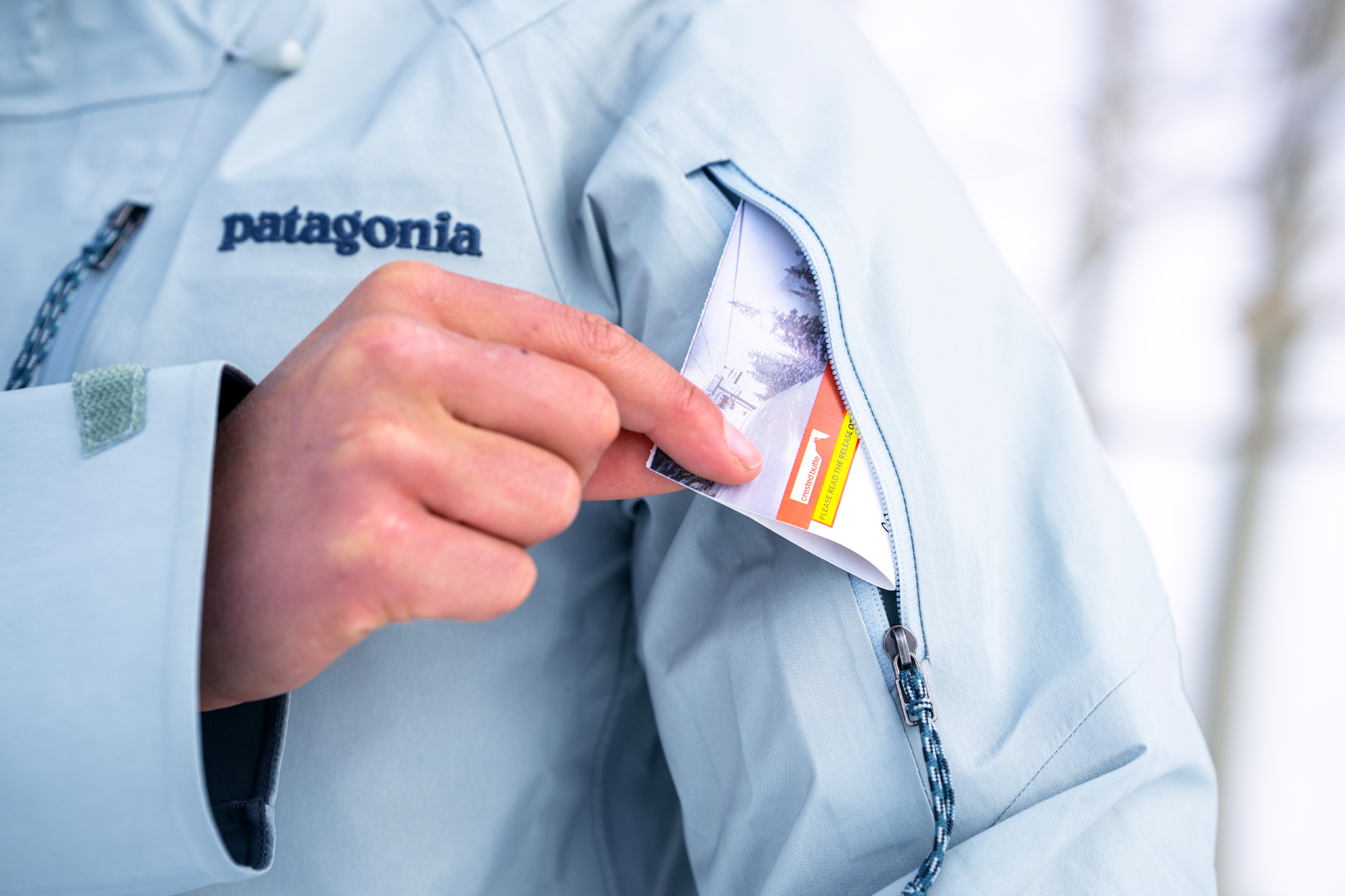
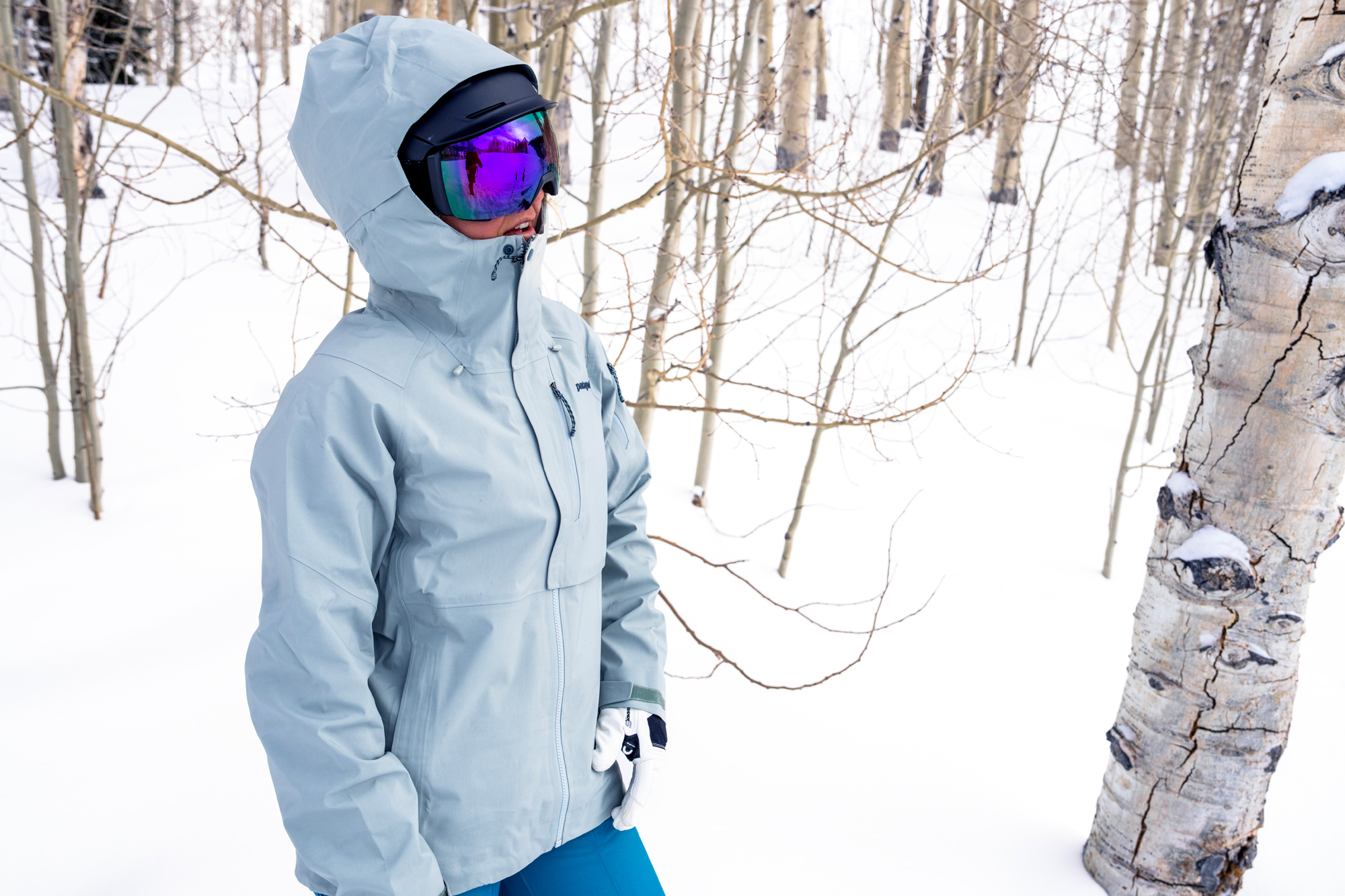
-
Weather Protection
9.0
-
Fit and Mobility
8.5
-
Durability and Construction Quality
8.5
-
Breathability and Ventilation
8.0
-
Fit:
Relaxed -
Insulation:
None -
Shell:
3-layer PFC-free ePE GoreTex, PFC-free DWR, 100% recycled nylon -
Waterproof(mm)/Breathability (g):
28K / 20K -
Weight:
595 g
Pros
-
100% recycled material
-
Very durable and weatherproof
Cons
-
Light gray color is challenging to see on the slopes
-
More cost-prohibitive than other options
Helly Hansen Women’s Powchaser 2.0 Jacket
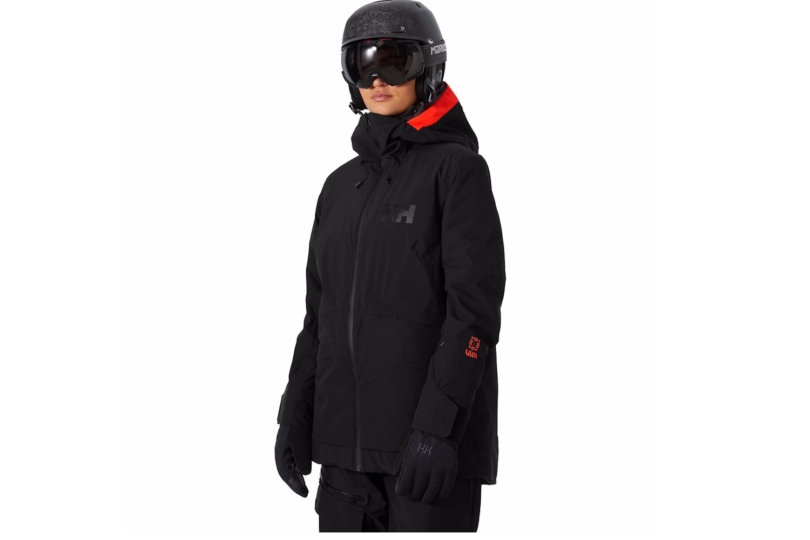
-
Weather Protection
8.0
-
Fit and Mobility
8.0
-
Durability and Construction Quality
8.0
-
Breathability and Ventilation
7.0
-
Fit:
Freeride, baggier side -
Insulation:
100% recycled 60g PrimaLoft Ocean Bound plastic -
Shell:
2-layer certified-bluesign and waterproof proprietary fabric -
Waterproof rating (mm) / Breathability (g):
20K / 20K -
Weight:
900 g
Pros
-
Freedom of movement
-
Warmth thanks to insulation
Cons
-
Lacks exterior chest pocket
-
Exterior lower pockets are top-entrance only — not the quickest or most ergonomic
How We Tested the Best Women’s Ski Jackets
The GearJunkie team heavily researches and field testswomen’s ski jackets since it was first published in 2021. This guide has received eight updates to ensure we’re covering the most edge-cutting silhouettes.
Our Expert Testers
Leading the team, GearJunkie Senior Editor Morgan Tilton specializes in snowsports and grew up skiing in the mountains of Southwest Colorado. She’s been a gear journalist for more than a decade including reporting at nearly 16 outdoor industry trade shows for the Outdoor Retailer Daily and Snow Show Daily, and serving as Snowboard Editor at Teton Gravity Research.
Gear tester Heather Balogh Rochfort is a writer and editor based outside of Aspen, Colo. Other contributors include gear tester Mary Murphy and professional ski guide and avalanche instructor Kaylee Walden, who are also both based in Colorado.
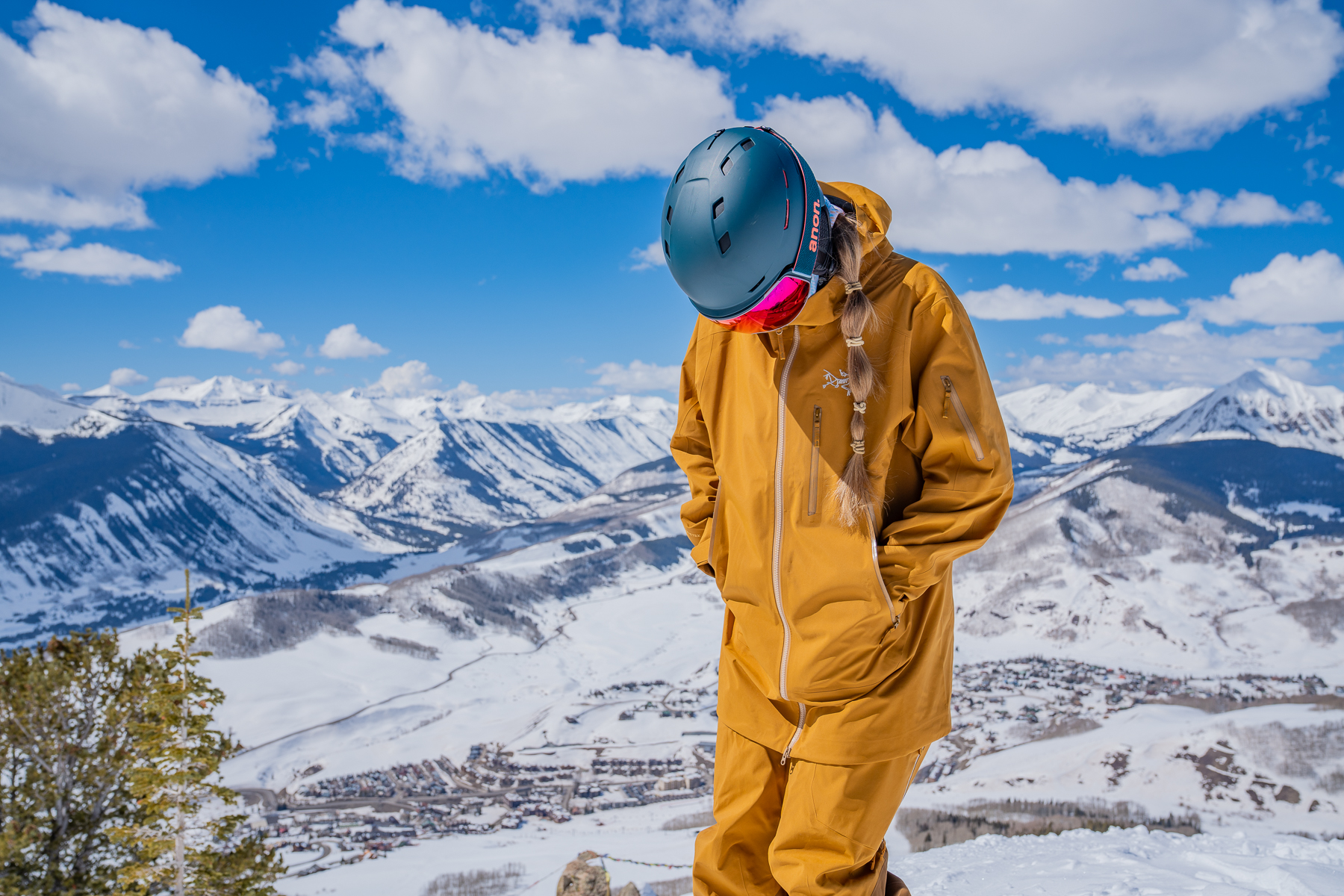
Our Testing Grounds & Data
Based in the blustery heart of Gunnison Valley, Tilton tests ski jackets in the Crested Butte backcountry and at Crested Butte Mountain Resort. She also takes rounds at Telluride Ski Resort, in the Tetons, and throughout British Columbia.
So far in 2025, Tilton has tested women’s ski jackets for 165 hours across 43 days with 700 miles and 195,000 vertical feet of on-snow travel. The year prior, she tested women’s ski jackets for 264 hours across 76 days. In 2023, she tested women’s ski jackets for nearly 200 hours and 70 days in the backcountry and frontcountry. Those numbers exclude shoveling massive amounts of snow.
In the Roaring Fork Valley, Rochfort logged more than 60 days on skis during the 2023-2024 season in an effort to put women’s ski jackets to the test.
The GearJunkie team has gathered twice annually for a ski week at Crested Butte Mountain Resort in 2022 and 2023.
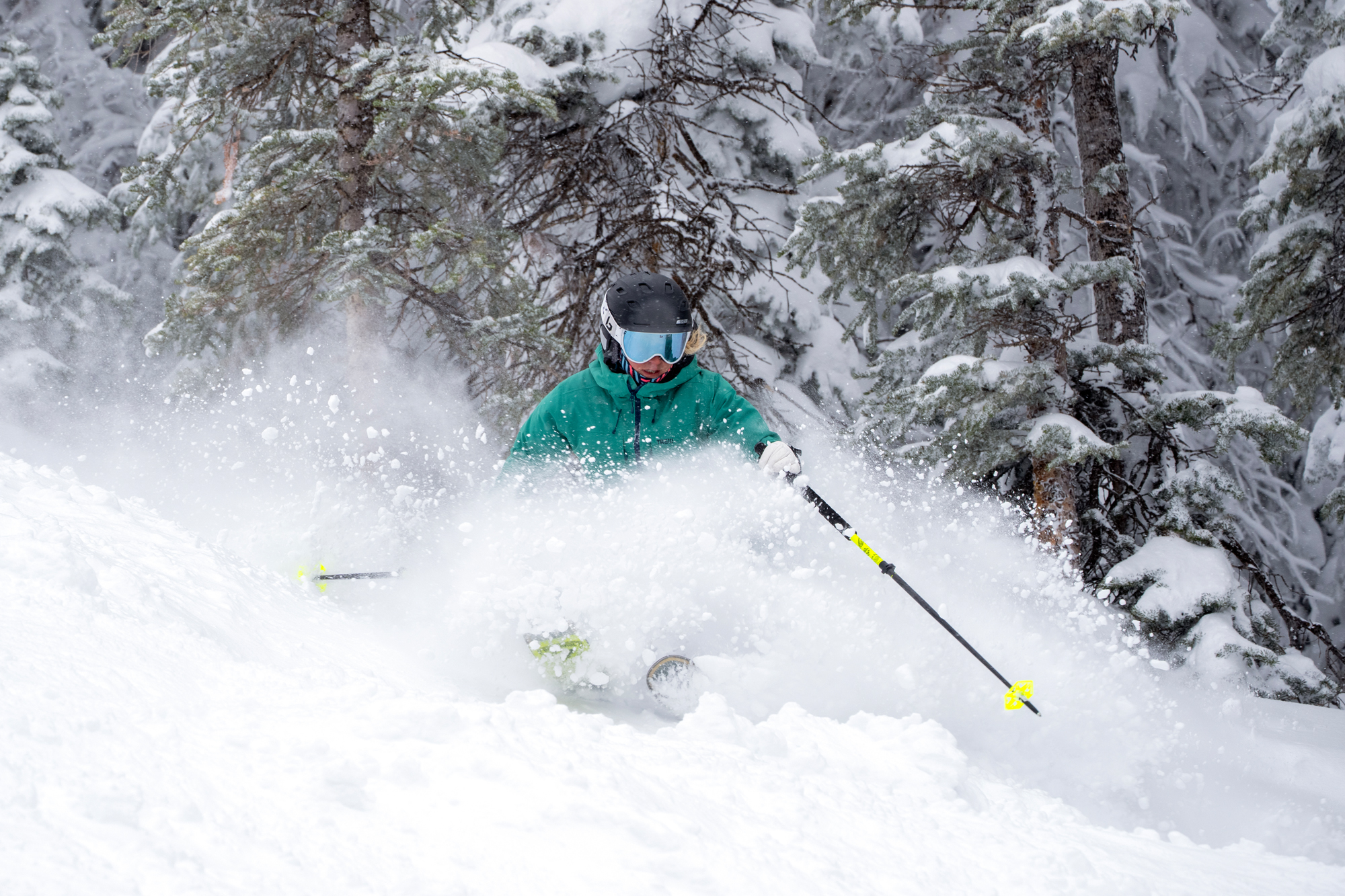
Our Testing Process
We test women’s ski jackets in a range of conditions and across many days while considering the overall fit, waterproofness, breathability, density, comfort, and durability. We also take in account the sustainability, functionality, hand feel, quality, and value.
We take note of the details, including the quantity, arrangement, and style of the pockets plus the pocket liners. Other important qualities include the zippers, zipper pulls, hood, brim, cuffs, wrist gaiters, collars, and liners. We track down the jackets with the top accolades, new technologies, and legacy designs.
The final selection has been chosen by our team as the best options that are currently on the market. While these ski jackets for women are multipurpose across a variety of winter sports, these pieces serve a wide range of downhill skiers.
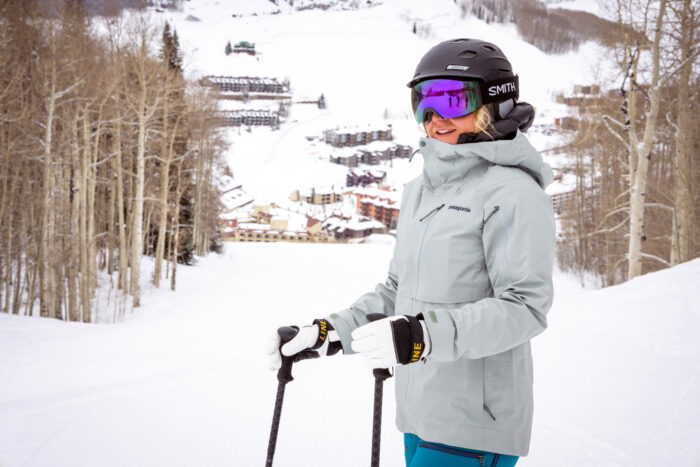
Our Women’s Ski Jackets Rating System
We score each women’s ski jacket on a 1–10 scale for Weather Protection, Fit and Mobility, Durability and Construction Quality, plus Breathability and Ventilation. While considering weather protection, we take into account how the jacket shields moisture and wind. Fit and mobility examines how effortlessly the jacket moves with us while going uphill, downhill, ski pole planting, wearing a ski backpack, and bending over, as well as if there are any snag points. Durability and construction quality considers the overall material, seams, collar, hood, zippers, and pockets. The breathability and ventilation takes a look at how effectively the design releases moisture and heat during high-output activity, including the material and mechanical vents.
The Overall Rating is based on contextual, editorial judgment, and the complex user experience across various scenarios and conditions.
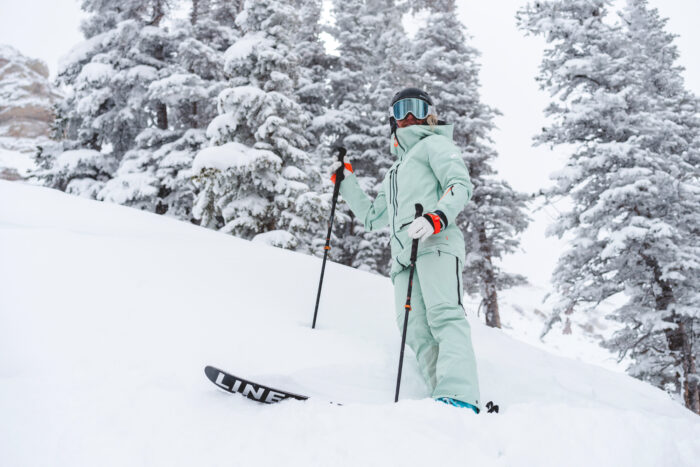
Buyer’s Guide: How to Choose a Women’s Ski Jacket
The pool of women’s ski jackets can seem endless. Choosing the best ski and snowboard jacket is based on where you ski most, the climate and weather conditions, your goals, and what fits well, as well as the product’s granular details — like where pockets are located and if the powder skirt is removable — plus your preferred aesthetic and style.
A couple of significant dividers: Maritime-based folks in the Pacific Northwest should consider options with a higher level of waterproofness. Skiers who frequent a sunnier, drier climate like Colorado, with a continental snowpack, can typically opt for less waterproof, more breathable jackets. Another major factor is if you prioritize riding ski lifts inbounds or head in the backcountry, which influences the design of the jacket.
Within those goals and parameters, you can nail down other features you value, like insulation, a larger hood, or underarm vents. The time commitment and demands of your skiing can inform how durable your gear needs to be and an appropriate budget.
There’s no getting around the fact that we also want our women’s ski jackets to look good. Consider all the technical factors as well as the style to find the best option for you.

Insulated vs. Non-Insulated Women’s Ski Jackets
Many dedicated women’s ski jackets offer no insulation and simply act simply as an exterior waterproof, windproof shell. Shell jackets are the most versatile option to use across a variety of conditions. You can pull on this outer layer to stay dry and protected from the sun, wind, precipitation, surrounding vegetation like tree branches, or abrasive snowburn if you slide out.
Designs without insulation typically have enough room to add a midlayer in addition to a base layer beneath for colder days. This type of jacket works best for climates with a range of temperature conditions as well as spring days (with cold mornings and warm afternoons) at the resort or powder days where you’re working harder and potentially building up more heat.
Skiers who spend time on hike-to terrain, or in the sidecountry or backcountry, will want a shell jacket so that they can maximize control over their layering system and temperature regulation. An option like the Patagonia Women’s SnowDrifter Jacket would work well.
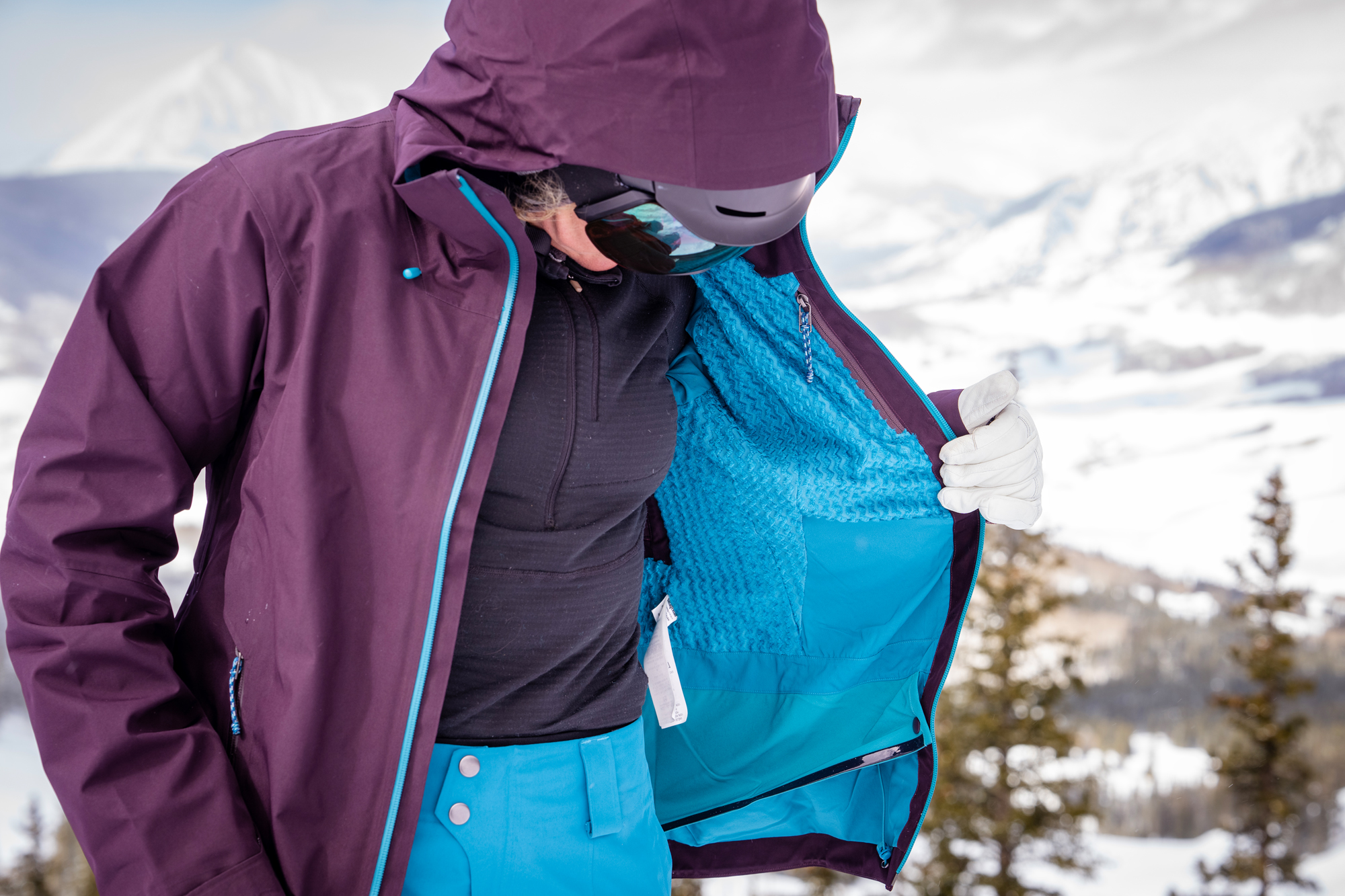
Other designs are insulated. If the temperatures are consistently cold, windy, or if you generally get chilled, an insulated jacket might be a good choice. Insulated ski and snowboard jackets can be prime for sub-zero or blustery conditions, long lift rides (especially with hair-raising gusts) and lift lines, or frequent breaks while going downhill. Photographers, teachers, instructors, guides, and parents might find value in a jacket with insulation while taking stops.
Some skiers can wear an insulated jacket over a base layer without as much consideration for what midlayer to bring along. The type and warmth level of insulation varies across each jacket from flannel to down-filled panels or synthetic materials. The Helly Hansen PowChaser 2.0 is a great option for a warm yet versatile resort skiing jacket.
For some skiers, though, insulated jackets can pigeonhole them into donning too much warmth. To decide which type of jacket is right for you, consider the climate where you usually ski or snowboard, if there is frequent windchill, and your body temperature on the lift.
Two-Layer vs. Three-Layer Construction
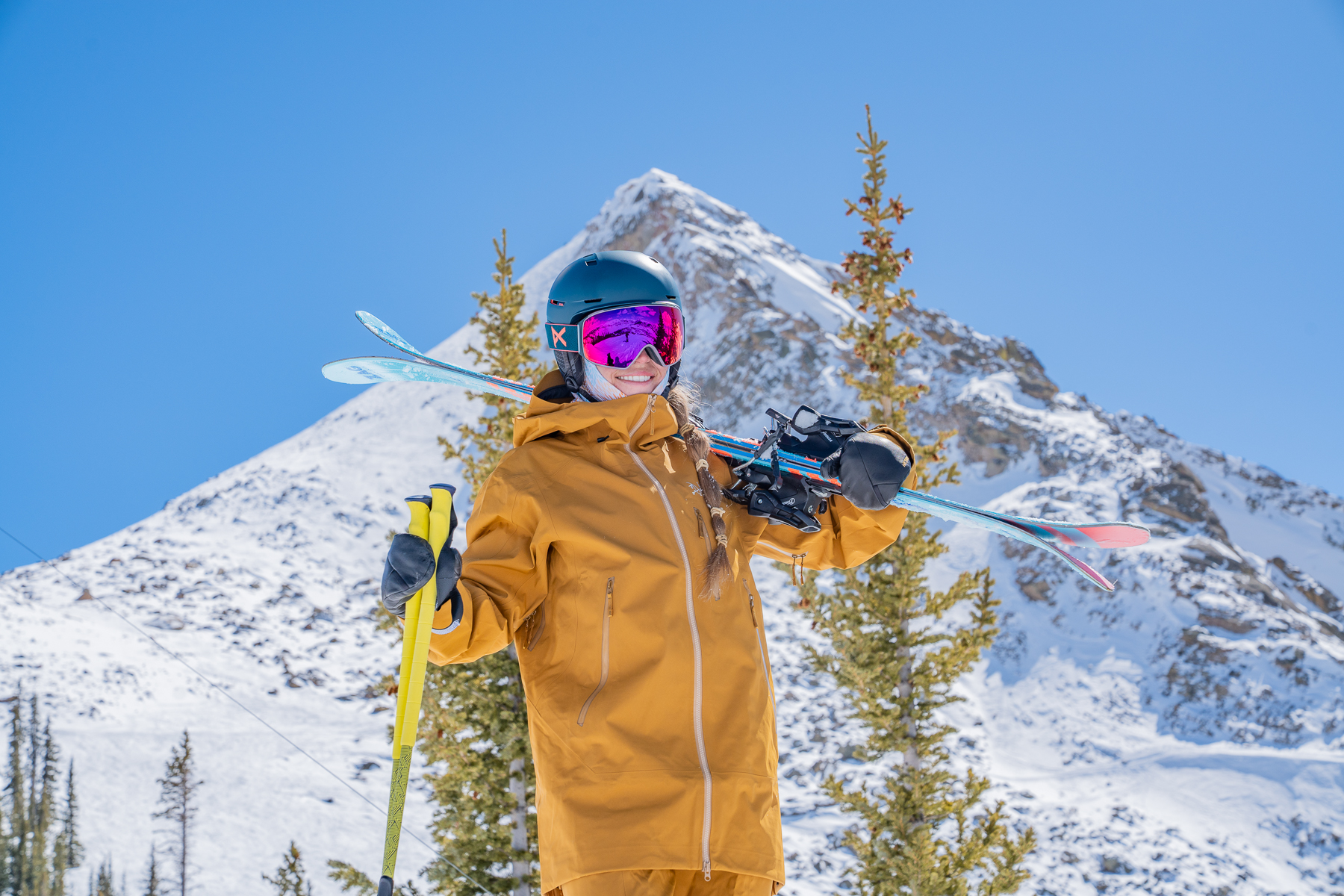
A two-layer jacket has a face fabric — often polyester or nylon — connected to an inner liner that protects the fabric, which adds comfort and breathability. These jackets usually feel less hefty than a three-layer jacket.
Some have an insulation layer, and the outermost surface is usually treated for waterproofness. The price is generally more moderate compared to three-layer jackets.
Dialing up the durability, a three-layer jacket is a waterproof/breathable membrane — often made by GORE-TEX or a brand’s in-house tech, like The North Face’s DryVent or FUTURELIGHT — sandwiched between a tough face fabric and liner. Sometimes the outer fabric is treated for waterproofness. These jackets offer more protection for fierce weather conditions, which the price tag reflects.
Broadly, you’ll want to scrutinize how robust you need your jacket to be for the conditions you’ll ski in as well as budget needs.
Waterproofness
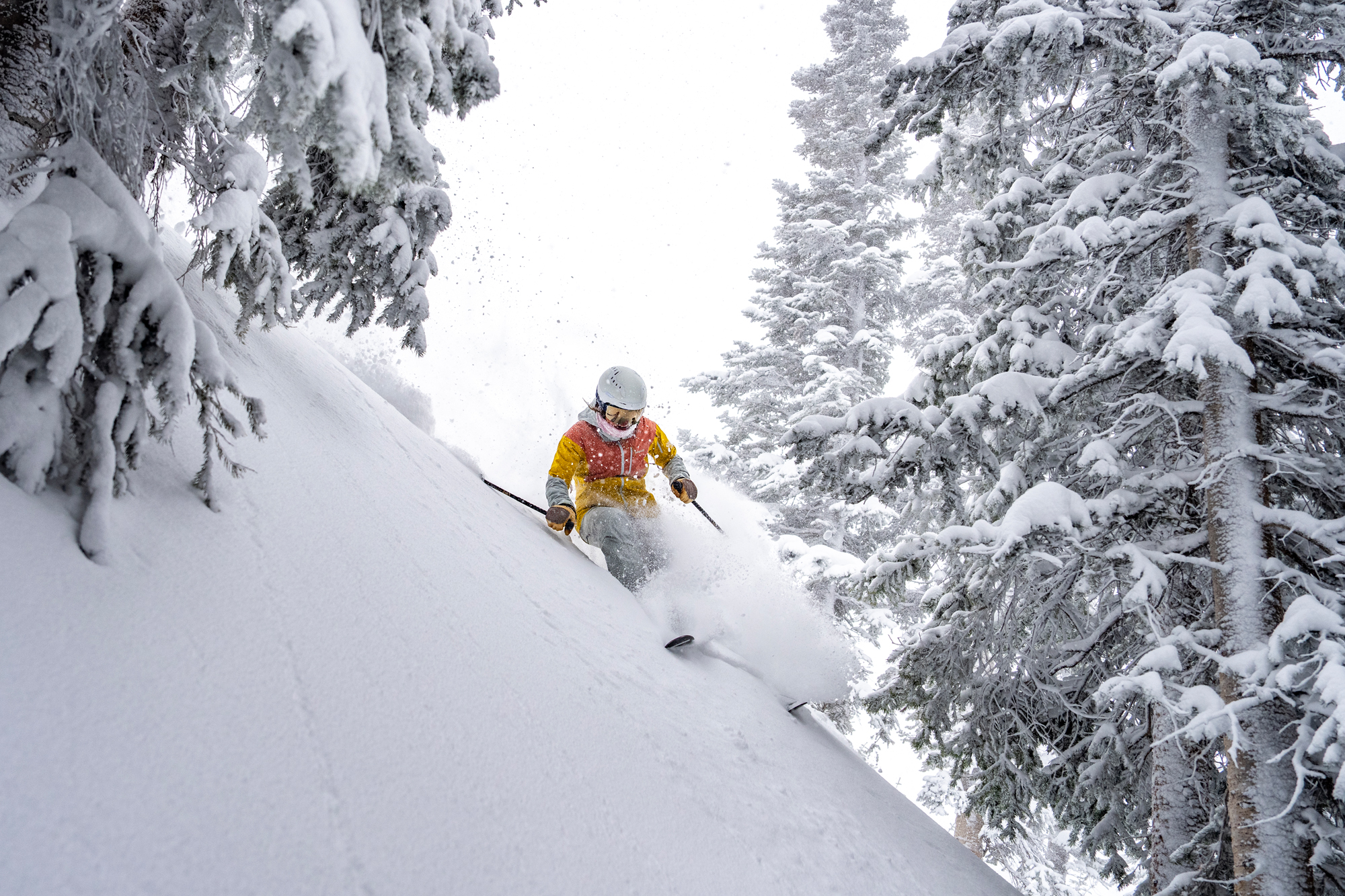
A waterproof jacket is ideal for skiing because weather can change in an instant, and you don’t want to run the risk of getting wet from snow or rain. The top-tier standard for waterproofness is GORE-TEX, a membrane integrated into various jacket designs.
The material is waterproof, windproof, and breathable. Some brands have a proprietary version of waterproof/breathable fabrics.
Often, waterproofness is measured by the amount of water that a fabric can withstand before it leaks, from 5,000 to 20,000 mm or greater. The latter end of the spectrum leads to a less breathable fabric.
- 0-5,000 mm: Resistant to light rain, dry snow
- 6,000-10,000 mm: Waterproof for light rain and dry, non-heavy snow
- 11,000-15,000 mm: Waterproof for moderate rain and dry, non-heavy snow
- 16,000-20,000 mm: Waterproof for heavy rain and wet snow
- 20,000 mm and greater: Waterproof for heavy rain and dense, wet, heavy snow
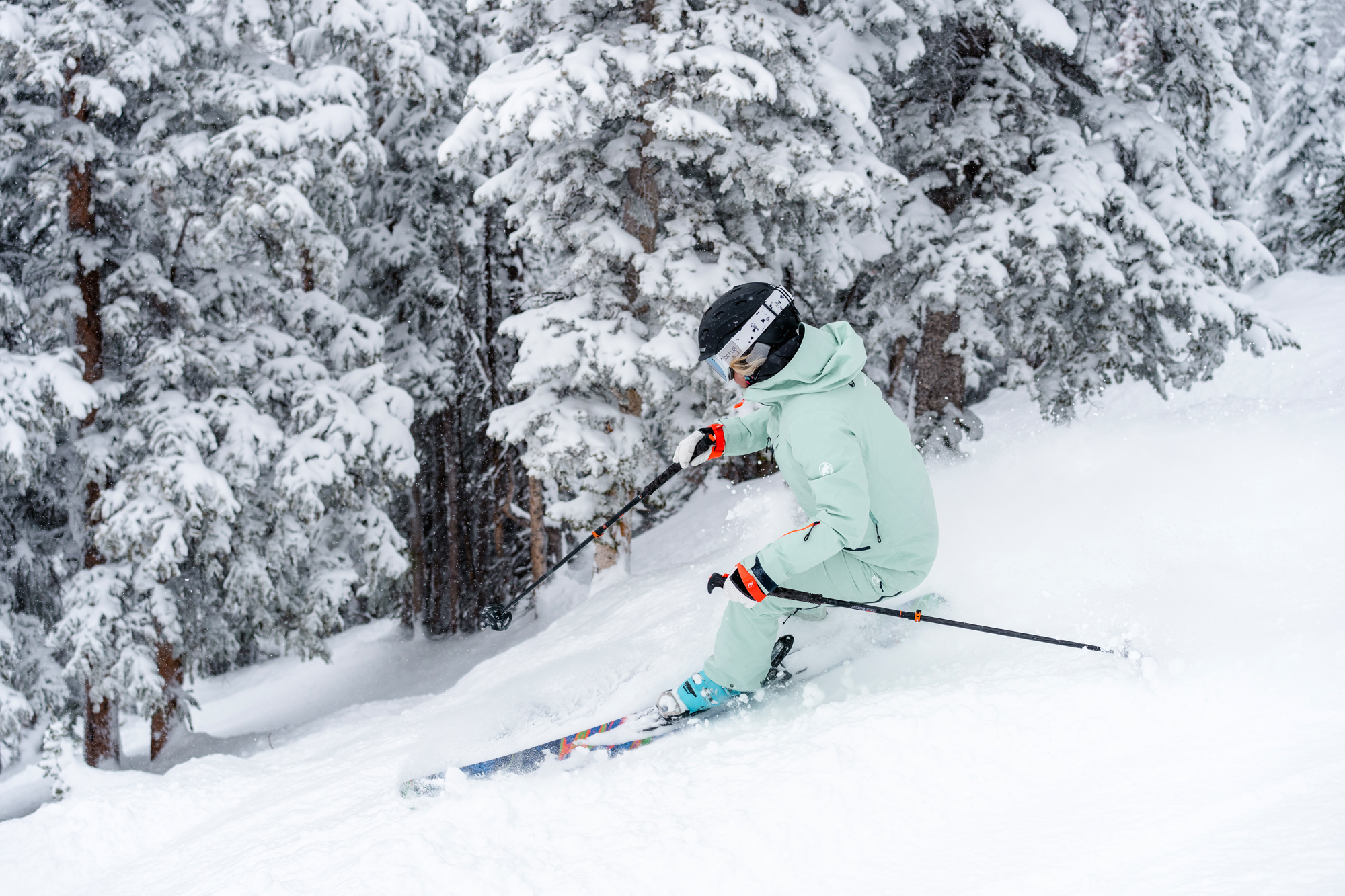
For many locations, a waterproof range of 8,000 to 10,000 mm works well for mild to moderate precipitation. If you generally ski in a wetter climate with heavier snow (meaning, the snow water equivalent, or the water content in the snow, is higher) or you want to use your ski jacket for the backcountry, a jacket with more waterproofness is a good call.
Among the most waterproof ski jackets on our list are the Arc’teryx Women’s Sentinel Jacket and Norrona Women’s Lofoten GORE-TEX Pro Jacket, which both provide 28,000 mm of water protection and are great options for the backcountry.
Face fabric treatments, which can be eco-friendly formulas or chemicals toxic to the environment, can also make a jacket waterproof. And some ski jackets have sealed seams and waterproof zippers to help block moisture.
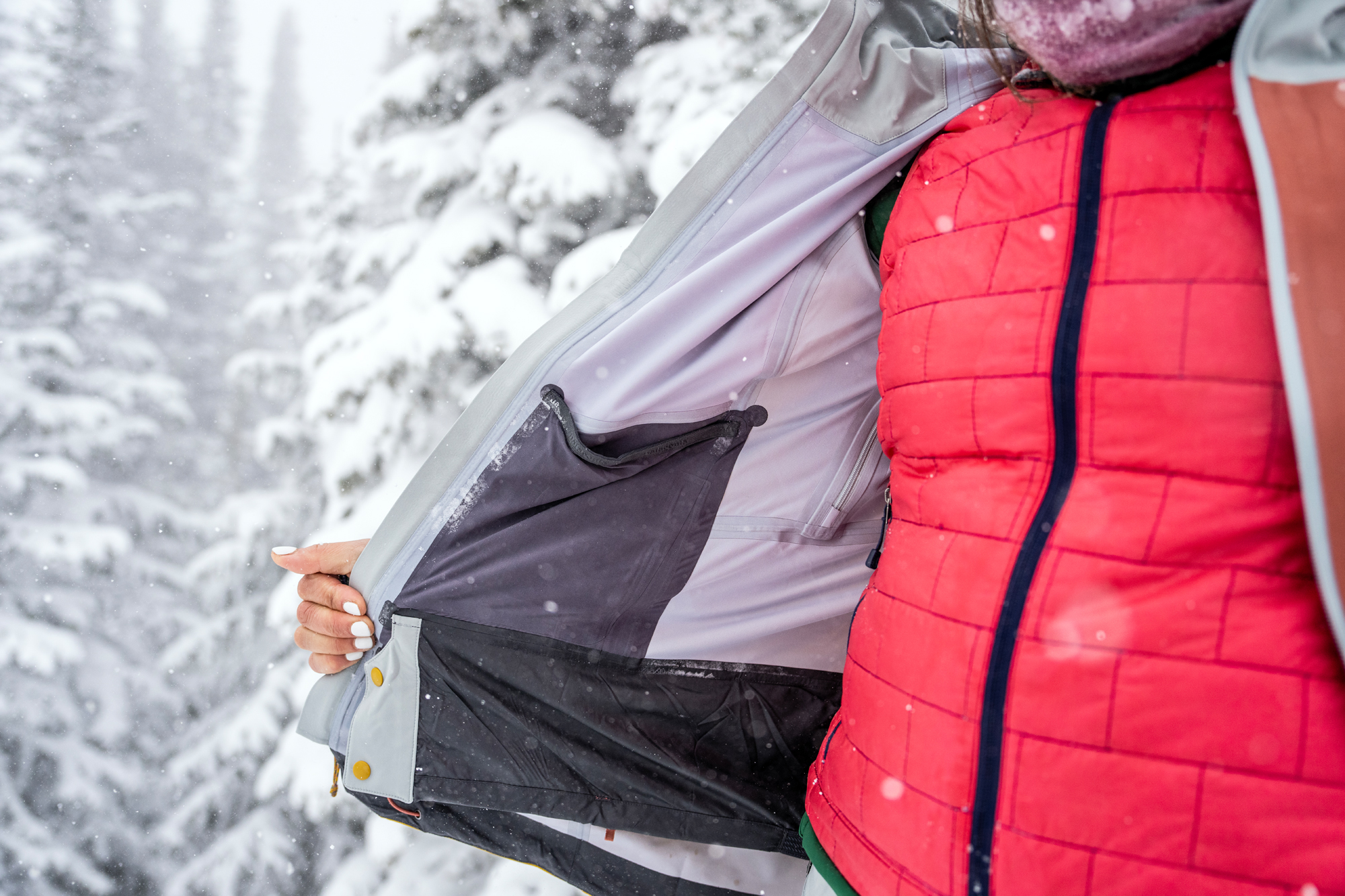
Breathability
A jacket’s breathability is the ability of the fabric to allow your body heat or perspiration to pass through from the interior to the exterior.
Generally, breathability is measured by the grams of water that can pass through one square meter of fabric over a 24-hour period (written as g/m² or an abbreviated g). However, there’s no industry standard for testing a jacket’s breathability, so the methods vary across manufacturers.
- 5,000-10,000 g/m²: Not the most breathable, suitable for inbounds alpine skiing
- 10,000-15,000 g/m²: Moderate breathability
- 15,000-20,000 g/m² and higher: Super breathable, good range for inbounds uphill workouts and backcountry tours
For high-output resort skiing or on powder days, aim for a jacket with a breathability rating of 10,000 to 15,000 g/m². Backcountry skiers and uphill athletes should look for even more breathability — 20,000 g/m² or more.
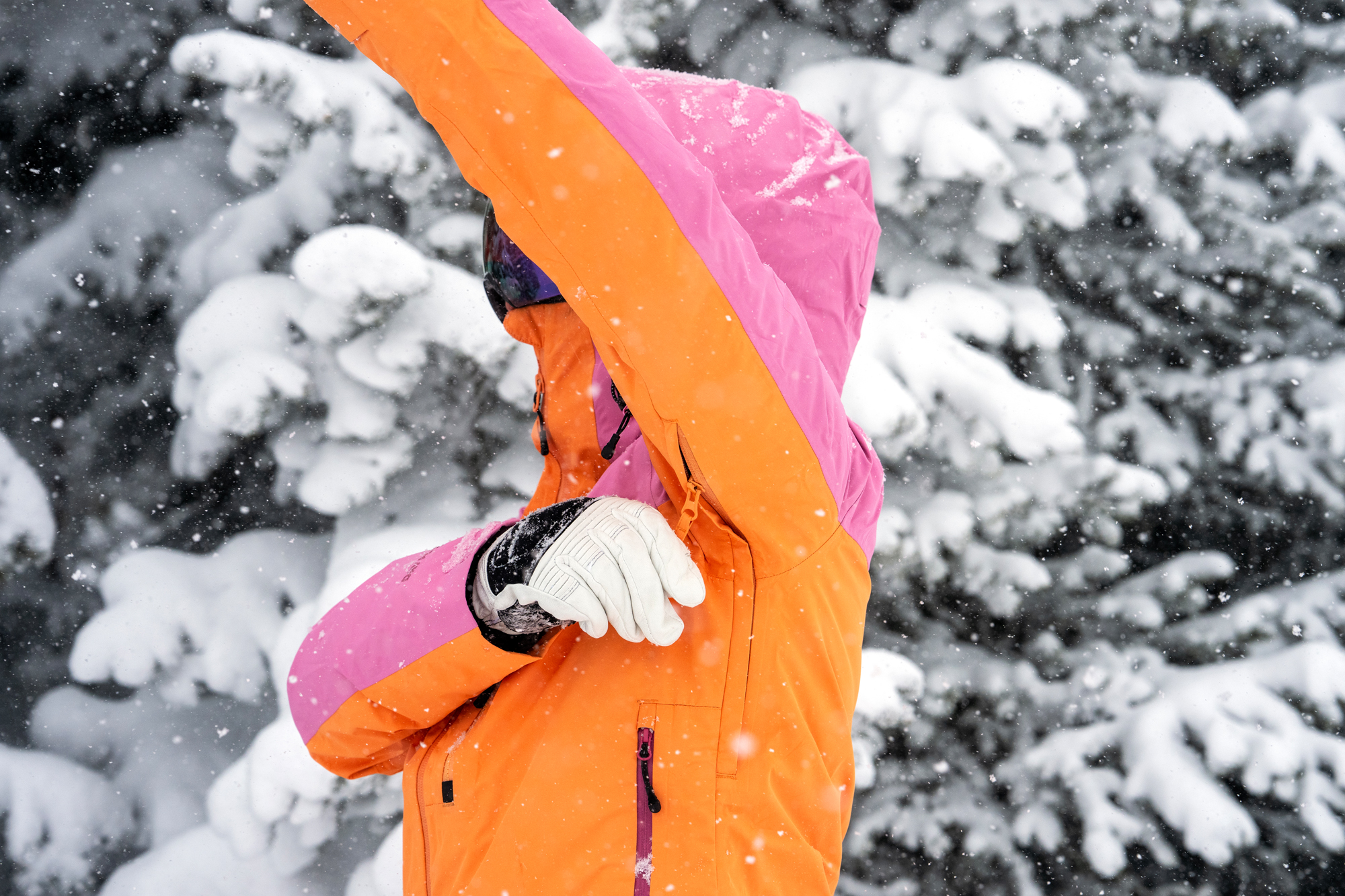
Ventilation & Zippers
Ski jackets often offer ventilation by way of underarm zippers, which help regulate body temperature. This feature is great for warm-blooded folks or those who ride or ski in warm conditions and for powder days when your body works hard to make turns (on powder days, remember to close your vents before your descent!).
Some underarm zippers are longer than others. Some generous designs that are backcountry-oriented stretch from the hem past the entire armpit and to the underside of the arm.
One innovative ventilation design is to combine front-facing and closable mesh vents that parallel the front zipper. In terms of quality, YKK brand zippers are the toughest and the most universal.
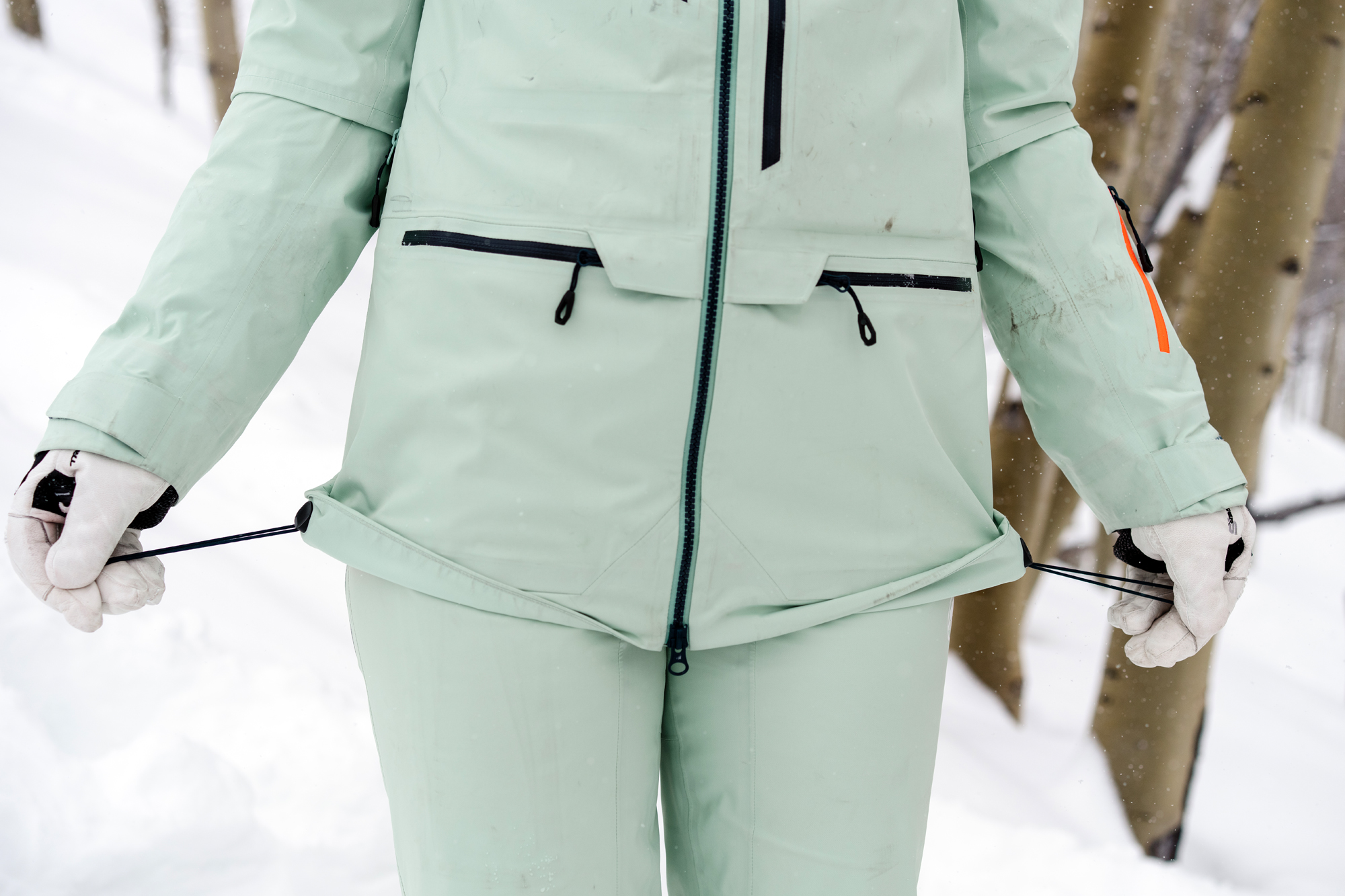
Fit & Sizing
Generally, ski jacket designs land in two camps: trimmer with a more streamlined, athletic fit or roomier and boxier with a more relaxed silhouette. Both can be comfortable. If you’re wearing a backpack in the backcountry, it can be better to wear a well-fitted jacket so extra fabric doesn’t get pinched up. A slightly longer jacket can provide extra protection from wind and snow, and keep you a bit warmer, but some skiers find the additional fabric cumbersome.
Each manufacturer has its own size charts. Ski jackets across the industry do not carry a universal size, so the measurements are unique to each brand. Plus, a brand can offer various fit styles across its lineup of ski jackets.
Be diligent about checking your personal measurements and matching those with the size charts. Remember to consider the type of midlayer and base layer you’ll wear beneath your jacket, too. It might be better to size up, so the layering doesn’t feel restrictive.
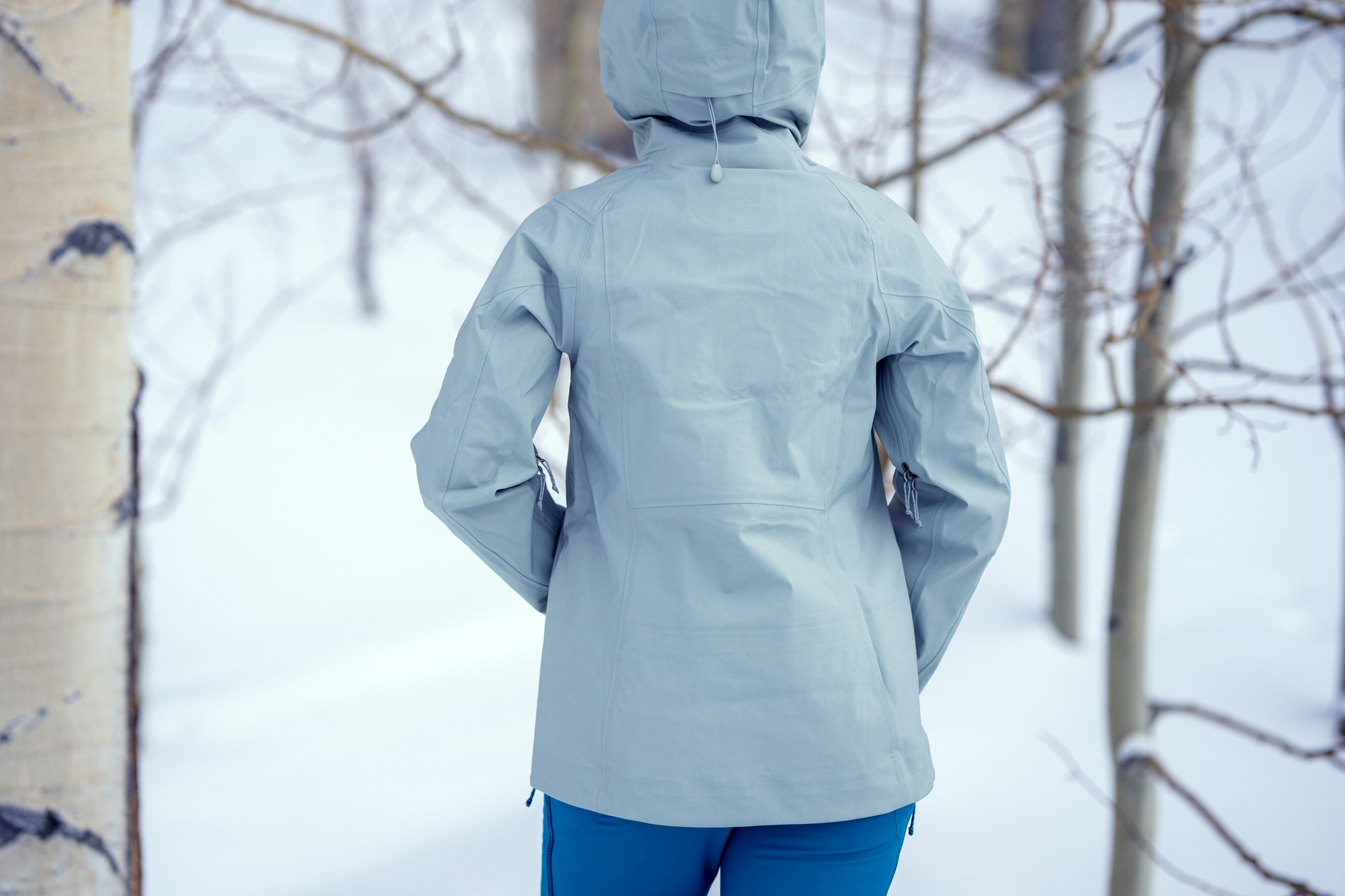
A handful of companies deliver more size inclusivity with broader offerings in the women’s categories, including Columbia, Obermeyer, and L.L.Bean. Everyone’s body is unique, so check the exchange and return policy before you buy. Here are the size ranges for our favorite jackets:
- Patagonia SnowDrifter: XXS-XXL
- Arc’teryx Sentinel: XXS-XXL
- Rab Khroma Diffuse GTX: XS-XL
- Patagonia Untracked: XS-XL
- Helly Hansen PowChaser 2.0: XS-XL
Weight
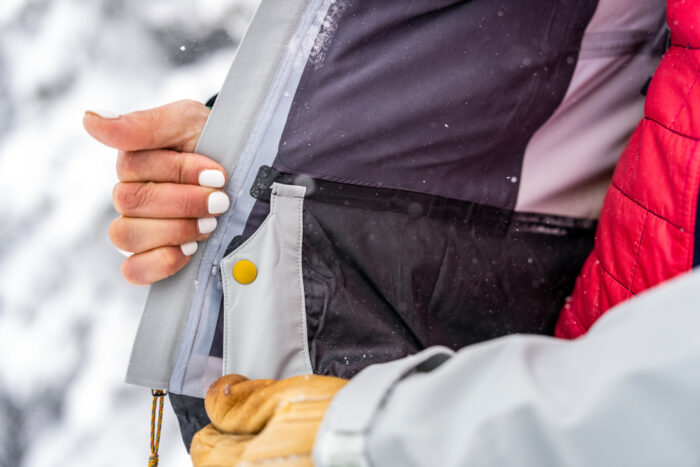
A jacket’s weight is an important factor for backcountry skiers who don’t want to carry extra grams uphill. Weight is also connected to density, which is essential when you need to stash a jacket in your pack and can’t sacrifice space. Uphill athletes completing a workout and creating continuous heat often want a light outer layer. Occasional resort skiers take laps with a backpack and store their jackets as the conditions warm.
Alternatively, not every skier wants a super-lean jacket. Some folks prefer a heavier weight and thickness, feeling that the layer protects them against cold and wind.
The lightest jackets in our top picks generally hover around 590 g, which is where the Arc’teryx Sentinel Jacket tips the scale. Being both lightweight and tenacious is reflected in the cost, which some consider to be a long-term investment. In step, the Norrona Lofoten GORE-TEX Pro Jacket is only 642 g.
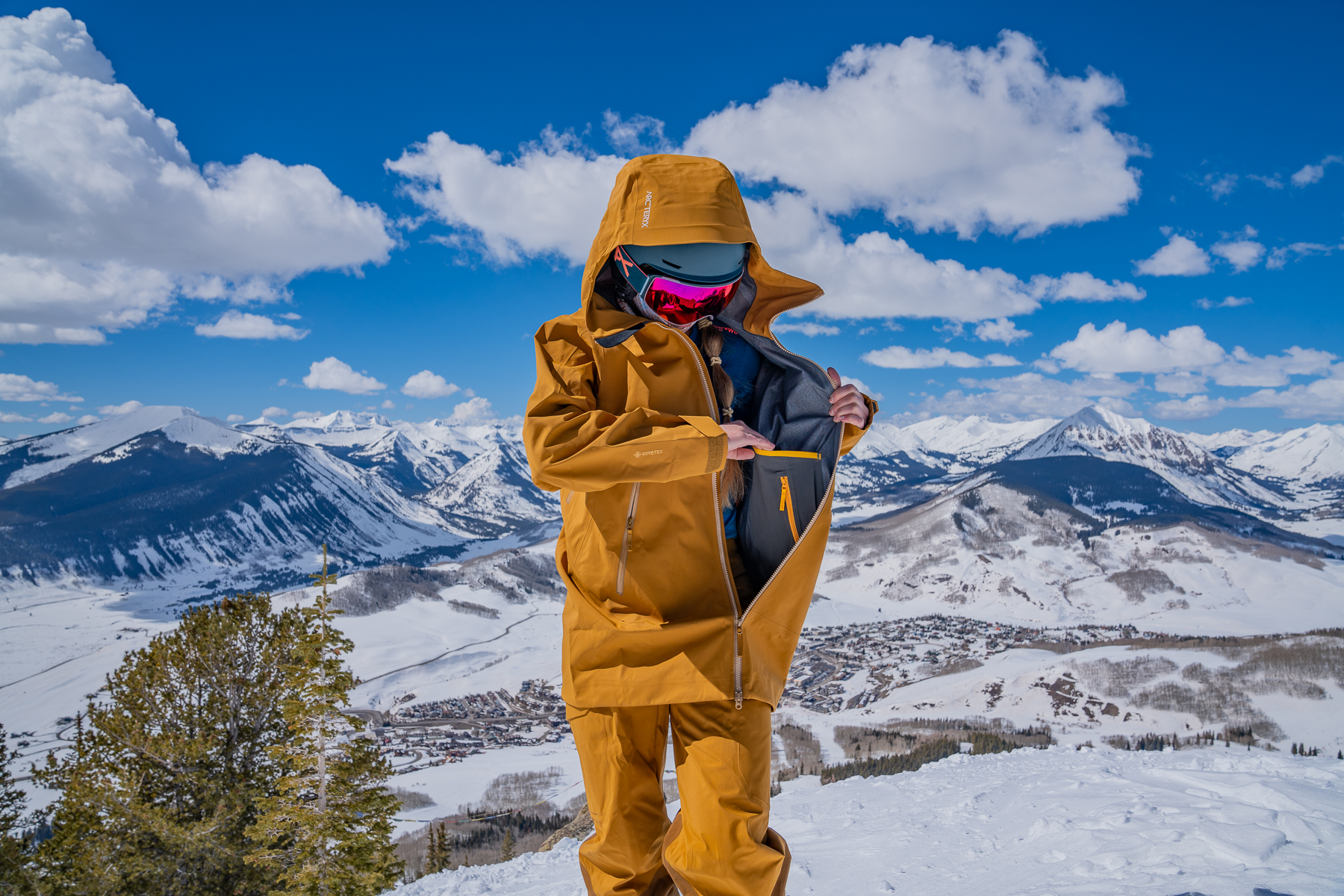
Lightweight designs include the Rab Khroma Diffuse GORE-TEX Jacket at 573 g.
Lighter isn’t necessarily better for every circumstance. Consider the tradeoffs of an increased price and a potential decrease in durability, and examine the waterproof rating, which could be lower on a lighter jacket. Here are the weights of our favorite ski jackets:
- Rab Khroma Diffuse GTX: 573 g
- Arc’teryx Sentinel: 590 g
- Patagonia SnowDrifter: 595 g
- Patagonia Untracked: 595 g
- Helly Hansen PowChaser 2.0: 900 g
Collar & Hood
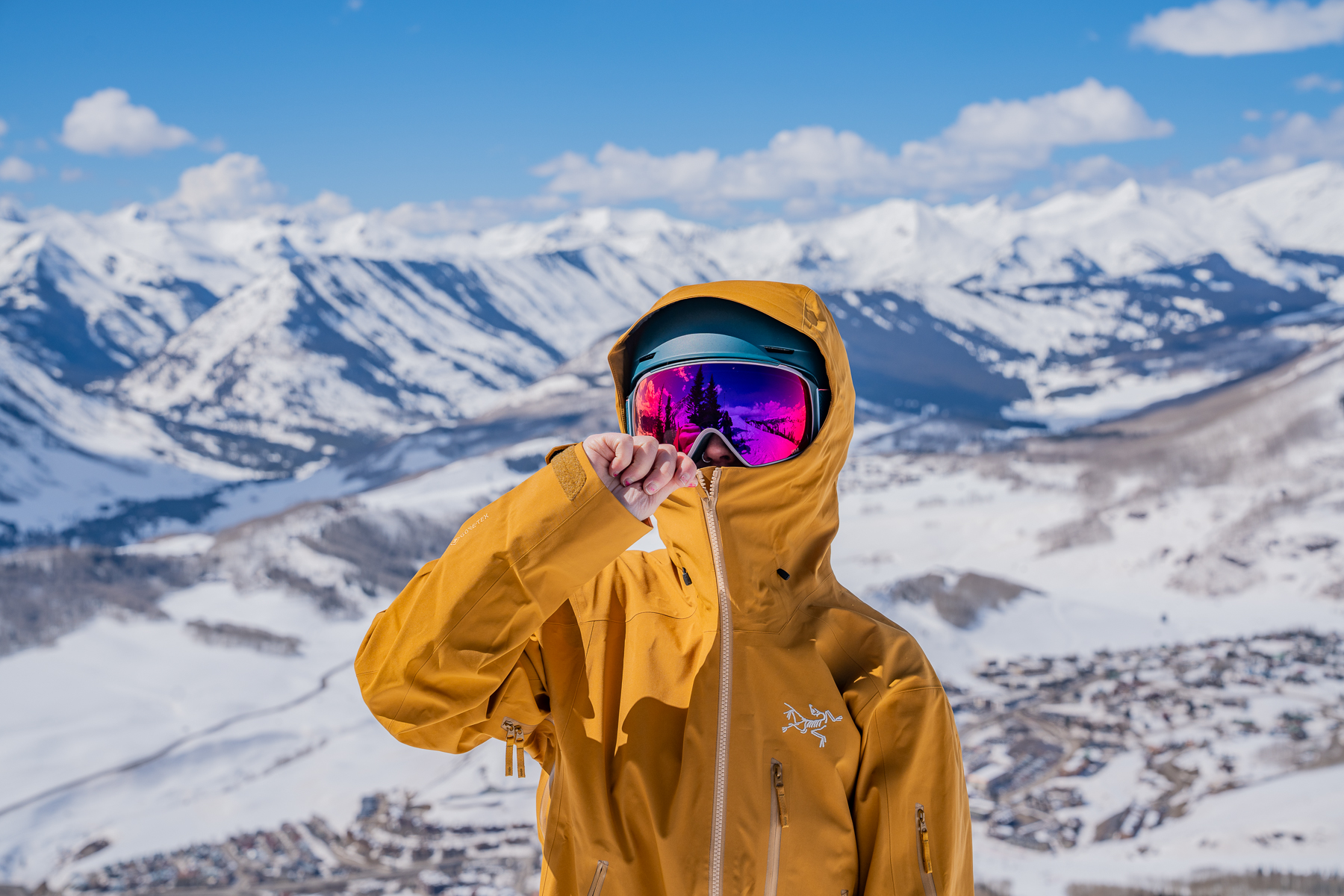
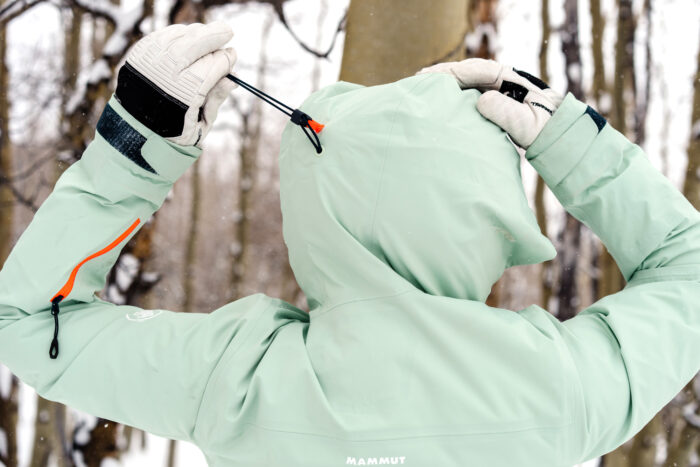
An ergonomic collar and hood are significant features for face, head, and neck protection against sun, snow, sleet, hail, wind, or rain. Pulling up a hood can help you retain heat in chilly conditions.
Jacket collars vary in height and ideally have a fleece-backed interior chin guard that feels snug against the face — a key component on a gusty chair lift.
Many ski jacket hoods are helmet-compatible, which is a priority if you need extra protection and warmth around your face and neck while riding a lift or skiing during a snowstorm. Some hoods are adjustable via elastic pulls like the Patagonia Women’s SnowDrifter Jacket. And others have an integrated visor so they don’t collapse beneath moisture. Occasionally, hoods are removable, but most of the time they are permanently fixed on the jacket.
Every helmet-compatible hood fits a bit differently. The shape of each hood is unique and helmet sizes vary — not every size small is the same circumference, for instance — so it might even be best to try a hood on with your helmet and make sure they fit together well, and that there’s enough room to move. We do our best to share our field experience with ski jacket hoods in this guide.

Sleeve Cuffs & Powder Skirt
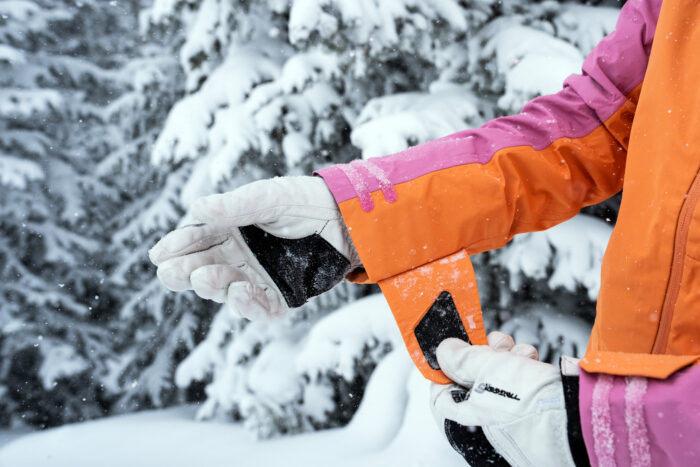
Powder skirts can be a great addition to a jacket to prevent fluffy flakes from flying up and soaking your base layers or lower back (which isn’t an issue if you prefer women’s ski bibs over ski pants). Some powder skirts are removable, and some have attachment points to connect to your ski pants.
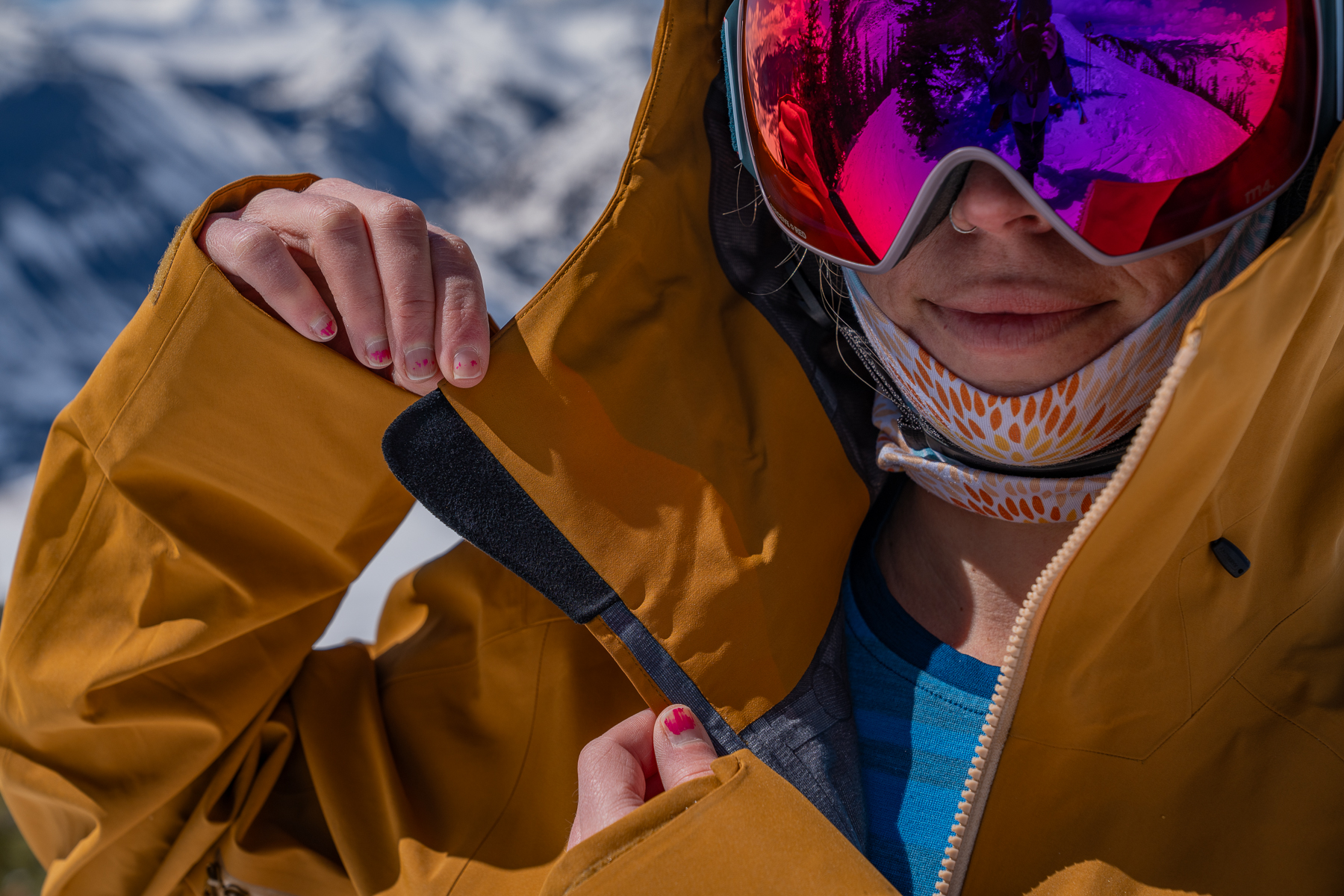
Sleeve cuffs generally have a Velcro closure, though some designs have additional snaps, and cuffs vary in width and length. Some sleeve cuffs have an inner wrist gaiter, which is also known as a storm cuff: a stretchy fabric for warmth and to block wind. A cuff-within-a-cuff sometimes has thumbholes to help secure the fabric over the top of the hand.
Wrist gaiters can help block out wind, but they can also be too bulky for some folks, especially if they like to wear a watch or tuck their glove gauntlet into their sleeve cuffs.

Pockets
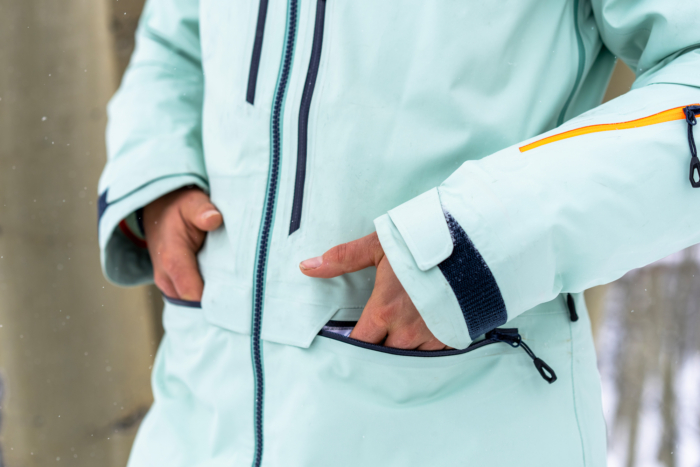
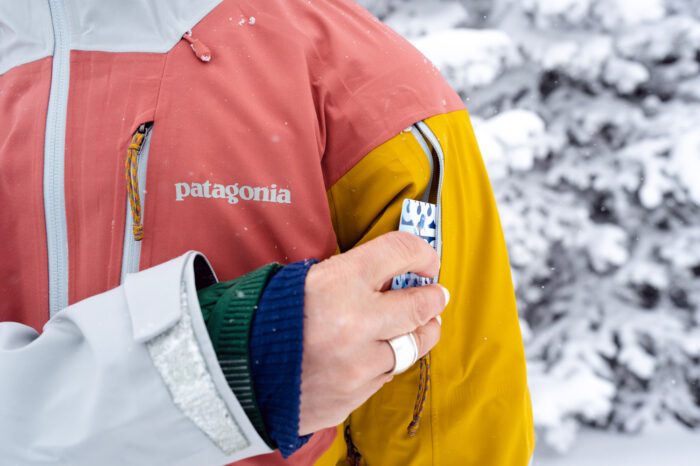
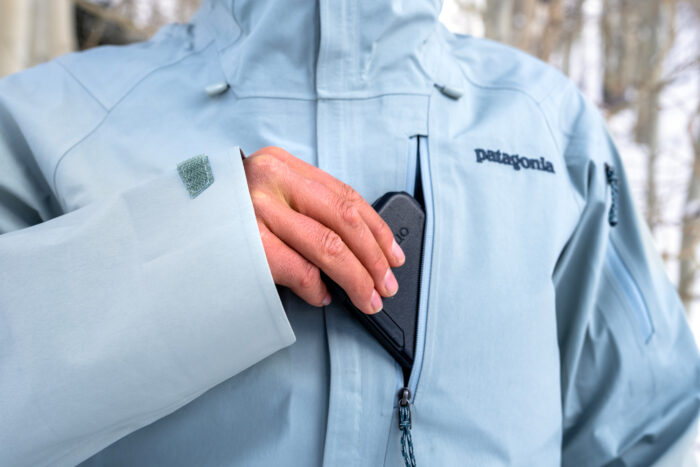
Most jackets include two exterior hand pockets with zip closures, which can be low or placed higher for compatibility with a backpack belt or harness for ski mountaineering. Other exterior pockets can include small pouches on the arm or chest, such as for an ID or ski pass.
Deep, wide, higher-placed exterior pockets, like a chest pocket, can be nice for stowing a smartphone or notebook in the backcountry or on the lift. In contrast, putting heavier or bigger items in the lower-placed hand pockets can sometimes smack against the upper thigh while uphilling, sitting on the ski lift, bending over to reach your ski boots, or making aggressive downhill turns.

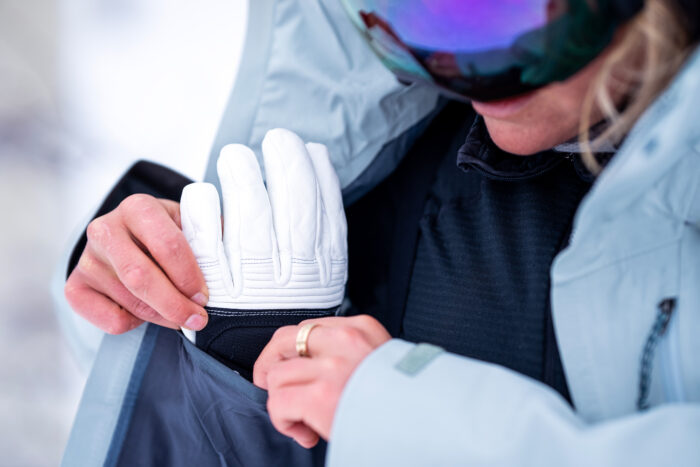
Interior pockets often have a zip closure (these can be great for storing a credit card or ID), ports for headphones, or a mesh construction with an elastic band at the top. Deep, wide interior mesh pockets with an elastic closure can be essential for holding backcountry skins (especially in particularly cold and snowy conditions when you need to prevent the glue from freezing between laps) or gloves or goggles, like the interior pockets featured on the Helly Hansen Women’s PowChaser 2.0 Ski Jacket. Occasionally, a zippered pocket is insulated to help extend the battery life of your smartphone.
Examine what you’ll need to carry, the adequate pocket size, and if the pockets are located in the most comfortable place for you.
Sustainability
Toxic Chemicals: Per- and Polyfluoroalkyl Substances (PFAS)
Traditional DWR (durable water repellent) treatments contain various fluorocarbons, which are extremely resilient chemicals that extend a product’s durability and life. Fluorocarbons, also known as PFAS or forever chemicals are toxic and don’t biodegrade. They have become so pervasive in the environment that the Centers for Disease Control and Prevention confirms we all have PFAS in our bloodstream.
These harsh chemicals pollute water, and air, and are carcinogenic for humans, according to The World Health Organization’s International Agency for Research on Cancer. Fluorocarbons can lead to infertility, reports researchers from the University of Oxford. PFAS harm the environment and wildlife, such as dolphins and porpoises, according to the National Institute of Advanced Industrial Science and Technology (AIST).
Alternatives to PFCs
It’s no surprise the European Union banned perfluorooctanoic acid (PFOA), a type of fluorocarbon, and related compounds, in 2019. Large retailers like REI took a stance, refusing to partner with brands who still use PFAS. And beginning in 2025, California banned all PFAS in textiles while 36 other states are considering hundreds of additional bills on toxic-related policies.
Spearheading the benchmark, the 3-layer Patagonia Women’s SnowDrifter Jacket was introduced with 100% recycled materials that are PFAS-free, including the fabric and membrane — new GORE-TEX ePE — in addition to the DWR face treatment. Now, many ski jackets are launching with ePE fabric.
Other clean products include the Arc’teryx Sentinel, which uses a PFAS-free fabric.
Helly Hansen also created the Lifa Infinity Pro, a waterproof-breathable and wind-resistant textile that nixes the need for a toxic chemical DWR treatment. The brand’s proprietary hydrophobic Lifa fiber, which it’s been using for 50 years, is paired with a polypropylene membrane that has microscopic holes, allowing vapor out yet prevents water from seeping in. The waterproof qualities are permanent.
Recycled Materials
Norrøna, a Norwegian company that makes the Lofoten GORE-TEX Pro, implements more than 50% recycled synthetic fibers into the jacket.
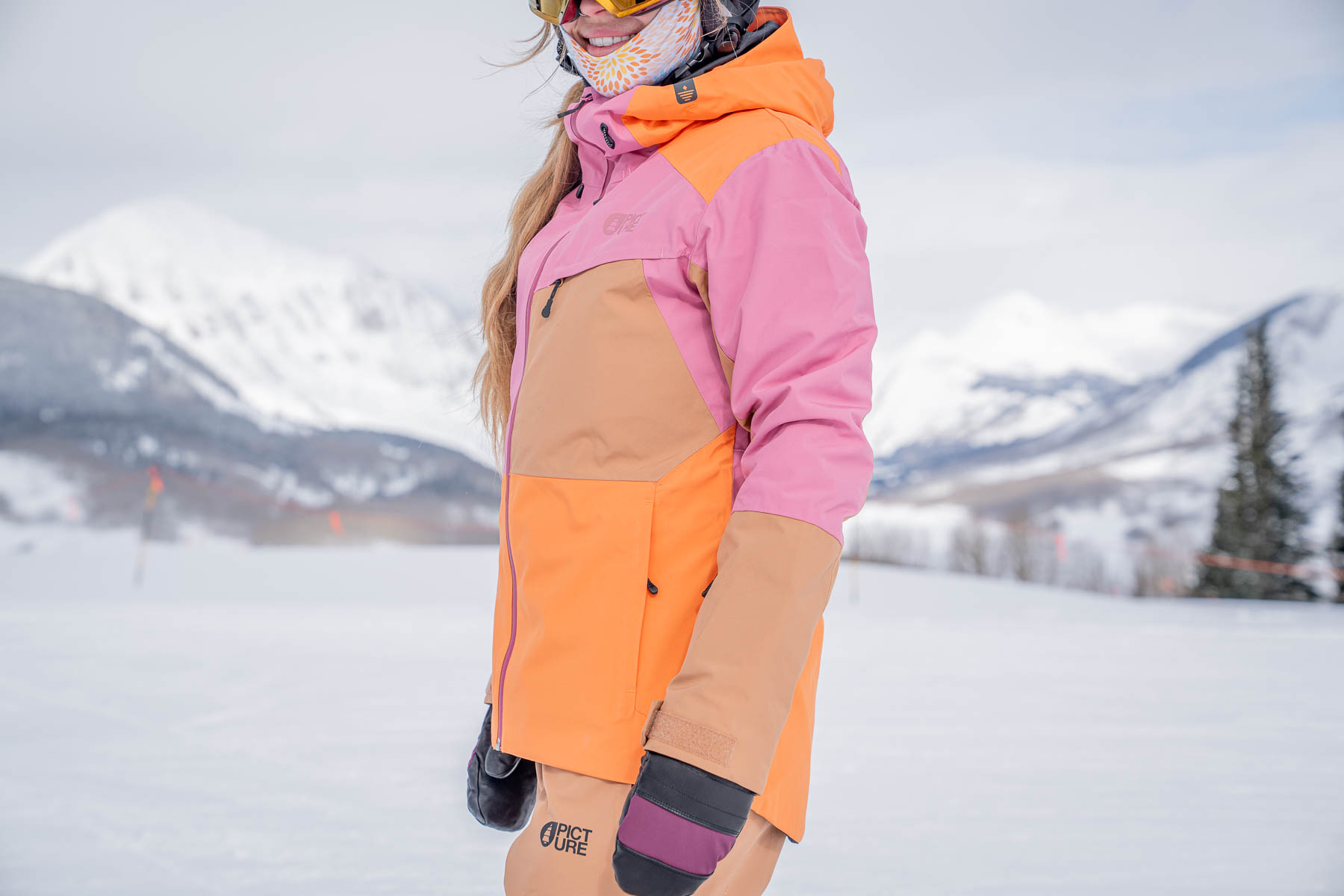
In 2023, Picture launched the Circular polyester made from upcycled fabric from factory scraps and used jackets (in a 60/40 ratio), to replace the brand’s bio-sourced polyester, because the upcycled textile offers a significant reduction in emissions and dependence on fossil fuels. Launching in 2023/2024, 80% of Picture’s winter outerwear is now made with Circular polyester.
Likewise impressive, the Helly Hansen PowChaser 2.0 boasts Ocean Bound recycled polyester sourced from post-consumer plastic bottles, which are collected within a 31-mile radius of coastlines and central waterways that face a high risk of plastic pollution. For the certification process, the brand partners with OceanCycle as a credible global third party.
Another arm of the brand’s Ocean Bound program creates a polyamide using a minimum of 50% repurposed, abandoned fishing equipment: Nearly 10% of marine waste comes from the fishing industry’s ghost gear, reports Helly Hansen. Currently, the polyamide is sourced from buoys, turned into recycled nylon yarns, and utilized in Helly Hansen’s sailing apparel. In the future, snowsports products might incorporate the polyamide, too.
Third-Party Health Certifications
Using a proprietary Circular fabric, Picture meets the Global Recycled Standard to verify the content of recycled materials, as well as the efficacy of the entire process down the supply chain, as well as the Oeko-Tex Standard 100, meaning the textile was tested and clear of harmful substances. The Global Recycled Standard is provided by NSF (National Sanitation Foundation), a team of global scientists that assess health risk and certify products.
In addition to Oeko-Tex-certified fabric, the Norrona Women’s Lofoten GORE-TEX Pro Jacket is also Bluesign-certified. Bluesign examines the manufacturing process from the chemical suppliers to the production site to the brands and retailers.
The human and environmental criteria includes chemical application, carbon emission, water and energy consumption, as well as worker health and safety. When a snowsports product carries a Bluesign label, that apparel meets the strictest requirements in the global industry.
Other options are made within a partnership with Fair Wear, a nonprofit that helps brands monitor conditions in their supply chains and adapt management practices to be healthier and safer.
How to Wash & Dry Your Women’s Ski Jacket
Today, many women’s ski jackets feature GORE-TEX ePE fabric, an eco-friendly PFAS-free option that needs a little extra TLC. Why? Because ePE fabrics are more prone to oil-based stains — from your breakfast burrito to a greasy chairlift — and the waterproofness and breathability can drop if the fabric gets gummed up.
“PFAS-free DWR coatings require more frequent wash and care to maintain water repellency on face fabrics,” explained GORE-TEX expert Marshall Balick at an outdoor industry presentation Senior Editor Morgan Tilton attended in Nelson, British Columbia.
Balick recommends using technical wash detergents because they’re free of additives. If you don’t have one handy, go for a conventional detergent that’s scent-free and without fabric softener, like Seventh Generation. Even if all you have is something like Tide (with scent and softener), it’s still better to wash than skip — but double-rinse. Later, a wash with technical detergent will strip away any lingering additives and keep your jacket happy.
How often should you wash? Keep an eye on your jacket: when water stops beading on the surface and wets out, it’s time for a cleaning. Hang the outer layer to dry, then toss it in the dryer for 20 minutes on medium heat to fully reactivate the DWR.
If washing and drying no longer brings back the beading, it’s time to reach for an after-market product like Nikwax to restore that water-repellent magic.
Price & Value
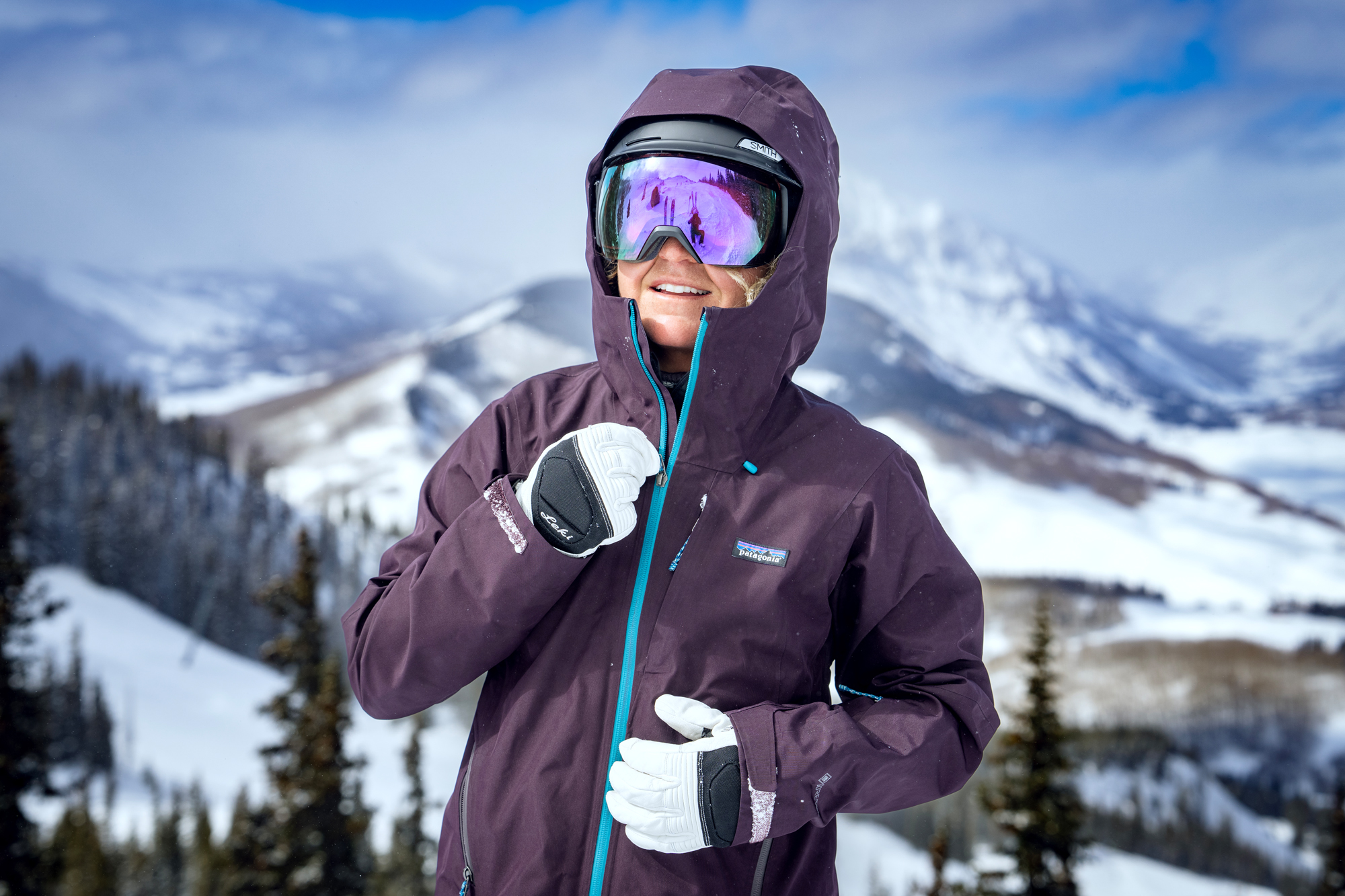
Women’s ski jackets run a wide price range: our favorites are between $300 and $900. Depending on how many days you ski each season and your goals, you might want to make more or less of an investment.
Budget: Less Articulated Ski Jackets
Quite a few options are available that are in the $300 range, and that’s about as much of a steal as we’ve been able to find. Our top budget pick is the 686 Women’s Hydra Insulated Jacket ($300), which offers plenty of protection against the elements, including insulation and waterproofing, as well as a roomy fit that you can put layers under. The jacket is also sustainably made, setting an industry benchmark. For most skiers and moderate or challenging winter climates, these jackets do a fine job.
Others in this tier include the Helly Hansen PowChaser 2.0 ($350) or other insulated options. What you typically miss in this price range is durability, higher breathability and waterproofness for wet and heavy snow, and enhanced details like an insulated pocket for devices or embedded RECCO reflectors.
Mid-Tier: Excellent Waterproofness, Breathability, Style
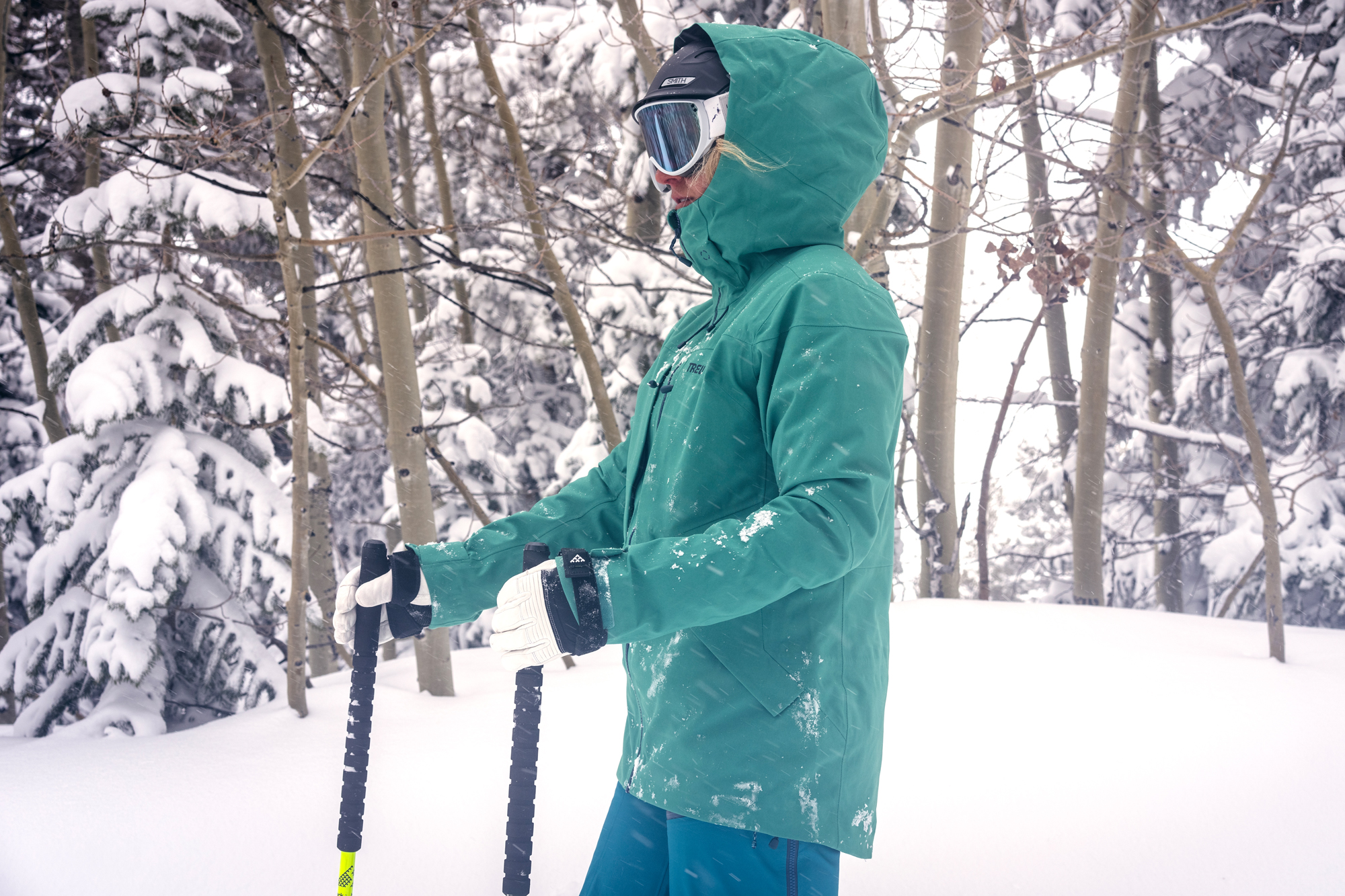
If you spend more time on the slopes, you might consider investing in a higher price point for more specialized and detailed jackets like the lightweight and durable Patagonia SnowDrifter ($449), which is an excellent piece for in-bounds or backcountry days. You’ll see greater waterproofness and breathability at 20K/20K, as well as a more ergonomic fit and supple yet durable fabric. The hood on that jacket is also very articulated and one of our favorites.
This pool includes jackets like the Rab Khroma Diffuse ($500), which is among the favorites we’ve ever worn. Pieces like this one are all built supremely well and with performance in mind while having an excellent fit.
Premium: High-End Materials & Technical Performance
You’ll pay a premium for jackets with superior features, including the highest level of waterproofing, breathability, durability, packability, excellent pockets, and sustainable manufacturing and materials. This collection is best for dedicated skiers who venture inbounds and into the backcountry, which demands performance in all conditions.
Top-of-the-line options include the Norrona Lofoten GORE-TEX Pro ($899), Patagonia Untracked ($699), and the Arc’teryx Sentinel ($750).

Frequently Asked Questions
The answer to this question largely depends on your budget and the amount of time you can dedicate to skiing. Our favorite women’s ski jackets here range from $210 to $799.
Have you never been in a winter climate and are skiing for the first time? Do you only ski or snowboard on vacation? Consider jackets on the lower end of the price spectrum, with fewer bells and whistles.
If you dedicate a lot of your time to winter activities each year, you’ll need a higher level of performance and technical features, and may need to pay a premium to ensure that your ski jacket checks these boxes.
Check out all the jackets on this list and find the one or two best for you, and then investigate to see if you can find them on sale. Often you can count on seasonal gear like ski jackets being listed at a discount after the ski areas close, so the spring and summer are a great time to shop for winter apparel.
If you are able, we strongly encourage trying ski jackets on, whether buying from a store with a return policy or shopping online.
We’ve included extensive notes on the fit of each jacket for this very reason — finding the right-fitting jacket is hard!
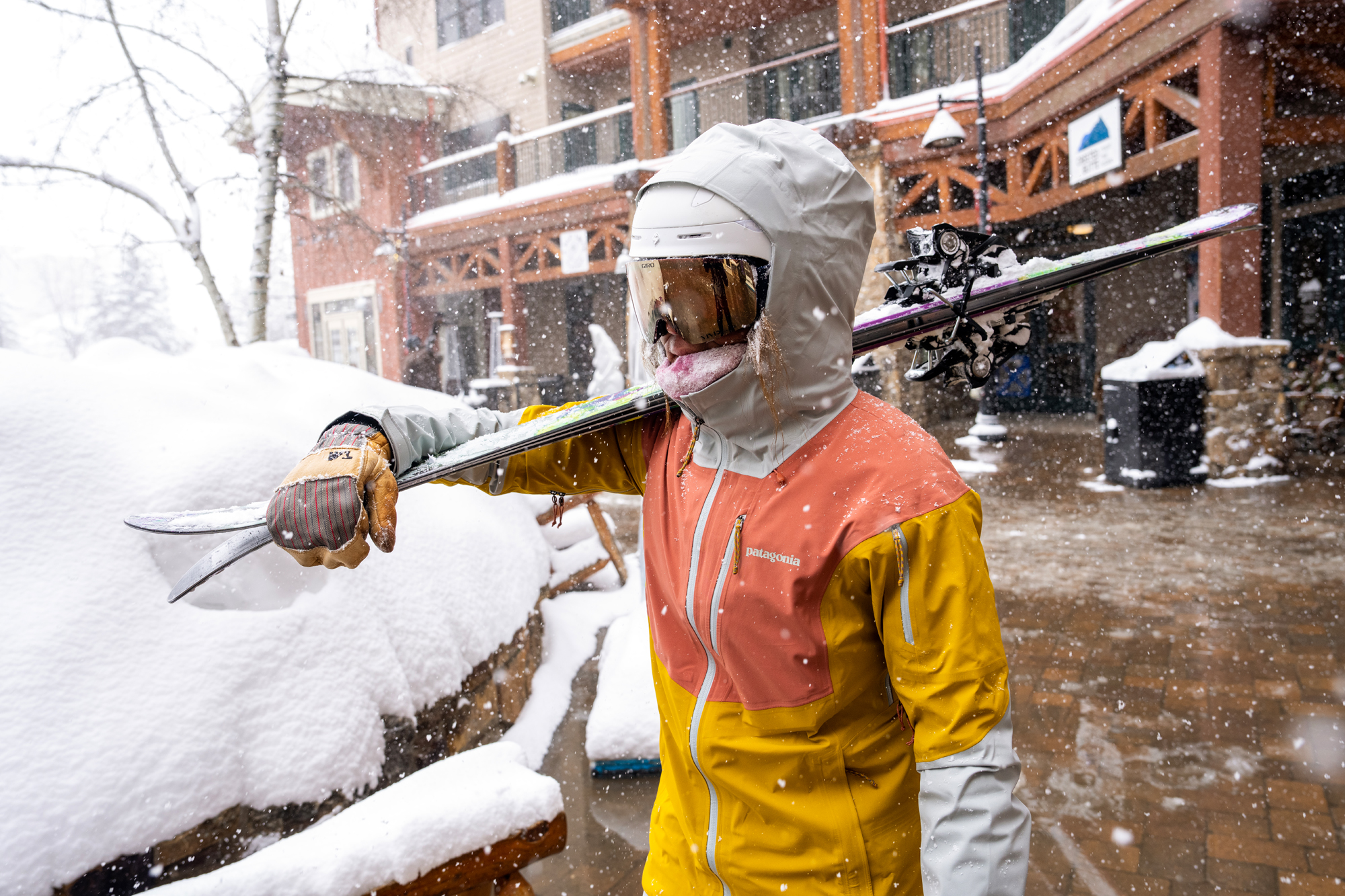
If you’ve made it this far, you can probably guess the answer: Yes, a ski jacket is better than a soft-shell jacket (or any other coat that isn’t fully waterproof).
Although they’re also waterproof, we don’t recommend using a rain jacket for skiing. Rain jackets don’t have the capacity to fit correctly over insulating layers, the hoods are too small, and the pockets don’t have glove-friendly zipper pulls. They could also be too short in length to provide enough protection from water and snow. Rain jackets also don’t have insulation while some ski jackets do.
There are many sizes of jackets at a variety of price points on this list. Ski jackets also work great for other winter activities such as snowshoeing, dog walks, winter hiking, and sledding.
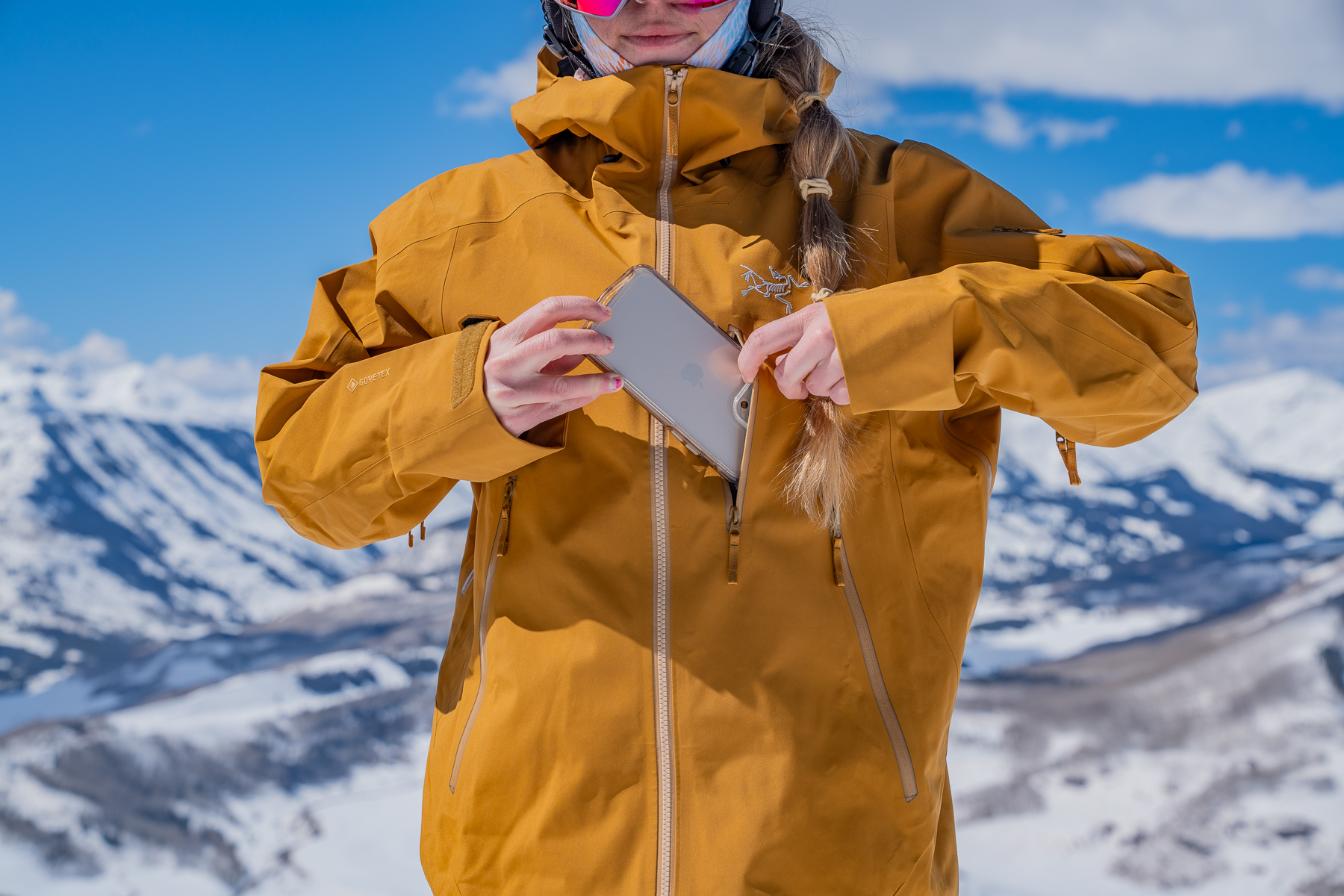
Ski jackets are a more complex and technical piece of equipment than they appear. They’re built for protection in very cold conditions but also a high level of activity. They have a combination of waterproofing, windproofing, breathability, and ventilation, as well as warmth, durability, and tailored features like a helmet-compatible hood and ski season pass pocket. Other sport-specific features include powder skirts to seal out snow, pockets built for avalanche transceivers, and RECCO reflectors.
With the best ski jackets, you should be able to wear them all day — on the skin in, on a windy chairlift, a sunny day, or a cloudy day with negative temps — all without changing or removing your jacket. Seemingly small elements, like zipper vents and insulation are really important here.

Somewhere in between. Not so tight that it restricts movement but not so loose that there’s extra space between the jacket and your body (you’ll lose heat and get cold more easily). Plus, extra material can feel bulky while going downhill or wearing a pack.
On the other hand, freeride style is inherently baggier, looser, relaxed, and longer fitting compared to traditional ski jacket cuts. Some skiers feel that this type of jacket offers a wider range of movement that’s unencumbered.
You can usually tell if a jacket is too big by looking at the shoulder lines (as in, if the shoulders are too loose) after zipping it up. If a jacket feels too tight, it probably is, and it won’t be comfortable to ski in.
Check a brand’s individual size charts for chest and length dimensions given each brand’s product sizes vary.
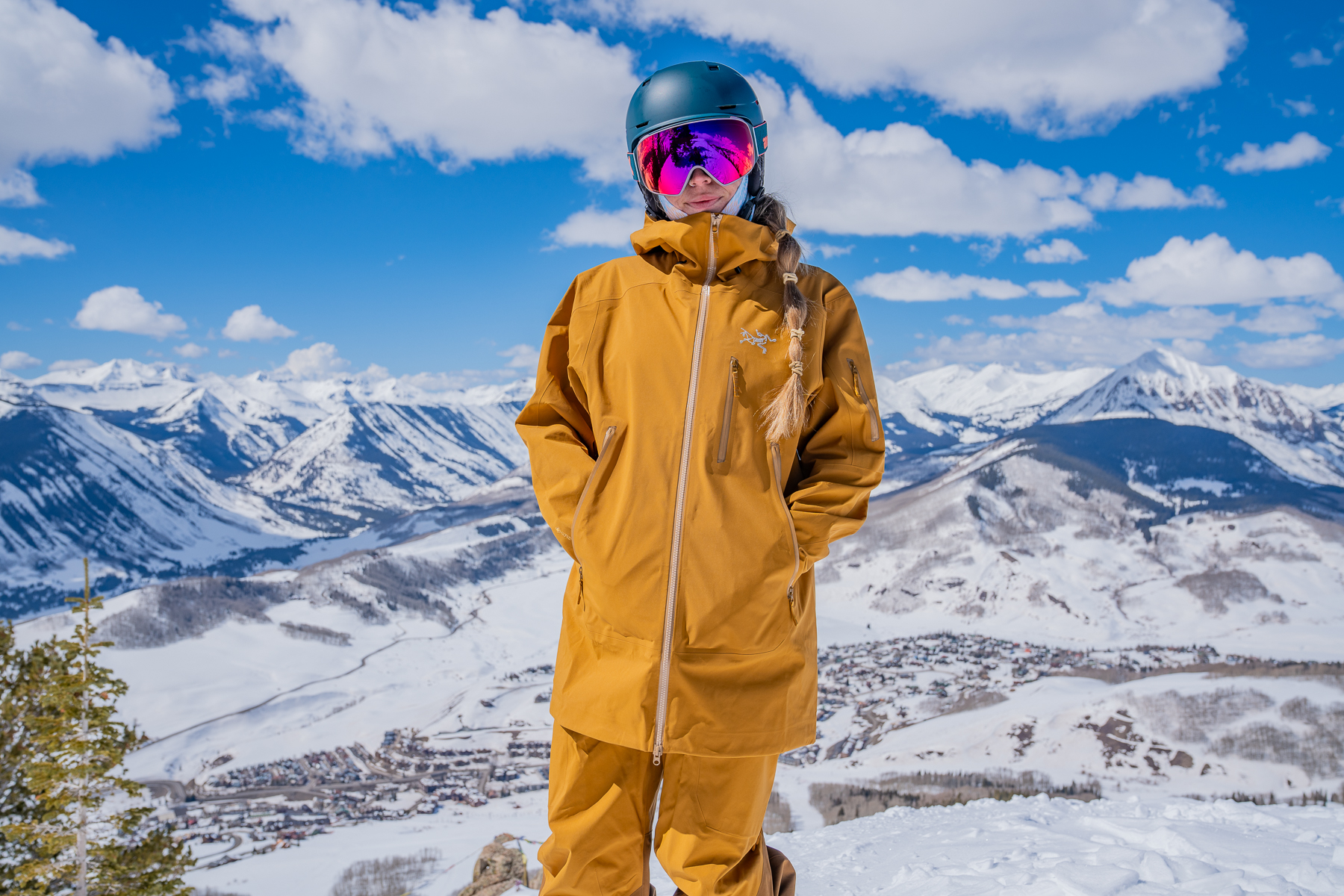
GORE-TEX is a waterproof, windproof breathable membrane that is part of the fabric. For a long time, GORE-TEX has been the gold standard in waterproofing.
Being too cold while skiing is a bummer. While we find that shell jackets provide the highest level of versatility to take us through every day of the ski season no matter the weather, the caveat is that they require a bit of layering finesse to keep you warm on the extra cold days.
The answer to this depends largely on where you live, and what type of skiing you like to do. For backcountry skiing, a jacket with high breathability enables you to wear the jacket during heavy exertion without trapping too much sweat. This can help prevent you from getting too cold from excess moisture when you transition to head back downhill.
More brands are prioritizing sustainable and environmentally friendly production methods. Look for brands that use recycled materials in their production. In the product specifications, the brand will list if the jacket is made from recycled materials, as well as Fair Trade or eco-friendly ingredients. Manufacturers usually spotlight their sustainable methods wherever the gear is advertised.
Our top sustainable apparel options in this guide come from Patagonia, Picture, Helly Hansen, and Norrona with the Patagonia Women’s SnowDrifter Jacket taking the cake for the most sustainable, eco-friendly, and all-around choice. Almost every jacket in this guide contains a portion of recycled materials, which is an exciting step in the right direction for the outdoor and snowsports industries.
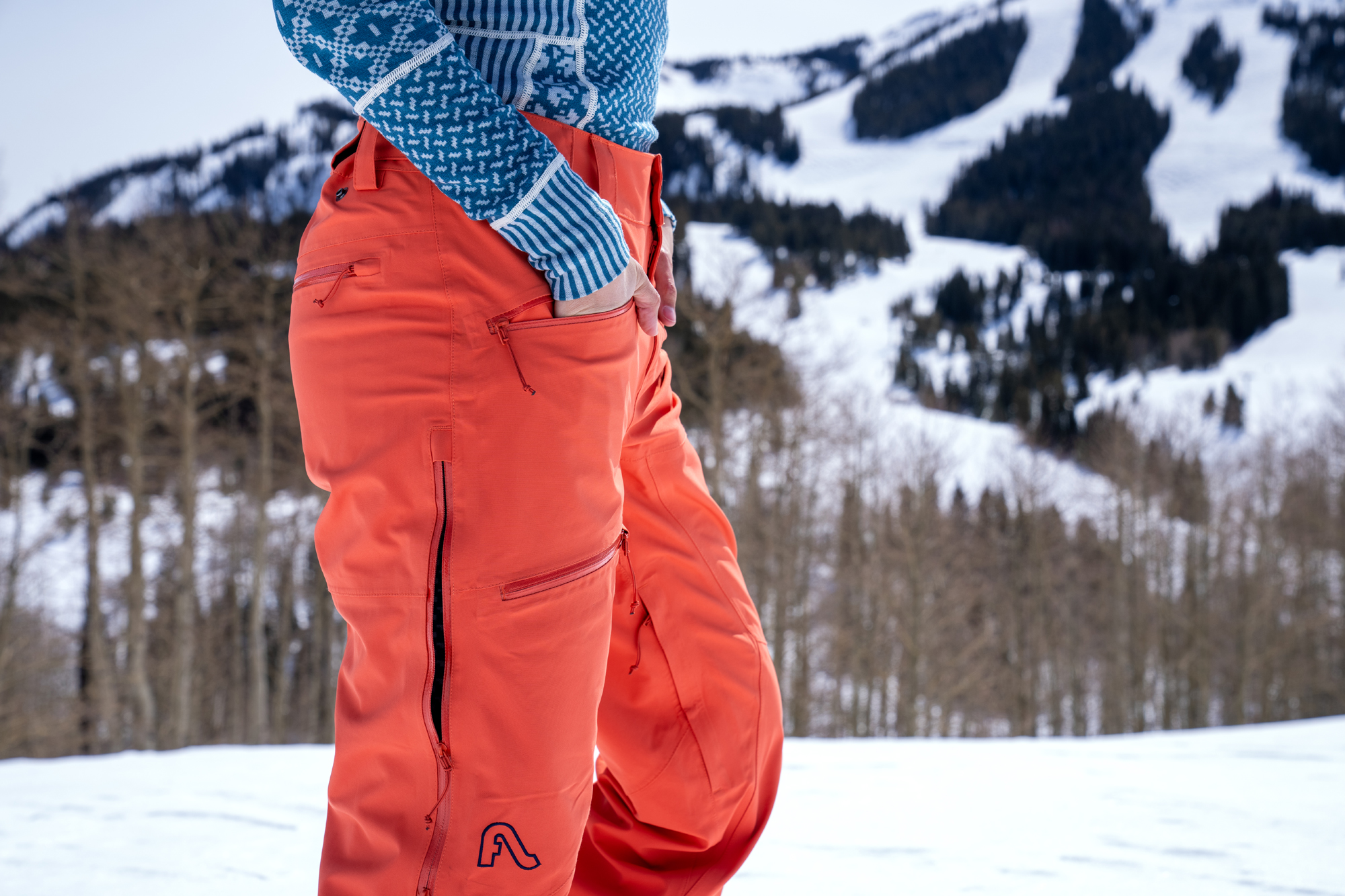
The Best Women’s Ski Pants of 2026
We tested the best women’s ski pants for the resort and backcountry including our top picks from Rab, The North Face, Arc’teryx, and more.
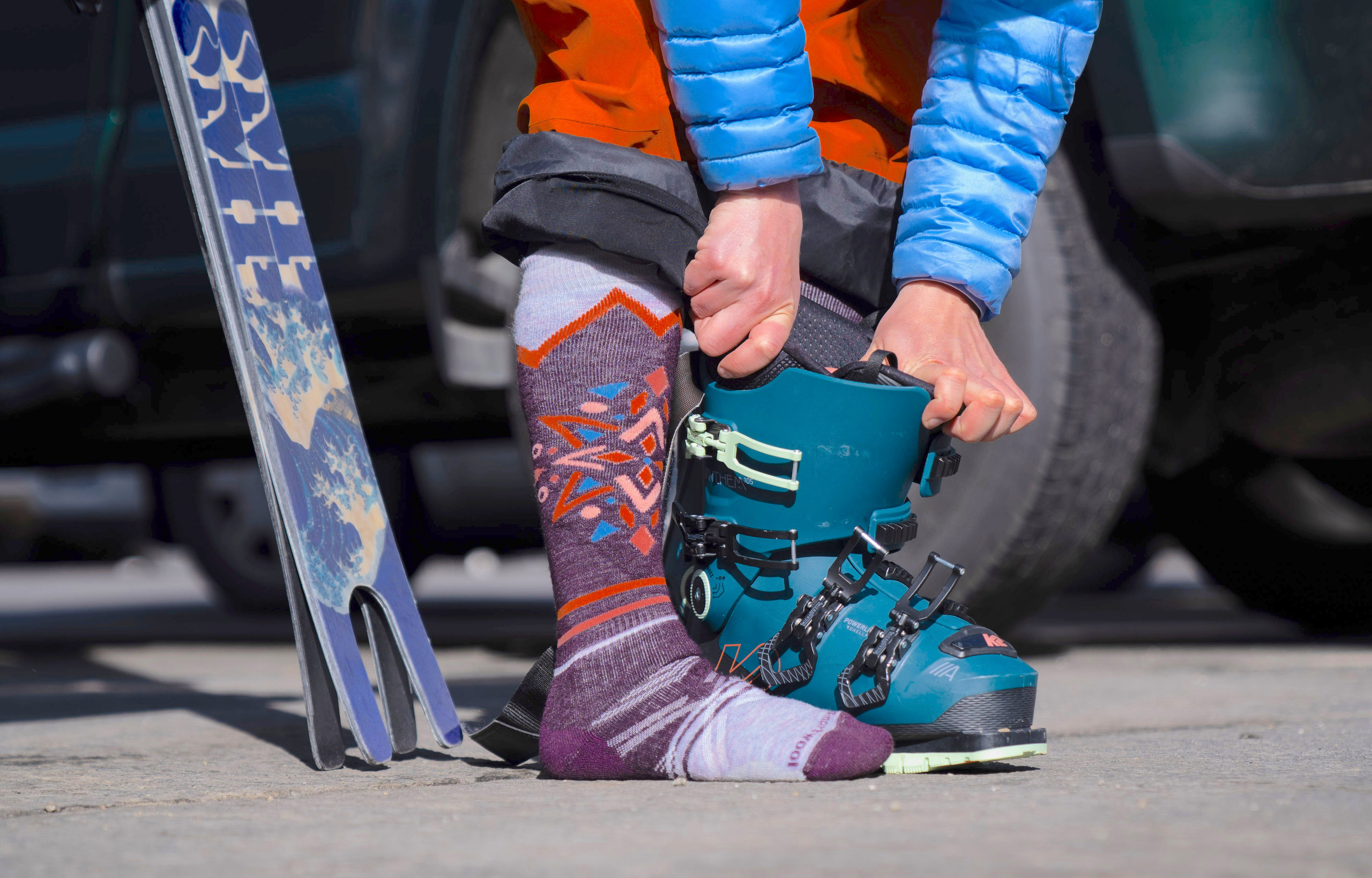
The Best Ski Socks of 2026
We tested the best ski socks from Smartwool, Darn Tough and more to help you find the best option for your needs and budget.
Read the full article here