





You’ve probably seen plenty of builds that feature a partially or fully “tucked” or recessed suppressor. Aside from a vast majority of them looking very cool, the real reason for tucking a suppressor is most often cited as being in an effort to shorten the overall length of the gun. There are many other good reasons to do this, especially if you’re looking for a more compact package. Still, as we’ll discuss in this article, not every gun needs a tuck job, and in many cases, it’s actually sub-optimal in almost every respect except for the reduced overall length. Today, we’ll go over why and when to tuck your suppressor on your rifle.
The Appeal of the Tucked Profile
Tucking a suppressor is pretty easy on the face of it. All you’re really doing is sliding the suppressor partially or fully beneath an extended handguard. This transforms a rifle into a stubby, more maneuverable package. The combination of an SBR and even a legacy-style suppressor can shrink your overall length dramatically without sacrificing too much rail space. The lack of any protruding suppressor from the muzzle end of the handguard also means that any shadows generated by lights or IR devices are almost completely eliminated.
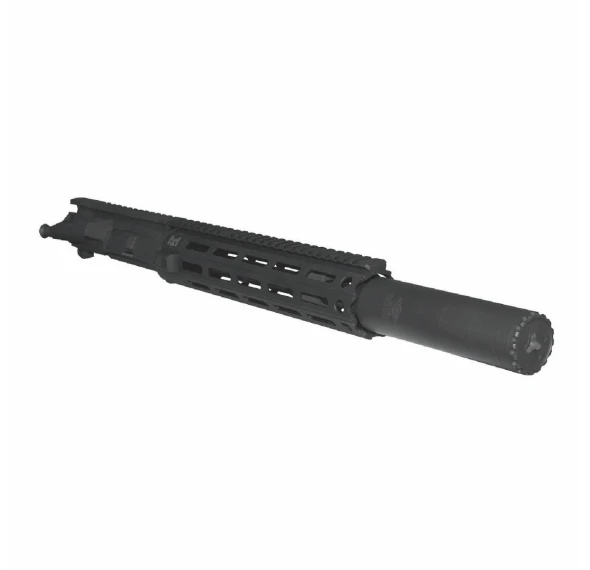
The $0 tax stamp era, we’re currently in, has only supercharged this older trend. Companies like the recently revived AAC by Palmetto State Armory have demonstrated that not only do people like the tucked suppressor look, but companies are desperately trying to solve the handful of problems that come from this type of setup. Pre-2025, NFA costs kept most shooters, like myself, stuck to 16-inch barrels or awkward pistol braces. Now, eForm 1 approvals zip through Silencer Shop kiosks for almost free, letting you chop that barrel and tuck a suppressor in days instead of months.
Garage builders who balked at $400 in stamps in addition to the already high cost of a suppressor are now flooding ranges with protected, more compact firearm/suppressor combos, which are practical upgrades that do have value, even if it’s not a perfect solution. Protection is another often overlooked positive of tucking your suppressor. Handguards shield the can from rocks, bumps, and drops, extending its life through active use like VTAC barriers, trees, rocks, and even doorways.
The Downside – Heat and Gas
Tucking isn’t entirely without its faults, though. Heat is often the first and last thing that people remember about fully tucking a suppressor. Suppressors dump a massive thermal energy; after even just a magazine fired at a moderate rate out of a standard AR-15, your suppressor is likely already past the boiling point of water, and violently radiating that heat into the handguard surrounding it. Even most rail covers melt like fondue with sustained fire, forcing most tucked suppressor users to glove up in order to stave off the heat that’s well on its way to giving you a few new burn marks on your hands.
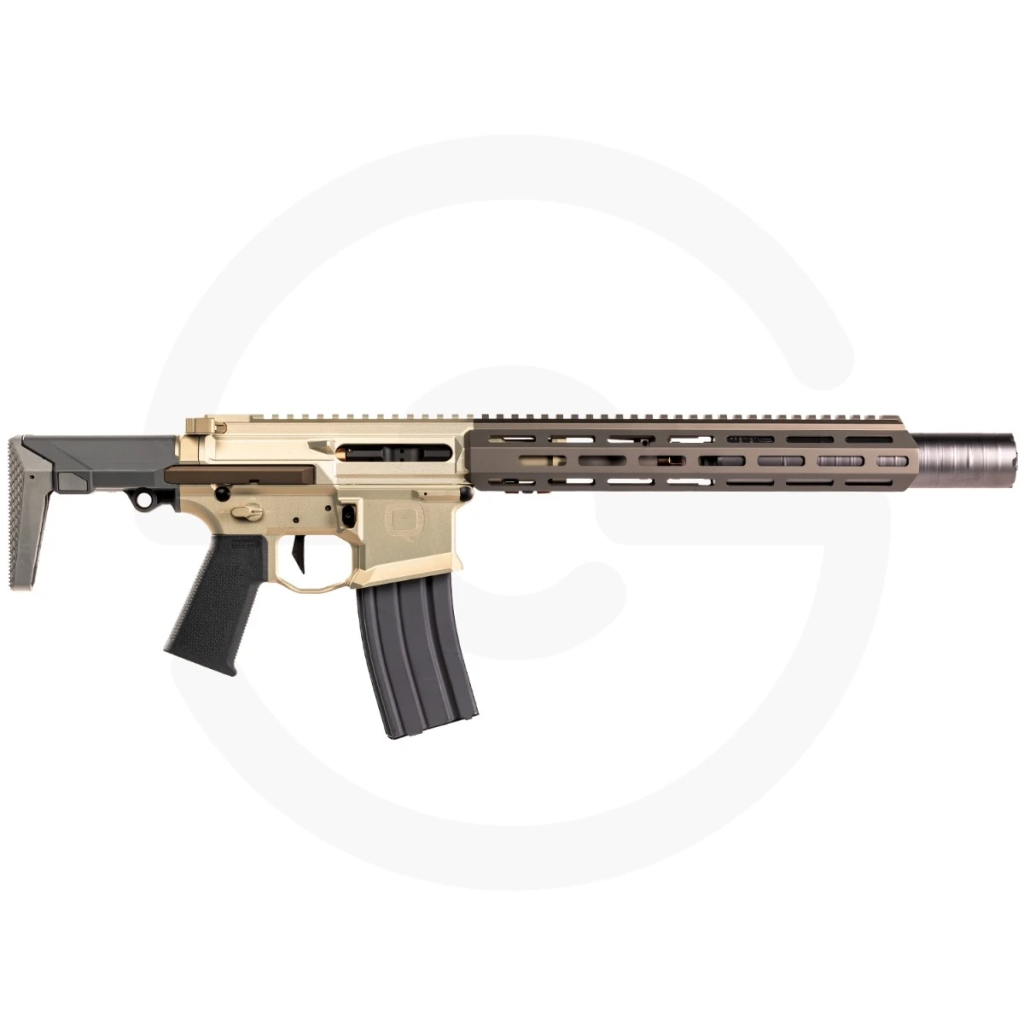
Dealing with the gas of such a setup is even more complicated. Short barrels (under 11.5 inches) plus suppressor back-pressure create overgassing mayhem: violent bolt carrier speeds batter lugs, accelerate wear, and spray lead-carbon splooge into your face and receiver. Without an adjustable gas block – which now also has to be tucked and somehow still accessible- you’ll be cleaning more often, and even tuned, short gas systems become a nightmare to tune correctly, given that a lot of newer suppressors feature low-back-pressure designs.
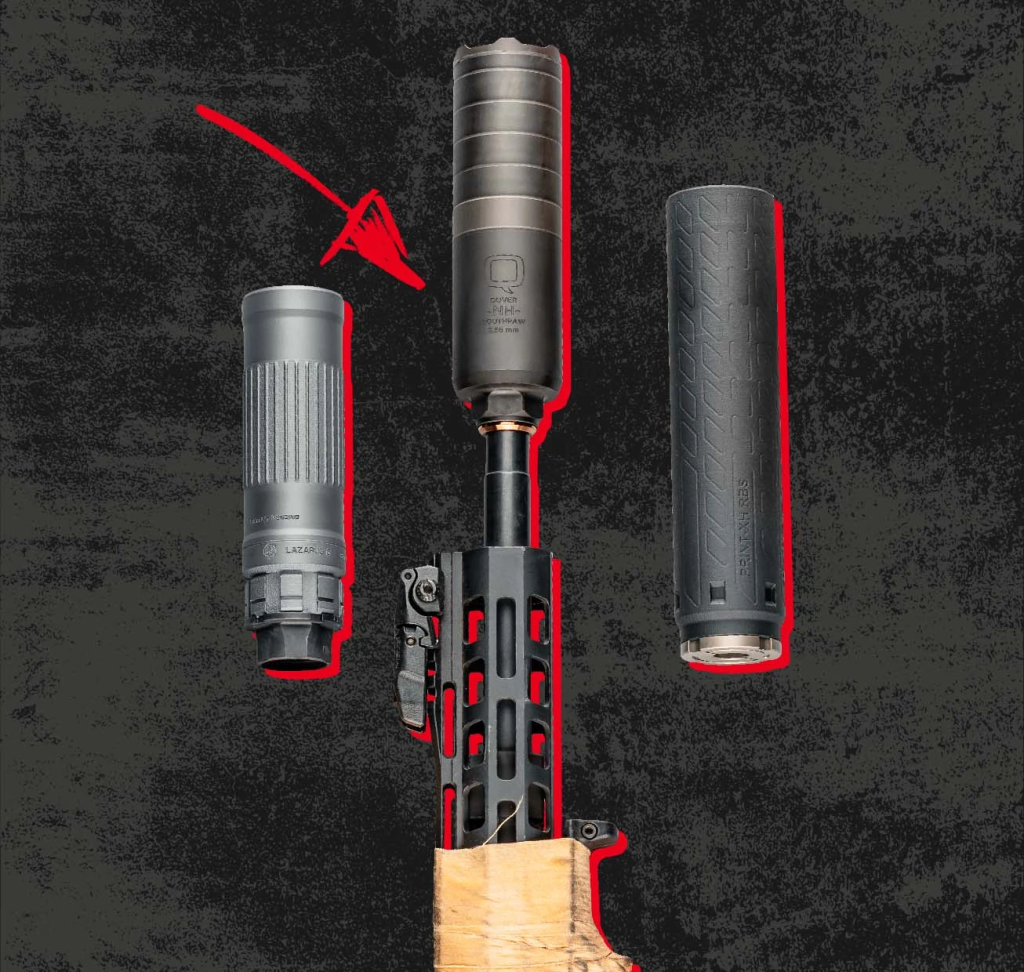
Lastly, if you’re trying to maintain a svelte inventory of suppressors, or you’re on a limited budget for now, you’ll either need to disassemble the entire gun or let the muzzle end of the suppressor stick out just enough so that it can be removed and replaced on the gun in question. Although it is expensive, buying one suppressor for every gun you own is probably the “ideal” way to do things, and it just so happens that right now is a pretty good time to buy suppressors since everything is slightly less expensive.
Size Matters
The pros and cons of a tucked setup will ultimately come down to the specific configuration you land on. Short, Skinny suppressors combined with standard length “short” barrels like 10.5, 11.5, 12.5, and 14.5 lengths are all pretty easy to figure out with standrad off-the shelf handguards.
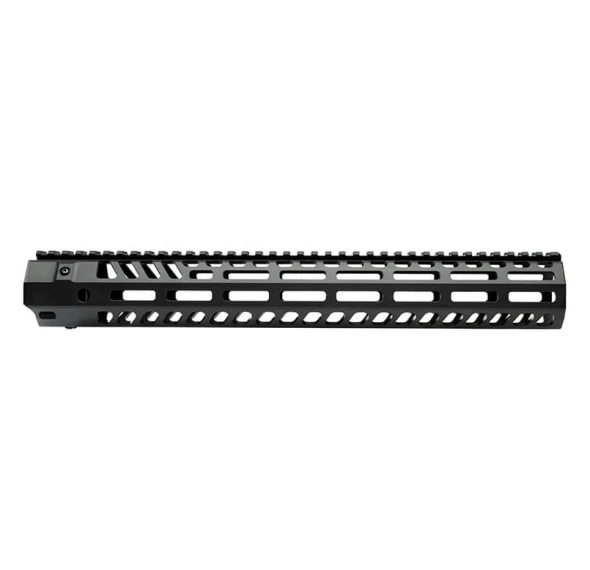
Larger diameter handguards enable the tuck for even the widest suppressors, but there are still compromises that needed to be made back in the day to make this happen. Companies like Midwest Industries had specific “suppressor” compatible rails that had large enough diameters inside of them to allow not just for the tucking of a suppressor, but still allow for standard M-LOK nuts to work where they wouldn’t on a standard-width rail.
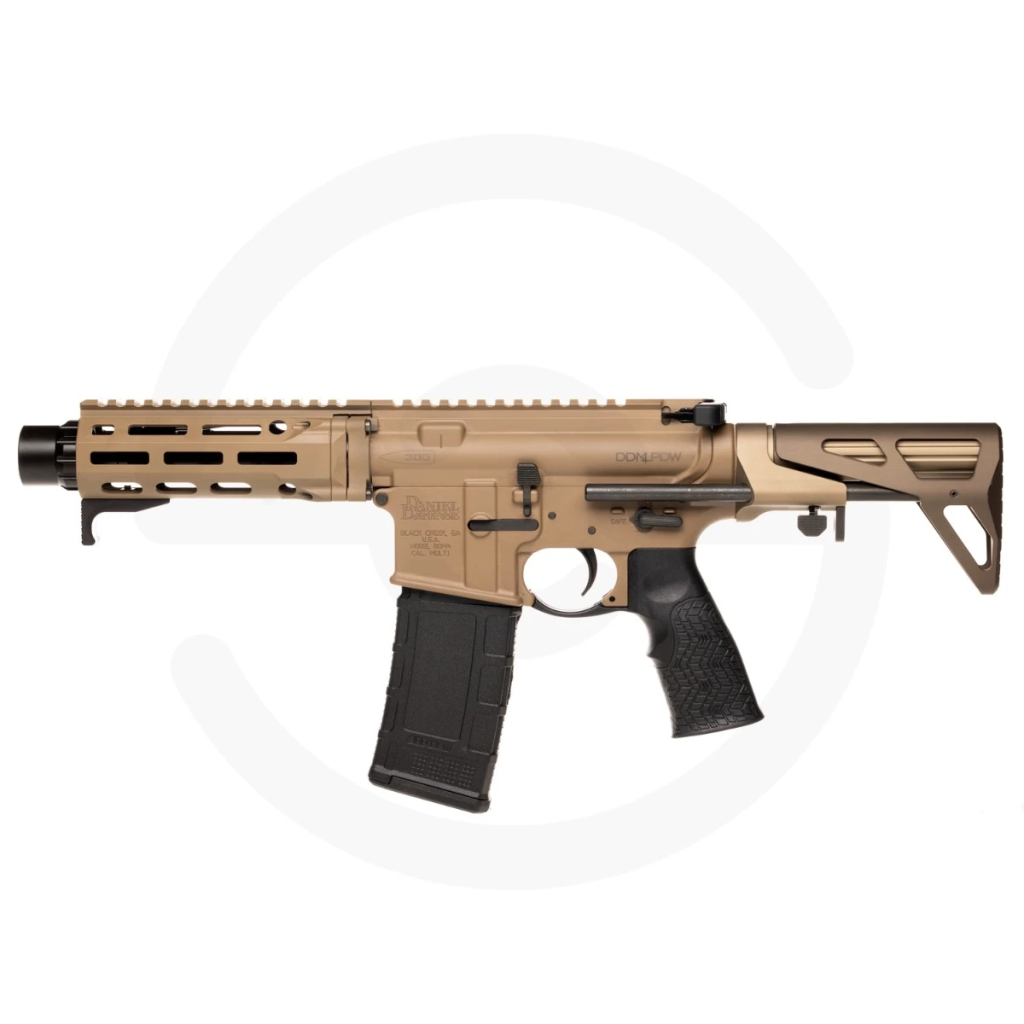
When it comes to actually executing a tucked suppressor build, your choices in component selection will separate the functional rigs from the range paperweights. Start with handguard choice, something like Midwest Industries SP-series or Geissele Super Modular Rails with 1.67-inch+ inner diameters, which are sometimes non-negotiable for swallowing 1.375-1.56-inch OD cans without binding or running into any attached hardware. Pair these 14-15 inch rails with 10.3-11.5 inch barrels; the math (barrel + suppressor length ≤ handguard with 0.2-inch clearance) should give you a free-floating handguard without the extra length of the suppressor running you out to traditional carbine or DMR lengths.. Skinny, short cans like the Dead Air Sandman-K or JK Armament G.O.A.T. 5.56 should tuck effortlessly. The rule of thumb here, for compatibility’s sake, is to avoid fat 1.75-inch suppressors unless you’ve got access to a proper suppressor-compatible handguard that meets all of your other requirements.
For Silencer Shop available products, you’ll want to look into YHM Turbo K uppers or Daniel Defense MK18 clones—pre-configured to work with suppressors in their shortened configurations and likely still compatible with the tucking method. The $0 stamps really make this a less expensive task than it used to be. The $400 in tax stamps you’d normally spend on a two-stamp gun can now be funneled back into the build itself, and get you some better components.
Final Thoughts
Tucked suppressors are great for a number of reasons, but just like anything in the firearm world its not all sunshine and roses. There are drawbacks, and some that you may not be willing to deal with for the sake of having a shorter overall package. Heat demands gloves as part of your standard gear. The rifles themselves are going to require tuning, and unsuppressed use of such a setup is just ill-advised.
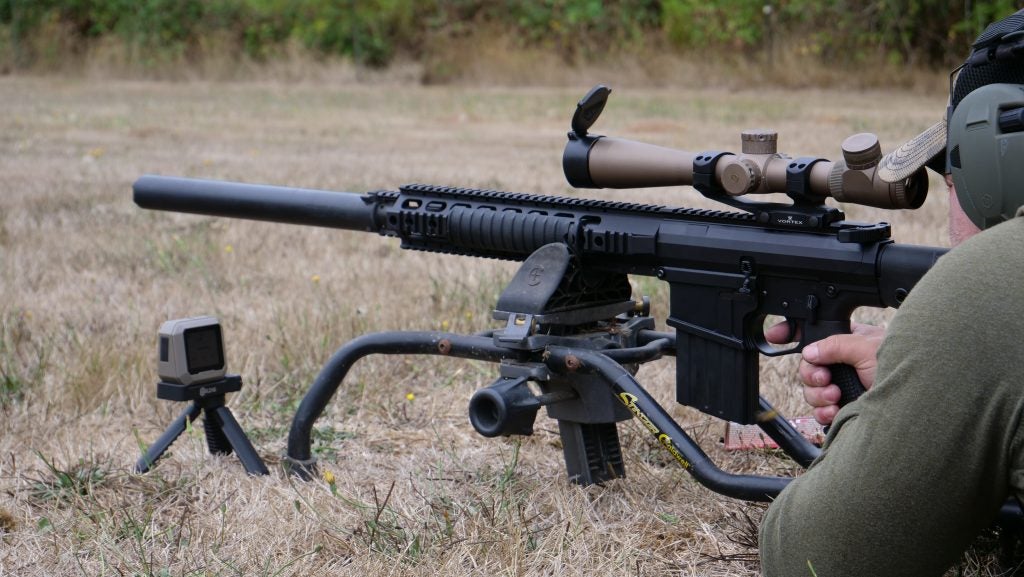
In the $0 stamp golden age, the barrier to entry for this type of setup is at least partially eliminated. Just make sure to measure ruthlessly (calipers, not eyeballing), mock-up dry, and tune obsessively. If you can nail down the fundamentals of the concept, you should wind up with a genuinley life changing rifle setup that feels as cool as it looks. Remember, at the end of the day, shooting suppressed should lean more towards the fun side of the spectrum, not frustrating.
Read the full article here