





Suppressors have become increasingly popular among shooters for their noise reduction capabilities and improved shooting experience. However, one question that frequently arises among suppressor owners is whether they need a suppressor cover to manage heat buildup and mirage effects. The answer isn’t straightforward and depends on your shooting style, frequency, and specific requirements.
Understanding Heat Buildup in Suppressors
When you fire a rifle or pistol with a suppressor attached, the device captures and redirects hot gases that would normally exit the muzzle directly. This process generates significant heat within the suppressor’s chambers. The metal construction of most suppressors conducts this heat to the exterior surfaces, creating temperatures that can reach several hundred degrees Fahrenheit during extended shooting sessions.
Heat accumulation varies based on several factors. Rapid-fire sequences generate more heat than slow, deliberate shots. Larger calibers produce more thermal energy than smaller ones. The suppressor’s construction material and design also influence how quickly heat builds up and dissipates. Steel suppressors typically retain heat longer than titanium or aluminum alternatives. Newer ambient designs draw cool air directly into the suppressor, where it mixes with hot muzzle gases, reducing operating temperatures by up to 75%.
The Mirage Effect and Its Impact on Accuracy
Mirage refers to the visual distortion caused by heated air rising from the suppressor’s surface. This creates a shimmering effect that can significantly impact your ability to maintain accurate sight alignment, especially during precision shooting using a scope. The heated air acts like a lens, bending light rays and causing your target to appear to dance or shift position.
For hunters taking single or a few shots, mirage rarely presents a problem. The suppressor hasn’t had time to heat up sufficiently to create noticeable distortion. However, competitive shooters, those engaging in extended range sessions, or anyone requiring multiple precision shots will likely encounter mirage-related accuracy issues without proper thermal management.
The mirage effect becomes more pronounced in certain field conditions. Calm wind conditions allow the heated air to rise more predictably, creating more noticeable distortion. Bright lighting conditions can also make the mirage effect more visible and distracting.
Heat-Related Safety and Comfort Concerns
Beyond accuracy considerations, excessive suppressor heat poses safety concerns. An unprotected suppressor can cause severe burns if accidentally touched during or shortly after shooting. This risk extends to anyone who handles the firearm, including range officers, hunting companions, and family members.
Heat also affects the longevity and performance of your suppressor. Extreme temperatures can cause thermal stress on internal components, potentially leading to accelerated wear or even baffle strikes. Some suppressor manufacturers specify temperature limits to maintain warranty coverage, making heat management a financial consideration as well.
Equipment damage represents another concern. Hot suppressors can damage gun cases, vehicle interiors, or other gear they contact. The thermal expansion caused by extreme heat can also affect the suppressor’s mounting system, potentially causing point-of-impact shifts or mounting issues.
Types of Suppressor Covers
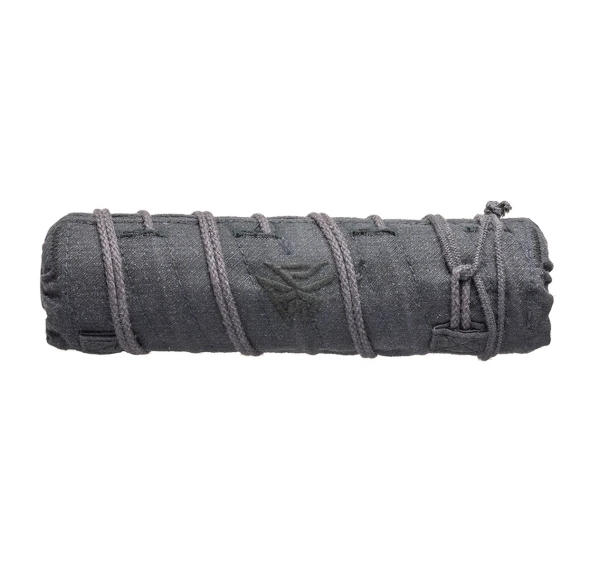
Suppressor covers come in various designs and materials, each offering different benefits and drawbacks. Traditional neoprene covers provide basic heat insulation and are relatively inexpensive. However, they offer limited heat protection, can degrade more quickly, and can trap moisture against the suppressor surface.
High-temperature fabric covers made from materials like Nomex or fiberglass offer superior heat resistance. These materials can withstand extreme temperatures while providing better breathability than neoprene alternatives. Some covers also incorporate reflective materials to deflect radiant heat away from the shooter’s position.
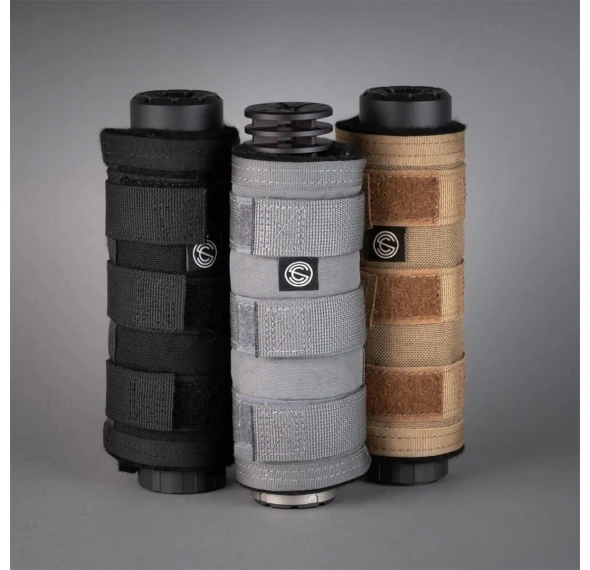
Silicone covers have gained popularity for their durability and heat resistance without degrading. They’re easy to clean, won’t absorb moisture, and maintain flexibility across broader temperature ranges. However, they tend to be more expensive than fabric alternatives and may not provide the same level of thermal insulation.
Some manufacturers offer covers with additional features like attachment points for accessories, camouflage patterns for hunting applications, or modular designs that allow customization based on specific needs.
Competitive Shooting Applications
Competitive shooters represent one of the primary user groups for which suppressor covers are virtually essential. Whether you’re shooting PRS matches, 3-gun competitions, or other organized tactical events, the combination of rapid fire and precision requirements makes mirage management critical.
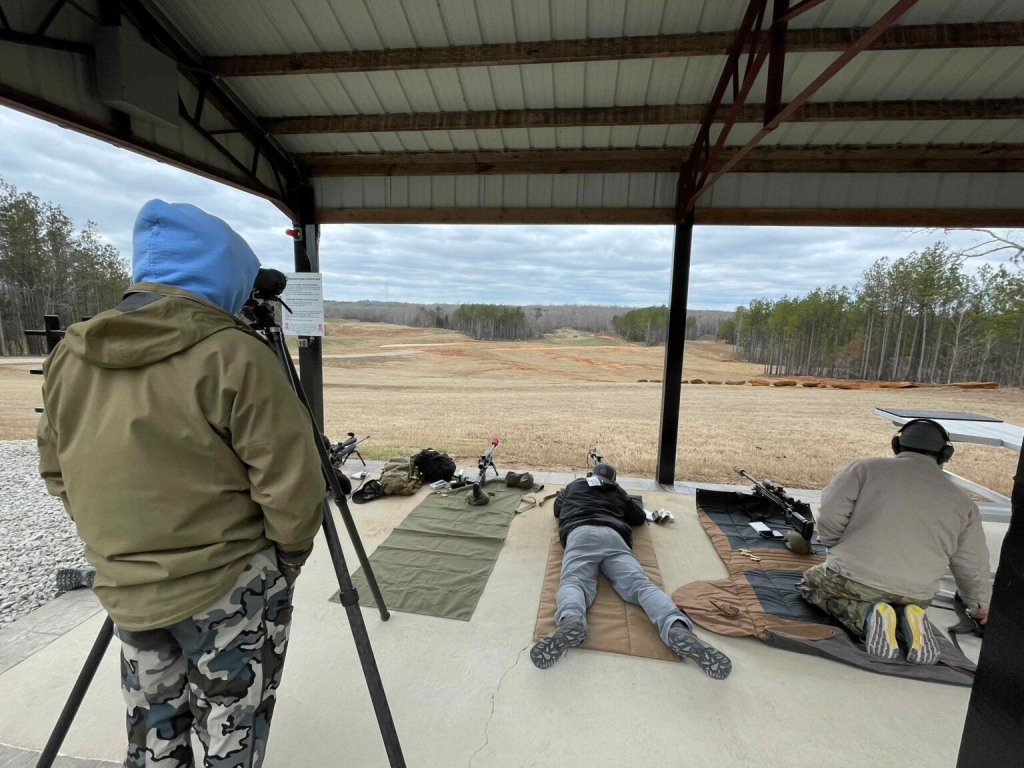
In precision rifle competitions, shooters often fire strings of 10-15 rounds within a few minutes while engaging targets at varying distances of 300-1,000 yards. The suppressor heats up quickly, and mirage can obscure targets or make precise holdovers difficult to judge. High-temperature fabric covers or silicone options work best here, as they minimize distortion while withstanding the heat generated during multi-stage courses of fire.
Three-gun competitors face similar challenges but with more movement and handling requirements. They need covers that stay securely attached during transitions and don’t add excessive weight or bulk. Low-profile designs with secure mounting systems prevent shifting during dynamic shooting positions.
Bench rest and F-Class shooters firing for group accuracy need absolute mirage elimination. Even slight distortion affects their ability to maintain consistent point of aim across multiple shots. These disciplines often benefit from high-temperature fabric covers that provide additional mirage management.
Training and Practice Sessions
Regular range training sessions typically fall somewhere between casual shooting and competition in terms of suppressor cover requirements. The volume and pace of fire during training directly influence whether you need thermal management.
Shooters conducting slow, deliberate practice focusing on fundamentals may fire 20-30 rounds over an hour-long session. This pace allows heat dissipation between shots, reducing mirage concerns. A basic cover provides burn protection and modest thermal management without requiring investment in premium options.
Conversely, tactical training courses involving timed drills, rapid target transitions, and high round counts generate significant heat. Students in professional training courses might fire 200-500 rounds during a weekend class, including rapid-fire drills and simulated scenarios. Silicone and high-grade fabric covers meet these requirements better than budget alternatives that degrade quickly under hard use.
Long-range precision practice presents specific challenges. Shooters working on skills at 600-1000 yards need clear optical pictures to read wind, observe impacts, and make accurate adjustments. Even minor mirage from a few warm-up shots can interfere with these observations. Serious long-range shooters typically invest in high-performance covers that eliminate distortion regardless of cost.
Recreational and Casual Shooting
Recreational shooters who enjoy occasional range sessions or informal plinking represent a large portion of suppressor owners. Their needs differ significantly from competitive or professional users, and cover requirements reflect these differences.
Casual rifle shooters typically fire fewer than 50 rounds per range visit, often with pauses between strings. Heat accumulation remains minimal, and mirage rarely interferes with their shooting experience. For these users, a basic neoprene cover provides adequate burn protection and extends suppressor life without requiring significant investment.
Social shooters who share firearms with friends or family members should prioritize safety features. An inexpensive cover prevents accidental burns when passing rifles between shooters or when others handle firearms between strings. This safety benefit alone justifies the modest cost of entry-level covers.
Recreational shooters experimenting with different suppressors use on various firearms or calibers benefit from versatile cover designs. Adjustable or universal-fit covers accommodate various suppressor sizes without requiring multiple specialized options.
Hunting and Field Applications
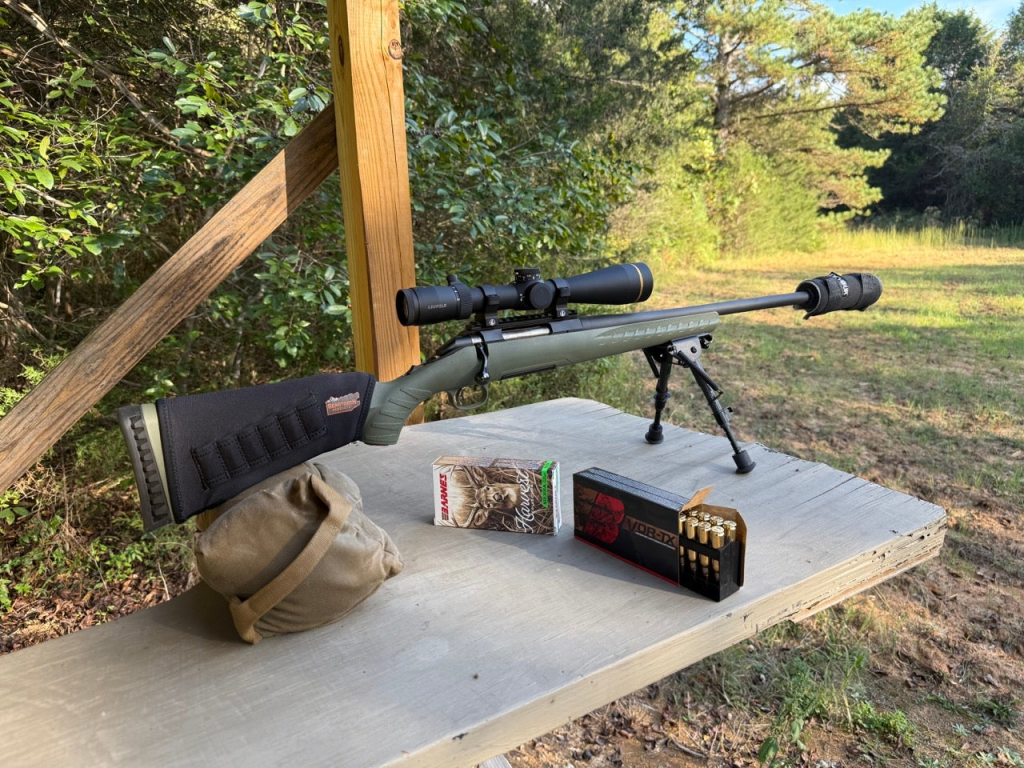
Hunting applications present unique considerations for suppressor cover selection. The typical hunting scenario involves carrying a rifle for extended periods with minimal actual shooting. Most big-game hunters fire only one to three shots per outing, meaning heat buildup rarely becomes problematic.
However, hunters pursuing predators or participating in culling operations often face different requirements. Predator hunters using electronic calls may take multiple shots as animals respond to the calling sequence. Prairie dog hunters and those controlling feral hog populations often fire dozens of rounds during a single session. These scenarios benefit from covers that manage accumulated heat while remaining quiet during movement through vegetation.
Low-light and night vision hunting add another dimension to suppressor cover selection. Some covers incorporate materials and coatings that minimize thermal signature or reduce IR reflectivity. These features help maintain concealment when operating with thermal imaging equipment for hogs or predators.
Wet weather hunting requires covers that resist moisture absorption and dry quickly. Silicone excels in these conditions, shedding water and preventing the soggy, heavy feeling that fabric covers can develop during extended exposure to rain or snow. The camouflage patterns available on many hunting-specific covers also help maintain concealment in various environments.
Making Your Decision
The question of whether you need a suppressor cover ultimately depends on your specific shooting applications and circumstances. Evaluate your typical shooting sessions, accuracy requirements, safety priorities, and budget to make an informed decision.
If you frequently engage in extended shooting sessions, require long-range precision, participate in competitive events, or hunt predators or hogs, a high-quality suppressor cover becomes essential equipment rather than an optional accessory. The investment in the right suppressor cover for your needs is a relatively small investment that pays big dividends in your performance, safety, and enjoyment in the field.
Read the full article here