




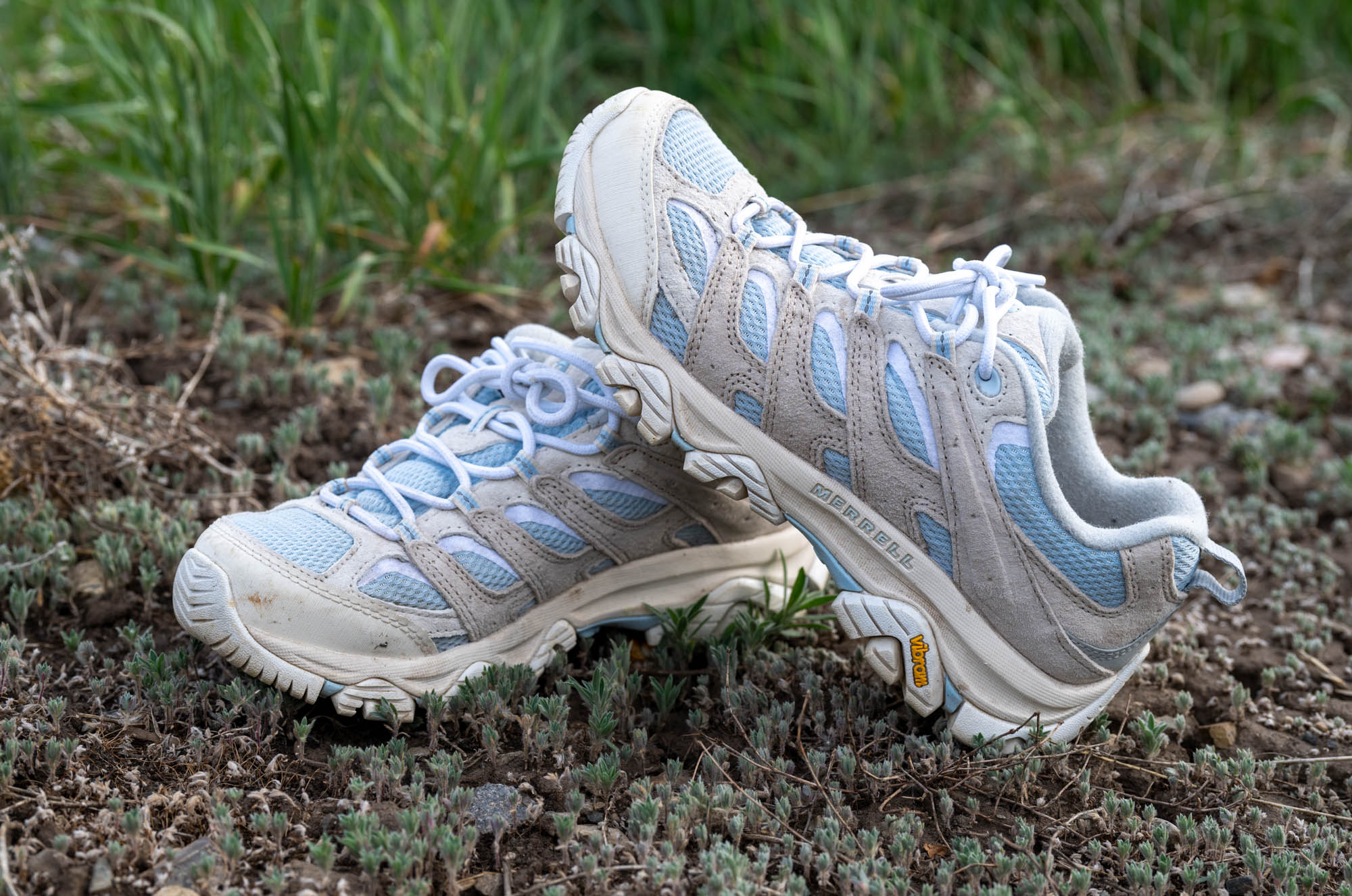
Modern hiking gear is trending lighter, faster, and more breathable, and the latest generation of women’s hiking shoes is leading the charge. Whether you’re tackling high-alpine ridges or local weekend loops, today’s low-cut trail shoes offer a level of energy return and comfort that traditional heavy footwear simply can’t match. By choosing a more agile shoe, you make 15-mile days feel significantly less taxing on your feet and joints without sacrificing the traction and support needed for technical terrain.
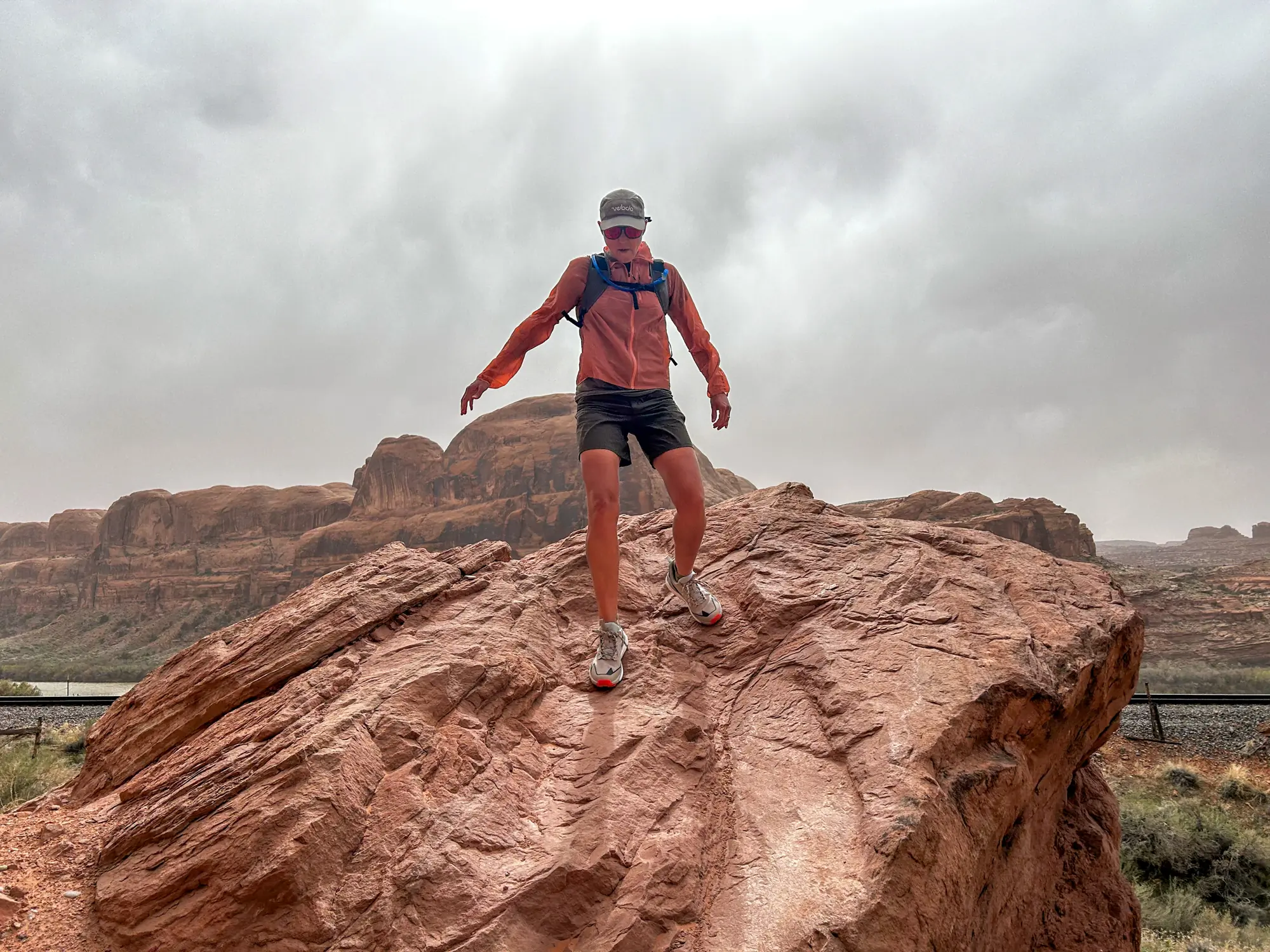
For this guide, expert testers Micah Ling and Chris Kassar drew on decades of trail experience—from fast-packing rugged peaks to slow, loaded treks through the desert—to put every shoe through its paces. Together, they racked up hundreds of miles across the Tetons, the Sawatch Range, and the canyonlands of Utah. We weighed critical factors like waterproofing, energy return, traction, and long-term durability to deliver the most reliable picks for 2026.
Below, you’ll find our favorite women’s hiking shoes tested side-by-side. The Salomon X Ultra 5 GTX currently holds our top spot for its “best-of-both-worlds” blend of stability and agility, while the Merrell Moab 3 remains the undisputed budget champion for dependable comfort.
Editor’s Note: On March 18, 2026, we refined our awards to crown the Salomon X Ultra 5 GTX as our new ‘Best Overall’ winner. We’ve also added ‘Quick and Dirty’ summaries to every review and an overhauled Comparison Chart to help you find your perfect fit faster.
The Best Hiking Shoes for Women of 2026
Best Overall Hiking Shoes for Women
9.2/10 Rating
Best Budget Hiking Shoes for Women
7.4/10 Rating
Best Women’s Hiking Shoes for Backpacking
8.5/10 Rating
Best Max-Cushion Hiking Shoes for Women
8/10 Rating
Best Lightweight Hiking Shoes for Women
8.7/10 Rating
Best Zero Drop Hiking Shoes for Women
7.7/10 Rating
See more picks
-
Secure, snug, and virtually customized fit -
No break-in needed -
Durable yet lightweight and breathable -
Breathable -
Excellent traction and stability
-
No backup if lacing system fails
-
Excellent grip & traction -
Durable -
Affordable -
Stellar shock absorption & support
-
Can feel bulky -
Round shoelaces come untied
-
Excellent waterproofing with GORE-TEX Surround -
Vibram soles provide grippy hold on all terrain types -
Good breathability despite waterproofing -
Vegan materials
-
Moderate cushioning with rugged soles -
Vegan materials -
Heartier, double-layer jacquard mesh is made with recycled content
-
Run narrow -
Not much waterproofing
-
Lightweight design with high energy return -
Waterproof & breathable -
Excellent grip across varying trail conditions -
Fits well/adequate toe space -
Smooth, rockered stride encourages faster movement
-
Outsole may wear down quicker -
Less stable on very technical terrain
-
Lightweight -
Natural fit with roomy toebox -
Zero drop promotes a natural stride -
Updated ripstop mesh upper improves durability/longevity -
Updated MaxTrac outsole provides greater traction
-
Lack cushioning for carrying a heavy load -
Zero drop takes some getting used to and isn’t for everybody
Other Women’s Hiking Shoes to Take You There
-
Super cushioned. If you want the opposite of a minimalist feel, this is that. -
Made with about 88% recycled polyester, reducing its overall carbon footprint -
Good waterproofing
-
Can feel hot on super-toasty days -
Pricey
-
Lightweight yet stable -
Excellent amount of cushioning -
Reliable grip on a variety of terrain -
Breathable
-
BOOST cushioning is exposed, and might break down faster than others -
Runs big
-
Excellent traction from Vibram Megagrip -
Plush cushioning feels comfortable all day -
Stable, confidence-inspiring stride on mixed terrain -
Recycled materials throughout the upper and laces
-
Runs large -
SwallowTail heel adds downhill stability but can snag on tight terrain -
Heavier and pricier than others
-
Excellent traction on varied and technical terrain -
Stable, supportive ride -
Keep feet dry in wet conditions -
Responsive cushioning -
Durable upper holds up well to rough use
-
Runs narrow, especially in the toe box -
Longer break-in period than some competitors -
Not as plush or cushioned as comfort-focused hiking shoes
-
Stylish — doesn’t look like all the rest of the bulky hiking shoes -
Grippy lugs that keep you grounded but don’t feel enormous -
EXO Heel System provides a comfortable, secure fit via external heel counters
-
Not super cushioned -
Pricey
-
Comfortable -
Vibram traction lugs work well on all surfaces -
Breathable
-
A bit bulky -
Maybe a plus, maybe a con, it feels like a classic hiking shoe, not a trail runner
-
Comfortable fit -
Lightweight -
Breathable -
Very stable -
Come in a waterproof version, too
-
Lightweight build doesn’t deliver max protection -
Long-term durability concerns -
Average traction
Women’s Hiking Shoes Comparison Chart
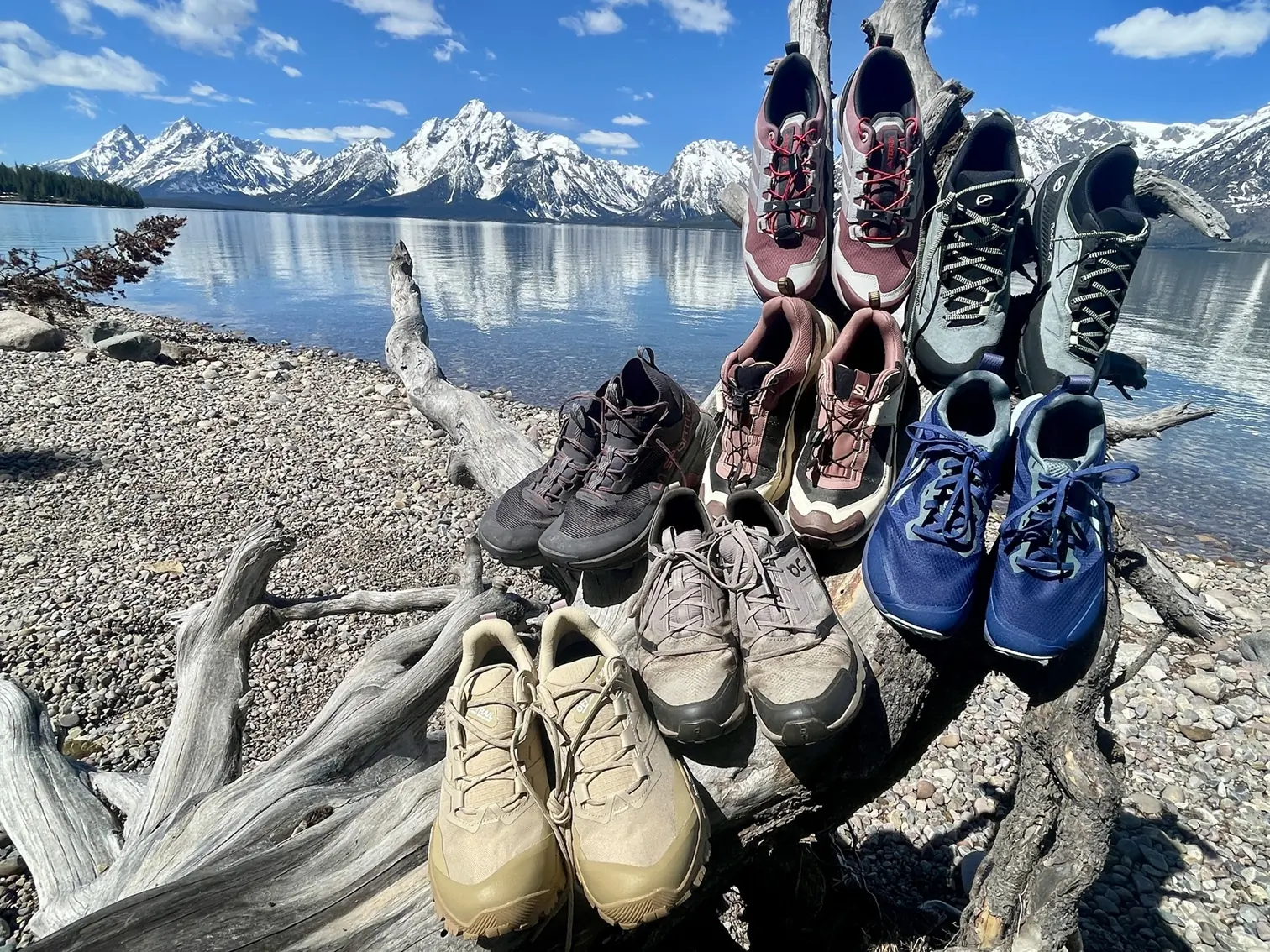
How We Tested Women’s Hiking Shoes
Our Expert Testers
Lead tester Micah Ling is no stranger to many miles in the mountains and the desert. She lives in a mountain town in southern Colorado, right in the Sawatch Range of the Rocky Mountains. As a regular contributor to several national outdoor publications, Ling spends as much free time as possible playing on the trail.
She’s also always thinking up a new challenge or goal. In 2022, a major magazine commissioned her to tackle as many close-to-home trails as possible in one summer. After covering thousands of miles and climbing several 14,000-foot peaks, Ling felt like she knew her backyard intimately. She also spends a fair amount of time trail running, mountain biking, and camping with her husband and pup.
Editor Chris Kassar stepped in (and out on the trail) to help test many of these hiking shoes. Chris lives in Jackson, Wyoming, where she spends a lot of time scrambling peaks in Grand Teton National Park. She also loves hiking with her pup on mellow National Forest trails, which are all ideal places to put shoes through the wringer.
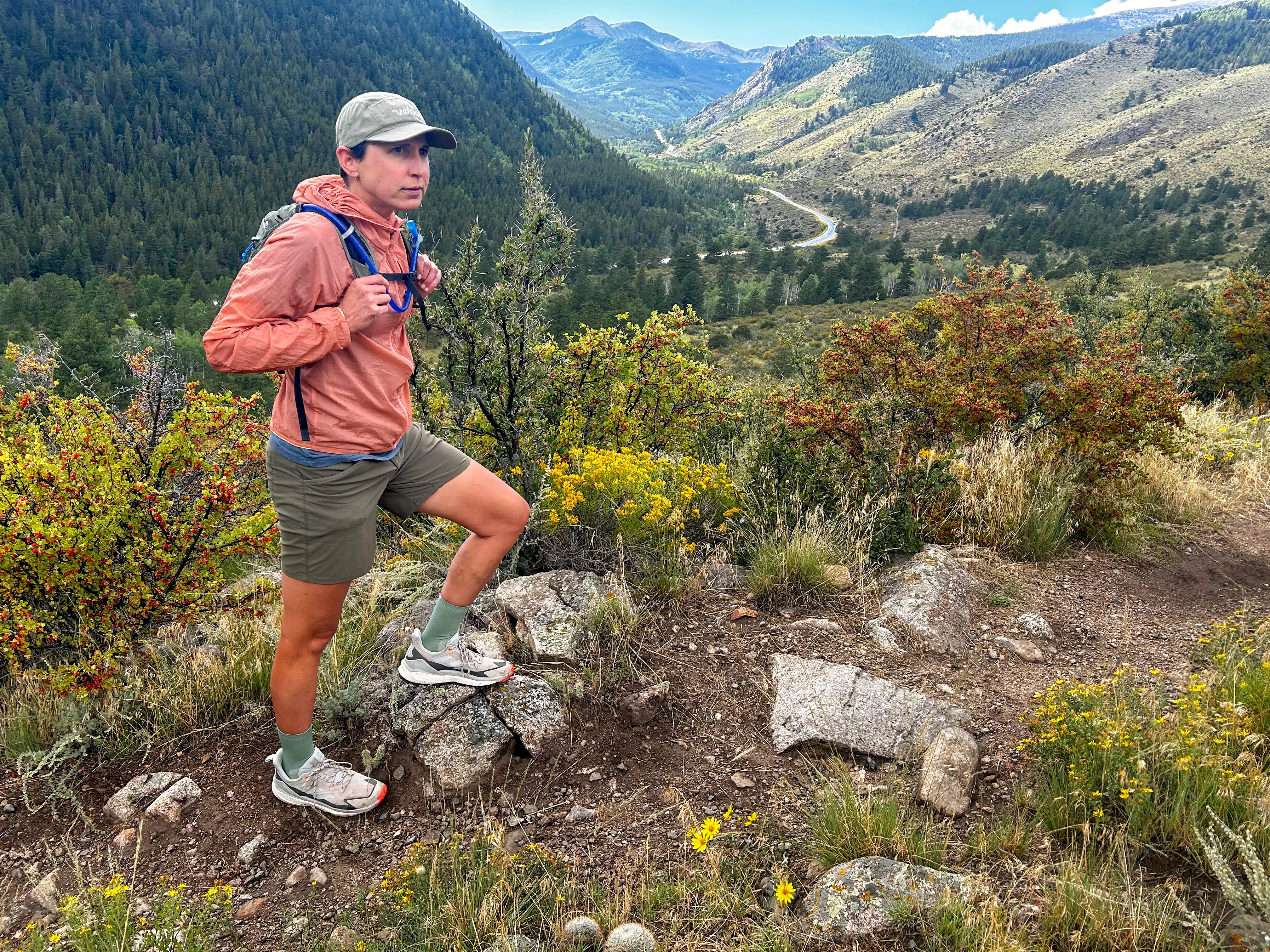
Testing Grounds & Process
We launched our first look at the best women’s hiking shoes in the spring of 2024, with six pairs. Since then, we’ve expanded our selection to bring you the picks you see today. We took these shoes out for various distances and on different kinds of terrain. We also put them through the ringer when it came to weather conditions. There are certainly test perks to living in the mountains year-round.
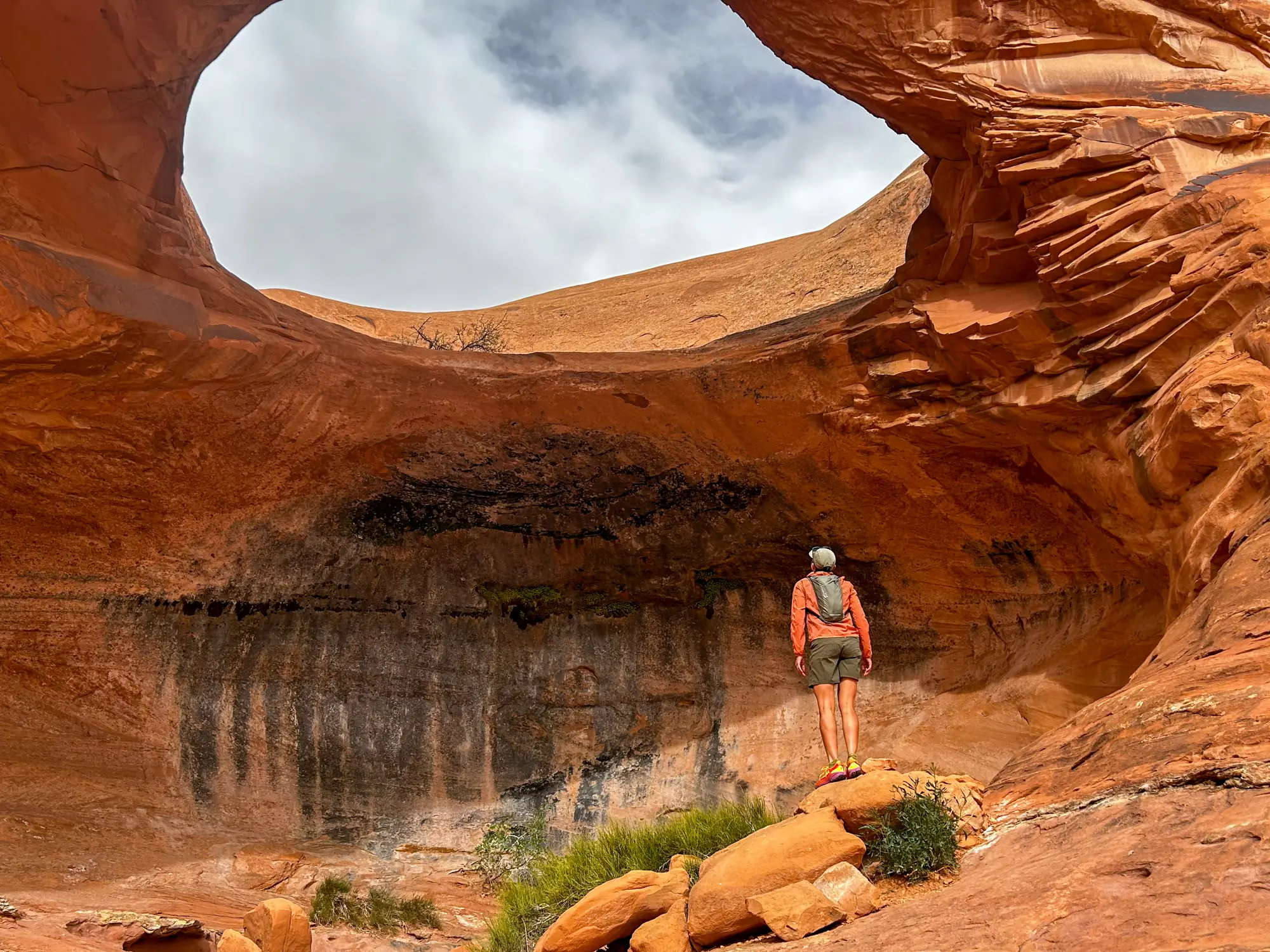
Besides our backyard playground of mountain trails, we have regular access to Utah, New Mexico, Montana, Idaho, and Arizona. We recognize that most of you don’t buy hiking shoes for just one type of setting. Therefore, we emphasized testing variety. We considered weatherproof components, traction, comfort, support, and durability to find shoes that allow us to go on all kinds of adventures in all kinds of places.
We also paid attention to how the shoes look on our feet, and how they make us feel. While looks aren’t everything, we know it’s important to feel stylish. Plus, we want the option to easily go from trail to tavern.
Round out your kit for your next hiking adventure with our guide to the best women’s hiking pants, socks, and down jackets. If you’re looking for different types of hiking footwear, check out our guide to the best hiking boots for women.
Our Hiking Shoe Rating System
We rate each hiking shoe on a 1–10 scale with decimals for precision, focusing on four key metrics that matter most on the trail: comfort, support, traction, and durability. Comfort captures cushioning, fit, flexibility, and breathability over both short and long hikes. Support reflects how stable the midfoot and heel feel under load and on uneven terrain. Traction measures grip on everything from dirt and rock to mud and wet ground, while durability gauges build quality, material strength, and how well the shoe holds up over time. By combining these scores, we give a balanced picture of where each shoe excels and where it makes trade-offs. Overall performance is provided separately and represents our full verdict based on real-world hiking, not a simple average of the other scores.
Buyer’s Guide: How to Choose the Best Hiking Shoes for Women
Why Hiking Shoes?
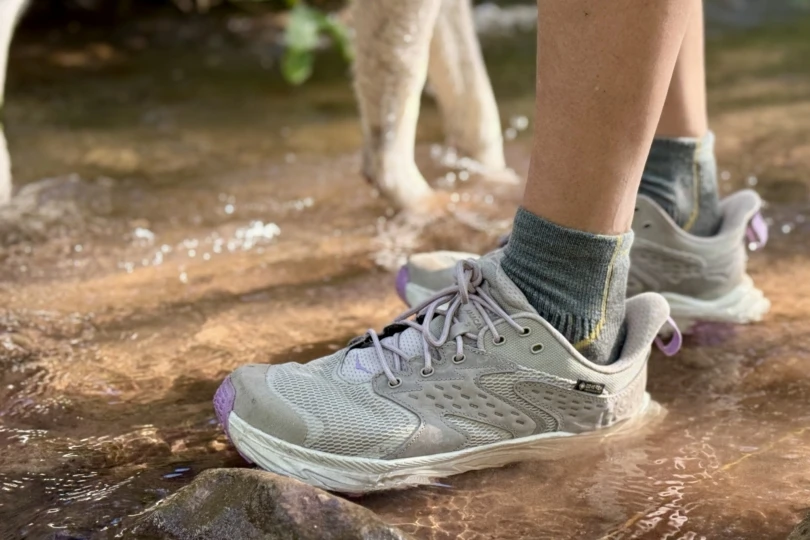
A hiking shoe is typically low-cut, less rigid, and often more comfortable than higher or bulkier options. It can incorporate more synthetic materials, which make it more breathable and easier to move in. These days, hiking shoes tend to have many similar features to their trail-running cousins.
Many are inspired by running shoes in terms of comfort and feel, such as the Hoka Speedgoat 6, the Adidas Terrex Free Hiker 2, and the Altra Lone Peak 9. These shoes offer the same rugged tread but are paired with a more flexible upper and more breathable materials. The La Sportiva Prodigio Hike GTX is a hybrid that merges the comfort of a runner with features of a hiking shoe.
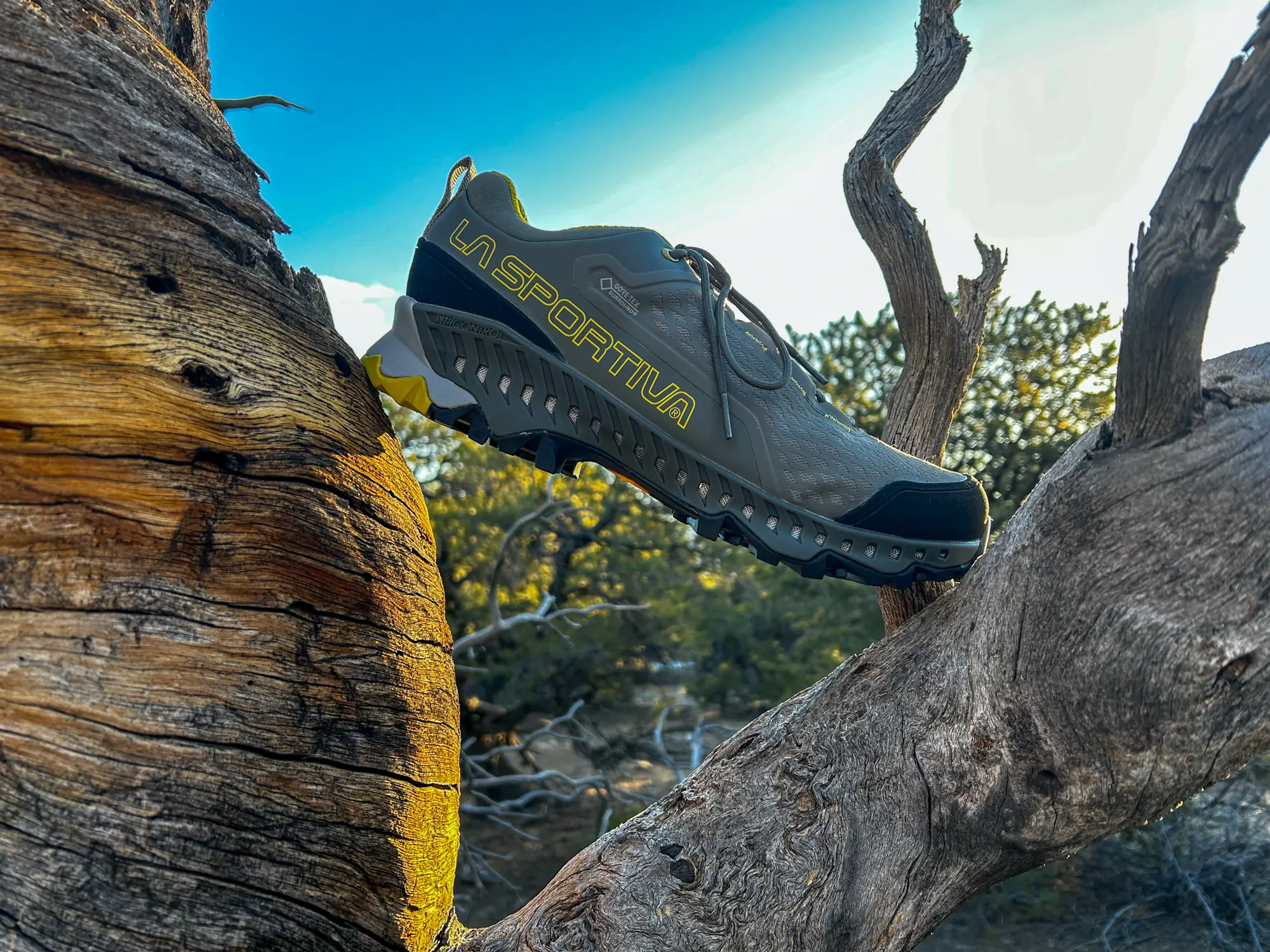
Higher, sturdier footwear tends to be the go-to pick for traveling big miles, especially if you plan to carry a lot of weight. However, a heavier-weight option like The North Face Offtrail Hiking Shoes works with a heavy pack. But don’t assume hiking shoes can’t stand up against harsh conditions. Shoes such as the La Sportiva GTX can still perform well through various weather conditions, creek crossings, and all-day adventures.
In general, hiking shoes are a great choice if you’re looking to hike a little faster, want something a little lighter on your feet, and prefer a little more minimalist feel. Hiking shoes can also be used for trail running. They’re easier to pack for trips, and do better in warmer climates where breathability can make or break your day.
Fit
In the cycling industry, women’s-specific bikes got a reputation of “shrink it and pink it,” meaning they were just men’s bikes made smaller and with “girl colors.” But there’s a lot more to making a quality women’s-specific product, especially when it comes to shoe fit. The main reason to buy a women’s hiking shoe is the fit. Many women have narrower heels than men, and many women have smaller and narrower feet overall than men.
But again, it’s not just about size. It’s also common for women to have a higher arch. Women’s-specific hiking shoes are all built with these dynamic differences in mind. Hiking shoes for women aren’t just smaller and in more feminine colors (whatever that means), they’re actually built to fit a woman’s foot better.
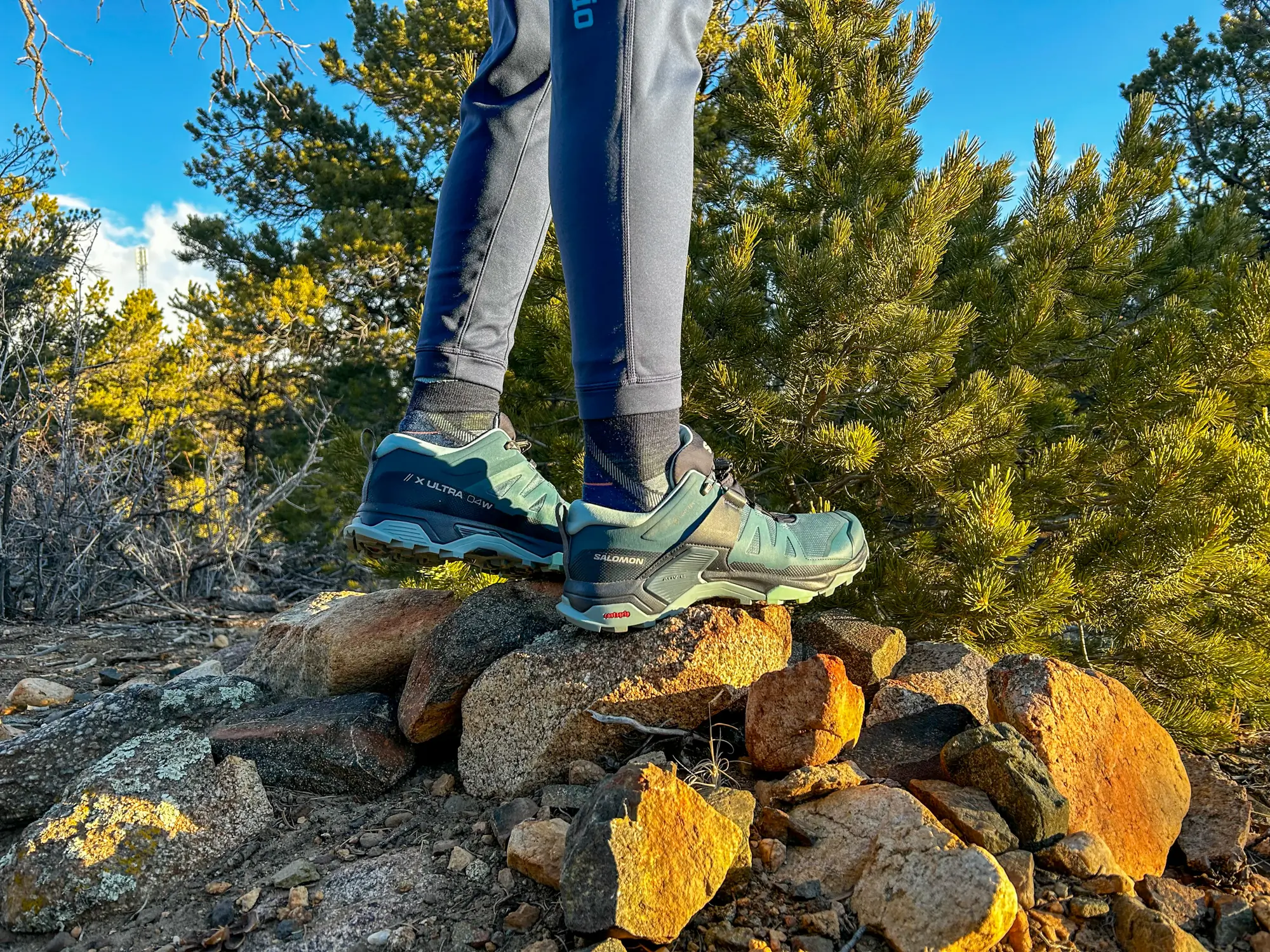
Not all women have small, narrow feet or high arches. Plenty of women have wide feet, large feet, or flat feet. The length, width, and volume vary across each shoe brand. Some hiking shoes, like the Merrell Moab 3 and the Altra Lone Peak 9, have a wider toebox area. Some, like the Salomon X Ultra 5, run narrow throughout the heel. Each has its own version of construction that will work with some feet but not with others.
Arch & Heel Support
There is a diverse range of foot types, and individuals have varying preferences regarding arch support and the overall feel of hiking shoes. For instance, the Merrell Moab 3 offers zonal arch and heel support tailored for those with high arches. These shoes are designed to focus on support, as the arches significantly support our body weight during hikes.
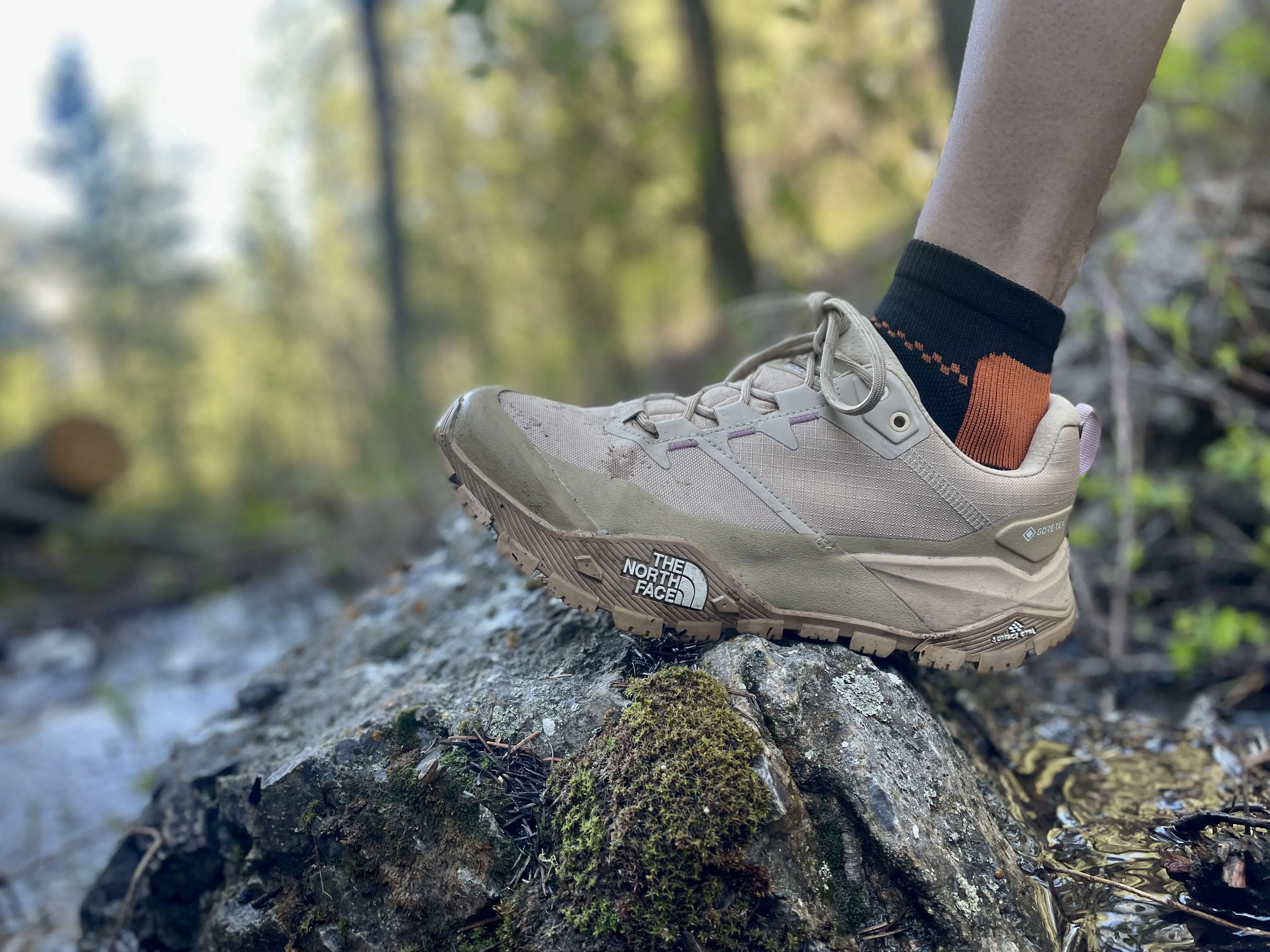
On the other hand, the Altra Lone Peak 9’s zero-drop design (meaning that the height of the heel and forefoot is the same) provides consistent cushioning throughout. This design aims to promote more natural foot movement and enhance foot strength. However, it might not be suitable for everyone and could require some acclimatization time. The North Face Offtrail Hike GORE-TEX shoes are one of the most stable and supportive we have tested.
Traction
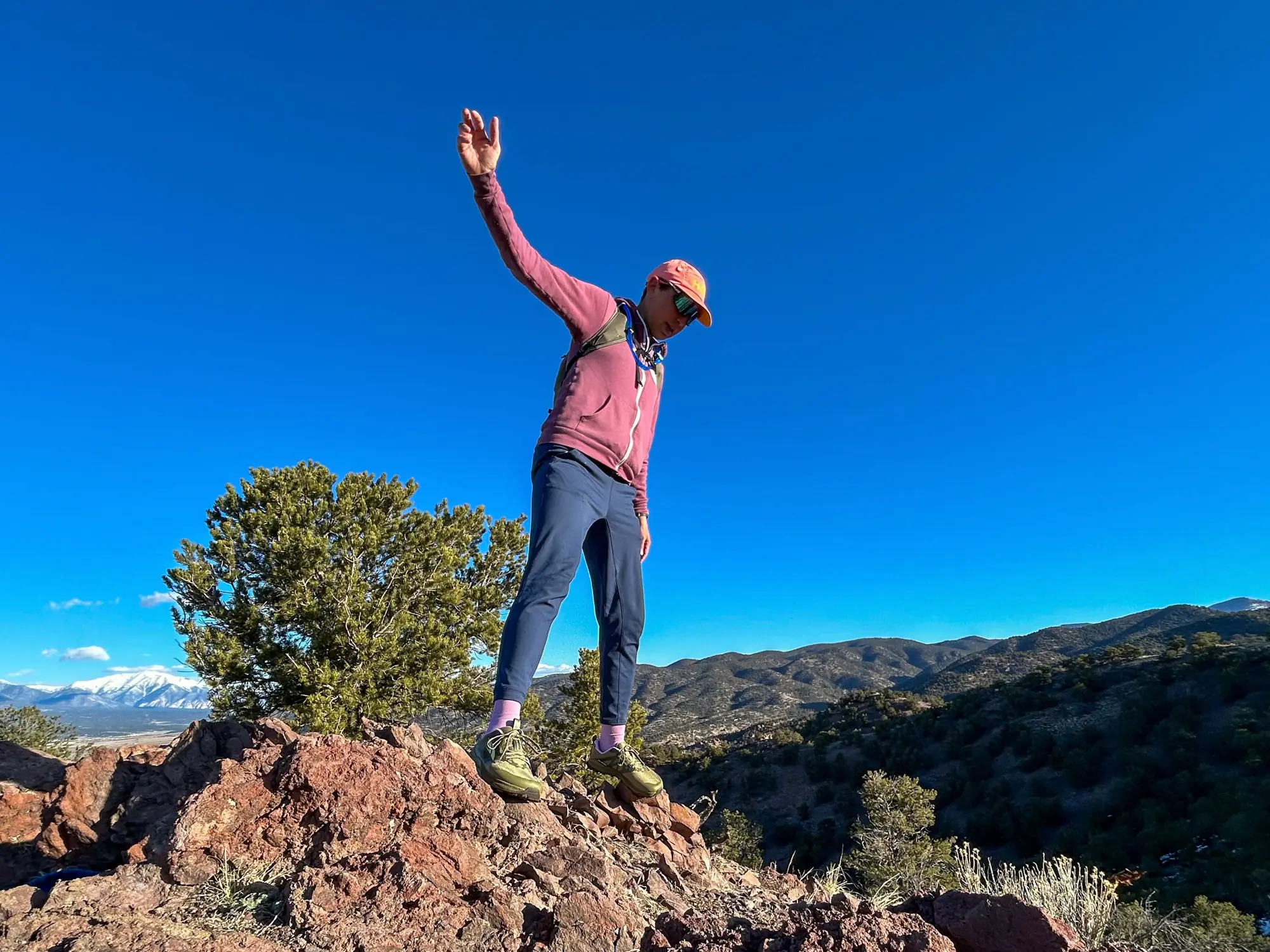
When it comes to hiking, reliable traction is a must. The best hiking shoes for women feature lugged outsoles and sticky rubber compounds that grip a wide range of terrain, ensuring you can confidently navigate everything from dusty switchbacks to rocky ridgelines.
The Salomon X Ultra 5 GTX leads technical traction with deep, aggressive lugs and a stable chassis that excels on steep, uneven ground. The La Sportiva Prodigio Hike GTX also delivers a confident grip, offering trail-runner agility with enough bite for alpine terrain. The Merrell Moab 3 Waterproof is a reliable choice for more casual or varied trails. Its durable outsole and dependable traction on everything from dry dirt to loose gravel ensure you can hike confidently, no matter the trail condition.
Some shoes also have a special tread or “brake” system in the back, beneath the heel, that helps provide traction. The La Sportiva Spire GTX has an “impact brake system” on the heel, which is made especially to avoid falls in slick conditions. This heel brake, also called the heel shelf, is where there’s a shelf in the back beneath the heel of the foot that helps provide traction, too.
No matter your pace or path, solid traction helps you confidently hike and keeps you steady when the trail gets slick or steep.
Breathability
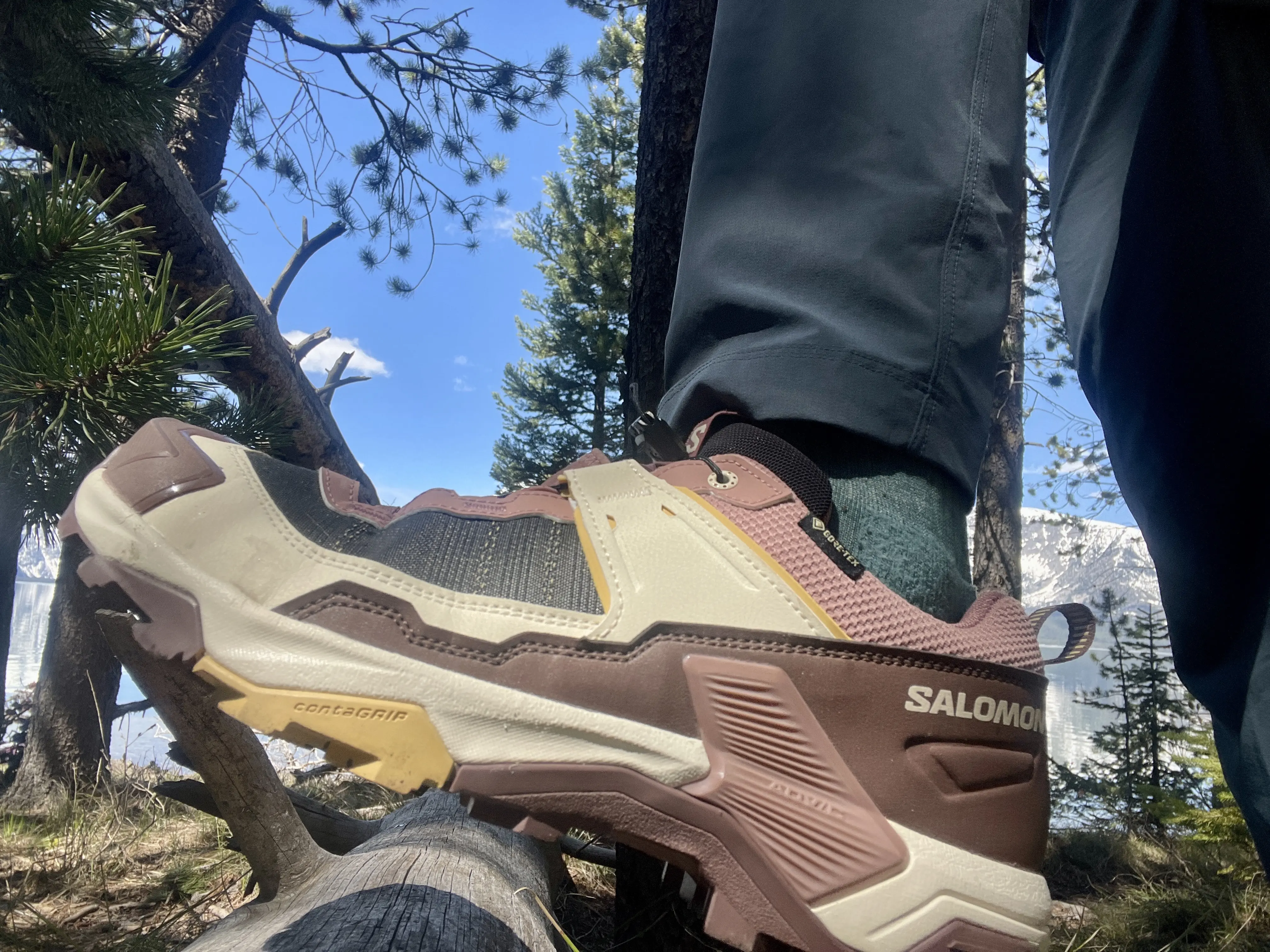
When temperatures rise, or hikes extend into long, sweaty miles, breathability becomes just as crucial as support. Well-ventilated hiking shoes help regulate foot temperature and wick away moisture, reducing the risk of blisters and keeping your feet comfortable throughout the day.
The Adidas Terrex Free Hiker 2 Low stands out with its sock-like knit upper, which offers excellent airflow while maintaining structure. The Merrell Moab Speed 2 is another top performer in warm conditions, thanks to its lightweight mesh upper. Even the La Sportiva Prodigio Hike GTX provides solid ventilation for a GORE-TEX shoe.
If breathability tops your list — especially for hot climates or high-output hikes — look for shoes with mesh uppers and minimal overlays that allow your feet to breathe freely without overheating. If you want an extremely breathable option or expect to spend a lot of time walking in the water, take a peek at our guide to the Best Hiking Sandals for Women.
Stability
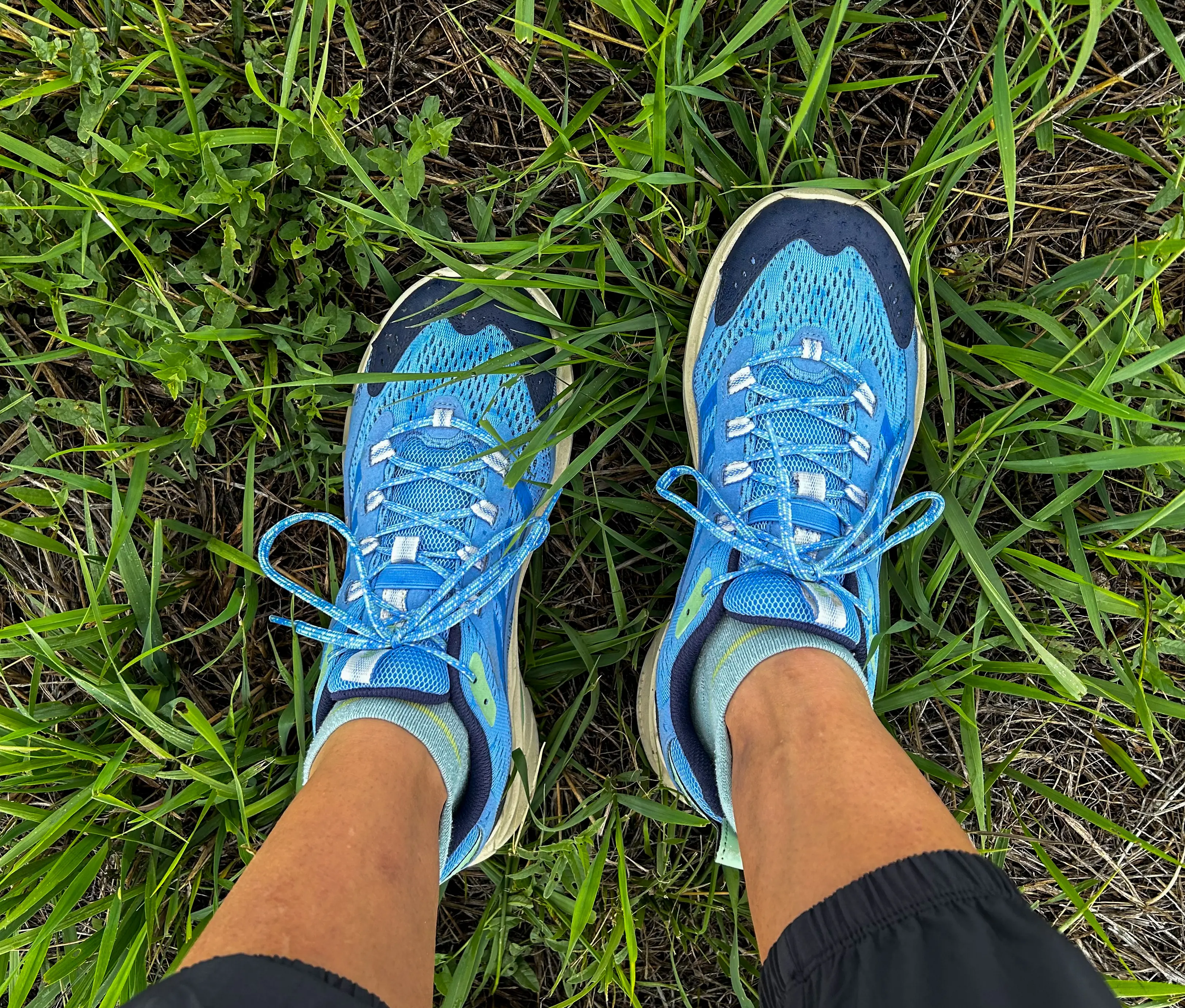
Stability is about how secure and supported your foot feels under pressure — especially on uneven terrain. Several design elements influence your sense of stability: the type and firmness of cushioning, heel-to-toe drop, outsole composition, lug pattern, and overall structure. A stable shoe helps prevent rolled ankles, reduces foot fatigue, and inspires confidence when the trail gets rough.
The Merrell Moab 3 remains a favorite for its dependable, balanced ride. A firm midsole, structured heel cup, and moderate drop provide solid underfoot support without feeling bulky. The Adidas Terrex Free Hiker 2 elevates the experience with its responsive Boost midsole and sock-like fit, which wraps the foot securely while maintaining stiffness for rocky trails.
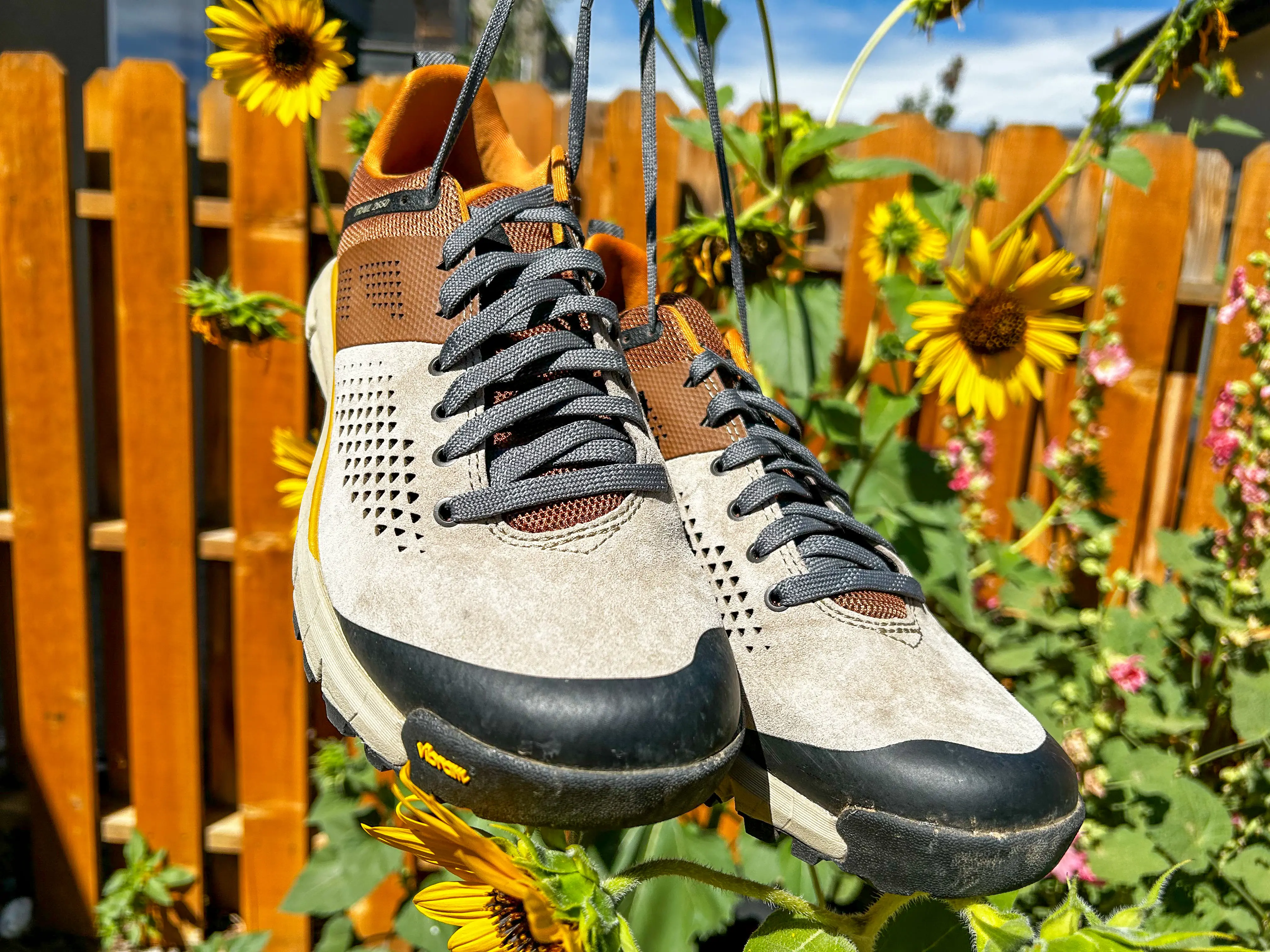
While lightweight and designed for speed, the North Face Vectiv Fastpack WP and Danner Trail 2650 still deliver excellent ground feel and stability, thanks to a reinforced heel and grippy outsole. Most hikers seek a shoe that feels planted and steady across varying terrain — even when carrying a pack — but not so stiff or overbuilt that it hinders its pace. The best hiking shoes achieve this balance, keeping you quick without sacrificing support where it matters.
Key Parts of a Hiking Shoe
Tread or Outsole
The underside of the hiking shoe is the outsole or tread — the surface that comes into contact with the ground. The outsole is made of rubber and is usually made by a different brand from the shoe company. Vibram has recently cornered the market with their outsoles, but Adidas partners with Continental, the same brand that makes tires.
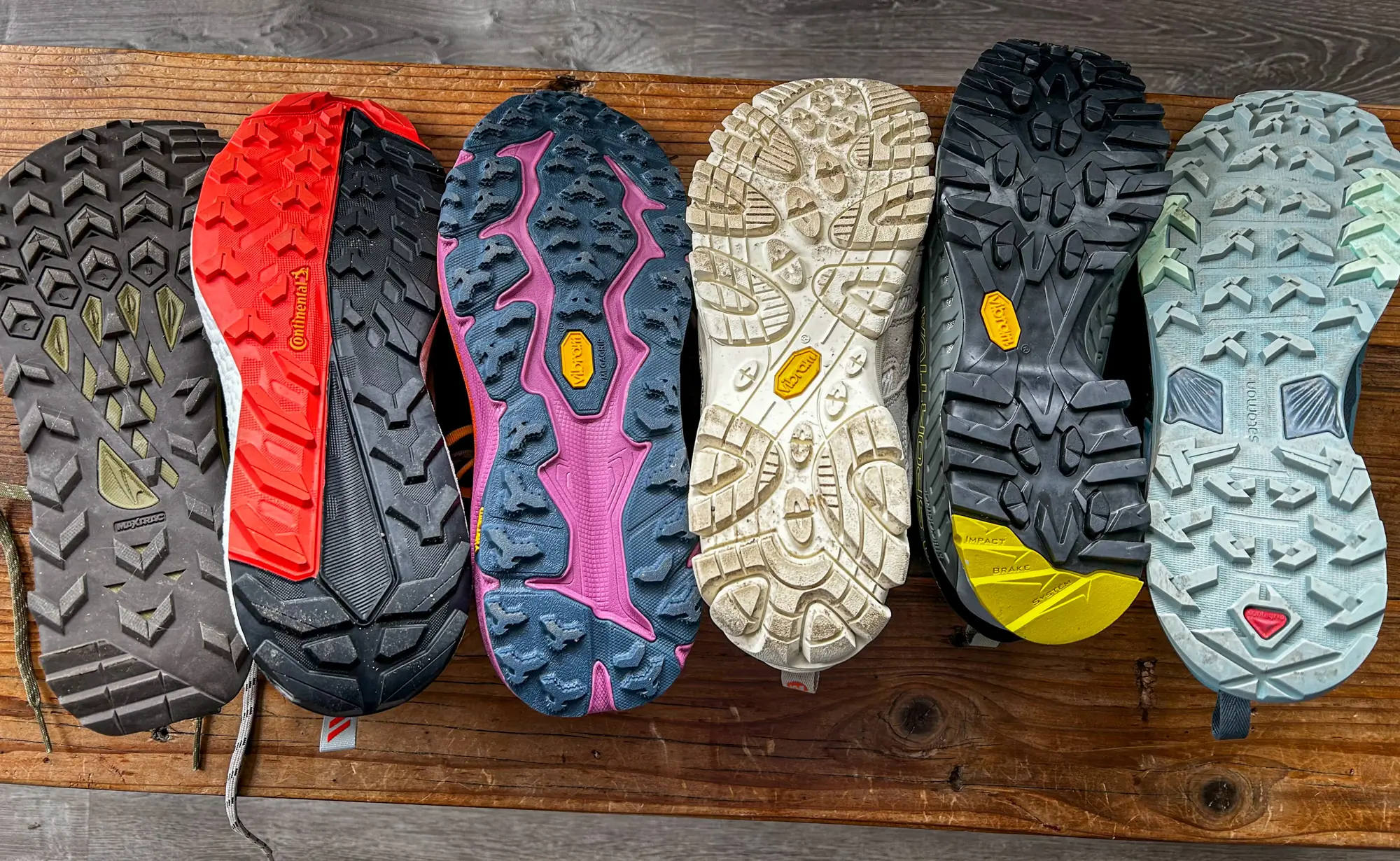
Each outsole has a lug pattern that helps with traction in all kinds of conditions. Hiking shoes with shallower lugs work best on fairly flat or easy-to-moderately steep trails. They’re ideal for pavement, dirt, grass, crushed gravel, and fallen leaves. Moderate lugs offer the best traction on moderately steep trails with looser surfaces like mud, gravel, or scree. If you’re backpacking or mountaineering, you’ll want shoes with deeper lugs. (See section on traction for more information).
The heel often also has its own special tread or “brake” system in the back of the shoe, beneath the heel, that helps provide traction. The La Sportiva Spire GTX has an “impact brake system” on the heel, made especially to avoid falls in slick conditions. This heel brake also called the heel shelf, is where there’s a shelf in the back beneath the heel of the foot that helps provide traction, too.
Midsole
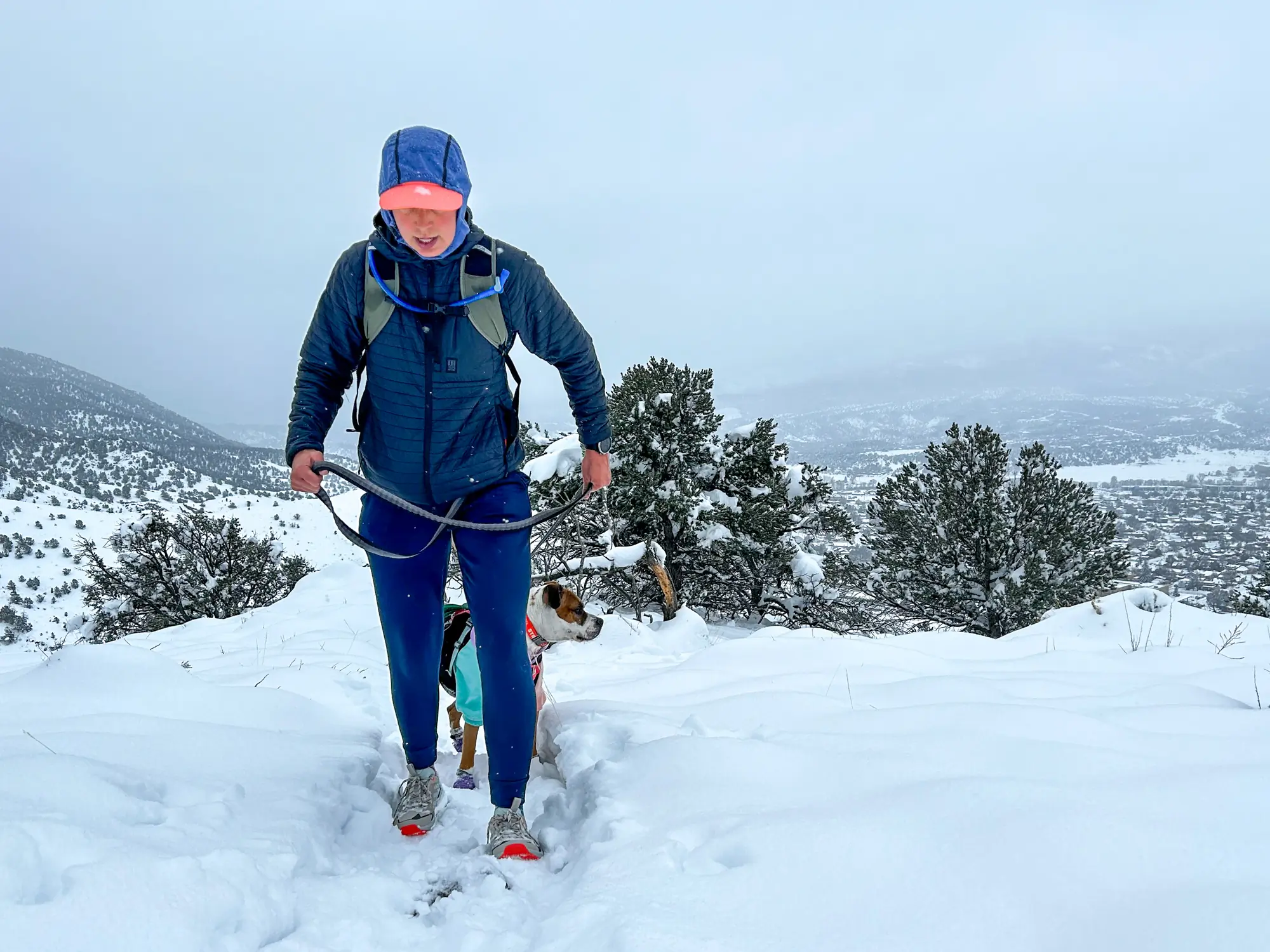
When you think of midsoles, you think of cushion and comfort. This is the area between the upper, which goes over the top of your foot, and the outsole. The midsole plays the biggest role in how your hiking shoes feel. It is where the shock absorption happens and where the protection is between you and the ground.
Some people like a closer-to-the-ground feel, like the Altra Lone Peak 9, and others like lots of cushioning, like the On Cloudhorizons, between them and the rocks. It’s all about preference. Many are inspired by running shoes in terms of comfort and feel, such as the Hoka Speedgoat 6, the Adidas Terrex Free Hiker 2, and the Altra Lone Peak 9.
These shoes offer the same rugged tread but are paired with a more flexible upper and more breathable materials. The La Sportiva Prodigio Hike GTX midsole delivers a ton of energy return, so you don’t feel fatigue as quickly. The midsole materials are typically EVA, which is plush and lightweight, or polyurethane, which is more dense. EVA tends to break down faster and costs less.
Upper
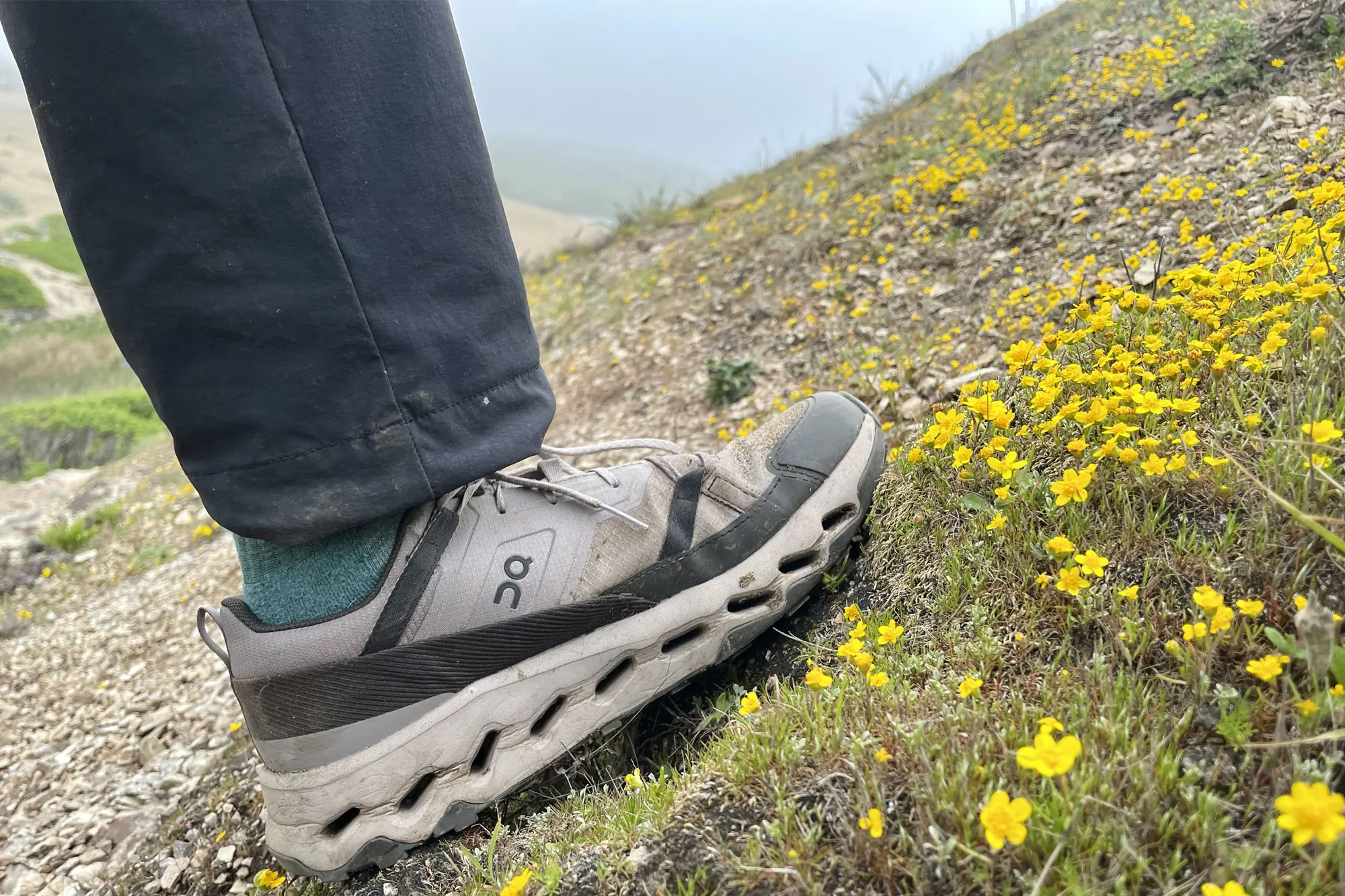
The upper is the area that covers the top of the foot and attaches to the materials beneath the foot, including the midsole and outsole. Upper materials can vary greatly, from rigid and waterproof to flexible mesh.
Sometimes, upper materials include leather or suede and are resistant to weather, such as the Merrell Moab 3, and sometimes, they are synthetic and light, such as the Hoka Speedgoat 6. Upper materials determine its breathability. Any upper materials designed to be waterproof will automatically be less breathable. For instance, the Adidas Terrex Skychaser has a mesh upper that improves breathability but compromises durability and waterproofing.
Price & Value
Hiking shoes, unlike their all-leather, high-top counterparts, are generally quite affordable, typically costing no more than $200. Waterproof uppers, added traction, or extra cushioning typically increase the price tag. So, be sure to choose based on the type of hiking you typically do and your priorities.
Budget
The Merrell Moab 3 ($120) is the least expensive shoe we tested and our top budget pick. It’s reliable, reasonably priced, and stable. But, it’s also a bit chunky and does not provide waterproof protection. The Merrell Moab Speed 2 ($140) is a lighter, more breathable option for $20 more.
Mid-Tier
Most of the shoes on this list cost $140-180, and our favorite shoes fall in this tier. If this is your price range, then you have some tough choices to make. Our top overall pick, the Adidas Terrex Free Hiker 2 ($220) has the lightweight feel of a trail runner. But it also has the stability of a higher and more supportive option.
If you’re looking for a shoe that offers cushioning and durability, look at the Hoka Speedgoat 6 ($155). The Altra Lone Peak 9 ($140) is a zero-drop shoe with a wide forefoot, but it may take some getting used to.
Premium
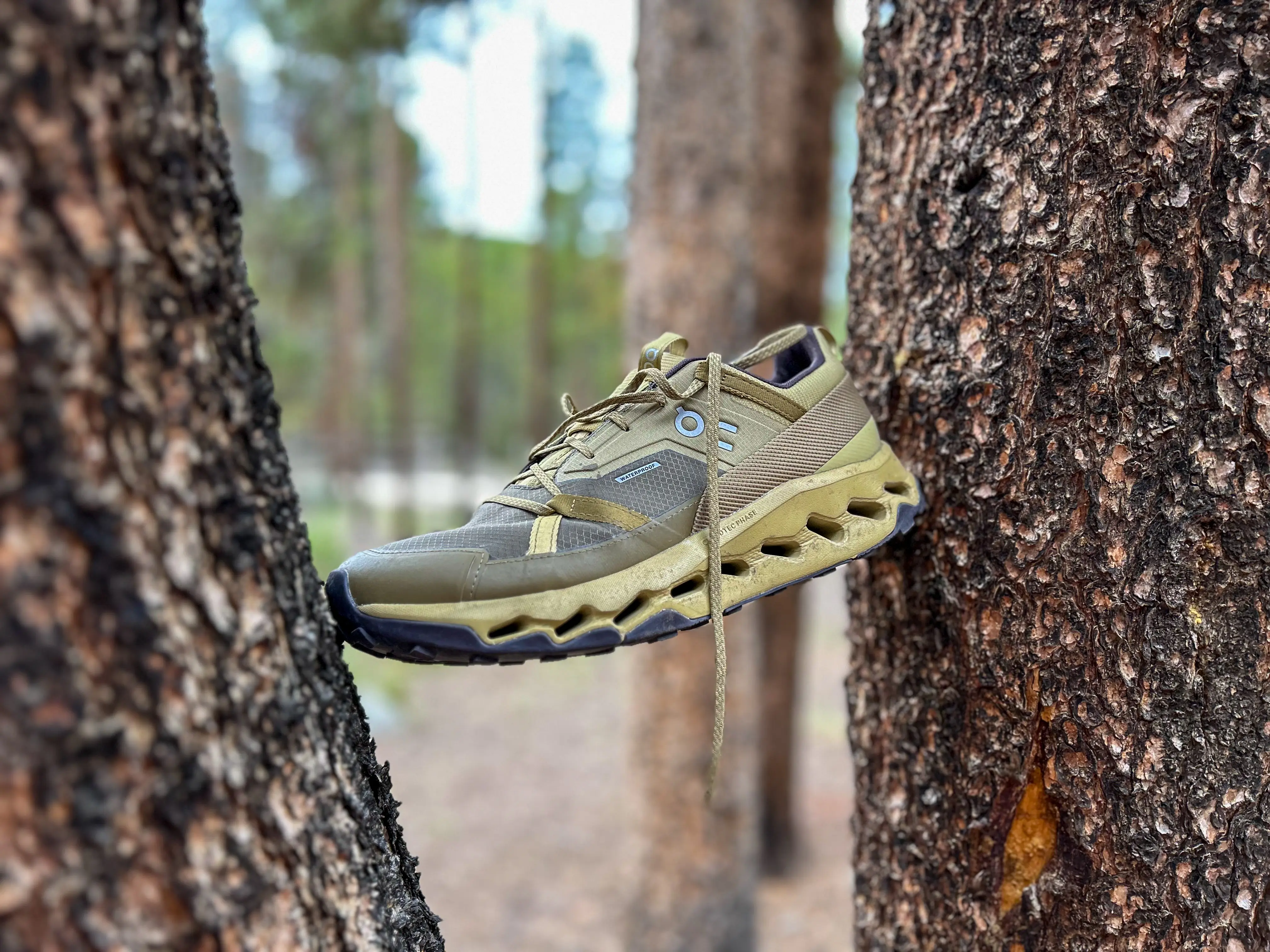
The La Sportiva Spire GTX ($209) and the On Cloudhorizon Waterproof ($190) are the most expensive shoes on the list. They’re rugged, stable, completely waterproof, and sometimes deliver added traction, so if you’ll be pushing the limits in terms of terrain or conditions, the extra money is worth it.
Plus, the On Cloudhorizon shoes were the most comfortable for the longest of all the hiking shoes for women we tested. Happy feet are priceless if you ask us.
Frequently Asked Questions
There are several things to consider when choosing the right footwear for hiking. But generally, stability and breathability are the first things to consider. Do you want more structure on your feet because you’re carrying a huge pack on your back? Or would you rather have breathable shoes that are easy to pack and let your feet feel some air? Then, hiking shoes would be the better choice.
Other options are great for carrying more weight, traveling big miles, or taking on variable weather and terrain conditions. These might be the way to go if you’re doing a multi-day traverse with everything from mud to snow to creek crossings. However, certain hiking shoes like the La Sportiva Spire GTX and the Salomon X Ultra 5 GTX can also fit this bill.
But if you’re trying to hike a little faster, aren’t carrying a week’s worth of gear, and aren’t going to encounter every kind of weather or terrain in the book, hiking shoes are definitely more than adequate. Hiking shoes often offer more movement and can be a good crossover for trail running. They’re also easier to pack if you’re traveling.
If you’re going with a hiking shoe, one added feature is the ability to attach a gaiter to a shoe, like we see in the Altra Lone Peak 9. A gaiter usually clips or Velcros onto the upper of a shoe to add protection from sand, stones, and grit getting into a shoe. They’re often lightweight and can be easily added and removed.
Another feature that’s very common these days, but still a huge benefit, is hiking shoes with loops on the back so they’re easy to clip to a pack with a carabiner. We can’t count the number of times we’ve clipped shoes to a pack when they’re wet or there just isn’t room for them anywhere else. This is a total lifesaver.
Any hiking shoe that’s billed as a trail runner tends to be exceptionally lightweight. The Adidas Terrex Free Hiker 2, Altra Lone Peak 9 and the Hoka Speedgoat 6 are excellent hiking shoes in the lightweight camp. They’re made of vegan, breathable synthetic materials that make them wick sweat and dry quickly.
What materials are best for hiking shoes? The short answer, it depends.
It mostly depends on how you’re using your hiking shoes and what’s most important to you. Leather is very durable, but it tends to be heavier and requires waterproofing if you’re crossing creeks or encountering rain.
Synthetic materials tend to be less durable but often breathe better and are less expensive.
Sometimes, it’s all about tradeoffs. Be sure to choose the materials that will be most comfortable and durable for your use.

We tested the best rain boots for women with options for every budget. Top picks include Grundéns, Xtratuf, BOGS, and more!
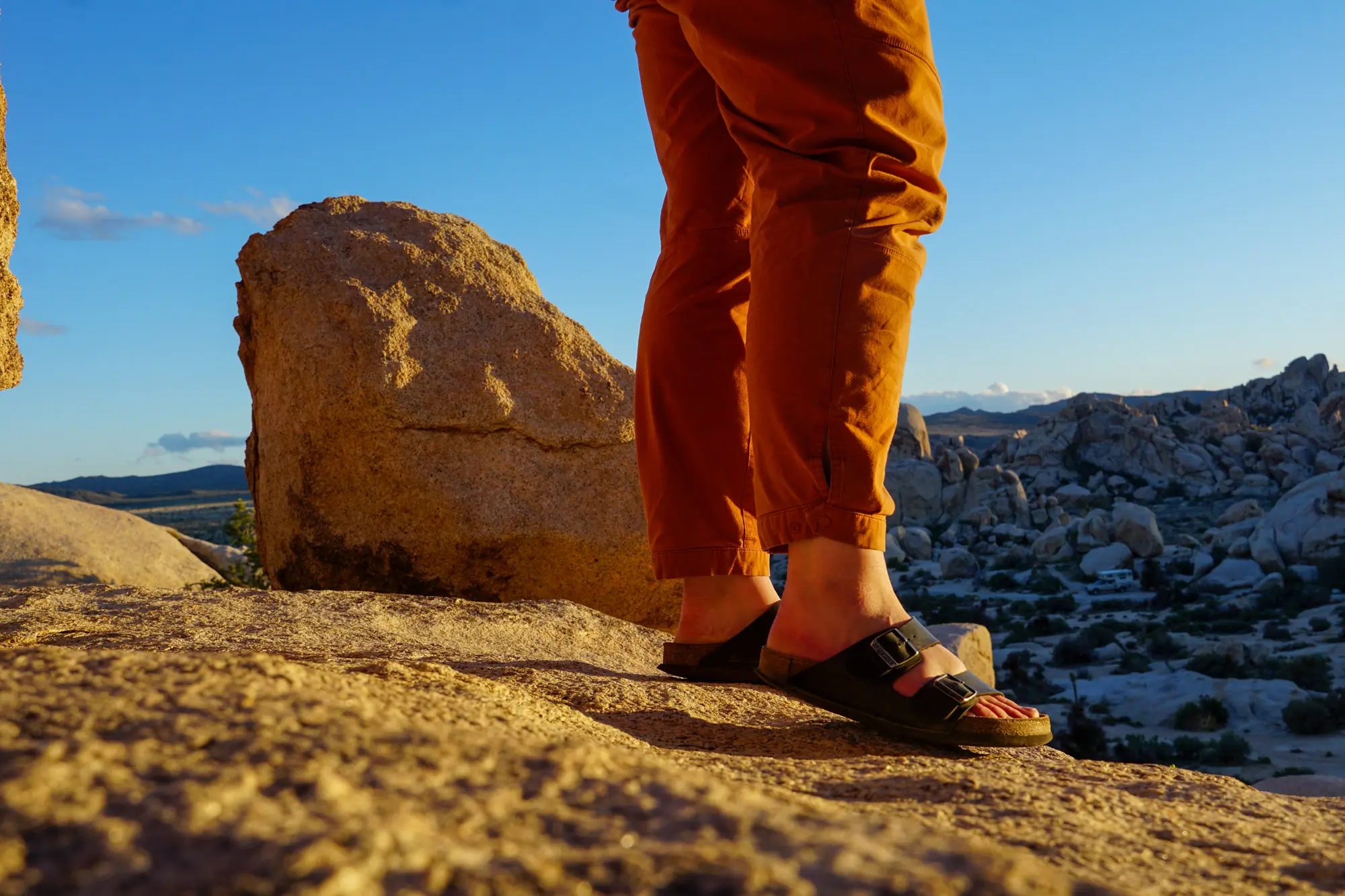
Free your feet and the rest will follow. From trail to town and everything in between, we found the best sandals for women.
Read the full article here