




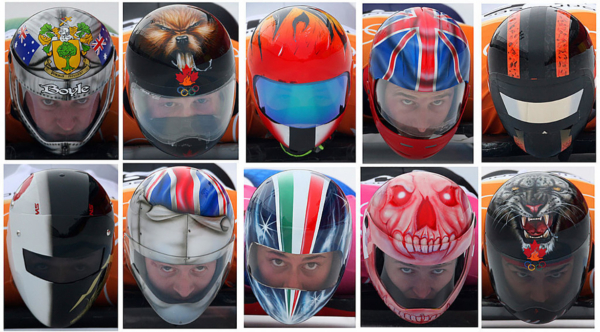
When it comes to any sport — and especially the Olympic Games — the gear used by elite athletes can be practical, personal, or even political. In the case of one Ukrainian skeleton racer, his helmet is all three.
Vladyslav Heraskevych, 27, was officially banned from competing in the Winter Olympics this week because he refused to wear anything but a helmet with images of Ukrainian athletes killed by the Russian military. Although many Olympic athletes — including other skeleton racers — have been allowed to showcase political messaging at the Olympics, the International Olympic Committee (IOC) decided Thursday that Heraskevych’s helmet went too far.
Plenty of Olympic athletes bring a splash of personality to their gear and outfits (looking at you, figure skating). But skeleton racing helmets have been famously wild for years. We’re taking a closer look at the dangerous sport of skeleton racing, and how its unique gear makes Heraskevych’s situation such a conundrum.
Skeleton Racing: The Helmets
Few Olympic sports can boast the colorful diversity of the helmet designs present in skeleton racing.
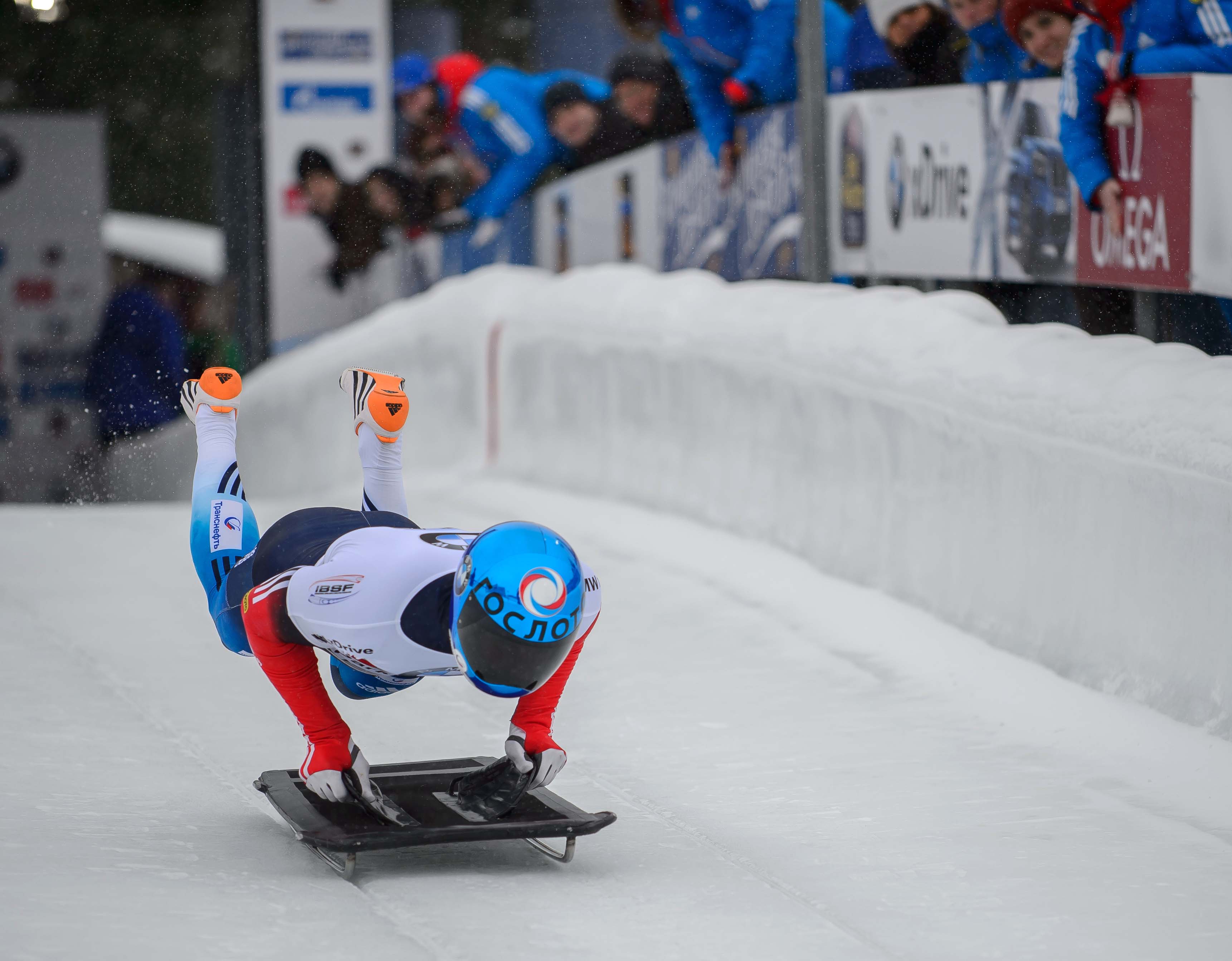
Perhaps that’s no surprise, given that these highly personalized helmets are meant to protect the noggin from impacting the ice at speeds of 25 mph or more. And that happens frequently in the sport, given that their faces are inches above the ice as they slide down courses headfirst with just a thin sled beneath them.
When the IOC asked Heraskevych to wear a different helmet in competition, he said his helmet wasn’t only personal because of the images of Ukrainian athletes killed in the country’s ongoing fight against Russia’s invasion in 2022. It’s also specially made for his head.
“Every skeleton athlete has a different reason why they choose to decorate their helmet,” Abby Slenker, a spokesperson for the U.S. Bobsled and Skeleton team, told GearJunkie. “A lot of times, it’s as a way of personal expression.”
So it makes sense that skeleton athletes would personalize their helmets. There is a huge variety of such designs, from unicorns and beavers to national flags and, of course, plenty of skulls. (A helmet featuring Marvel‘s Venom is particularly fetching.) But it’s when the designs become political that Olympics organizers will (sometimes) draw a line.
Skeleton Racing: The Politics
The IOC maintains a strict ban on any political messaging during the Olympic Games. As a compromise, the governing body offered to allow Heraskevych to display the helmet before and after his run — just not during the actual competition.
But Heraskevych stood firm. He doubled down on his commitment to wear the helmet for the entirety of his Olympic run, saying he “registered the helmet” before the games, adding that he wouldn’t have time to switch to a properly fitting helmet at this point. As a result, Heraskevych was banned from competing.
In a news release on Thursday, Feb. 12, IOC president Kirsty Coventry lamented the turn of events: “It’s not about the messaging; it’s literally about the rules and the regulations. In this case — the field of play — we have to be able to keep a safe environment for everyone. And sadly, that just means no messaging is allowed.”
Heraskevych told the Associated Press that he believes the IOC is inconsistent with how it allows political messaging. One of his examples was Israeli skeleton racer Jared Firestone. The athlete appeared at the opening ceremony wearing a kippah, a traditional Jewish skullcap, that showed the names of 11 Israeli athletes and coaches killed in the infamous 1972 attack on the Munich Games.
Heraskevych placed fourth at the skeleton world championships in 2025. He was also among the fastest in training leading into the Olympic races, where he was allowed to wear his “helmet of remembrance.”
Though he was a serious contender for gold — he chose the helmet instead.

Read the full article here