





We stood at the top of a steep slope with tightly spaced trees. “Follow my ski tracks — we need to go either far left or far right near the bottom of this slope. That way, we can avoid cliffs,” my ski partner, Dane Tudor, said.
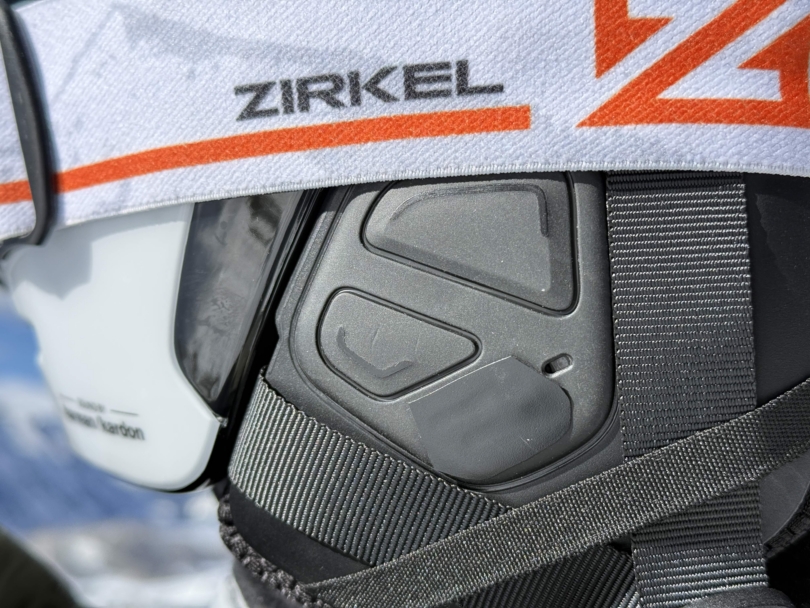
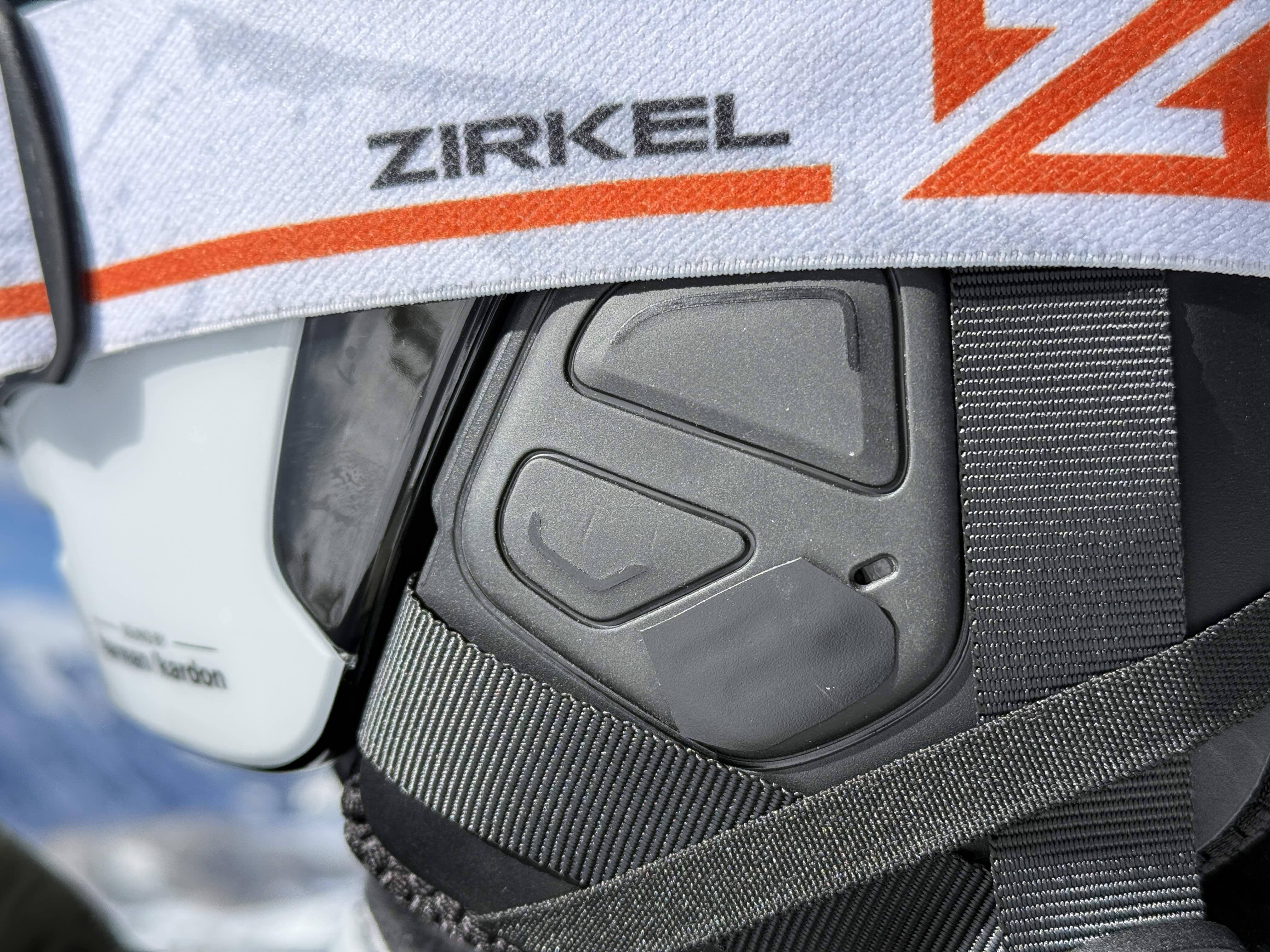
Cliffs? I reached up and used my mitten to press the button on the ear pad of my ski helmet, pausing my music. I was testing the new POC Obex Connect. The sound quality was excellent, and the system was so easy to use that I was now hooked on listening to beats throughout the ski day.
I could clearly hear ambient sound and the volume of my tunes was moderate, but I thought the conversation warranted zero distractions. “How big are the drops?” I asked.
“Don’t worry — there’s a way around. Follow me,” Tudor said. Thankfully, he knows the nooks and crannies at RED Mountain Resort, and we were guaranteed to find deep snow above the rocky face.
He took off. I pressed my ear pad again, turning the music back on before dropping in.
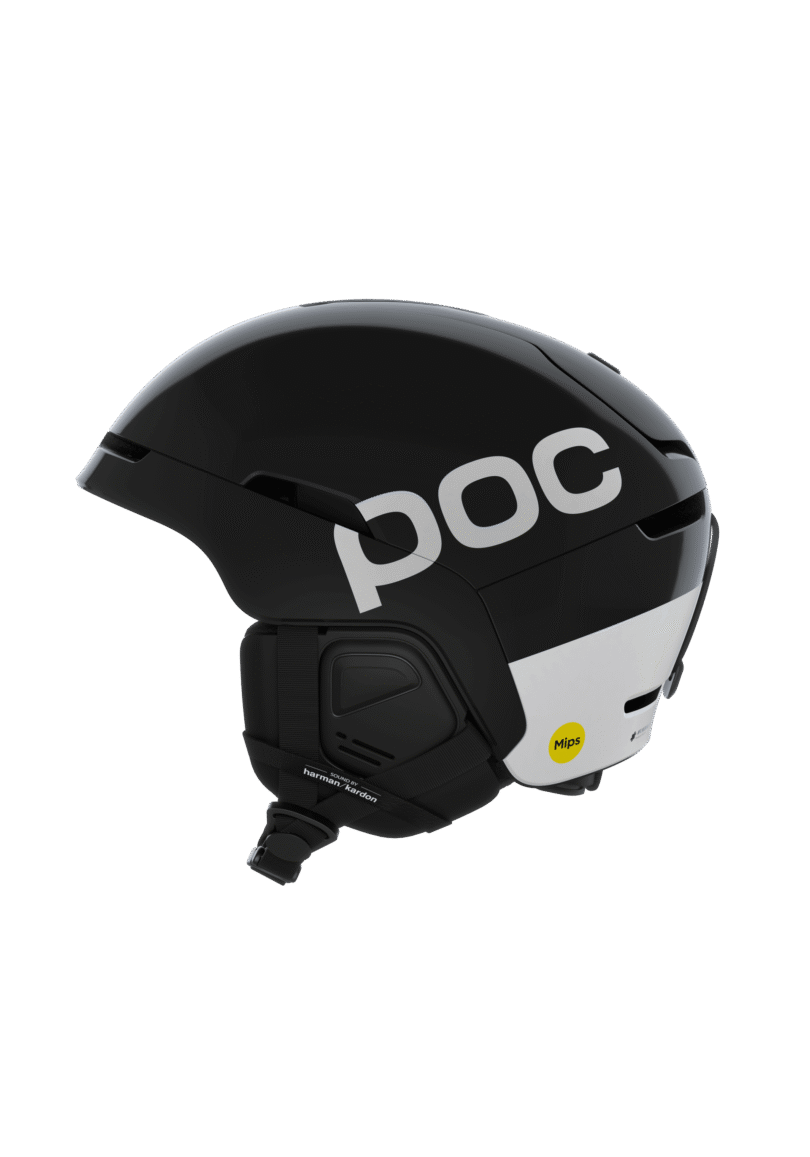
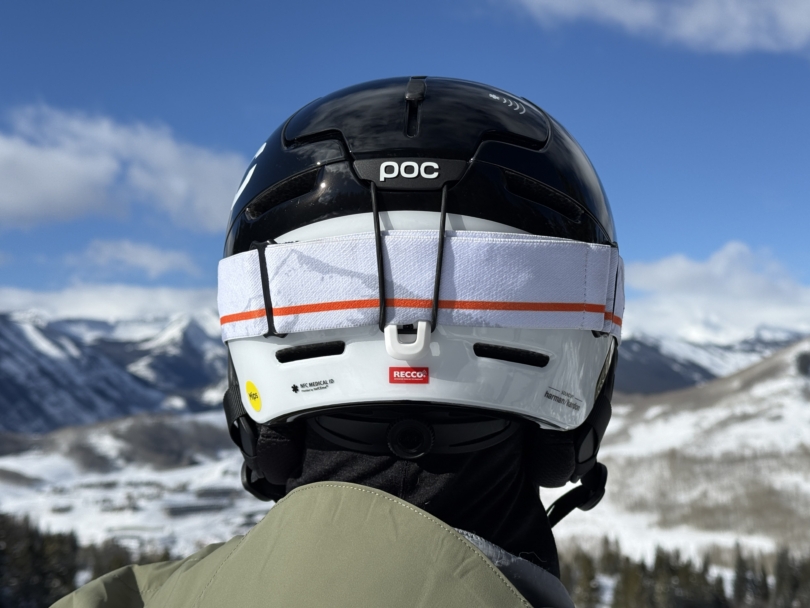
In short: The new POC Obex Connect Ski Helmet ($600) enables riders to listen to music or take phone calls without earbuds! An integrated headset in the removable ear pads operates via Bluetooth, delivering great sound quality, customization, and user control. There’s also helmet-to-helmet communication via an intercom system — the integrated headphone and microphone — that allows group connection (for up to eight people) through the “Mesh” antenna. The POC Connect App (no subscription required) lets you further control and personalize your music, calls, and Mesh Technology, including the ability to establish a private group for communication.
If you’re curious, see how the Obex Connect compares to other dome shields in Best Ski Helmets.
POC Obex Connect Ski Helmet

-
Safety Technology
9.0
-
Fit and Adjustability
8.7
-
Ventilation
7.9
-
Compatibility and Features
9.5
-
Weight:
21 oz. (medium/large) -
Protection bonus:
MIPS Evolve, Aramid panels, RECCO, twICEme NFC Medical ID -
Number of vents:
11 vents total (3 adjustable on top, 8 fixed)
Pros
-
Great sound quality
-
Integrated headphones for listening to music via Bluetooth
-
Intercom system offers helmet-to-helmet communication
-
Top-of-the-line protection and safety details
Cons
-
On/off button can be sensitive
-
Low-battery chime is fairly loud and not adjustable
-
Attachment snaps for ear pads are small, shallow, and can be finicky
-
Expensive
Field-Testing Conditions
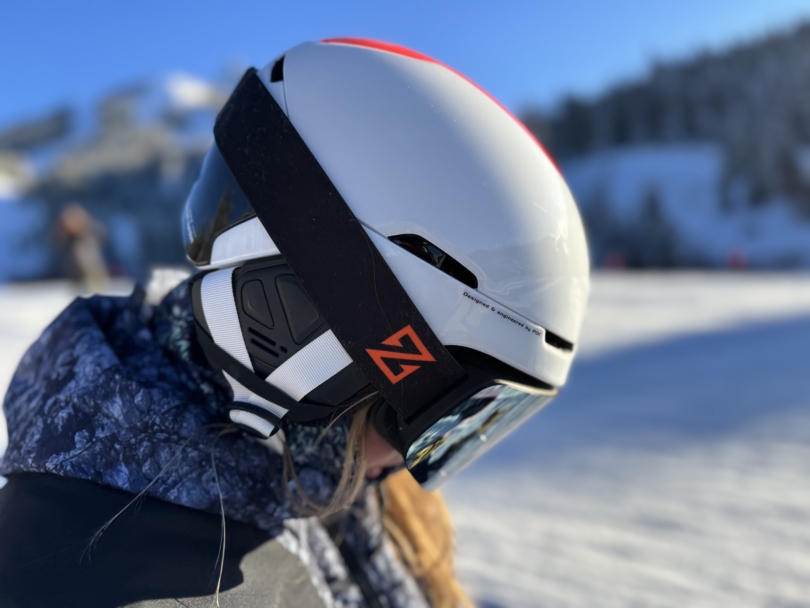
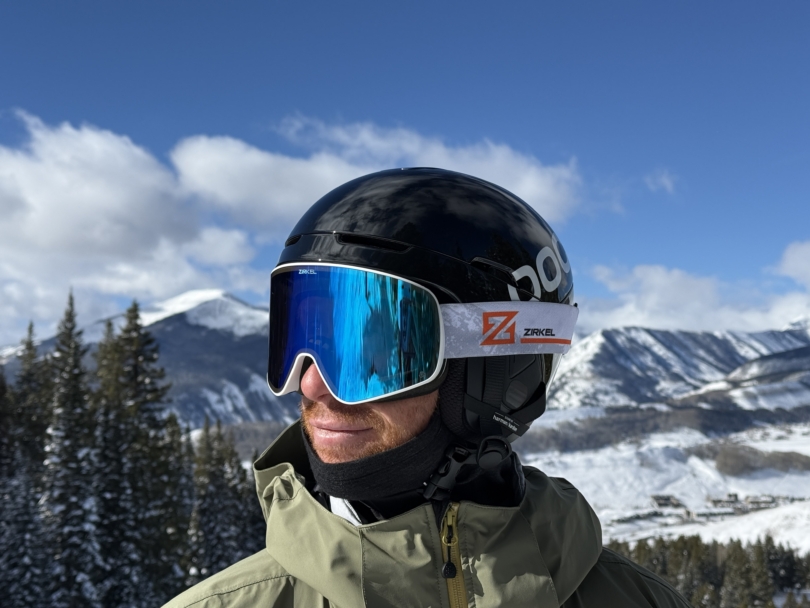
For 2.5 months, Dane Tudor and I field-tested a set of the POC Obex Connect ski helmets — one in Hydrogen White/Fluorescent Orange and the other in Uranium Black — at Crested Butte Mountain Resort in Colorado. We also logged days at RED Mountain Ski Resort in British Columbia.
Clocking more than 64 days on snow in the Obex Connect, we tested the helmets for more than 75 hours and close to 240,000 vertical feet of descent, at print.
This season has been drier across the Rockies, but we managed to line up resort days across all conditions. There were many cold (low 20s) days in December with windy, stormy weather. We also had cold, super-snowy days in British Columbia, and other days with super-wet snow mixed with rain and fog. A handful of days were spring-like with sunshine, 40s, and corn laps.
We have not yet tested the helmets in the backcountry, but plan to.

Music: Integrated Earpads
Very few ski helmets have built-in headphones to jam to music — let alone the capability of helmet-to-helmet communication.
This season’s new POC Obex Connect Ski Helmet carves out a healthy space for both in a progressive, functional design that our team really enjoyed. As long as you don’t mind shelling out the big bucks, this Obex Connect is a top choice, especially if you like listening to tunes while you ride.
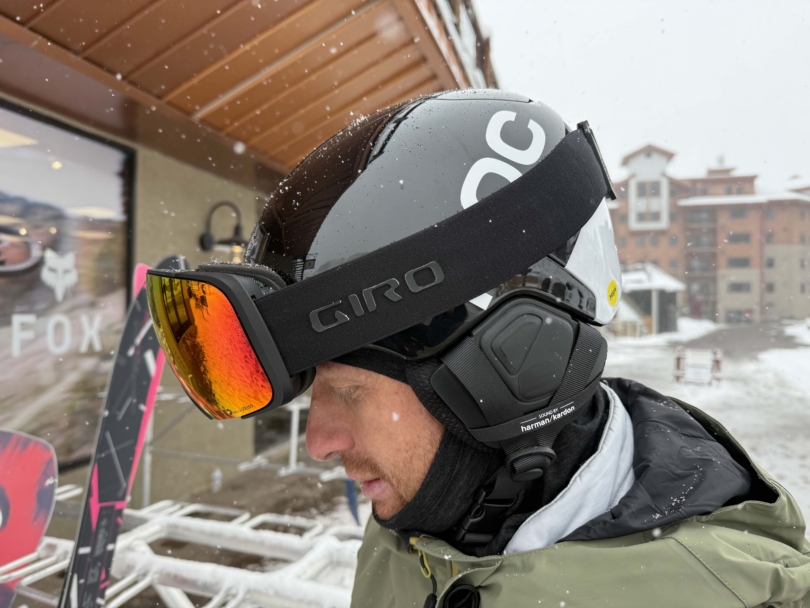
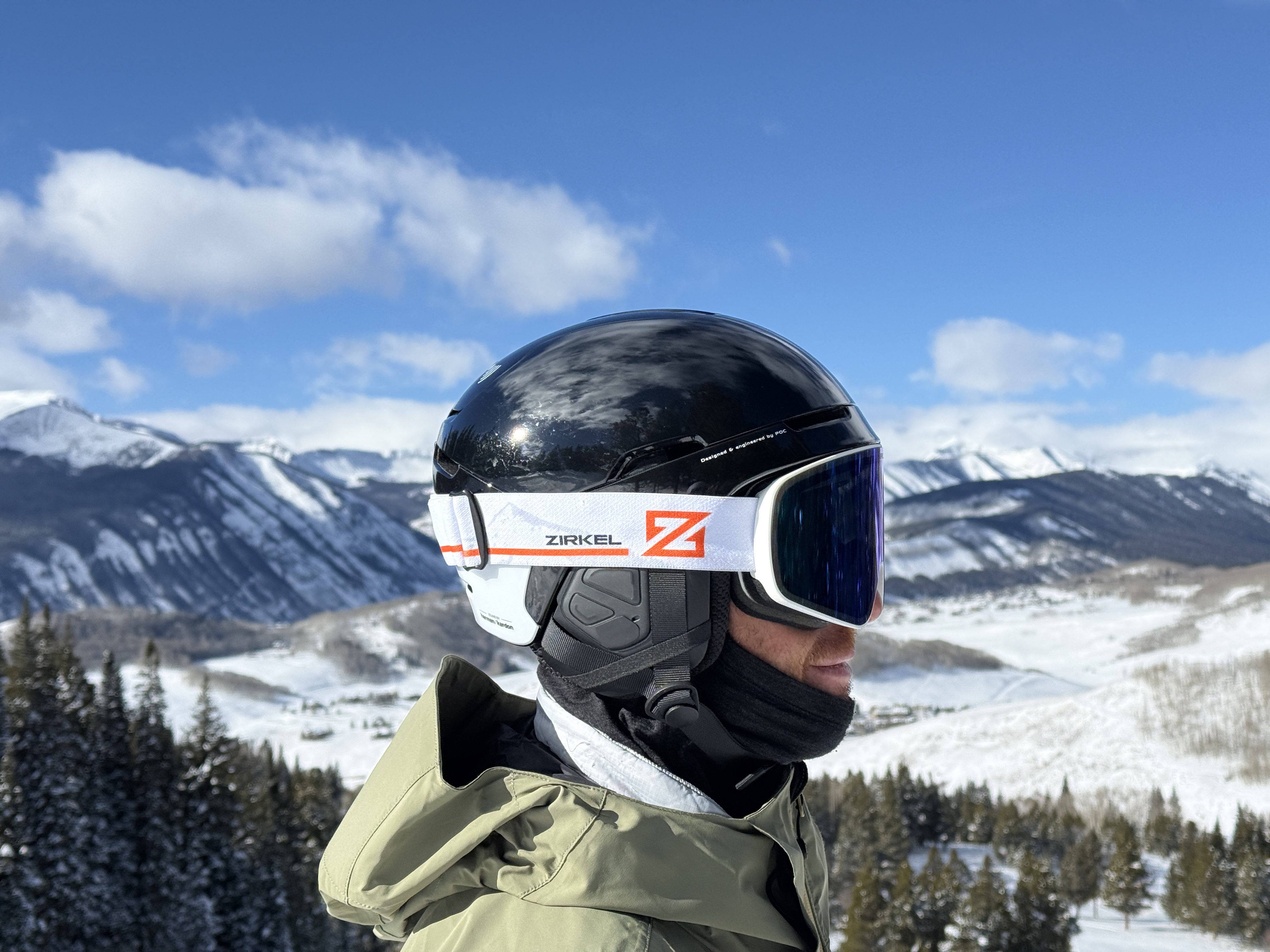
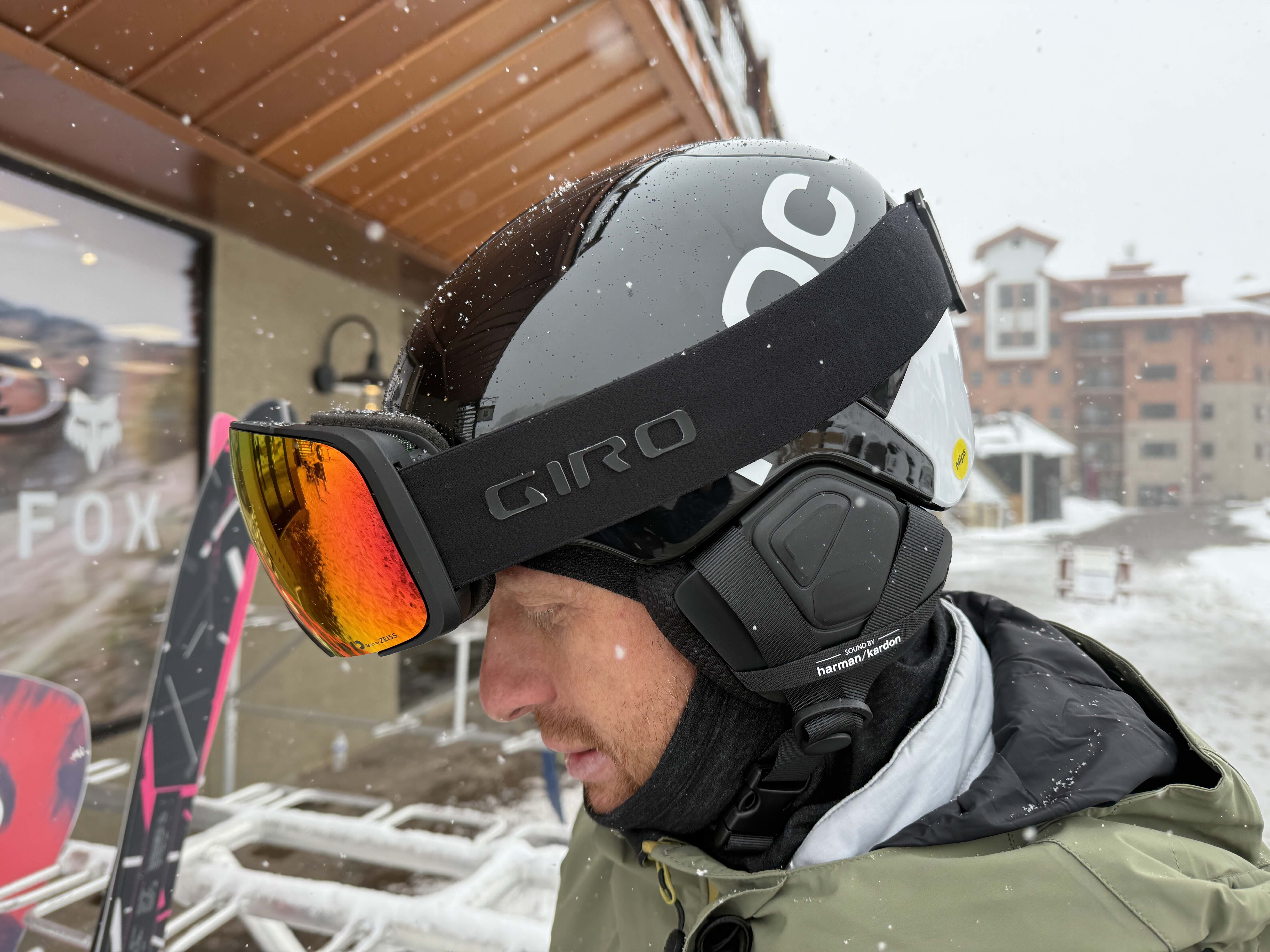
The Obex Connect’s earpads have speakers built in! The sound quality is great. We liked that you can pause the music easily with an exterior button while chatting with riders on the lift or slope. (You can just as easily press play.) We could enjoy music for nearly a full day on the hill with a full charge.
We appreciated that the ear pads don’t restrict or muffle ambient sounds. You can still hear people well when your music is paused.
Easy-to-Use App: POC Connect
The POC connect app was easy to operate. Like any new app, it took a few minutes to familiarize ourselves.
Once it syncs with your helmet, you can access the Mesh Technology for group communication. There’s a digital manual. You can also personalize the settings for phone calls and music.
In the Mesh Connection zone, you can adjust the music overlay level so that the music volume goes down to your preferred degree when there’s an incoming call.
You can also adjust the phone call volume level (we found the preset was too low) or add a bass boost to music (which we thought drowned the sound clarity a bit). The app is also how you update the helmet’s firmware.
Mesh Technology: Helmet-to-Helmet Communication
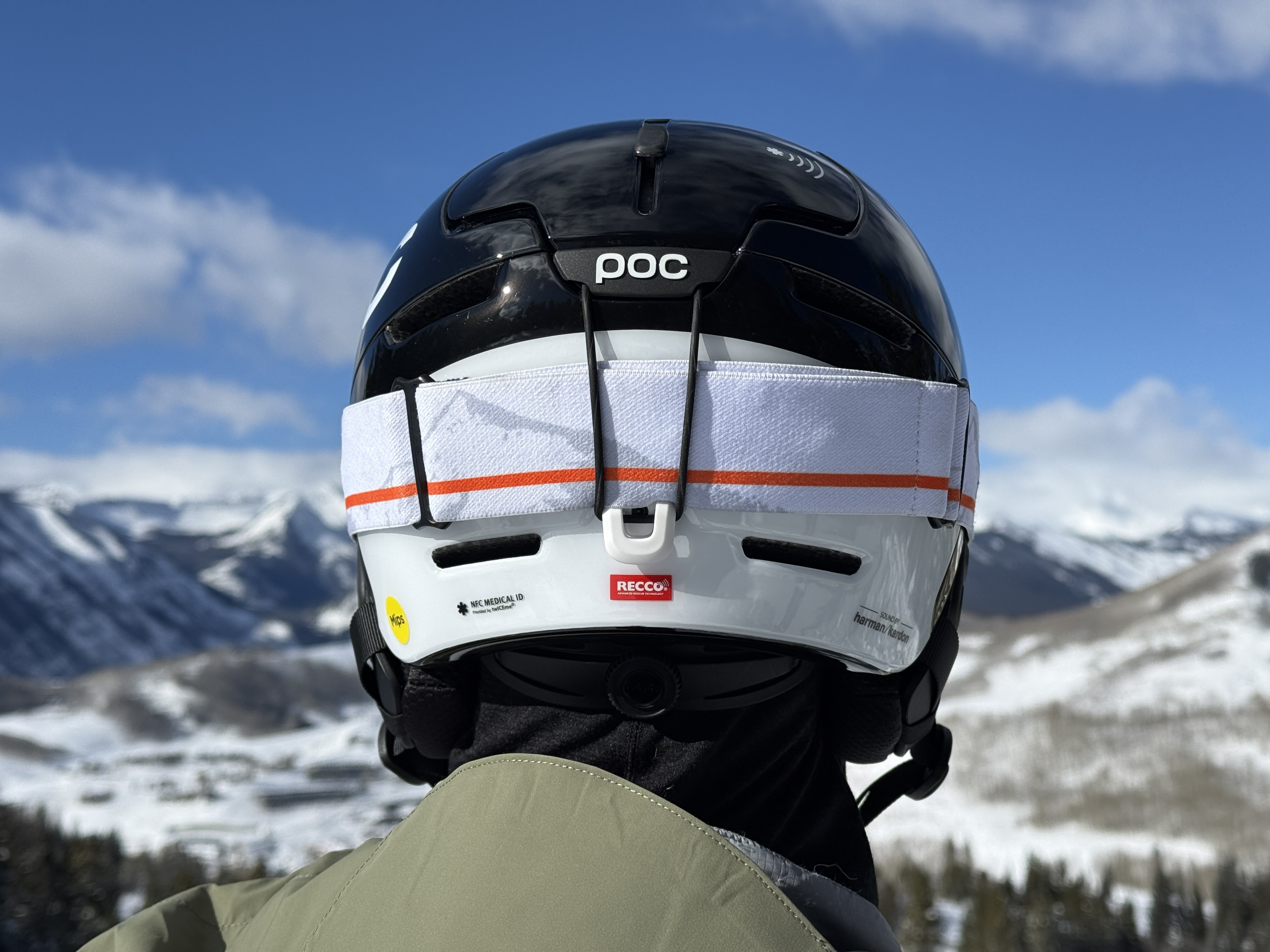
Even while playing music, we were able to sync our two helmets with the Obex’s Mesh Technology, allowing us to talk back and forth on the lift or while riding down. The tech also let us answer calls and talk on the phone.
Although, we noticed that the battery life significantly dropped when we used Mesh Technology to communicate while listening to music (versus solely listening to music). The battery lasted about 2 hours in cold, windy conditions in the 10-20–degree F range. The battery seemed to perform better in warmer conditions (25+F or greater) without wind chill.
We found that the optimal range of the helmets was around 0.6 miles with a clear line of sight (as in, we could see one another up the slope on flat, wide-open runs). If there were trees or ridges interrupting the signal, it would be much lower, around 500-1,000 feet.
Mesh Connect: Room for Improvement
While testing the Mesh Connection simultaneously with music, we noticed a short delay when one person would speak into their mic, which made communicating via intercom on the ski lift a bit cumbersome. It took some getting used to. As a heads up for parents with kids or larger groups, this could require extra patience!
While riding downhill, the intercom made more sense, especially if we were coordinating a meet-up point or taking videos of each other.
We also found the microphones were sensitive and easily picked up background noise, including wind, which interrupted the flow of talking back and forth. When riding at top speed, the mics picked up wind to an uncomfortable degree. The detection even cut out the music.
We actually added black electrical tape across part of the mics to see if that would help! Adding ANC (active noise cancellation) to this setup would be a great improvement.
With two people, there was quite a bit of ambient sound and input to manage. For a group of eight (the max number of helmets for Mesh Connect), we imagine it’d be hard to communicate.
High-End Protection
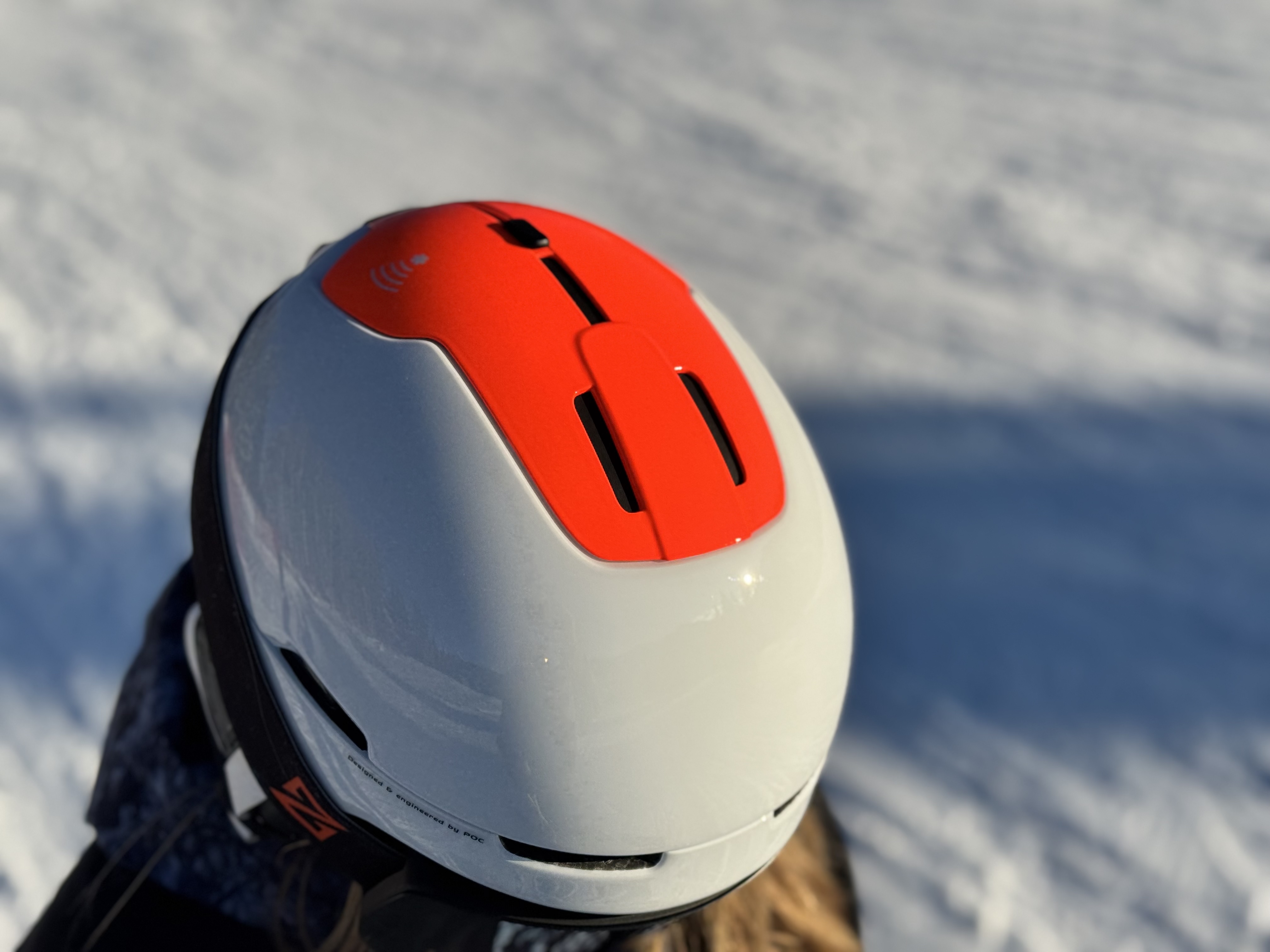
This hardshell seems very protective from the interior foam to the exterior. It looks like you could smash the helmet against a concrete wall, and it still doesn’t dent.
The construction includes MIPS Evolve rotational impact protection, an industry benchmark. There are also panels to improve the structural strength of the helmet. The shell is made out of a high-impact thermoplastics (polycarbonate and acrylonitrile butadiene styrene).
Uniquely, the helmet also houses a RECCO reflector and NFC Medical ID, which stores medical info that can be accessed with a smartphone tap.
Vents & Warmth
Overall, the moderate number of vents is adequate for ski resort days and across most conditions. There are 11 vents total, and the three on top are adjustable while the others are fixed. It’s not the coolest helmet from a heat-dropping perspective.
When I didn’t wear a beanie on colder days, I noticed cold air against my forehead, entering from the four fixed vents on the front of the helmet. It was cool enough that I’d need to add a beanie if the temps dropped below 25 degrees. Tudor always wears a balaclava and found that the vents worked fine without causing a chill — a happy medium.
Drawbacks
Nothing is perfect, especially if high-tech is involved, and the Obex Connect is no exception. Two things top our list:
First, when the helmet is playing music and the battery reaches a low level, the notification chime is rather loud — even if the music is low. We couldn’t find a way to adjust the chime’s volume. The chime repeats, too. Overall, this bothersome detail could be fixed through an integrated control in the app.
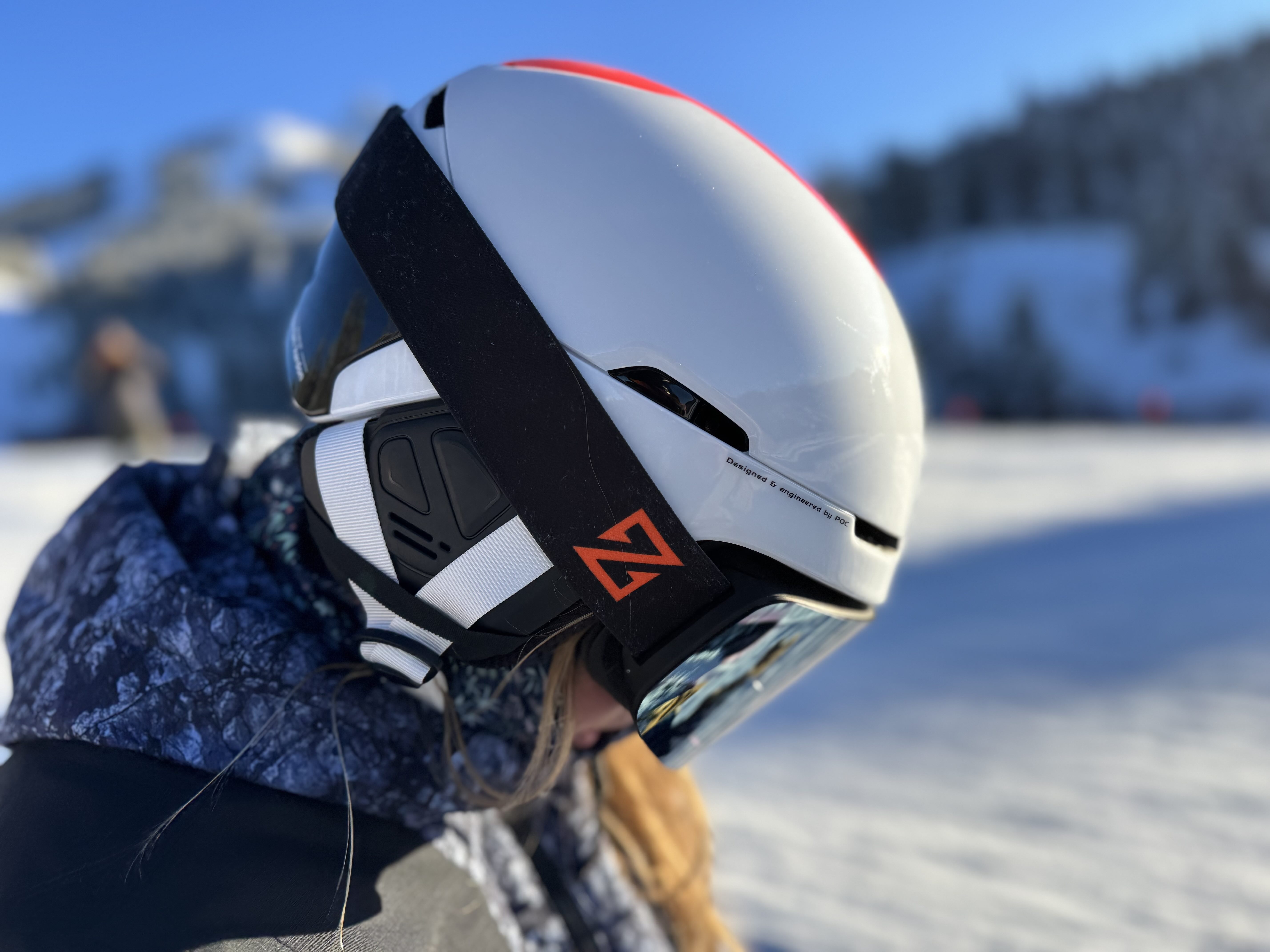
Secondly, the snaps that connect the ear pads to the helmet are very small and shallow. One of the ear pads consistently fell off, typically when in transit (thankfully not while I was wearing it on the ski hill!). Nonetheless, it was finicky. Though, the other three ear pads never had this issue.
A few other minor notes made our critique list:
- There isn’t a reset button if the system glitches, which happened once with each helmet in the field. For one, using the power button worked. In the other instance, the helmet needed to be recharged.
- We’d like to see the battery life better withstand cold conditions. In 8 minutes waiting for the bus, we lost 3% battery while listening to music in freezing temps. While skiing in the 20s plus wind chill, the battery dropped from 100% to 11% in 1 hour.
- While listening to music alongside Mesh Technology inter-helmet communication, we saw a 5% decline in battery in 15 minutes. Meaning, consistent use of Mesh Technology would last a half-day or less, depending on temps.
- The chin strap is pretty long and lacks a magnetic closure. The plastic buckle functions fine, but for a high-price helmet, I’d like a first-class closure system.
All said, we both really like this helmet and don’t want to stop using it any time soon.
Conclusion
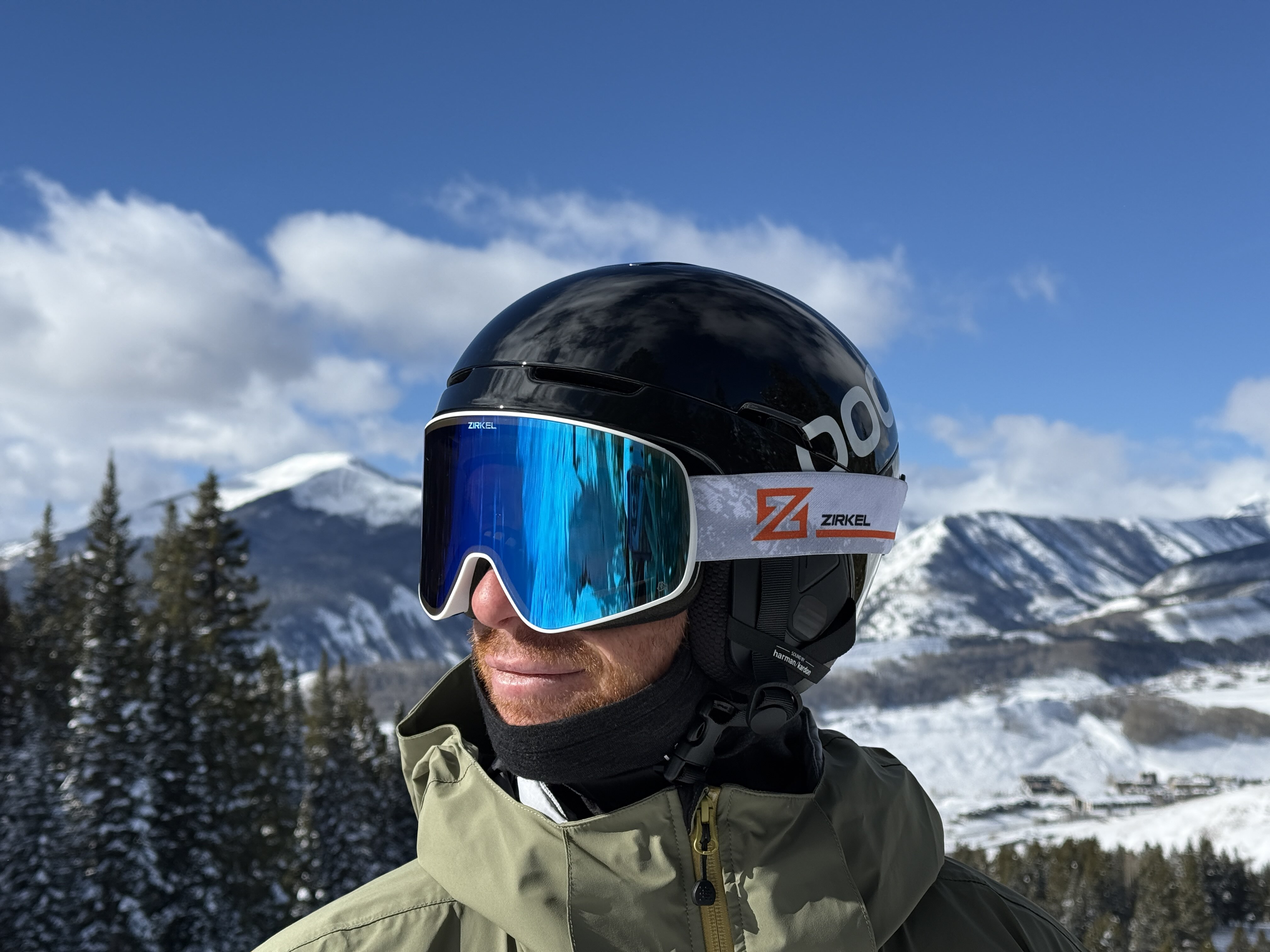
Ultimately, we found that the Obex Connect Ski Helmet is a premium choice for music-lovers with excellent style, fit, goggle compatibility, and vents. The Mesh tech is a progressive communication tool for instructors, adaptive ski programs, parent-kid duos, and filmers.
Beyond high-tech features, the Obex Connect is a sturdy shell with premium safety details, including MIPS Evolve, a digital medical ID, and RECCO.
Aesthetically, the design is freeride and park inspired with gloss that creates a clean look. The minimal goggle strap holder is a lean rubber band that easily works across conditions and various goggle straps.
The biggest ding? The price tag matches all that tech — $600. But with premium headphones like the Apple AirPods Max costing $550, it’s also a good investment for the right rider.
While there’s some room for improvement, we’re blown away by the technology. I highly recommend this POC helmet if you want to ditch the earbuds and radios.

Read the full article here