




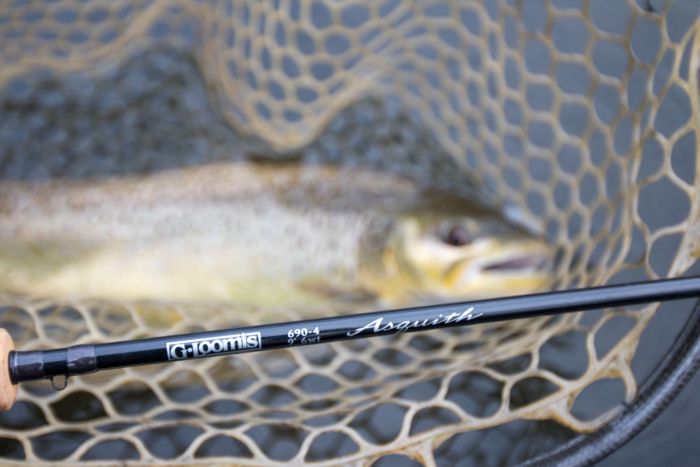
My streamer slapped down perfectly next to a submerged log, almost kissing the wood. In true Kelly Galloup fashion, I ripped the rod tip of the G. Loomis Asquith aggressively, using my stripping hand to keep up with the slack. My streamer darted from the cover, and a rainbow charged out and absolutely crushed my fly. I came tight to the fish and had my first fish of the day boat side in short order.
At that time, I had been testing the rod for about a week and was quickly falling for it. I had taken it to a giant river in pursuit of sulking wintering bass and had spent multiple days throwing all manner of trout flies on my local tailwater.
The latest 9′ 6-weight Asquith, released in January 2026, was living up to the reputation of its namesake predecessor.
But it’s not the same rod.
It’s better.
In short: The G. Loomis Asquith 9′ 6-weight ($1,570) is the perfect fly rod for multi-species freshwater anglers, or those who need a rod that can throw any trout fly under the sun. It’s extremely versatile thanks to its moderate-fast action. With a deeper bending blank, the rod excels at throwing streamers on sinking lines but also has the ability to delicately drop a dry fly on a sipping trout’s head in a pinch. If you’ve got some serious cash and a new 6-weight is in the cards, this one deserves a look.
See how it compares to the Best Fly Rods of 2025.
-
Excels at throwing a multitude of lines, both floating and sinking -
Great for dry droppers and nymphing -
Capable of throwing large streamers -
Excellent moderate fast action for different trout applications -
Very lightweight -
Extremely accurate -
Close to mid-range performance
-
Price — this may be the most expensive carbon fly rod in history -
Warranty claims are also expensive
The Name Is the Same — So, What’s Different?
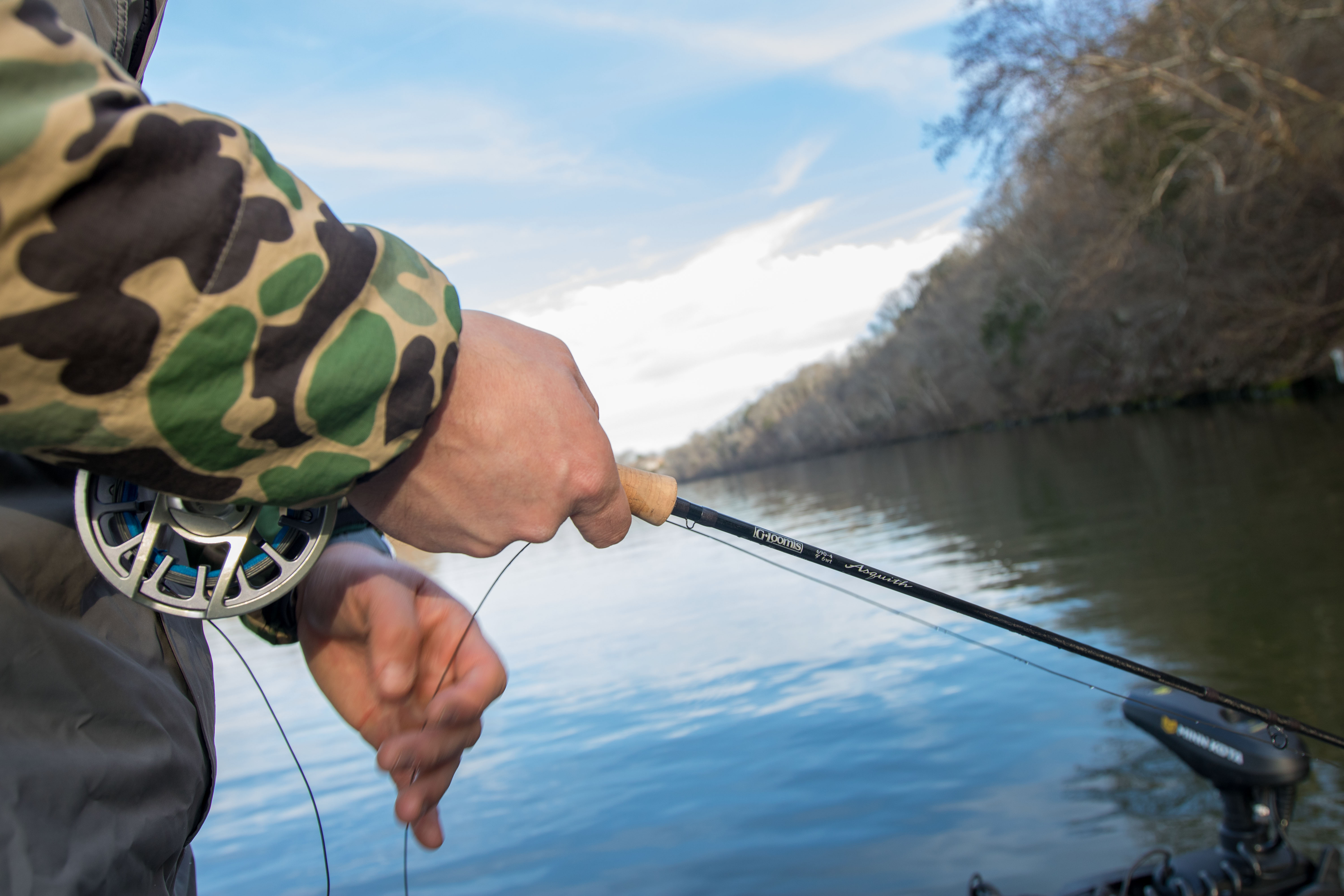
The G. Loomis Asquith has been one of the top fly rods on the market for several years. Some would say, the top fly rod. However, even the best rods get phased out, and this winter the brand announced the release of an all-new flagship rod: the G. Loomis Asquith. Huh?
Since the name of G. Loomis’s flagship rod didn’t change in the slightest, you may be wondering, is it actually different? The answer is yes. The rod is entirely new and isn’t an extension of the lineup with the same technology. It’s a completely different rod.
That is a pretty common move with Loomis, which has had multiple iterations of the NRX fly rods and has kept the same labels and names for dozens of bass rods over the years, despite technological upgrades. I guess Loomis likes its names.
The point is, the release of this new but not newly named rod is akin to Sage moving on from the Sage X to the R8, and Orvis moving from the H3 to the Helios. It’s big news for fly rod dorks like me. Here are the upgrades.
Spiral X Core Carbon
The prior iteration of the Asquith used Spiral X carbon, a Shimano-proprietary technology, to produce the blank. This new rendition of the rod uses an upgraded “Spiral X Core” made in Kumamoto, Japan. Despite the graphite being made overseas, the rods are still designed, assembled, and finished in Woodland, Wash.
“This next-generation blank offers exceptional bending, torsional, and compressional rigidity in all directions. This results in unmatched recovery, superior energy transfer, and remarkable strength while maintaining a feather-light swing weight,” according to Loomis.
New graphite technology is the staple of new fly rods. Increased accuracy, lighter weight, and durability all come down to the rod’s materials. That’s why every fly rod manufacturer spends years coming up with new processes and blends to produce better carbon for new flagship rods. This is the latest iteration from one of the top rod builders in the world. More on the real-world performance of the blank later.
Reel Seat
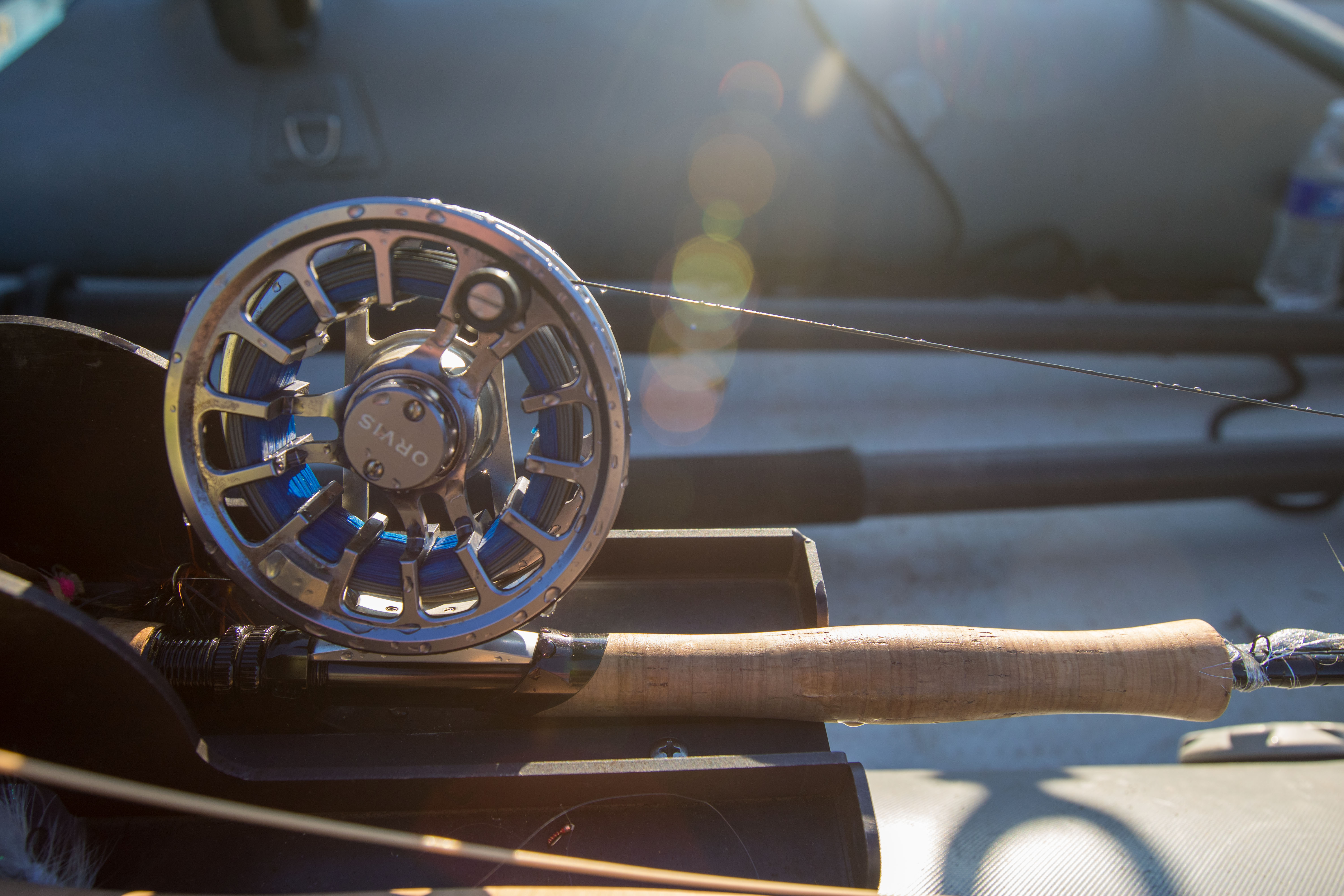
More readily apparent is the change in the reel seat. Loomis calls it a “custom fixed hood” design, and it is very different than what you’ll find on other fly rods. I absolutely love it.
Rather than being a simple ring at the base of a knobby cork handle, the upper portion of the reel seat melts into the cork handle. It rises up further on the cork on the underside of the handle, and the cork extends deeper into the reel seat on the top. Hence, the “hood” description.
There are two reasons I love the design. The first is that it completely locks in the reel. Anyone who has fly fished for any significant amount of time has had the rings of a reel seat loosen up throughout the day, resulting in the reel falling off while casting, or worse, while trying to land a fish. Heck, it happened to me just yesterday on a different rod.
That doesn’t happen with this reel seat. I’ve driven down washboard dirt roads with the rod bouncing in a rod tube on my trailered boat. That almost always loosens the reels on my other fly rods, but this one stayed rock-solid after the bumpy ride.
The second reason I dig the reel seat is that it changes the feel of the cork handle. It’s more streamlined in my hand than others. The thinner portion at the base contours perfectly between my closed pinky finger and palm.
It’s also worth noting that the prior 6-weight Asquith did not have a fighting butt. This one does, so I’d assume the overall taper is slightly different as well.
Casting Performance of the G. Loomis Asquith 9′ 6-Weight
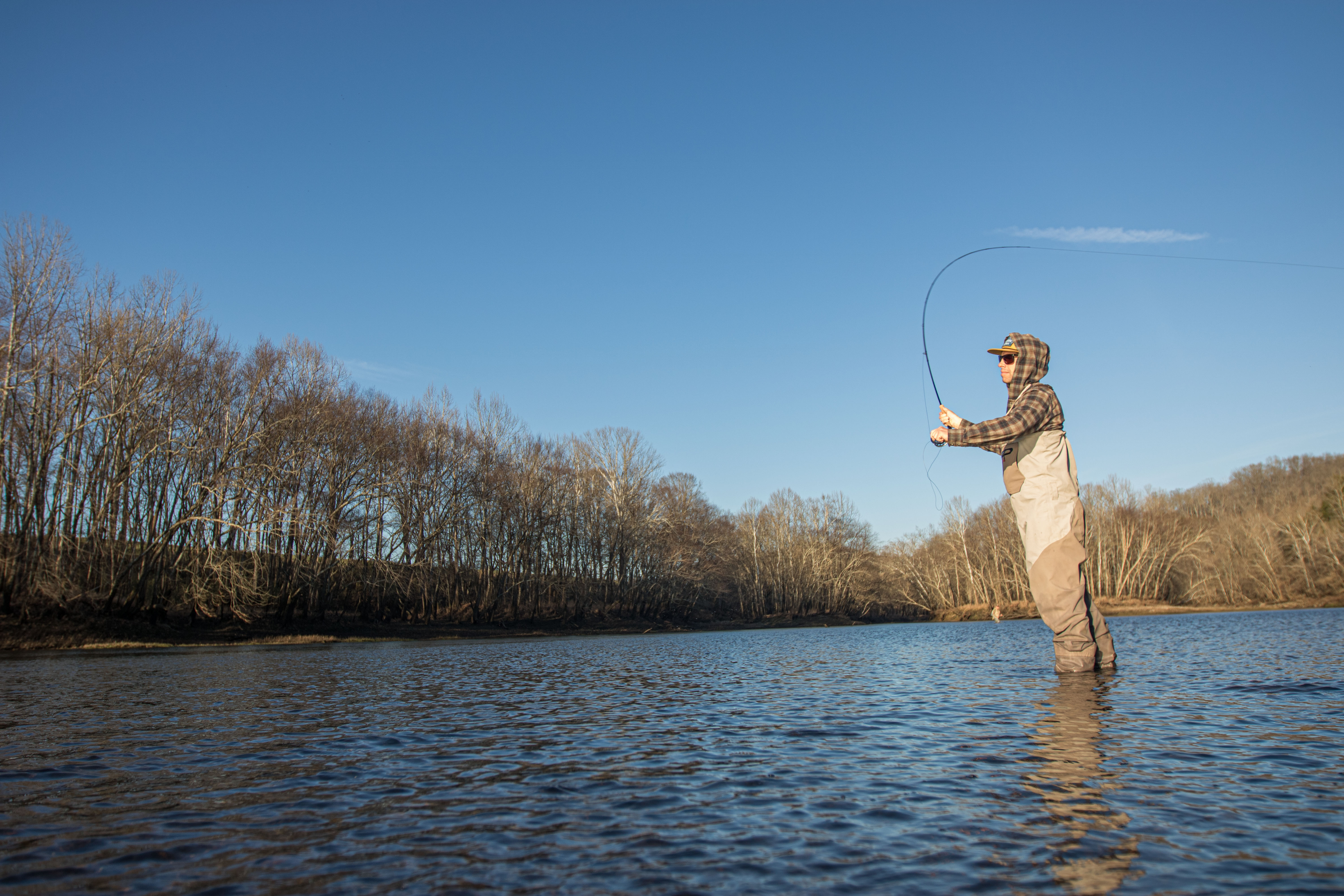
Fly rod performance all comes down to casting. In my opinion, there is no best rod out there, and particular fishing techniques, along with individual preferences, will determine what’s best for you.
As such, I wanted to test the rod out as fairly as possible. You’ll find some popular fly rod reviews that test rods on a lawn, in a controlled environment. But that doesn’t cover fishing techniques and comes down heavily to personal preference in rod action.
Others provide on-the-water technique-specific feedback. But that doesn’t show you the rod’s sweet spot or give you insights as to how it casts at controlled distances compared to other rods.
Since I love fly rods so much, and this rod carries such a huge price tag, I decided to do both.
Lawn Casting
I took this rod to the backyard and compared it to my all-time favorite 6-weight: the Orvis Helios 2. I own a few 6-weights, some newer than that one, but it just does it for me. We all have that one fly rod that’s irreplaceable, even after it’s been discontinued. The 6-weight H2 is mine.
Both rods were cast with a 6-weight Scientific Anglers MPX Fly Line, as many anglers will opt for a half-line-size heavy taper on a 6-weight to throw bulkier flies. Here’s how the Asquith stacked up to my treasured streamer stick.
25 Feet and Under
The Asquith is the clear winner at close distances. I can actually feel the rod bend in tight quarters, an impressive feat for a 6-weight. It has a trout stick feel, and I could hit every target consistently. No, it’s not as good as a dainty dry fly–specific 4-weight, but in the realm of heavy-duty 6-weights, it may be the best I’ve ever thrown.
The H2, on the other hand, lacks the same feel in close. I was still accurate with the H2, but it was a less enjoyable casting experience. The rod hardly bends, which could lead to accuracy and timing problems for less advanced casters. It feels like a broomstick compared to the Asquith.
25-50 Feet
At mid-range distances, the G. Loomis Asquith comes alive. It is flat-out perfect. The rod is jumpy and responsive. It feels like a true extension of my body, and the rod seems to want to cast my fly exactly where I want it to go. This is clearly the sweet spot of this rod, and I could sit in the yard and cast it for hours at mid-range distances. It’s that enjoyable. Despite the slower action, the line speed is ridiculously fast, and right on par with faster rods.
Again, the H2 isn’t as good. Up until throwing the Asquith, I didn’t think there was anything better, but the H2’s faster action gives it a stiffer feel that’s apparent when cast side by side with the Asquith. The H2 doesn’t punch with the same liveliness at mid-range distances.
Long Bombs
This is where the H2’s faster action started to outpace the Asquith, but with a caveat. I can easily clear an entire fly line from around my feet with the H2. The fast action shoots the line well, and it matches my natural casting stroke perfectly at long distances. It just goes.
It doesn’t come as easily with the Asquith, although it’s still quite good at long distances. In fact, the Asquith was more than capable of shooting an entire fly line once I figured it out.
The rod has plenty of speed and power to bomb long casts, but to do so effectively, I had to adjust my casting stroke. Since the rod bends deeper into the blank, I had to open my casting stroke more and slow down considerably. Once I did that, the rod shot line just as well and accurately as my H2. It has reserve power, but you need to cast correctly to access it.
G. Loomis created a 6-weight that feels amazing in close, but still has the power to make long casts when called upon.
On the Water Casting With Different Lines and Flies
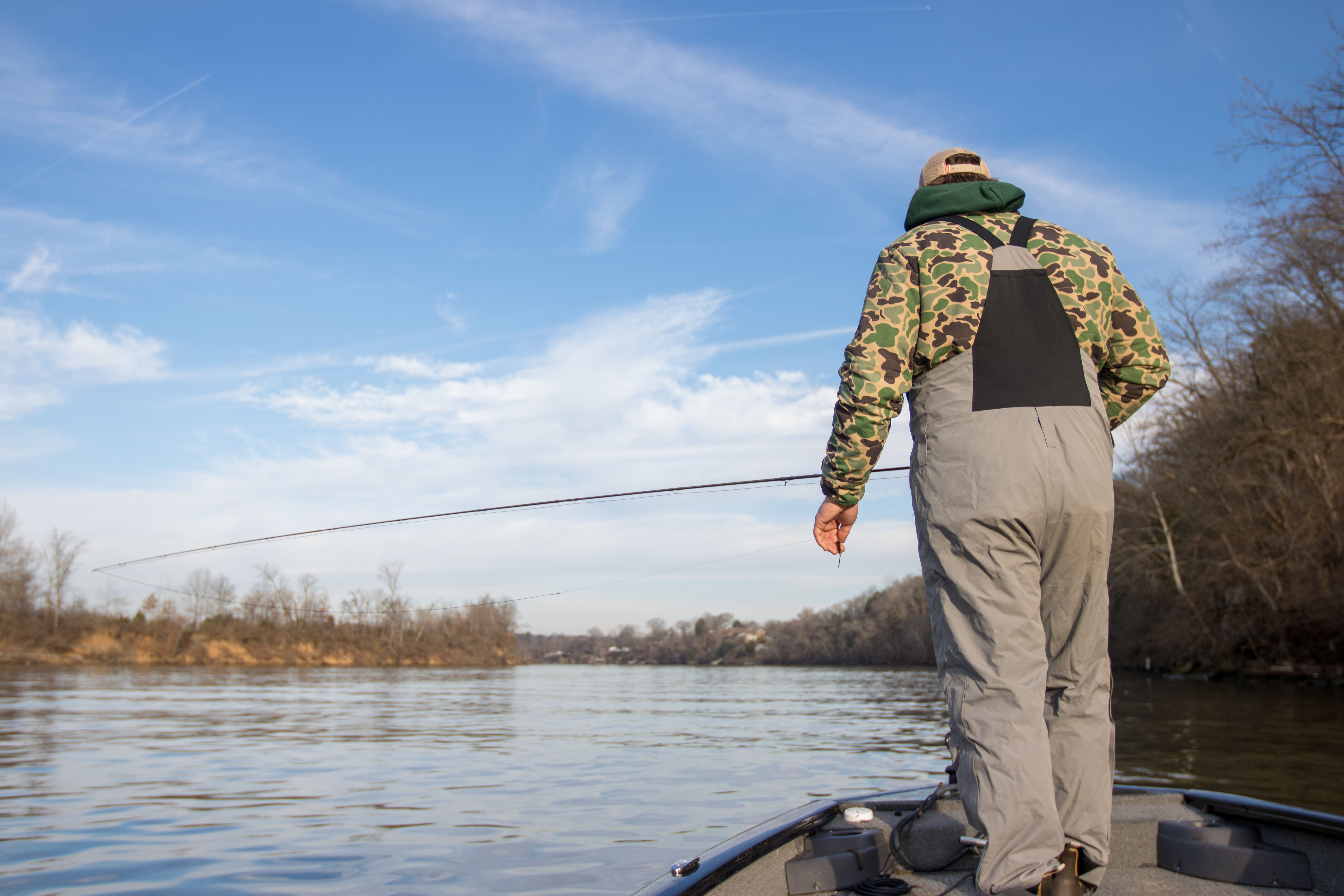
Fortunately, I live in a place where a 6-weight is the perfect rod. Warm-water predatory fish, like smallmouth, largemouth, and spotted bass, seemingly inhabit anything resembling a permanent body of water. We also have a tailwater trout stream, a short drive from town. A 6-weight is my day-in, day-out rod.
Bass Fishing With the G. Loomis Asquith 9′ 6-Weight
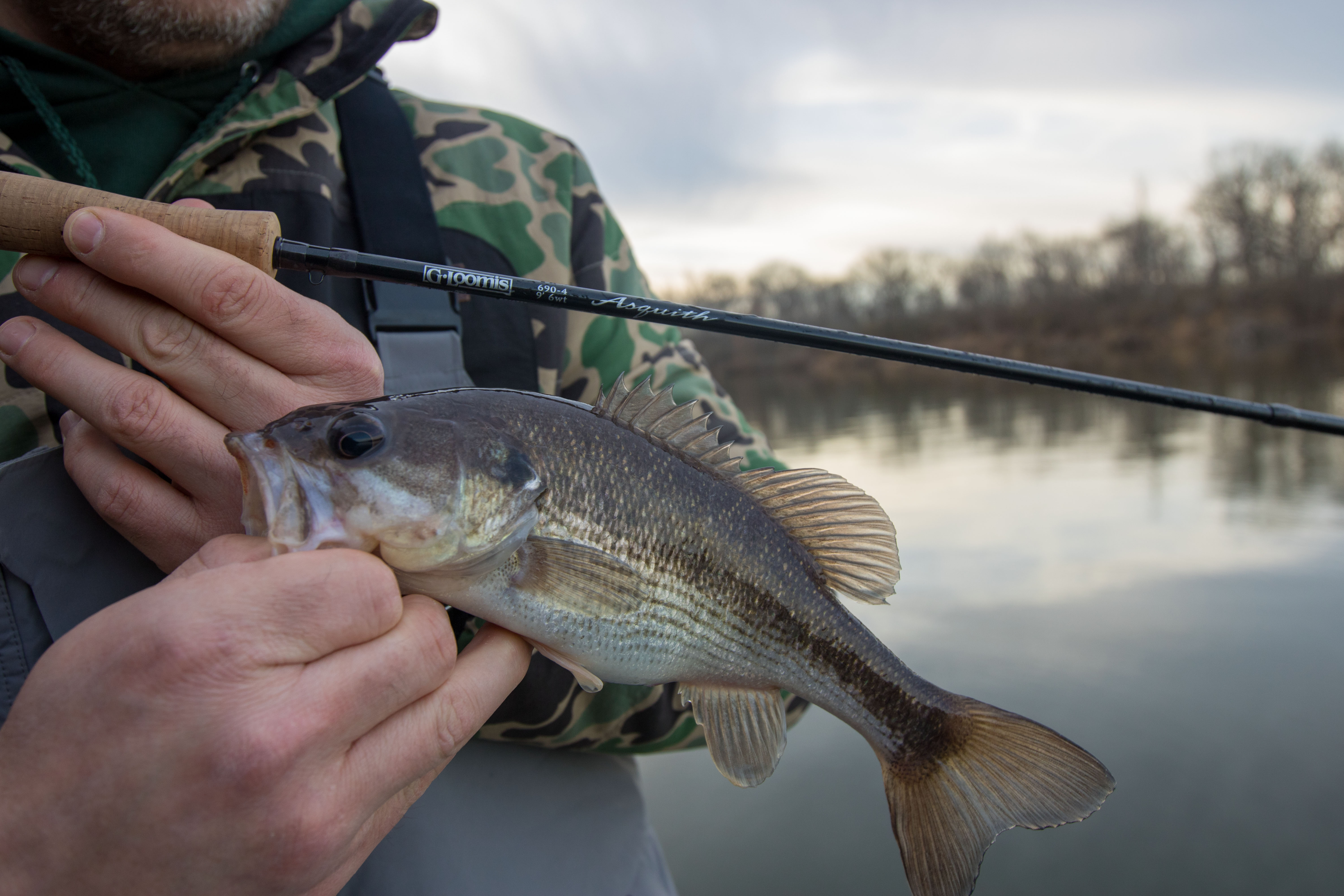
Whenever I chase bass on the fly, I have at least four sinking lines with me in my YETI Go Box. I never know how deep I’ll need to fish, and bass fishing offered the perfect opportunity to see how the Asquith would handle a variety of lines and flies.
Over 2 days of bass fishing, I threw Type 3, Type 5, and Type 7 full-sinking lines, all in a 7-weight. The Asquith handled all of them with ease. In fact, the casting performance with highly dense, oversized lines was outright phenomenal.
The moderate-fast action allowed me to access the power of the middle section of the rod blank, and my heavy setups launched effortlessly to the structure I was targeting. The accuracy of the rod was impressive, and I rarely, if ever, missed my target. You can put your streamer exactly where it needs to be.
Most impressive was the rod’s ability to throw streamers that most would consider too big and heavy for a 6-weight. After casting small crayfish patterns around and catching only small fish, I decided to put on a double-articulated, dumbbell-eye pattern to try to stick a big dog. I normally reserve that giant fly for my 8-weight, but figured, “Why not?”
The rod had plenty of power to cast it. I never felt like the rod was collapsing on itself, even on casts over 45 feet. The undergunned feeling that’s so common on my other 6-weight rods was non-existent. If you need a 6-weight to huck meat, this is the one. You’d be surprised at how heavy a setup it can handle.
Trout Fishing With the G. Loomis Asquith 9′ 6-Weight
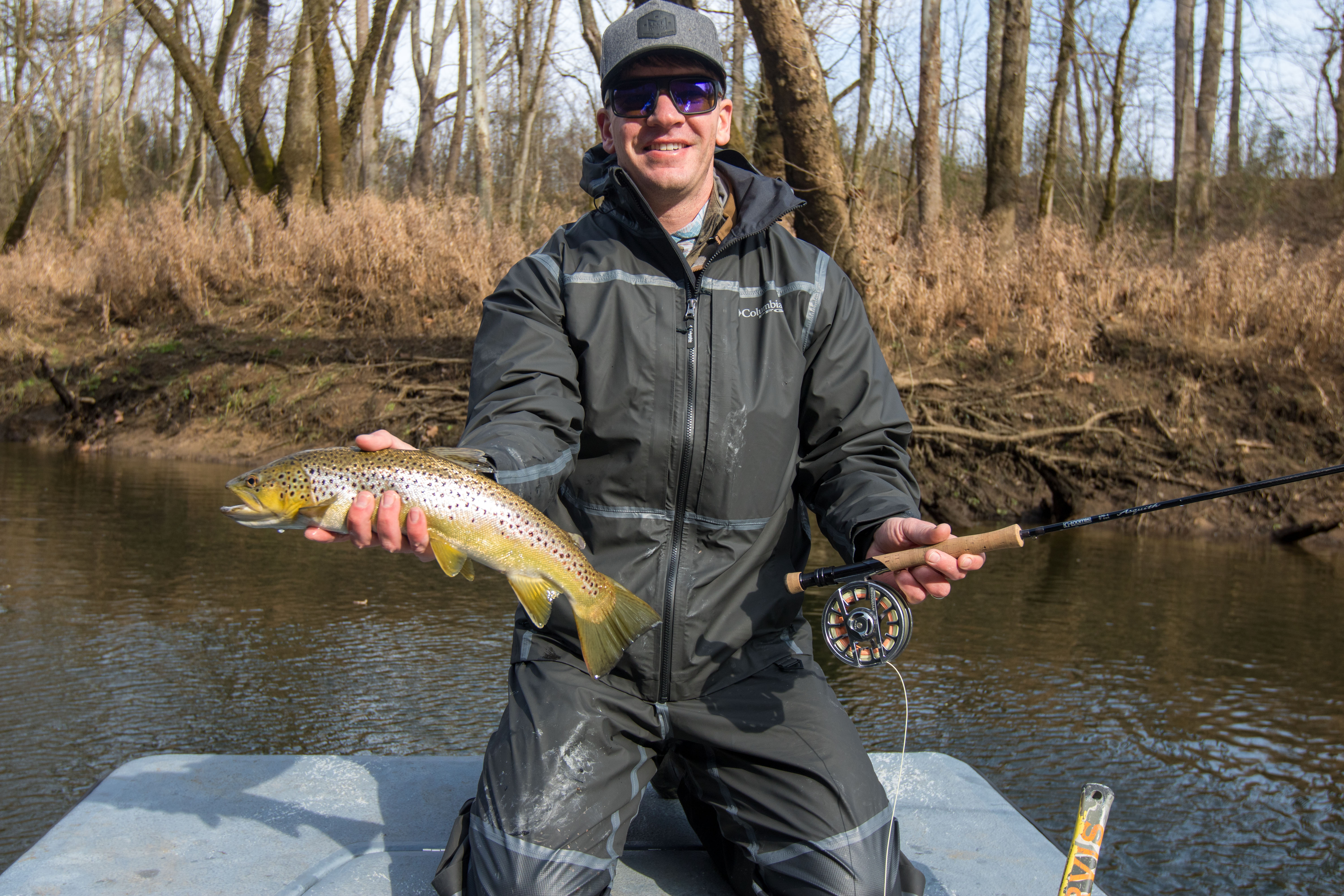
After a few days of bass fishing, it was time to hit the local tailwater to target trout. I gave the rod a fair shake with dries, nymph rigs, and streamers. I’ll go over the performance with dries and nymphs, as I already covered how killer of a streamer rod the 6-weight Asquith is.
Dry Fly Fishing
Our local tailwater in Tennessee isn’t like a Western tailwater. You live and die by the water generation at the dam, and within a few hours, the river could change from a raging torrent to hardly a puddle.
When the water drops out, my favorite way to target the fish is with a dry dropper, even in the wintertime. It lets you stealthily present small midges and sow bugs to spooky fish.
The Asquith is a killer dry dropper rod. It handled large foam dries with two beaded nymphs in tow with no problem. I was able to land the whole setup very delicately in low, clear water, thanks to the slightly softer action.
I took some time to toss small dries on the rod as well, just to see how far the delicacy went. I’m not going to sit here and tell you that this rod is perfect for techy dry fly fishing. It’s still a 6-weight, and I found it was fairly easy to slam small flies onto the water. If that’s the only type of fishing you do, look elsewhere.
However, it did perform surprisingly well for a 6-weight, and I’d even be willing to say that it outperforms some of my super-fast–actioned 5-weights in the small dry fly department.
Again, the moderate-fast action is key, and I could feel the rod load at close range, which improved accuracy. By allowing my cast to unroll a few feet higher above the water than I normally would, I could get passable delicacy.
This would be the perfect rod for someone out west who plans to spend a majority of the day hopper fishing, but may stumble into a mayfly or caddis hatch.
Nymphing
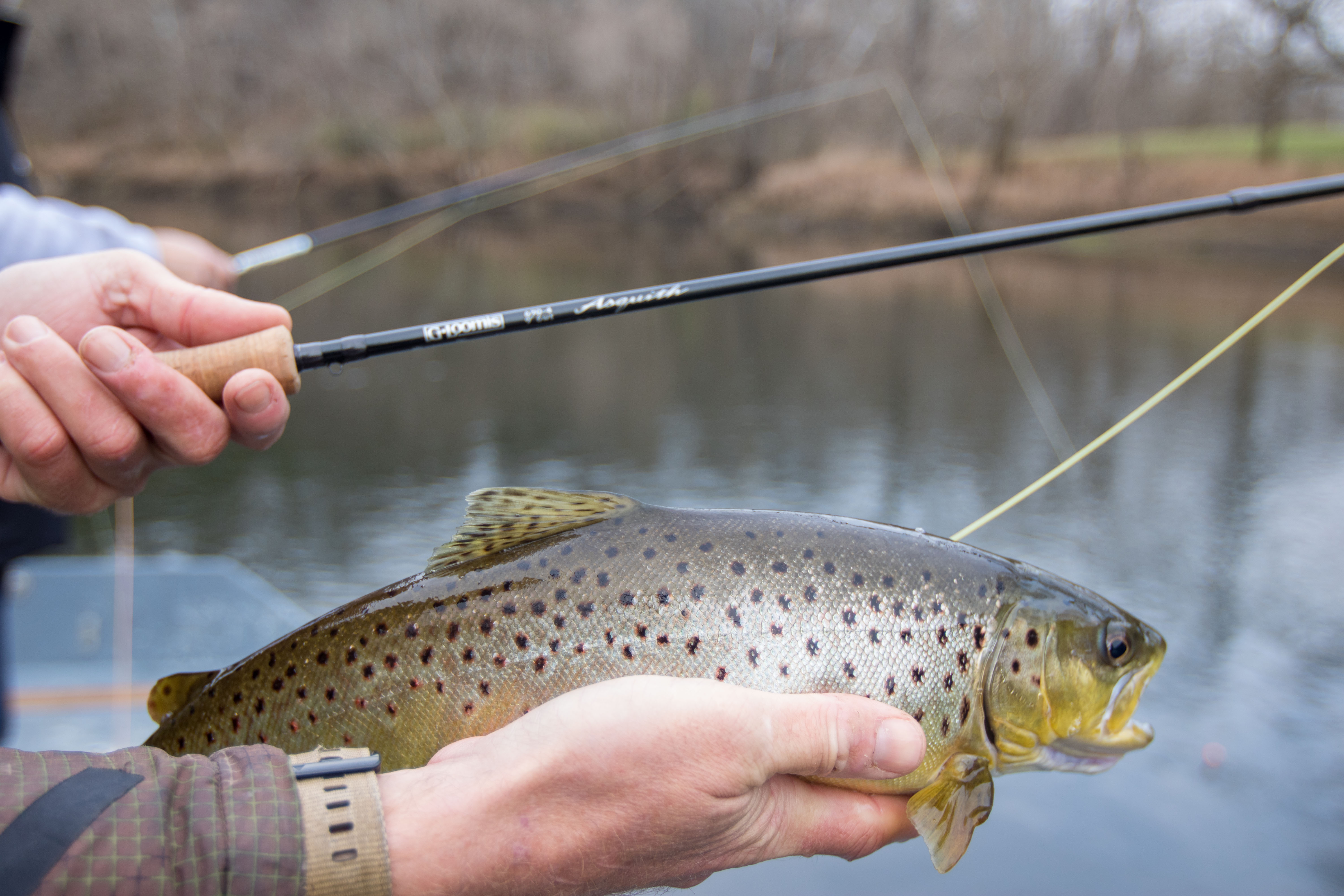
When the powers that be crank on the generators at the dam of the tailwater I fish, shad get caught up in the turbines and shot out into the river. There are dead, wounded, and mildly dazed baitfish all over the place. That means it’s time for one thing, and one thing only: bobber doggin’ with micro streamers.
Over two separate days, I timed the shad kill perfectly and chucked around a 10-foot leader with a strike indicator, split shot, and jigged white streamer. The Asquith delivered the entire time.
I could easily open up the loop of my cast to avoid tangling my weight-laden leader. Despite delivering my offering with loops that could be described as anything but aerodynamic, the Asquith shot line extremely well. It has the power to throw heavy nymph rigs at any distance you can reasonably fish.
On one of those days, I was guiding and had a client use the Asquith. She had never touched a fly rod a day in her life, but a few hours into the trip, even she was getting line to shoot out. She stuck her first-ever fly rod fish on the Asquith.
Where the G. Loomis Asquith 9′ 6-Weight Misses
From a performance standpoint of a 6-weight fly rod, there isn’t much not to like about this rod. Sure, I discovered on the lawn that a faster-actioned rod may outperform it at extreme long-distance casting, but who cares? Tell me how often you’re casting further than 50 feet in freshwater. If it’s more than a handful of times a year, you’re doing it wrong. I’ll take the amazing mid-range performance and versatility of the Asquith any day over long-distance power.
But the price is ridiculous. At $1,570, I am fairly certain that the G. Loomis Asquith is the most expensive graphite rod to exist in fly fishing history. There are a lot of sweet fly rods out there. Just about every flagship rod from any other manufacturer is going to be hundreds of dollars cheaper. Whether this one is worth hundreds of dollars more than the other premium options is up to you. Go cast it.
The price sting is even worse, considering that the G. Loomis warranty program is expensive as well. The rod is covered against accidental breakage. For $350, Shimano/G. Loomis will ship you a replacement rod under the Xpeditor Service. It’s nice you don’t have to wait long for a new rod, but ouch. Manufacturer defects are covered at no cost, but those are extremely rare.
However, the high warranty cost is somewhat mitigated because Loomis sells replacement tips on its website. Past models cost $75 per tip, though I’m not sure how much tips will be for the newer Asquith. Either way, it’s better than $350, and tips are what’s going to break the most. Heck, it’d be smart to buy one proactively and have it at the ready for when disaster strikes.
Final Thoughts on the G. Loomis Asquith 9′ 6-Weight
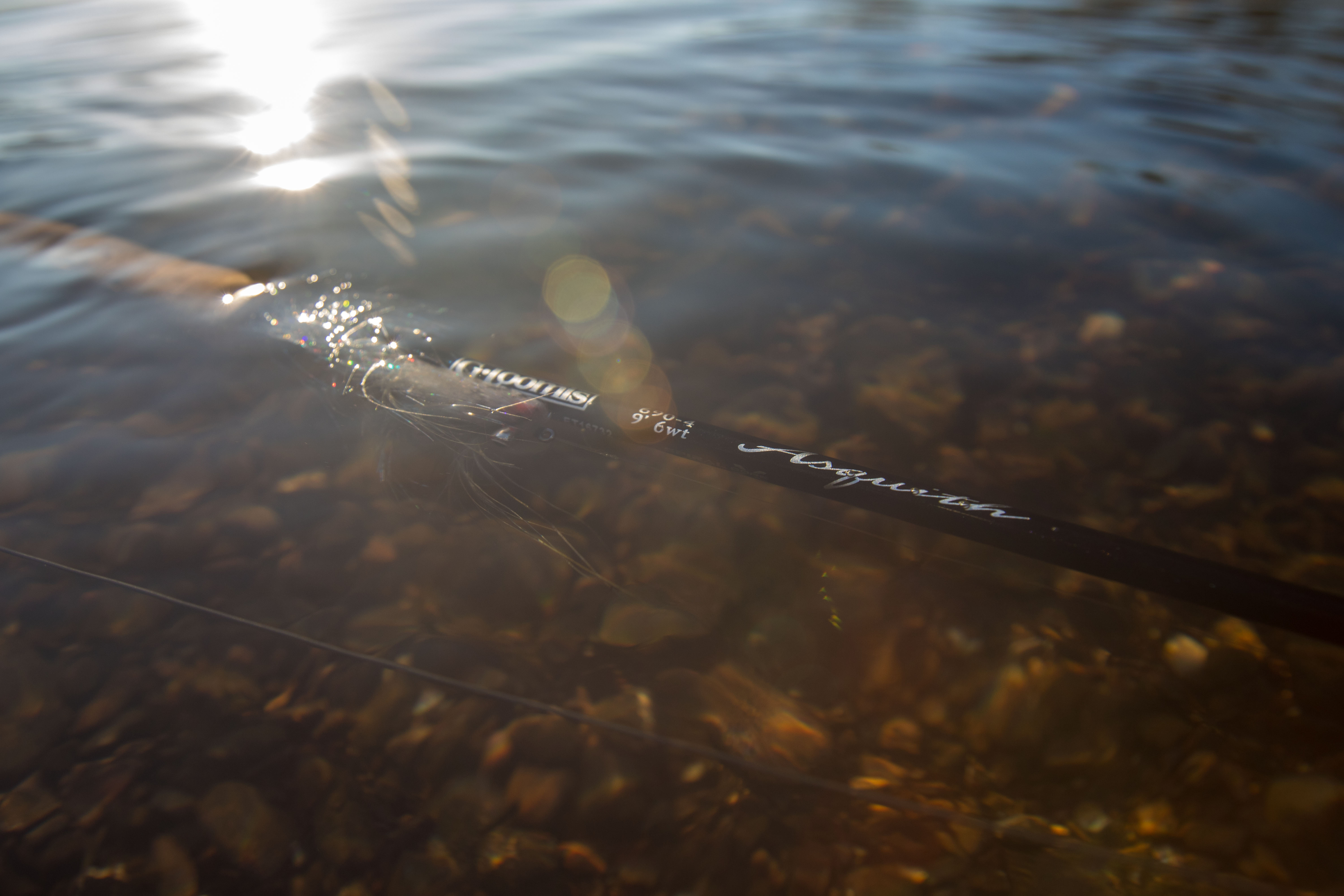
As a multi-species angler who could go from throwing articulated streamers one day to nymph rigs and dry flies the next day, I haven’t found a rod quite as versatile as the 9′ 6-weight G. Loomis Asquith. The moderate-fast action provides excellent feel and a touch of delicacy, but the rod packs plenty of power for heavy setups.
It’s one of the most “trout-feeling” 6-weights I’ve had the pleasure to fish, and it’s a great rod for big rivers and big flies, but can perform finesse work when asked. Multi-species freshwater anglers such as myself will also enjoy the versatility.
In the words of Ferris Bueller, “It is so choice. If you have the means, I highly recommend picking one up.”
Read the full article here