




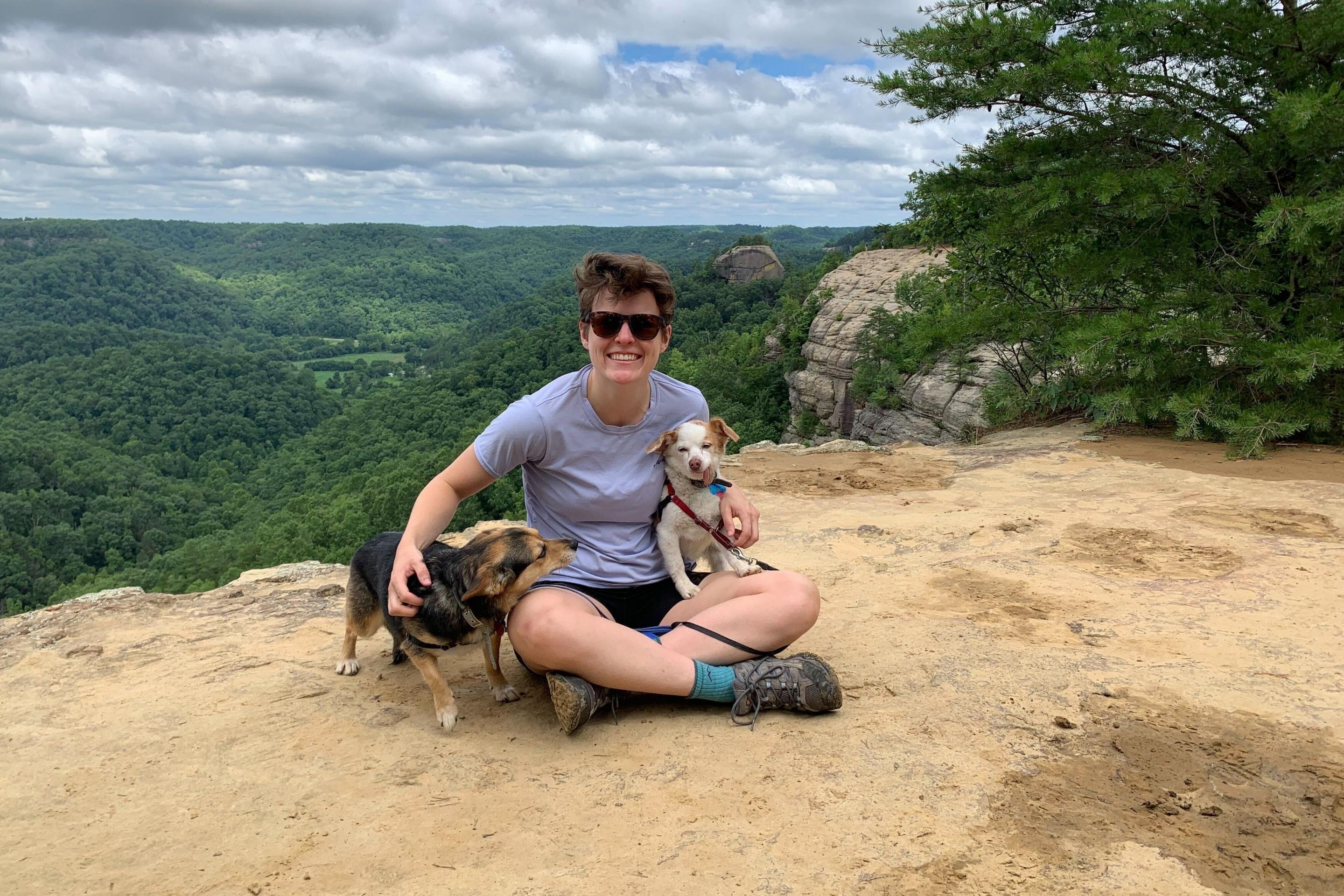
When I started backpacking as a teenager, I never once thought about being sexy on the trail. In fact, at a time when body shaming and fat-phobia were rampant, the wilderness was one of the few escapes I had from the oppression of my own terrible body image. Out on the trail, my appearance was meaningless: All that mattered was making it up the next hill.
Twenty years ago, no man or woman looked photoshoot-ready when they hiked a trail or went climbing. But in the age of social media, the pressure to look hot and attractive has now infiltrated every part of our lives — even the outdoor activities defined by their distance from the pressures of normal life. And brands have noticed, taking the opportunity to cater to the “hot girl hiker” look with crop tops, pants, and dresses specifically for this market.
While I fully support anyone’s desire to express their gender while exploring nature, this recent focus on aesthetics and sex appeal is in direct opposition to what the outdoors represent for me. The outdoors’ ability to free me from gendered norms and expectations has been one of the main reasons I keep coming back.
As the pressure to look pretty infiltrates the wilderness, I worry that this is just another way to sell women stuff they don’t need. I — and I imagine other women — simply do not give a crap about looking good while thru-hiking, climbing, or paddling.
The wave of popularity of the “hot girl hiker” has obscured the other side of the coin. Yes, nature-loving women should be able to dress hot if they want. But they should also be allowed to be hideous. Embracing one’s gender in the outdoors can also mean rejecting it entirely. Shedding every shred of your femininity can be the ultimate liberation.
The Outdoors as Freedom
Setting the Stage
I grew up in an outdoorsy family, and always skewed toward a more masculine presentation. Back then, you’d call it being a tomboy. Every time my mother would attempt to get me to wear a dress to church as a child, a long battle ensued, until she finally gave up, and my chosen uniform of black nylon soccer shorts won out.
I was constantly outside or playing sports, and wanted to be able to move at a moment’s notice. I never gave a thought to my appearance or outfits other than for function and comfort.
As a teenager, I recognized that social norms required me to be more feminine. Avoiding being bullied in middle and high school required that I at least wear skinny jeans and a cute shirt — a compromise that seemed worthwhile at the time.
I had gender norms thrust upon me in other ways. In the locker room before a basketball game, as we were putting on our uniforms, a teammate gasped and started laughing at me. I asked her what was wrong, and she mocked me for my hairy legs and armpits. No one, including my mother, told me I was supposed to shave. From that day on, I shaved three times a week. I was 13 years old.
Then puberty hit and my body changed, and all of a sudden I had a larger body that was foreign and uncomfortable. And this was during the late 2000s/early 2010s, a time when body image messaging was dreadful.
As I grew to hate my own body, feminine and form-fitting clothes took on a new layer of oppression. During track practice one day, I forgot my shorts at home, and had to borrow an extra pair from my slightly smaller friend. That same “friend” taunted me mercilessly as the tight shorts rode up on my butt.
The First Relief
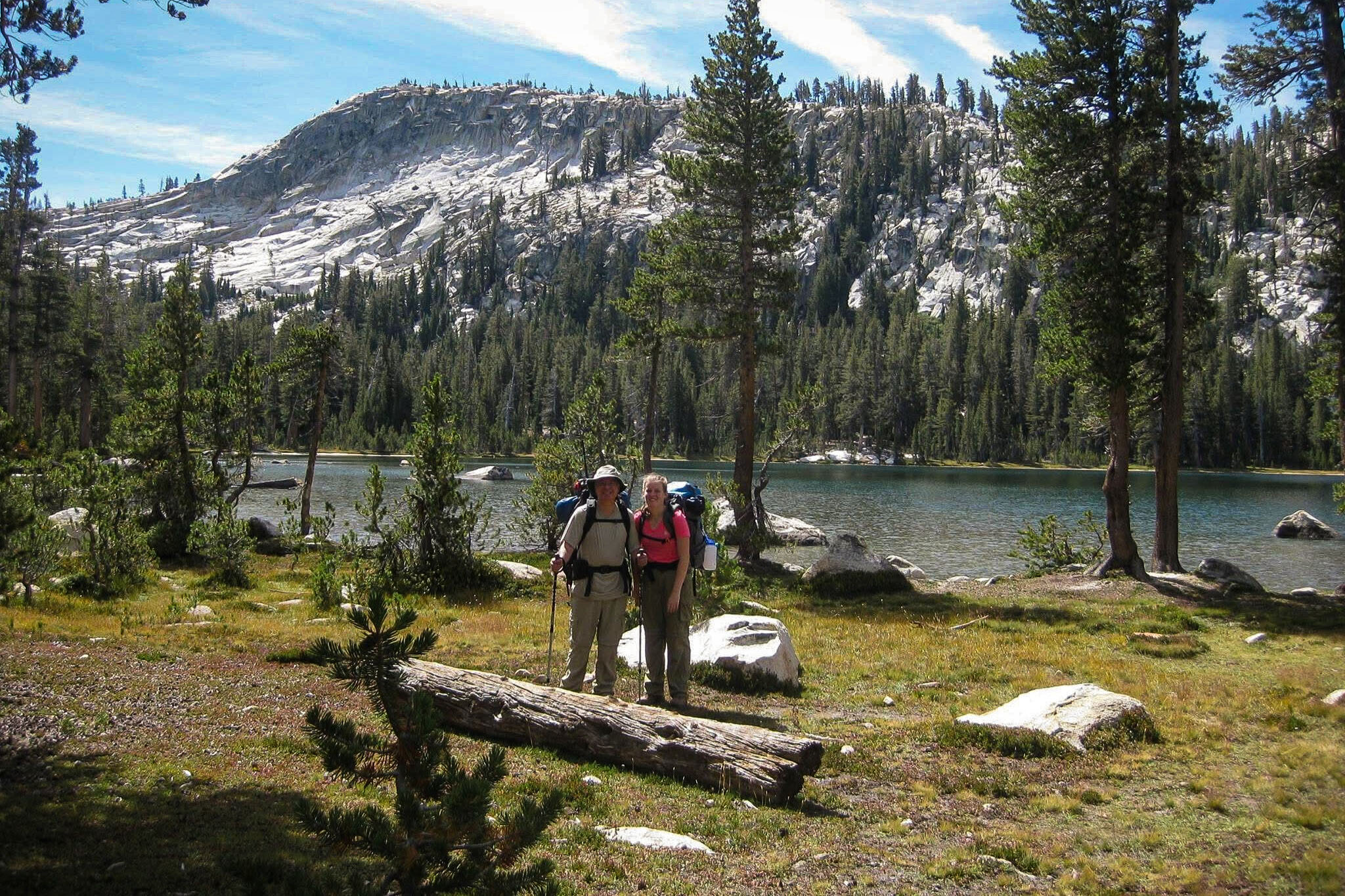
My parents always took my brother and me hiking and on other outdoor exploits. But when I was 13, we went backpacking for the first time. We spent several days in the High Sierras backpacking the Dinkey Lakes Area Wilderness. I had never gone without a shower for that many days in a row, and — to my surprise — I liked it.
My hair was knotted and greasy, but that was socially acceptable. For once, my mother wasn’t bugging me to brush it and remove it from its standard ponytail. We were all stinky and sweaty and gross, and I got to be my childhood tomboy self once again.
I went from looking at myself constantly in a mirror to not looking in a mirror for an entire week. My mind — normally consumed with how I was being perceived — was free to think, dream, and create.
I looked forward to our outdoor family adventures for many reasons (it was one of the rare times my dad wasn’t working). But each time we escaped into nature, I got an additional escape. I got to run away from the self-consciousness and body dysmorphia that haunted me as a teenage girl.
Rejecting Gender Norms as an Adult
Thanks to a fully developed brain and some therapy, I don’t have quite the same struggles I did as a teenager. I grew out of my awkward phase, worked on healing my relationship with my body, and interrogated my gender identity.
I’ve realized that being a woman contains multitudes. While I practically live in climbing clothes, I do find it fun to occasionally dress up for a special occasion or event. I also give far less of a shit about what people think about me than I did when I was 14, thank goodness.
Even with that personal growth, I am still a woman living in a patriarchal society. Whether it’s at the climbing gym or in a bar, the male gaze constantly perceives and assesses me. People’s judgments about my appearance or body don’t matter, but they will still judge all the same. And part of me still feels nervous about being observed.
As much as I would like to think I’m impervious to people’s opinions, it still makes me anxious when writing a gear review on our site. That often means showing a close-up shot of my butt or legs — even if it’s just to display a pocket on a pair of pants.
We also have no control over how we are presented to the world: Anyone could take a photo of us at any time and put it on social media. If there’s one universal truth, it’s that people on the internet are ruthless and feel entitled to comment on a woman’s body.
With all those continuing challenges, the outdoors thus remains a haven, an oasis free of gender norms. When I go on a backpacking trip, I do not have to care one bit about how I look. I’m alone in the wilderness, and if I do manage to come across another person, it’s for a split second.
There is something so liberating about getting to be what I affectionately call a “dirty little gremlin” in the forest. My body is not up for public consumption. Only trees and squirrels are around, and they don’t care. I get to be filthy and dirty and wholly unfeminine.
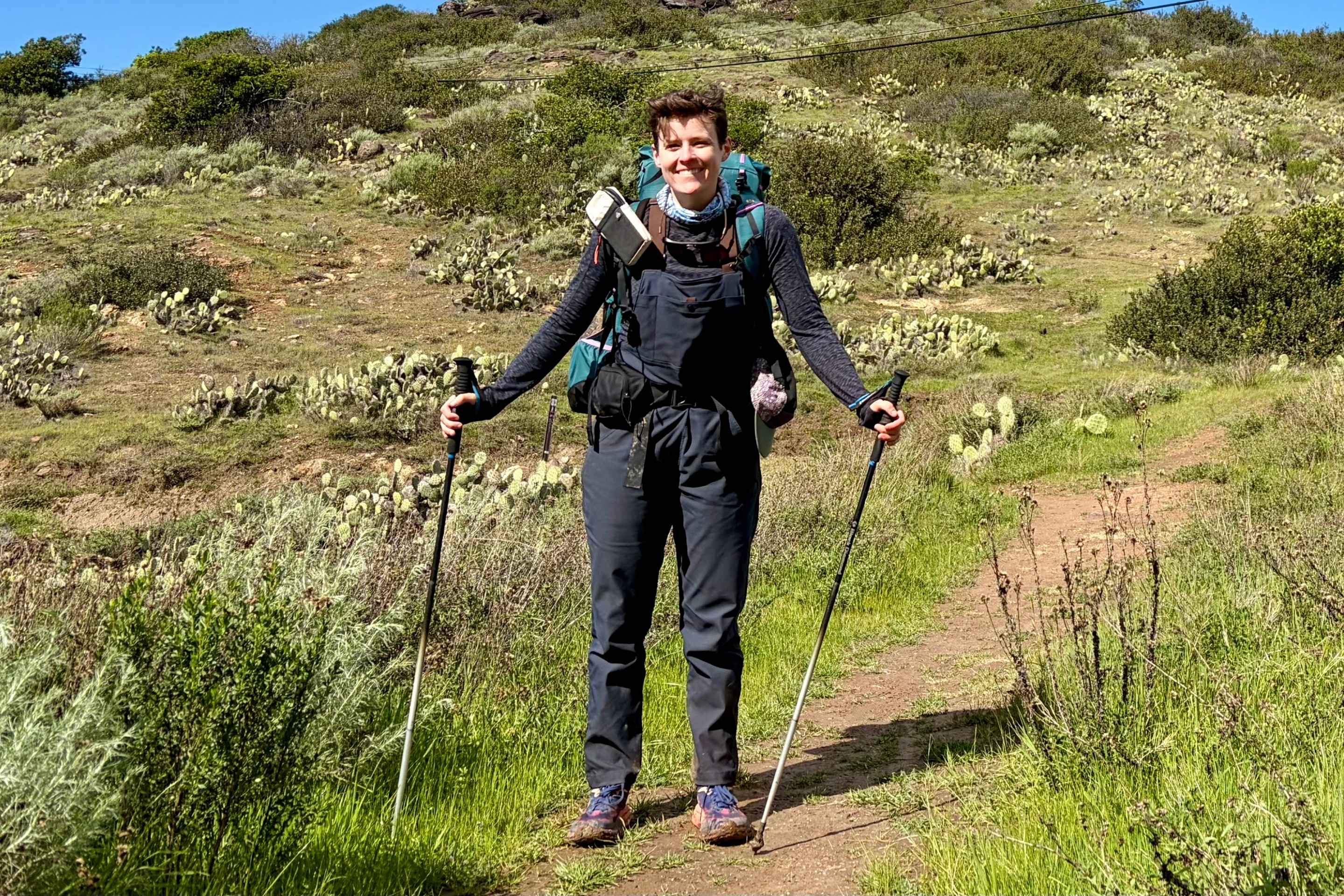
When I go into the outdoors, what I wear doesn’t matter because I’m here for a goal: to climb a cliff, to hike a trail, or to scale a mountain. My body goes from something that is perceived to a tool that is accomplishing a mission.
I am deeply connected to my body at the same time that I am profoundly apart from it. I feel every mile, every blister, and every ascent, but in a way that feels disconnected from my flesh. I am not a woman in my 30s with acne and a soft, round stomach. I feel feral, almost animal-like, pushing myself to my maximum physical limits in nature.
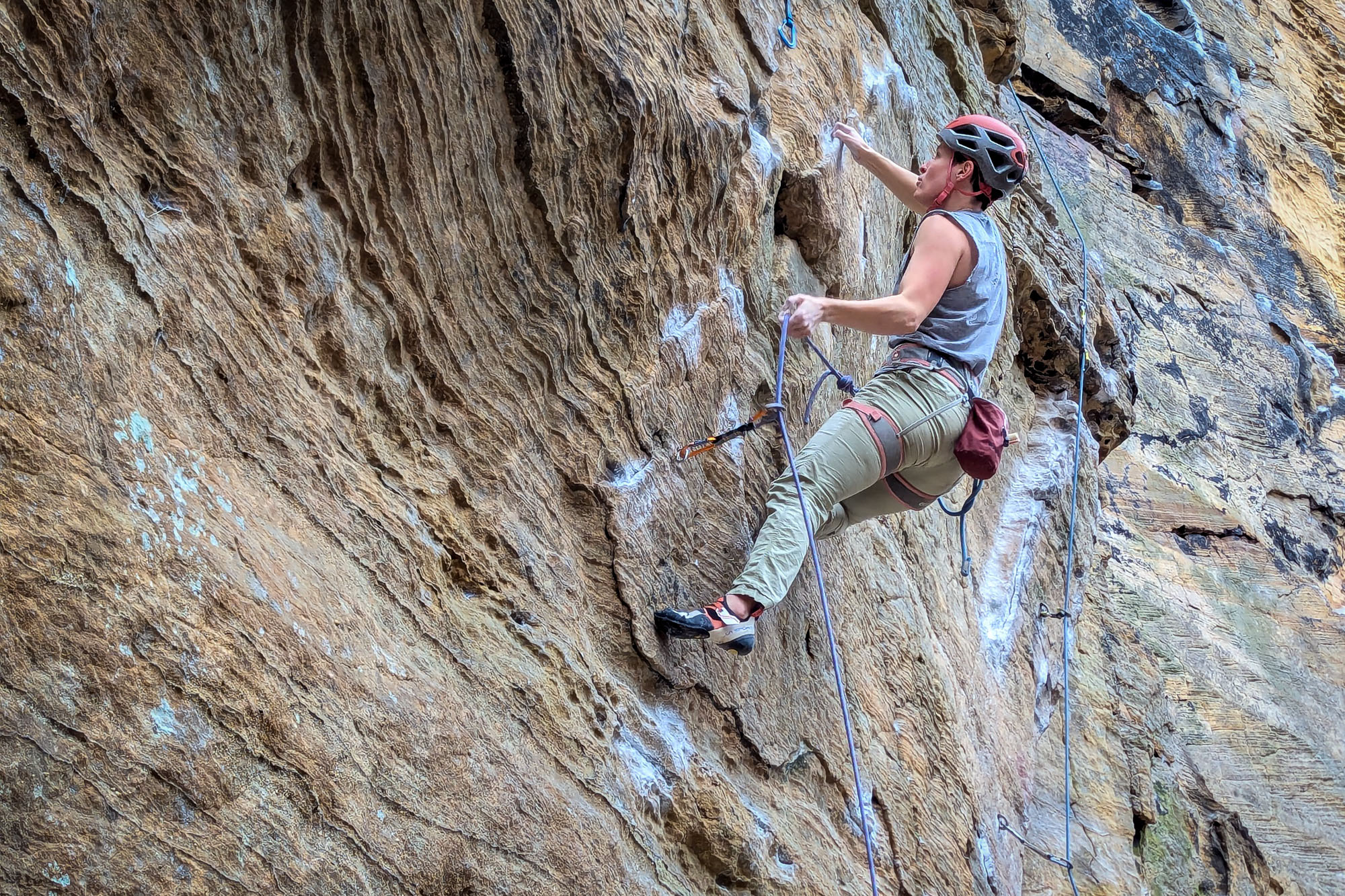
As I embraced backpacking and climbing, the outdoors helped improve my relationships with my body and gender in everyday life. I no longer shave my legs or armpits, because once I hadn’t showered for a week, that kind of personal hygiene felt superfluous. On a 30-day thru-hike, I wasn’t going to add weight to my pack for the sake of bringing a razor. I shaved for a decade because I felt like I had to, but the trail set me free.
Why I’ll Never Be a ‘Hot Girl Hiker’
I relish the opportunity to be ugly and free from gendered expectations in the outdoors, so I won’t ever be a “hot girl hiker.” I love nature, in part, for my ability to feel formless and genderless. So the last thing I want to wear is a tight bra top and shorts that hug my butt. All the feral masculine-presenting hikers out in the woods are just as valid as women embracing their sexuality.
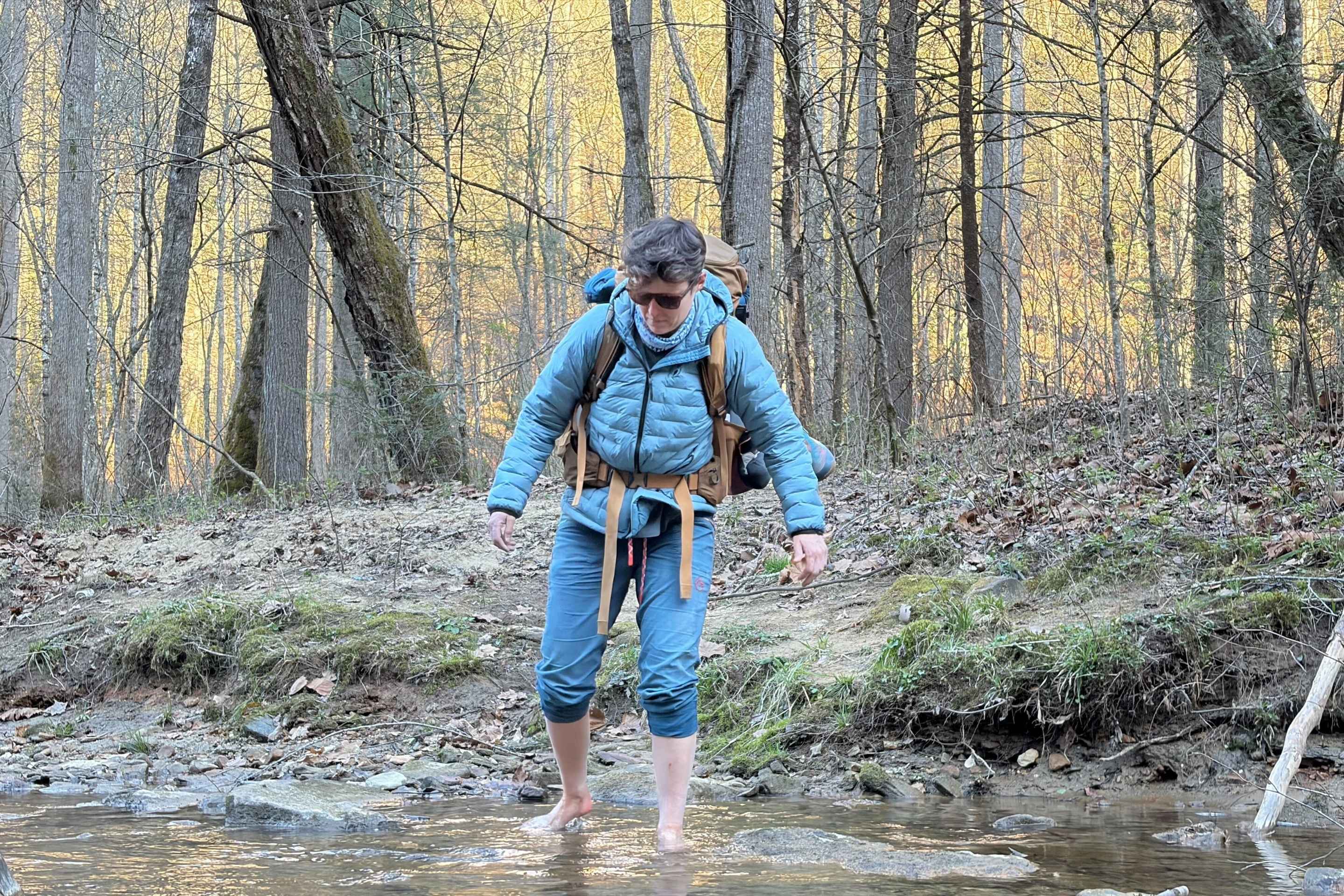
While I don’t criticize women who embrace it, the “hot girl hiker” trend feels more like a clever marketing strategy. Brands like Seniq and Free People have gained popularity by promising women they’ll look cute and pretty in the outdoors, which, of course, would require them to purchase more clothes.
I’ve seen plenty of “hot girl hiker” influencers on Instagram hawking loads of different tops, pants, and shoes — far more than any one person would need. Brands have long convinced us to buy things by telling us we’re inadequate, and the hot girl hiker trend is no different. The not-so-subtle messaging often reads along the lines of: If you don’t buy X top, you won’t look sexy on the hike that you post on Instagram — but that other girl will.
If I want to dress up and look feminine, I’ll do it. But I’m not going to do it backpacking or sport climbing. When I am at my physical limit, throwing everything I have at a climb or an uphill ascent, to concern myself with aesthetics and sex appeal feels like a betrayal of what I’m asking my body to do. As I push what my body is capable of, I’m limiting it if I focus on the shallow realm of appearance.
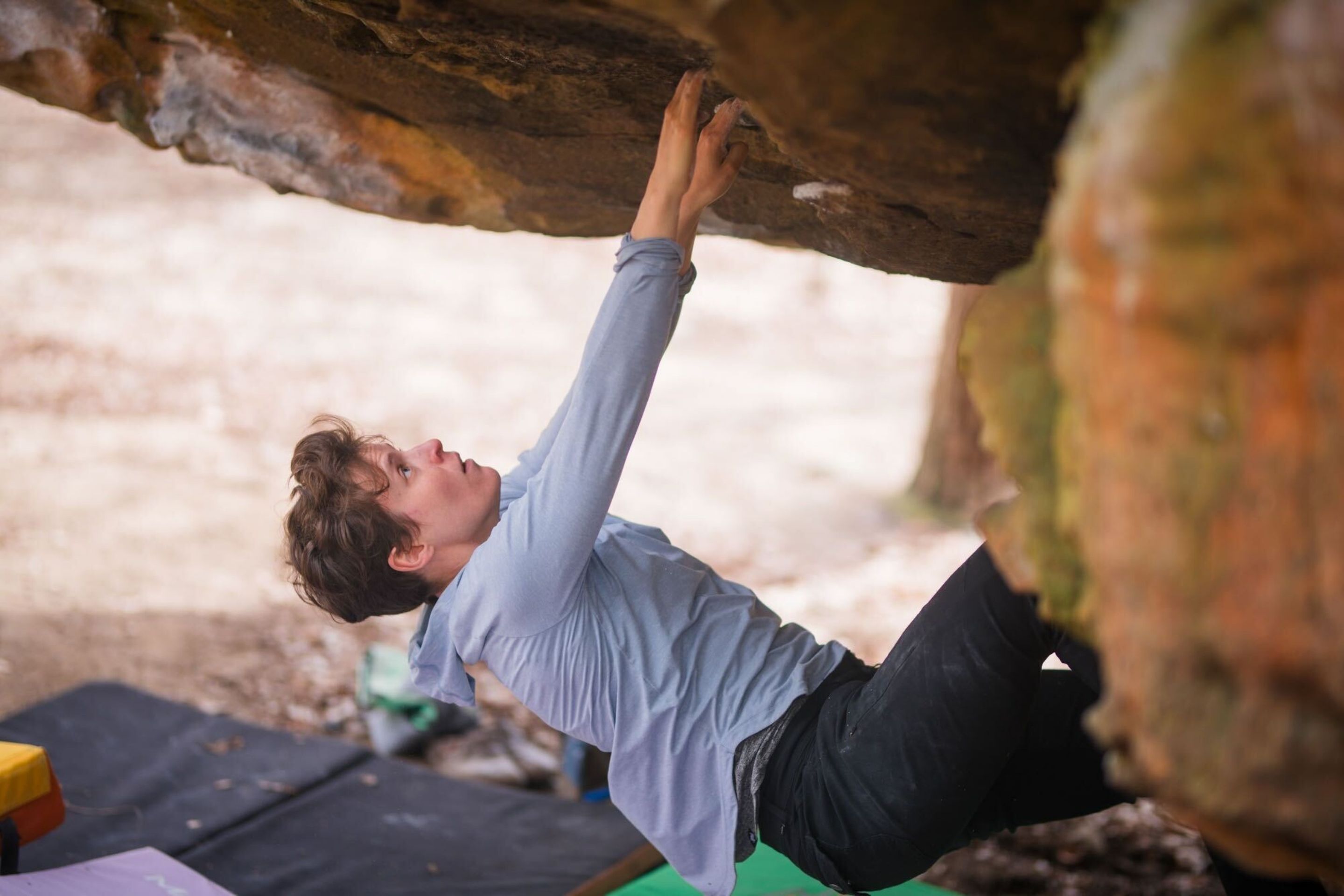
The whole point of climbing is what your body can do, not how it looks. Punishing my fingers on knife-edge crimps and engaging every last bit of strength in my shoulders is a celebration of my body’s strength and ability, and my mental grit and tenacity.
The relationship between my body, my mind, and the rock is a spiritual one. Thoughts of being “hot” are of a lower, earthly order that is unfit for this special bond. My experience with nature is beyond the corporeal realm. If that means I look ugly climbing or hiking, so be it.
Read the full article here