




The national park system is one of America’s crowning jewels, attracting millions of visitors every year. Like any popular vacation destination, though, sometimes they don’t quite live up to expectations.
New data from a study of online reviews shows which parks tend to disappoint people the most, and the results might surprise you.
The Study
KÜHL, the outdoor apparel brand, surveyed 96,000 reviews from TripAdvisor and Google, pulled in January 2026. The study looked at the average star rating (out of 5) for all 63 national parks, and the percentage of reviews that were negative. It examined the most common complaints and the kind of language used in reviews.
Results

The Ones That Disappointed
Death Valley
Death Valley National Park in California, with 12.3% of its reviews labeled as negative, came in last. This result isn’t shocking. If you visit Death Valley at the wrong time of year, you’ll be met with searing, triple-digit temperatures. The rocky, desolate desert landscape is ecologically significant, but apparently not impressive to everyone.
“Hot dusty hell hole with nothing,” one person on Google wrote. “Don’t go, nothing to see here. I have visited major national parks, and I can tell you this is definitely not worth the time. This should have never been a national park,” another wrote.
Petrified Forest
Next lowest was Petrified Forest National Park in Arizona. This desert park is defined by curious geology, and its famous “Rainbow Forest” where petrified tree trunks litter the Earth, painted in a spectrum of bright mineral colors.
The park is ranked so low, likely due to the same reasons as Death Valley. It is a hot and unforgiving region, and the landscape is not as immediately striking as other more geographically interesting national parks.
“Not worth it … very expensive for what you see, too many people, no interesting trails or hikes, really disappointing,” a visitor recounted.
Zion
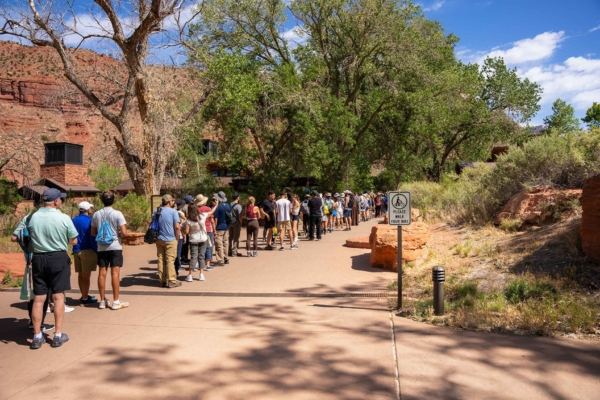
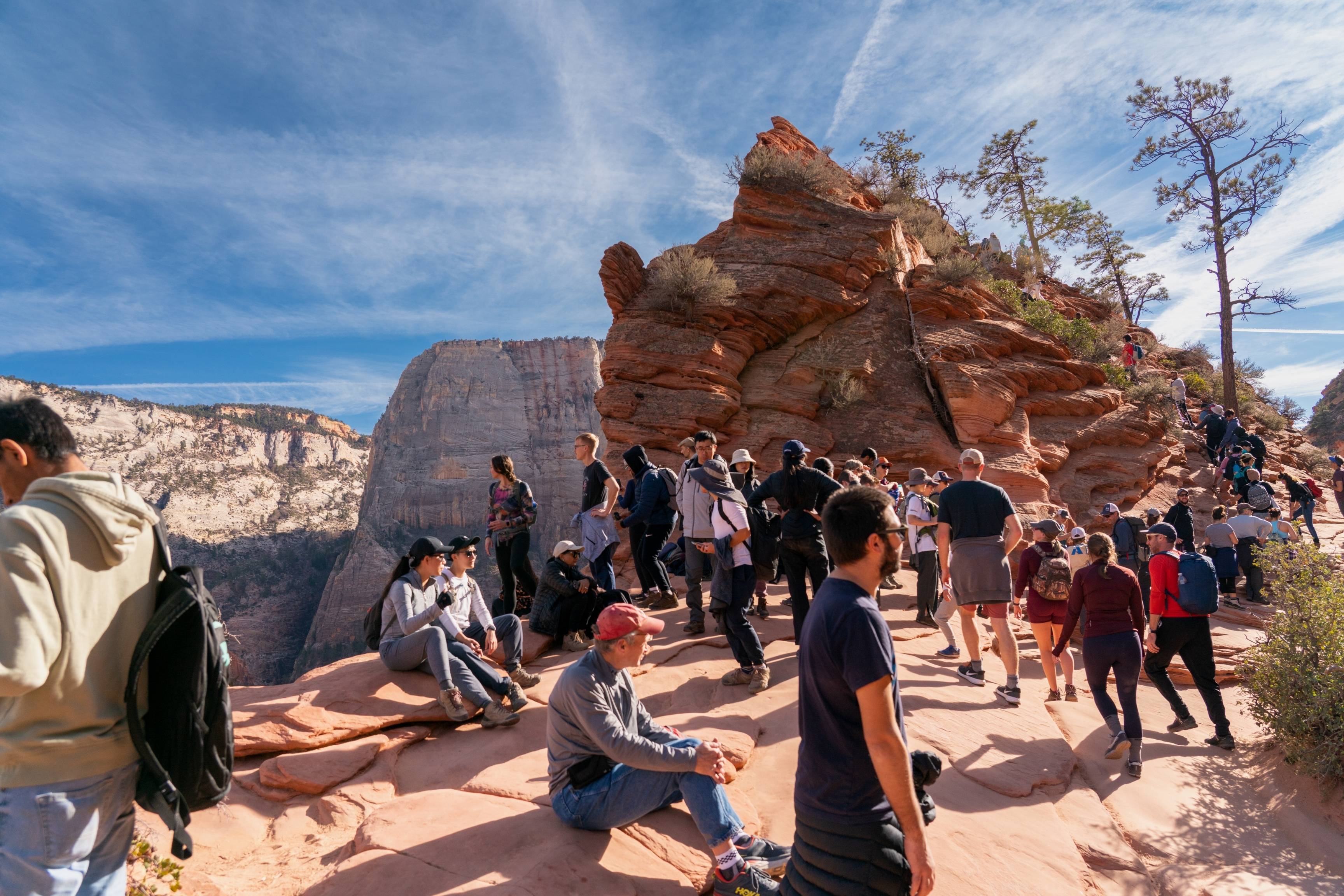
The next at the bottom end is one of America’s most iconic national parks: Zion. It had an average review rating of 4.52 stars, with 7.8% critical reviews. National Park Service (NPS) data shows that over 5 million people visited the park last year. It’s consistently among the top 10 most popular parks.
That very popularity is the reason behind its disappointment. Visitors described it as busy and were frustrated with how hard it was to find parking. Often, visitors couldn’t get permits to hike The Narrows of Angel’s Landing, its most well-known trail.
“This place is not worth your money! They have half the park closed to cars! You have to take a shuttle bus. It’s only a bunch of rock mountains,” a person vented on Google.
Other ‘Disappointing’ Parks
Rounding out the rest of the worst 10 are: Wind Cave, Mammoth Cave, Everglades, Great Basin, Denali, Mesa Verde, and Guadalupe Mountains National Parks.
The cave-centered national parks landed near the bottom because of access issues. If you come to the park and can’t get into the cave, there’s not a whole lot else to do. Visitors to Wind Cave mentioned how frequently the caves were closed. They also noted how the elevators breaking down prevented them from taking a tour.
Many of the critiques of the remaining offenders — Great Basin, Denali, Mesa Verde, and Guadalupe Mountains — centered on park management. Visitors complained about trail closures, limited hiking opportunities, inadequate camping facilities, and poor road conditions.
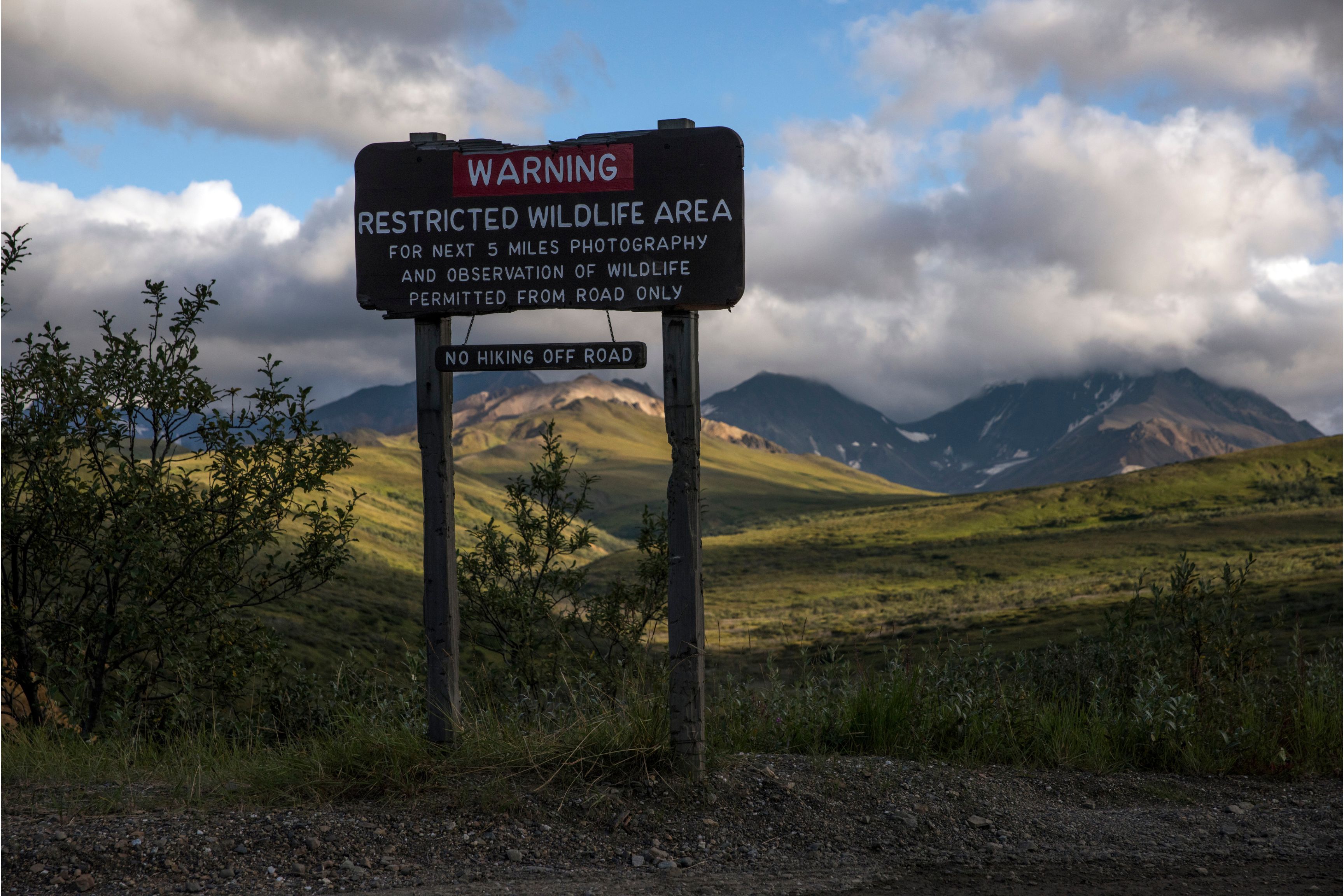
“[Great Basin] is a mismanaged disaster. Park management closed the summit and there isn’t enough parking anywhere nearby. The cave tours immediately sell out and you can’t enter,” a person complained online.
The Most Typical National Park Problem?
The KÜHL study analyzed all these reviews to identify the top complaint across all parks. Perhaps unsurprisingly, with 118 million visitors to the national parks in 2025 alone, the most typical criticism had to do with crowds. People said the parks were “packed.” Visitors frequently described places like Yellowstone, Zion, Yosemite, and Grand Canyon as “overcrowded.”
The Ones That Exceeded Expectations
The top 10 parks that exceeded expectations were a hodgepodge mix of remote hidden gems and iconic classics.
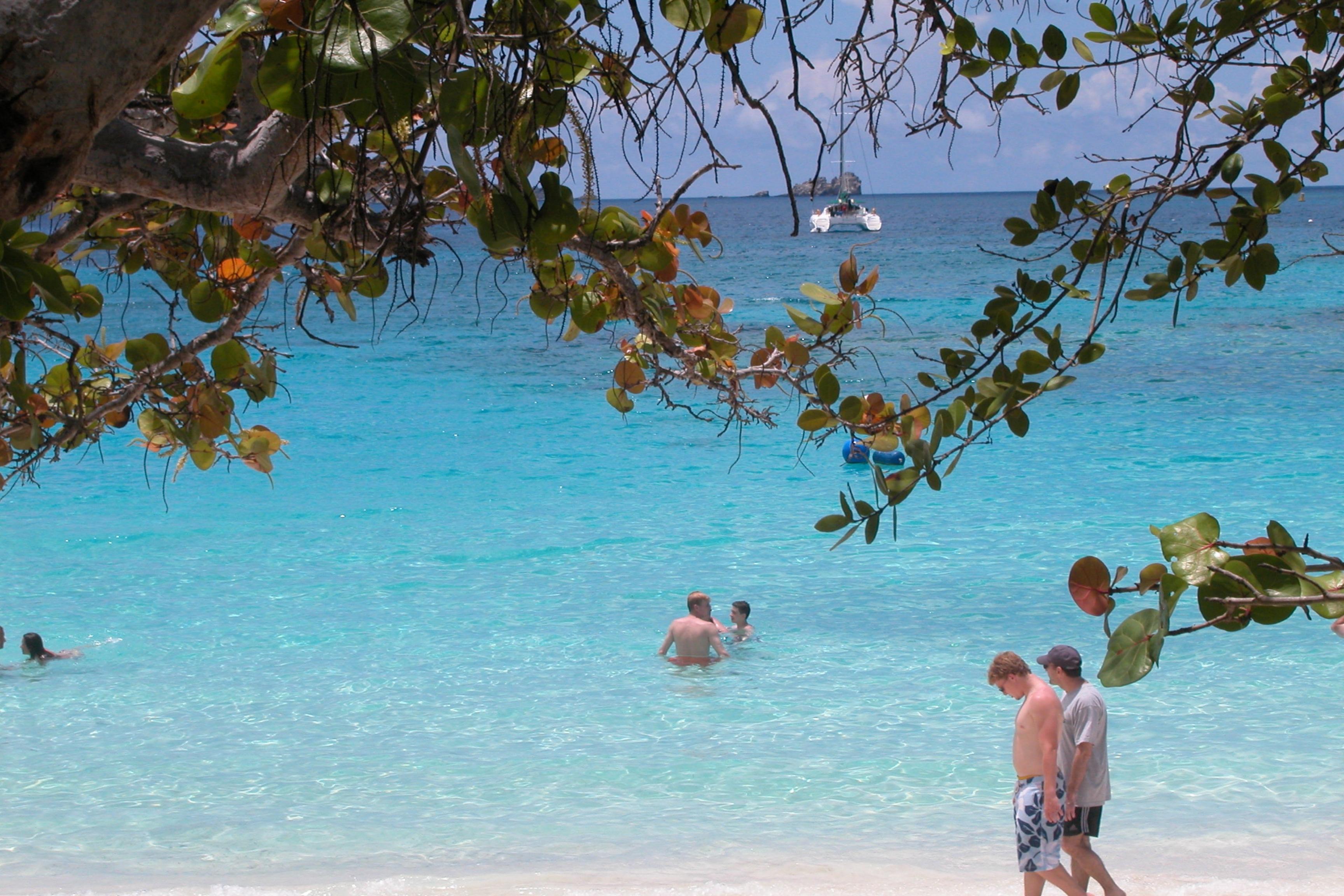
The park with the fewest negative reviews was Virgin Islands National Park, with only 2.2% of reviews reflecting dissatisfaction.
“A combination of two things I love … beaches and National Parks. Great day of snorkeling, hiking to Rams Head, and exploring the park,” a fan wrote on Google.
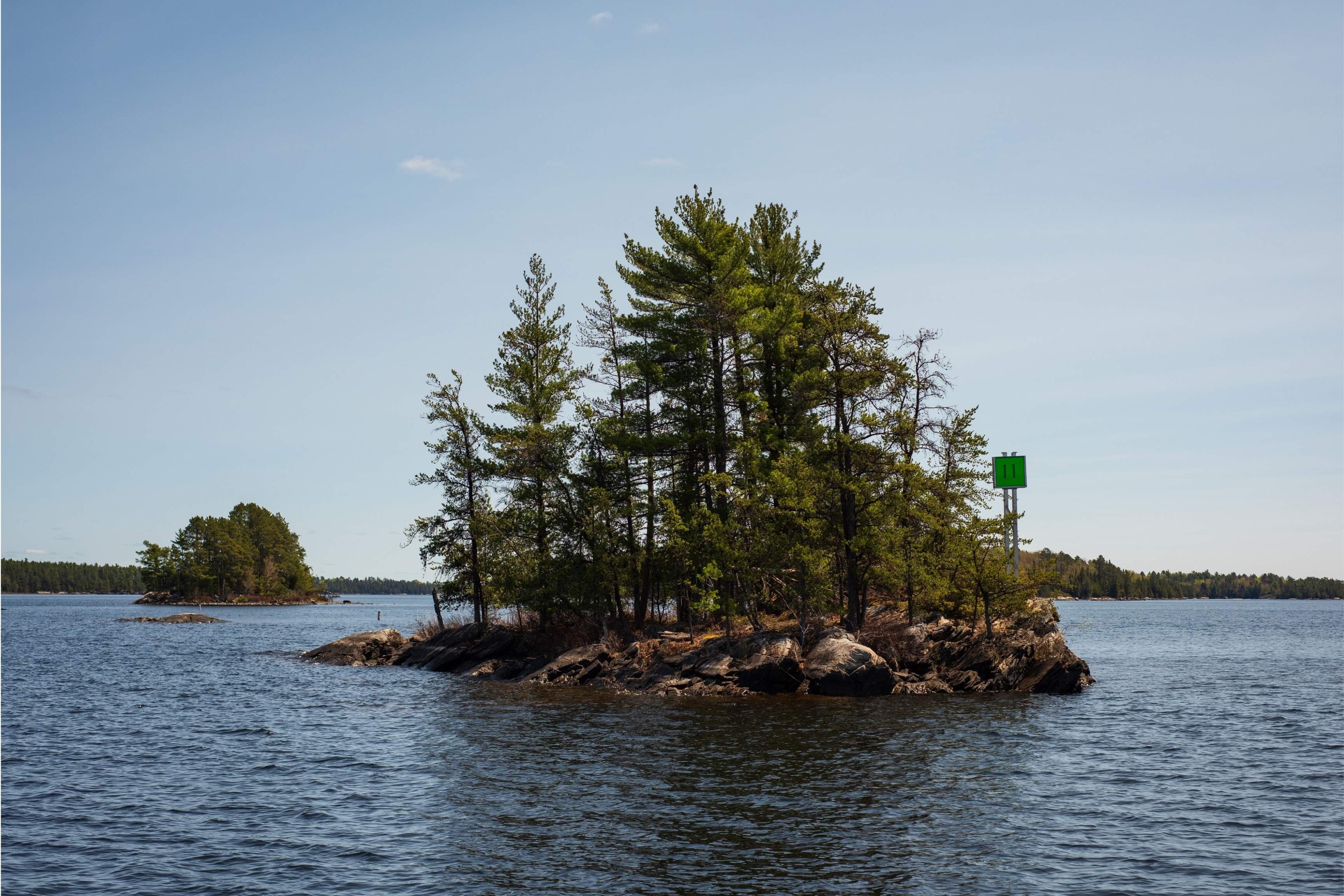
Many of the best-rated parks are difficult to access or more remote, including Voyageurs in Minnesota, most of which is best explored by canoe. Two hard-to-access parks in Alaska — Kenai Fjords and Katmai — also impressed visitors.
“This is a MUST SEE National Park!” a reviewer said about Kenai Fjords. “Stunningly dramatic landscapes that are picture perfect, beautiful glaciers, plentiful wildlife. For me, this National Park was the highlight of my entire vacation. It is quintessential Alaska!
The rest of the top 10 includes Badlands, Gateway Arch, Big Bend, and New River Gorge. Washington state’s two landmark parks — Olympic and Mt. Rainier — also made the cut, even though they’re extremely popular, with millions of annual visitors.
“Words cannot describe the ethereal natural beauty this park possesses,” a fan raved about Olympic. “Ocean, mountain, forest — you will find all three in the same place.”
At these parks, people seem not to have experienced the same overcrowding and logistical snafus that are common in other popular parks.
What It All Means
The bottom 10 parks communicate two important lessons for people planning their trips to national parks. First, make sure to check weather trends and visit at the right time of the year. Second, iconic national parks like Zion and Yosemite will be busy during peak season. Make contingency plans to handle crowds, or try visiting during the shoulder seasons instead.
If you’re trying to decide which national parks to visit in 2026, less-popular parks like Voyageurs or New River Gorge might be the places to go. They’re full of natural beauty and less crowded, but visitors report that the staff and infrastructure are still plenty adequate.
Like a vacation to Paris or Rome, if you visit any national park with sky-high expectations, you may be setting yourself up for disappointment. Striking photos and stunning Instagram reels (which only show part of the story) can make any destination look better than the reality — even places that are already spectacular.
Ultimately, visits to national parks reward careful planning, good timing, and realistic expectations.
Read the full article here