





Staying warm this winter starts from the ground up, and we’ve been testing the best base layers for men all season to pad out your closet. From high-output ski-hill romps to tucking into something warmer to tend the woodstove, we’ve settled on the top 14 sets of tops and bottoms that will get you through to spring in fine fashion.
It’s far easier to splurge on a shell jacket or puffy, but baselayers play an important role in your layering, and they can be the key to sustained comfort on the coldest days. If you’re seeking layers for active pursuits, it’s essential to invest in a full-body set, such as the Ibex Woolies Pro Tech — but don’t think you have to drain your accounts to make it happen. The budget MEETYOO Thermal Underwear Set gets the nod from us as well.
Our primary tester of men’s base layers is Steve Graepel, an experienced skier, climber, and trail runner based in Idaho. During testing, Graepel wore various base layers in all sorts of winter conditions. From thick heavyweight options to thin, barely there layers, Graepel assessed fit, feel, warmth, durability, and more. These are the layers we rely on all winter long.
Editor’s Note: We updated our Base Layers guide on December 22, 2025 to add the Ibex Woolies Pro Tech, an updated version of our previous Best Overall pick that still retains the title. This ultralight merino-wool set is far warmer than its weight would suggest, and more durable due to a twist-free process that includes a nylon core.
The Best Base Layers for Men of 2025-2026
Best Overall Base Layers for Men
8.9/10 Rating
Best Budget Base Layers
6.8/10 Rating
Best Barely There Base Layers
8.5/10 Rating
Best Funk-Free Synthetic Base Layers
8.1/10 Rating
Best Ski Touring Base Layers
8.2/10 Rating
Best-Looking Base Layers
8.1/10 Rating
Best Expedition Base Layers
8.1/10 Rating
See more picks
-
Warm majority merino wool weave -
Ultralight weight feels like wearing nothing, but quite warm -
Durable stitching, and effectively seamless -
Excellent cut and fit
-
Quite thin and can be snagged -
Price
-
Knit construction lacks seams -
Affordable price for a full set -
Slim fit rides under bulkier winter layers -
Good portion of elastane and knit construction makes these base layers stretchy and mobile
-
Minimal heat retention -
No fly in the base layer bottoms -
Sizing can be a bit tough to nail for some people
-
Lightweight and barely-there feel -
DOTKNIT fabric increases breathability -
Treated with anti-odor coating -
All low-profile seams
-
Won’t add much warmth in static situations -
Pricey for synthetic base layers
-
Durable synthetic build -
Raglan sleeve design keeps seams off shoulders and away from pack straps -
Wicks moisture well -
HeiQ Mint odor control finish keeps stink at bay -
Broad colorway and size options
-
Trim athletic fit doesn’t work for all -
Material will begin to pill with time -
Not the most breathable due to synthetic material
-
Good value for merino wool -
Versatile cut -
Low-profile seams -
Hidden thumb loops
-
Long hem won’t suit everyone -
Jack of all trades, master of none
-
Smart patterning and limited seams make these layers look smart -
Low profile pockets on both top and bottoms -
Polygiene treatment -
Supremely soft interior
-
Not great for high-output activities -
Material isn’t immune from piling
-
Wide temperature range -
Makes ventilation easy -
Intelligent padding placement -
Flexibility -
Sizing versatility
-
High price tag -
Relatively hot and clammy without ventilation -
Limited color options -
Limited UV protection
Other Base Layers That Won Us Over
The seven base layer sets we’ve awarded are a cut above the rest when it comes to your winter layering systems, but there are plenty of others worthy of consideration. Whether they’re just a bit too spendy, a little too niche, or maybe just didn’t fit all testers perfectly, the following base layers have some considerations to contend with, but they might be just right for you.
-
Comfortable full-merino weave -
Retains warmth when wet -
Versatile mid-weight fabric -
Droptail hem protects against breezes
-
Top lacks thumb loops -
Full Merino will degrade faster than blends -
Quarter zip adds weight and bulk to the top
-
100% merino wool material is extra plush -
Perforations make this base layer breathe exceptionally well -
Great value for the price -
Flatlock seams -
Accurate sizing
-
No matching base layer pant offered -
Athletic fit may be a bit snug on some barrel-chested blokes
-
Highly durable blend of merino and synthetics -
Large and accommodating balaclava hood -
30 UPF protection
-
Won’t be as stink-free or warm as a pure merino blend -
A bit heavier than other options -
Not as competitively priced as other options with more merino in the blend
-
Perfect pajama-like fit and weight -
Great textile merino wool blend with added durability -
Easy-to-use relief flap on bottoms -
Stylish-enough top to wear solo
-
Pricey -
Some overbuilt seams tend to bunch up
-
Merino wool + nylon blend for durability -
Low profile seams -
Comfortable -
Odor resistant -
Zippered chest pocket
-
Pricey -
Only one solid colorway for non-hunters
-
Soft, cozy texture -
Versatile quarter zip for venting -
Can be worn as a top around town -
Many different colorways and patterns available
-
Pricey -
Not immune to developing holes -
Can be a bit too thick for active pursuits
Men’s Base Layers Comparison Chart
| Base Layers | Price | Thermal Category | Materials | Fabric Weight | Fit |
|---|---|---|---|---|---|
| Ibex Woolies Pro Tech | $115 each | Midweight | 81% merino wool, 12% nylon, 7% elastane | 180 g/m² | Semi-fitted |
| MEETYOO Men’s Thermal Underwear Set | $29 (set) | Lightweight | 92% polyester, 8% spandex | N/A | Slim fit |
| The North Face Summit Series Pro 120 | $90 top; $100 bottom | Lightweight | 100% recycled polyester | 132 g/m² | Slim fit |
| Arc’teryx Rho LT Base Layers | $120 top; $100 bottom | Midweight | Torrent 190, 84% polyester, 16% elastane | 190 g/m² | Slim fit |
| Patagonia Capilene Midweight Base Layers | $89 each | Midweight | 100% recycled polyester | N/A | Slim Fit |
| Ridge Merino Aspect Midweight Base Layers | $95 top; $75 bottom | Midweight | 84% merino wool, 16% nylon | 180 g/m² | Semi-fitted |
| Arc’teryx Rho LT Base Layers | $120 top; $100 bottom | Midweight | Torrent 190, 84% polyester, 16% elastane | 190 g/m² | Slim fit |
| Brynje Thermo Base Layer | $105 each | Heavyweight | 80% merino wool, 20% polyamide | 125 g/m² | Slim fit |
| Icebreaker Merino Oasis 200 | $115 (half-zip top), $105 (leggings) | Midweight | 100% merino wool | 200 g/m² | Semi-fitted |
| Woolly MerinoAire Long Sleeve Crew | $84 | Midweight | 100% merino wool | 150 g/m² | Athletic |
| Outdoor Research Alpine Onset Merino 150 | $119 top; $99 bottom | Lightweight | 53% merino wool, 42% polyester, 5% Lycra | 150 g/m² | Slim fit |
| Stio Basis PeakWool Midweight Base Layers | $149 each | Heavyweight | 56% merino wool, 23% TENCEL, 12% recycled nylon, 7% nylon, 2% spandex | 280 g/m² | Semi-fitted |
| SITKA Core Merino 220 Base Layers | $140 (half-zip top), $90 (bottoms) | Midweight | Merino wool and nylon blend | 220 g/m² | Slim fit |
| Smartwool Classic Thermal Merino Base Layers | $120 (half-zip top), $115 (bottoms) | Midweight | 100% merino wool | 250 g/m² | Semi-fitted |
How We Tested the Best Base Layers

The GearJunkie testing team has tested scores of base layers over the decades, from lightweight sleeping sets for summer backpacking to polar-weight onesies for deep expeditions. Guide author Steve Graepel compiled this guide in 2021 with an initial slate of 20 worthy base layers, and our team has tracked the trajectory of base layers since then — testing more than 50 sets since then.
To narrow in on the best base layers for men today, we researched, obtained, and sent these layering essentials out to a diverse team of outdoors athletes, trail crew leaders, and iterant fisherfolk — to name a few. Testing feedback is reported and compiled in addition to Graepel’s own field tests, and we make recommendations based on the whole picture.
Our Testing Process and Testing Grounds
- Field testing: We have taken these baselayers on months-long thru-hikes of the Pacific Crest Trail, heli-skiing in the Monashees of British Columbia, and across 300-mile bikepacking trips across the rural U.S. Longevity is a big deciding factor when it comes to recommending a base layer, so we wear these sets for entire seasons of use before landing on the final say.
- Relative warmth and breathability tests: Since base layers come in various fabric weights and materials, we aim to determine the ideal temperature range and activities for each piece by conducting a series of relative warmth and breathability tests. This typically takes the form of both a static warmth test in similar ambient temperatures (ski area parking lots are a common forum) and a mile run to assess how well these layers pass moisture.
- Smell monitoring: Because base layers are known to sometimes accumulate a funk, we also conduct post-workout smell tests to compare the performance of merino wool versus synthetics and understand how well antimicrobial treatments work.
- Our base layers rating system:
- Warmth to weight: 30% weighted. We combine both the rated fabric weight and our own warmth testing to rate these layers. Note that this is not a rating of overall warmth, but rather warmth-to-weight (how well a layer insulates for its weight).
- Breathability: 30% weighted. Typically, layers that score highly in warmth will score lower in breathability, but not always. Certain blends of merino wool and synthetic fibers can be highly versatile.
- Durability: 20% weighted. We inspect the base layers for any wear holes, as well as the condition of the seams, the rebound of the elastic waistbands, and any stains that accumulated during our testing period.
- Comfort: 20% weighted. Some base layers are as cozy as pajamas, while others are barely there slips for active use, and we rate them based on their relative comfort compared to one another.
Our Expert Testers
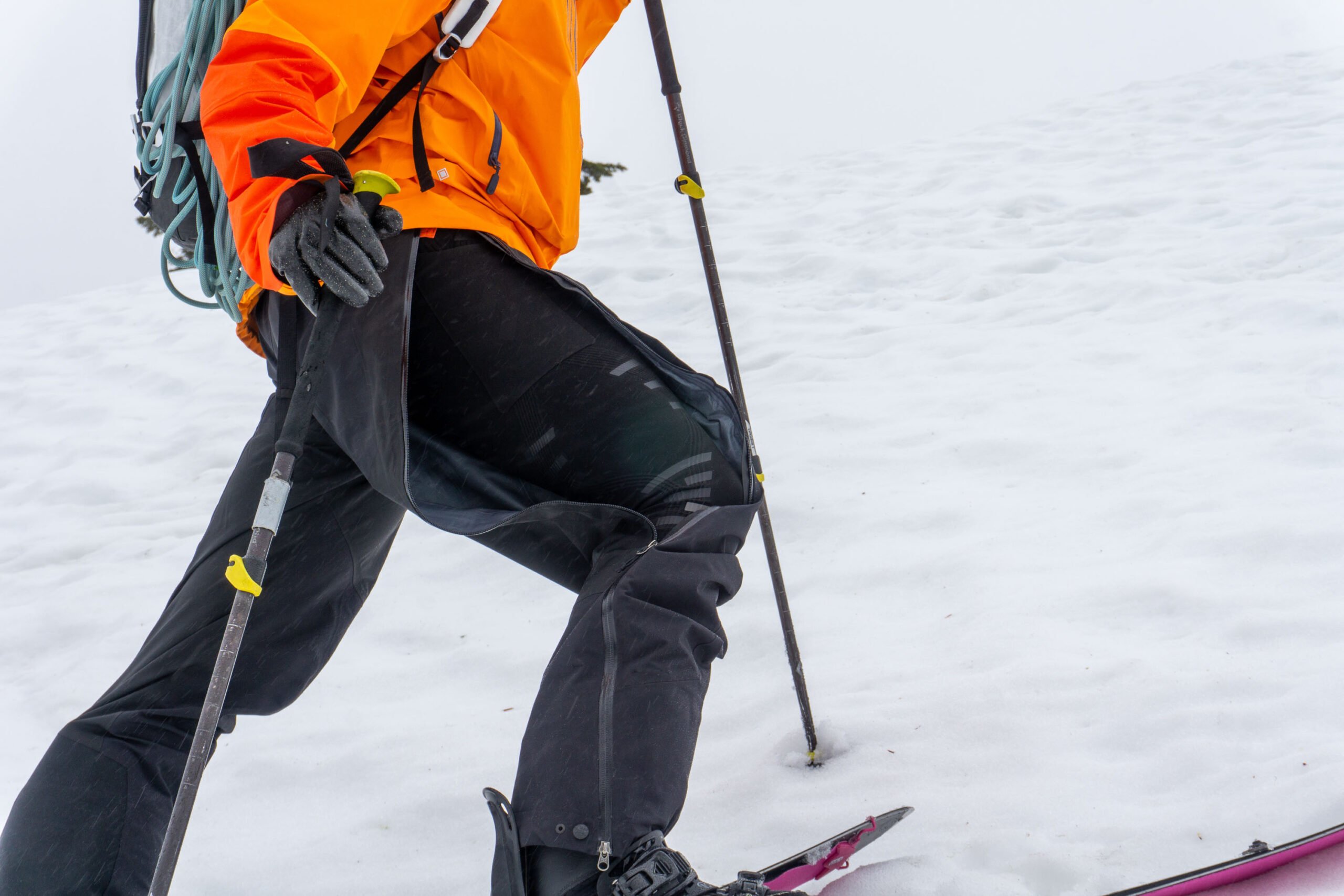
Steve Graepel — the author of this guide — has spent the last 10 winters living and skiing in Minnesota. In an ongoing battle to remain warm and comfortable on the slopes, he’s made quality base layers a standard part of his wardrobe.
In addition to frequent skiing, Steve also puts base layers to the test while running and cycling throughout the northern winter. While actively testing base layers, Steve pays careful attention to overall comfort, warmth, and durability. Other, more subtle factors also play a role in the evaluation process. We note the quality and feel of the seams, the breathability of the fabric, the tendency for piling, and much more. Overall, we’ve tested over two dozen base layer styles over three-plus winter seasons.
To complement Steve’s personal expertise, half a dozen male editors across GearJunkie’s entire staff base weighed in with their favorite base layers for snow sports, daily wear, and much more.
Buyers Guide: How to Choose the Best Base Layers

Everyone who plays outside in winter needs base layers, and it’s hard to have too many. Start by considering how you play outside.
Are you active, working hard in the backcountry, and needing it to wick and breathe? Or do you need to stay warm on the lift or hunkered over the lake fishing? There’s no right or wrong answer, but knowing how you’ll use these layers will help narrow the field.
One tip before we dive in: Everyone has an internal thermostat. If you tend to run cold, buy warmer. If you find yourself stripping off layers when others are bundled, go lighter.
Styles of Base Layers
Technically, base layers feature a range of designs including tank, long-sleeve and short-sleeve tops, hoodies, bottoms, knickers, briefs, and the traditional full-length underpants. In our guide, we focus on the best options for cold weather and the winter season, which are usually long-sleeve tops and ankle-length bottoms.
The fabric blends of base layers include merino wool, synthetic fibers, or a blend of the two. Within those fibers, there are various densities from ultralight to light and midweight and at the far end, heavyweight.
Some tops feature a hood, partial zipper, or thumb holes. Others are tailored with a crew, mock, or turtleneck.
Base layer bottoms don’t have pockets or belt loops. These pants are essentially long underwear — they’re designed to be worn against the skin in a seamless way that’s comfortable beneath other midlayers and outer layers during various activities, such as hunting, fishing, hiking, skiing, snowboarding, snowmobiling, or working on a farm.
Fabric Weights
Ultralight base layers are lightweight and form-fitting. The ultralight base layer will prevent heat loss on an autumn day, shun solar radiation when things heat up, or provide that first quick-drying layer against the skin under heavier base layers. The Ibex Woolies Pro Tech is a weight we can wear all summer long as sleep clothes, and breathe quite well.
If you want to strip them off altogether, they disappear nicely in a daypack. The downside of the ultralight lineup is they can be fragile. Materials with thinly woven mesh can snag on brush and Velcro tabs.
- Fabric weight: 80-140 g/m²
- Fiber diameter: 17.5 microns
Lightweight base layers can be worn alone in 30-degree temps or paired with another layer when the mercury dips. A lightweight base layer like the The North Face Summit Series Pro 120 is your skin’s first line of defense against Old Man Winter. During the colder months, we never leave home without one.
- Fabric weight: 140-190 g/m²
- Fiber diameter: 17.5-18.5 microns
Cooler temperatures require a boost to your base. Midweight base layers strike a balance between insulation and wicking power and are the workhorses of cold-weather pursuits that have you on the stop-and-go.
Wear these base layers for cold days or layer them over a lighter base for added versatility for changing weather conditions. The Patagonia Capilene Midweight Base Layers had a broad range of temperatures we felt comfortable wearing them in, and are great all-around options.
- Fabric weight: 190-250 g/m²
- Fiber diameter: 21.0 microns
If your activities find you ice fishing, ice climbing, or bunkering down in a snow cave at 5,000 m, an expedition-worthy heavyweight layer is what you’re looking for. The heavyweight isn’t used alone; it supplements a lightweight or midweight base layer. The Kora Xenolith Mountain Sweater 2.0 and Freedom Bottoms add a lot of static warmth to a layering system.
- Fabric weight: 250 g/m² and heavier
- Fiber diameter: 24.5 microns

Activity and Use
When purchasing a base layer, consider the activities you want to do. High-aerobic activities (like running, ice climbing, and cross-country skiing) require moisture-wicking capability, where lightweight base layers typically shine.
For those who spend long days outside in more leisurely activities (like downhill skiing), a midweight base in merino wool or synthetic materials will serve you well. And it can be the most flexible piece in your cold-weather arsenal.
Merino vs. Synthetic
Merino can suck up to 30% of its weight in moisture. This isn’t a bad thing — that water traps heat and keeps you feeling warm. Synthetics hold less than 7% of their weight in sweat, leaving you feeling colder as moisture rapidly evaporates.
Wool is more expensive and typically requires more care and attention. It’s also typically less durable than its synthetic counterparts.
On the flip side, polyester fibers can trap stinky bacterial waste, creating a hard-to-wash funk. For mountaineers (or those who never change their clothes), do yourself a favor and get a stink-resistant merino or find a brand that includes stink-inhibitors like Polygiene or HeiQ, like the Patagonia Capilene Midweight Base Layers.
Every year, we see a slew of new options that leverage synthetic-wool blends with panels of lighter-weight materials. These feel soft and increase the temperature range of the layer.
Cut and Length
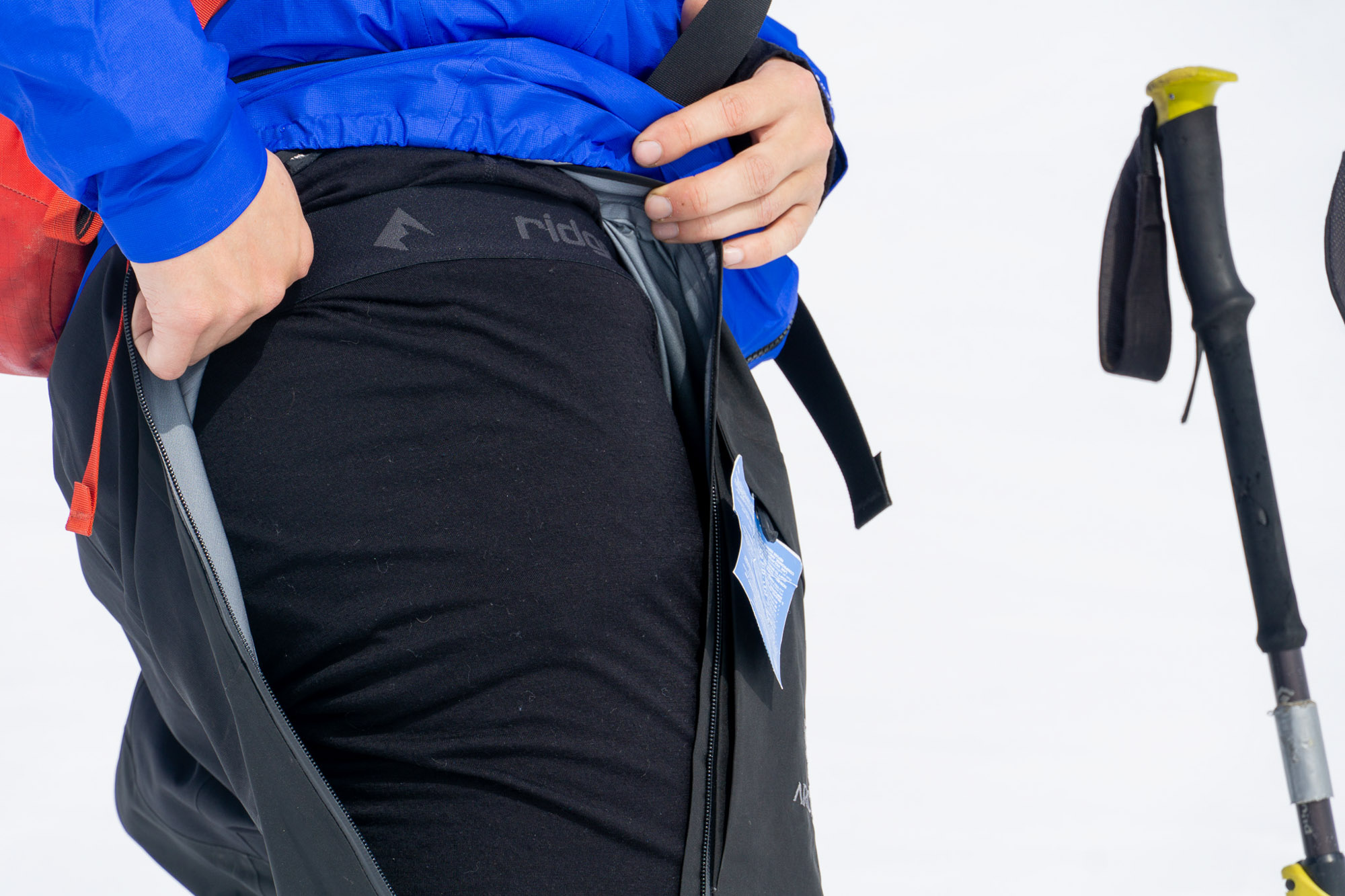
Most of these base layers are offered in crewneck, quarter-zip, and even with hoods. To crew or not to crew is a personal preference. Some crewnecks can bind around the neck (which is uncomfortable when sucking air on hill sprints).
And it’s easier to cool off by dropping the zipper on those days when the sun comes and goes. But we did find ourselves inconspicuously sliding the crewnecks into our work wardrobe. It simply looks less sporty than the zipper tops.
Hoods and Thumb Loops
Hoodies are a fickle fit. Some hit it out of the park, and others squeeze awkwardly around the face, limiting your peripheral view. We called out hoodies that fit us well, but we highly recommend you try before you buy any base layer with a hood.
Many of the base layers on the list come with thumb loops. These can make it easier to pull over another layer (you don’t have to fish a sleeve back out). They can also block the intense sun and warm the wrists (our vasculature tends to run shallow in the armpits, elbows, and wrists, close under the skin to dump heat).
Price & Value
Base layers might not get all the hype, but that doesn’t mean you should settle for any old set. There’s a wide range of applications and prices when it comes to these layers, and you should consider a few things before deciding on a set: What will you be wearing these base layers for most? How warm will you need to be for the coldest part of the day? Or how sweaty might you get?
Budget
Budget base layers are generally going to be synthetic blends instead of merino wool, but they do retain some good warmth and breathe well enough (certainly lighter fabric weights). These materials can hold onto odor more than merino wool pieces, so it’s not uncommon to see antimicrobial treatments applied to cut down on the funk.
Expect to pay around $30-40 for each top and bottom in the budget range, but some great values are out there, such as the $29 MEETYOO Men’s Thermal Underwear Set. You’ll give up the benefits of a fly in the pants, but we were still impressed at the stretch and performance for the price.
Mid-Tier
Bumping up to $100 (per top or bottom) gets you into some much nicer stuff. Merino wool is common, along with blends of nylon or elastane to increase durability and stretch. You’ll also begin to see higher-quality sewing techniques used, such as flat-locked stitches or raglan sleeves that move the seam lines from above the shoulders.
The Ibex Woolies Pro Tech ($120 each for top and bottom) is all of this in an ultralight set that works for a huge number of activities. The high percentage of merino wool keeps them warm, breathable, and stink-free over the long run.
Premium
Paying over $200 for a base layer means it’s pretty premium, and these may incorporate boutique fibers such as the Himalayan yak wool used in the Kora Xenolith Yak & Merino Wool Mountain Sweater 2.0 ($270). The Stio Basis PeakWool Midweight Base Layers ($149 each top and bottoms) mix a blend of merino wool with TENCEL to create a thick set that’ll double as pajamas any night. Know that the biggest thing you’ll be getting for your extra money is durability, which can mean buying fewer base layers in the long run.
Frequently Asked Questions
Base layers — as their name implies — are meant to be worn as the base of your clothing system, next to your skin. If you pile on cotton underwear and a cotton T-shirt under your base layers, you’re negating all the ways a base layer is intended to work. Most base layer bottoms are intended to be worn as long underwear.
A base layer should have a close fit to your body without sacrificing freedom of movement. Some base layers, like Patagonia’s Capilene Midweights, fit snugly but shouldn’t be restrictive or cut circulation. Others, like Ibex’s Woolies, have a more relaxed pajama-like fit.
Base layers should be able to fit nicely beneath a fleece sweater as well as a pair of Carhartt pants or overalls or ski outerwear.
There is no hard rule. It comes down to what you can afford and what activities you do. Synthetics are highly durable and high-wicking, and they have some odor-beating technology. They also usually have a lower price tag. While Patagonia’s Capilene Midweight layers are somewhat expensive at $79 each, we think it’s a fantastic value that will last you a very long time.
Merino is less durable, but it has temperature-regulating features that can work in a wide range of weather, combats odors, blocks harmful UV rays, and also wicks well. Merino wool typically costs more than synthetic blends.
What about silk? Silk needs a lot of washing, is very thin, and is not very durable, so we left it off the list. Most of the base layers on this list are a wool blend or polyester-elastane blend.
Equally as important to materials is the weight of the fabric. Most people will do well with a pair of simple midweight base layers. If you’re perpetually cold or doing a sedentary winter activity, grab a pair of heavyweight base layers. If you’re buying base layers to backcountry ski, run in, or for any other intense activity, go light.
If you’re out in extremely cold temperatures, have poor circulation, or tend to be cold-sensitive, consider a heavyweight set like Smartwool’s Classic Thermal Merino layers. We’ve found it a fantastic blend of temperature regulation and insulation for cold-weather activities like fall and winter fishing.
For all-around recreation and use in average winter temperatures, grab a midweight option like Patagonia’s Midweights, or the Stio Basis PeakWool Midweight.
Cardio-intensive activities, like running or cross-country skiing, and warmer winter days are a good time to opt for lightweight base layers like The North Face’s Summit Series Pro line.
For the greatest warmth and protection, layers are the name of the game. You’ll want to wear full underwear base layers, which wick sweat and help manage body heat during high-output or laid-back activities.
Base layers fit beneath a midlayer — like a fleece or micro-down jacket or synthetic insulation layer — followed by an outer layer, like a shell, that will protect you against the elements from rain to snow or wind.
Depending on the day’s activity and climate, you might choose to wear a base layer beneath an outer layer and skip that middle piece of insulation.
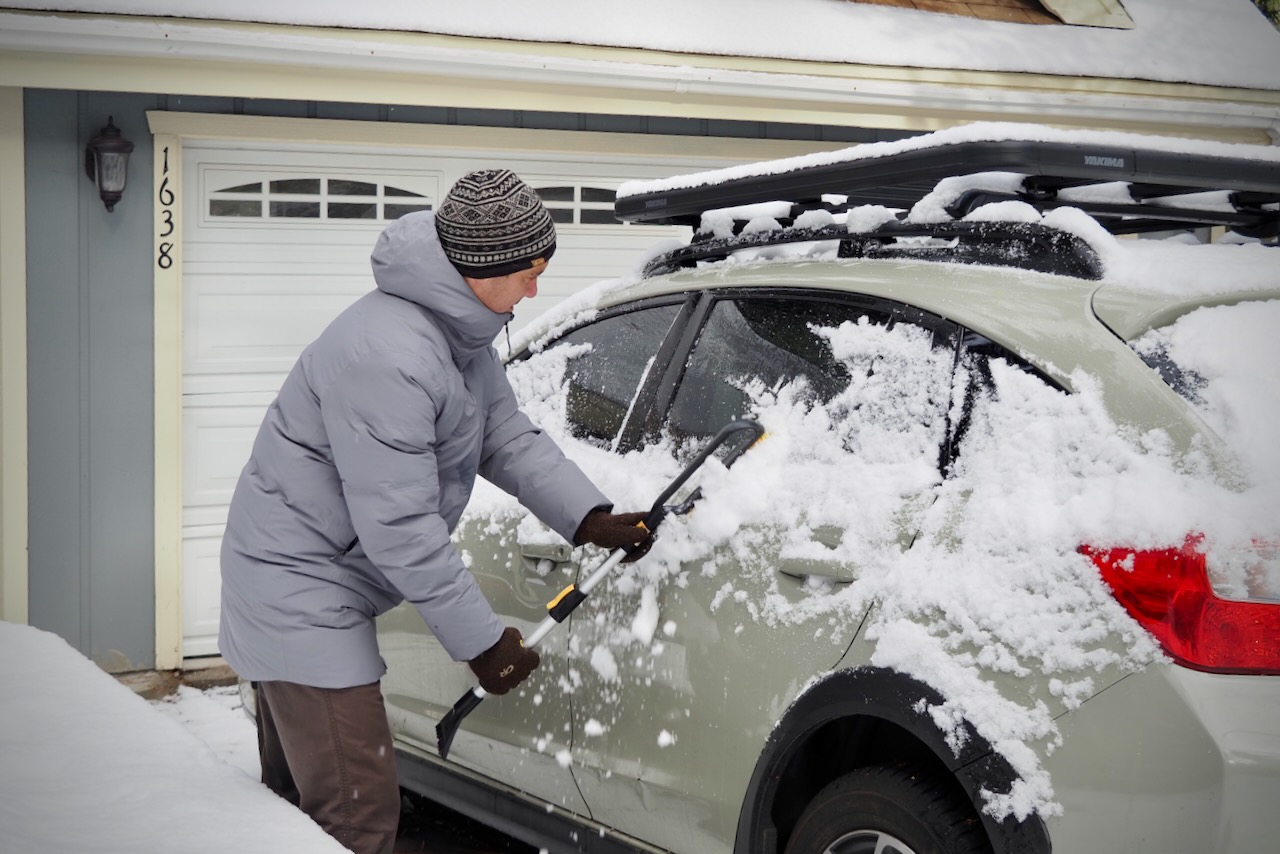
We tested the best winter jackets for every climate and budget — from Patagonia, Arc’teryx, Fjallraven, The North Face, REI, and more.

We tested the best synthetic insulated jackets from Arc’teryx, The North Face, Patagonia, and more to help you find the best option for your needs and budget.
Read the full article here